aljazeera Press
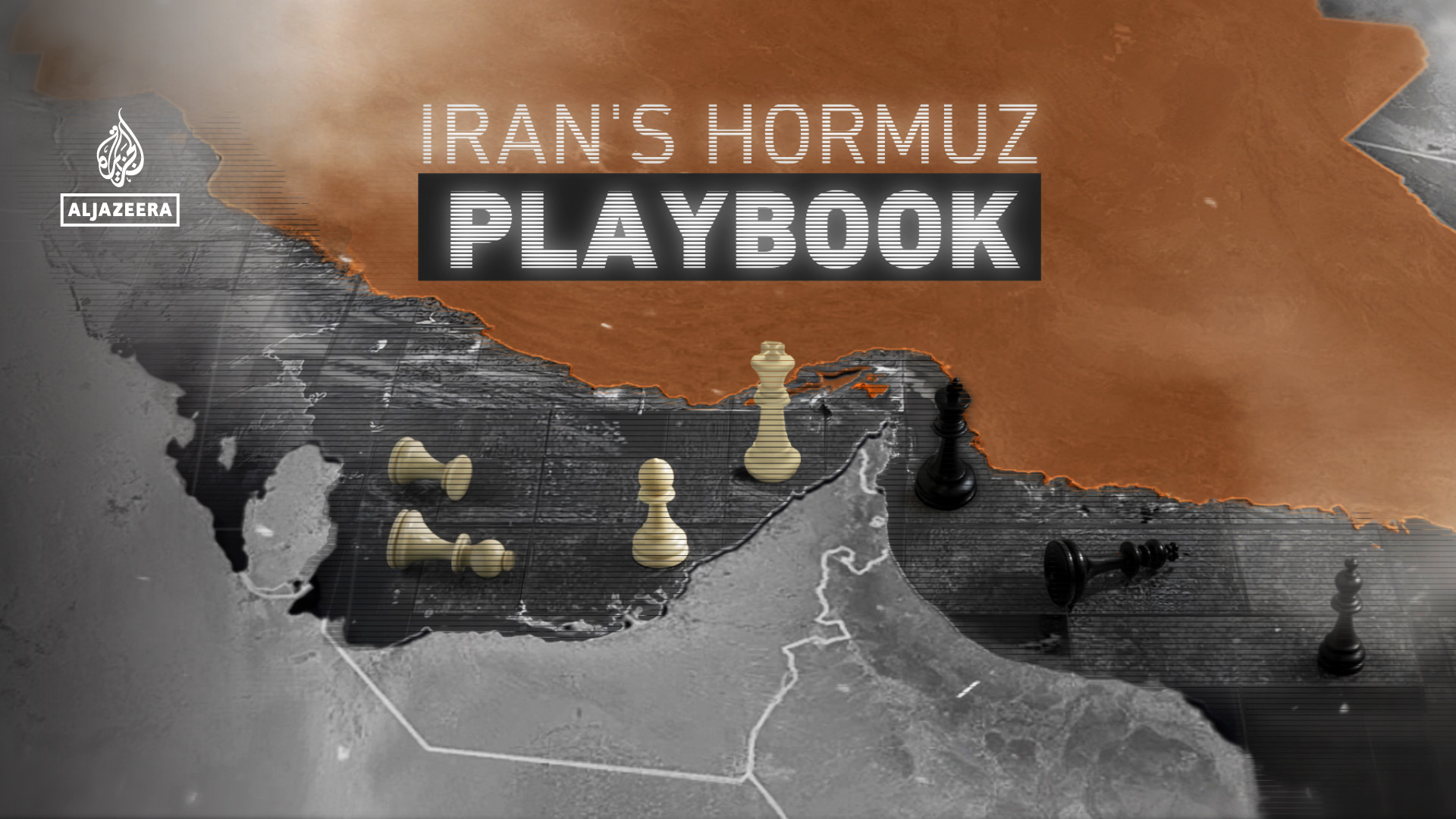
Strait of Hormuz: How a threat became a playbook
Images
1 / 10

2 / 10

3 / 10

4 / 10

5 / 10

6 / 10

7 / 10

8 / 10

9 / 10

10 / 10
How the Strait of Hormuz became a system of control, shaping power and the global economy.

For weeks, a US-Israel war on Iran pushed the Gulf to the brink. But the real battleground wasn’t in the air. It was the Strait of Hormuz. This narrow chokepoint, connecting the Gulf to global shipping routes, carries about 20 million barrels of oil a day, nearly a fifth of global supply, making it critical to the global economy, energy markets, and supply chains.

As tensions escalated, Iran did not fully close the strait. Instead, it reshaped it into a system of control, using drones, naval threats, and uncertainty to disrupt shipping. Traffic dropped, oil prices surged, and global trade slowed, affecting Asia, Europe, and beyond. Some vessels were allowed through, others blocked, and some reportedly paid transit fees, turning Hormuz into a strategic “toll system”.

US President Donald Trump responded with a naval blockade, escalating a geopolitical standoff, as ceasefire talks in Islamabad failed. The situation remains uncertain: Partial reopening, conditional access, and conflicting claims highlight a new reality.

This is no longer just about oil or war. The Strait of Hormuz has evolved from a threat into a playbook in which leverage, not firepower, shapes outcomes.

Save

Share
Comments
You must be logged in to comment.