bbc Press
Oil prices jump after Trump says Iranian ship seized
Images
1 / 8

2 / 8
3 / 8
4 / 8
5 / 8
6 / 8
7 / 8
8 / 8
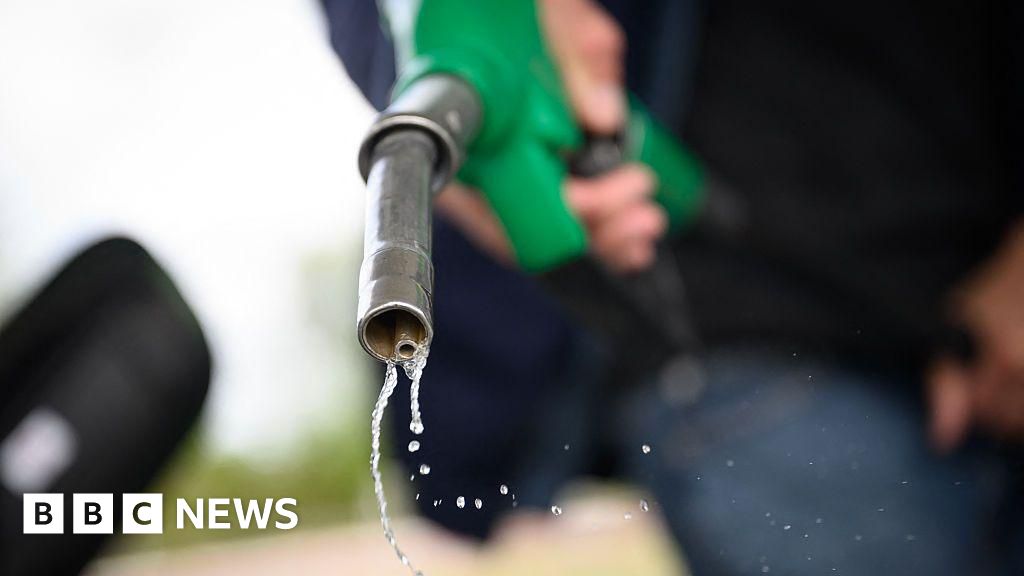
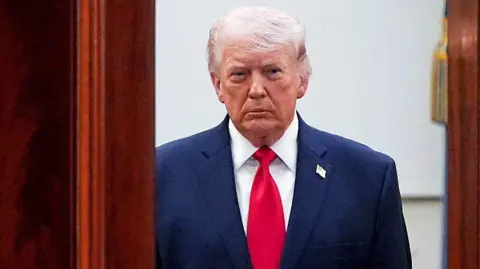
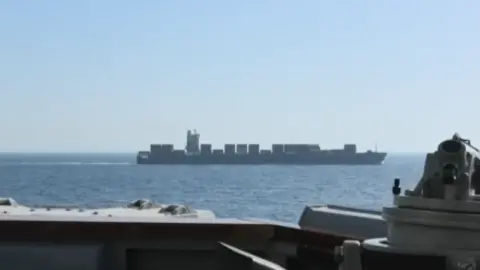
Global oil prices have jumped by more than 5% after US President Donald Trump said the US had intercepted and seized an Iran-flagged cargo ship.

The Brent crude benchmark oil price rose by 5.4% to $95.27 (£70.62) a barrel, while the US benchmark was 5.9% higher at $88.79.

The increases reversed some of the big falls seen on Friday when Iran had said the Strait of Hormuz would be "completely open" to commercial vessels for the remainder of the ceasefire.

But on Saturday, Iran said it was closing the strait again and that any ship that approached it would be targeted. The waterway is of key importance as usually about 20% of the world's oil and liquefied natural gas passes through it.

Energy markets have seen wild swings since the US and Israel attacked Iran on 28 February and Tehran responded with threats to target shipping in the strait.

Trump has said his representatives will be in Pakistan on Monday for negotiations. A White House official said Vice-President JD Vance would lead the US delegation.

But Iran's state media said Tehran had "no plans for now to participate" in the talks, although Iranian officials have not clarified the country's position yet.

"Oil markets continue to gyrate in response to oscillating social media posts by the US and Iran, rather than the realities on the ground which remain challenging for oil flows to resume in a rapid fashion", analyst Saul Kavonic from financial services firm MST Marquee told the BBC.

"This is all part of negotiations, physically playing out in real time on the Strait of Hormuz."

Shanti Kelemen, co-chief investment officer at 7 Investment Management, said there was "a bit of fatigue" in the market given the "chopping and changing" in the situation.

"I think the market stopped believing the words, and will look more towards the actions," she told the BBC.

The Strait of Hormuz remained closed on Sunday, a day after the Islamic Revolution Guard Corps (IRGC) said it was ending a temporary reopening over the US blockade, which it said violated the terms of their ceasefire agreement. Iran said it would stay closed until the US ended its naval blockade.

Trump had said on Friday that the naval blockade would continue until a deal was agreed by the two countries.

Stock markets were mixed on Monday. In Europe, FTSE 100 index of the biggest firms listed in the London opened down 0.4%, while Germany's Dax and France's Cac 40 both fell more than 1%.

However, Asian markets had risen earlier, with Japan's Nikkei index closing up 0.6% and South Korea's Kospi climbing 0.4%.

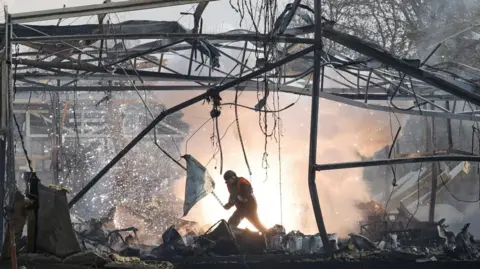
Energy prices have seen volatile trading since the start of the Iran war.

Brent crude, a benchmark for oil futures prices, was trading at around $70 per barrel before the conflict. On 9 March it reached almost $120.

Futures contracts are an agreement to buy or sell assets at a set price on a specified date in the future. The Brent futures contract currently being quoted is for crude oil to be delivered in June.

The conflict has triggered a global energy crisis with prices rising sharply, while some countries are facing fuel shortages.

Asia has been hit particularly hard as the region relies on shipments that usually pass through the Strait of Hormuz for around 90% of its energy needs.

Governments have ordered employees to work from home, cut the working week, declared national holidays and closed universities early in order to conserve their supplies.

Some South East Asian countries, including Singapore and Thailand, have called on people to curb their use of air conditioning to save energy.

Even China - which is thought to have reserves equivalent to three months of imports - is making adjustments, limiting a fuel price hike as citizens are faced with a 20% jump in price.

Airlines across the region have announced measures to deal with soaring jet fuel prices.

Last week, the head of the International Energy Agency warned that Europe has "maybe six weeks of jet fuel left".

Fatih Birol told AP that there could soon be flight cancellations if supplies remained blocked.

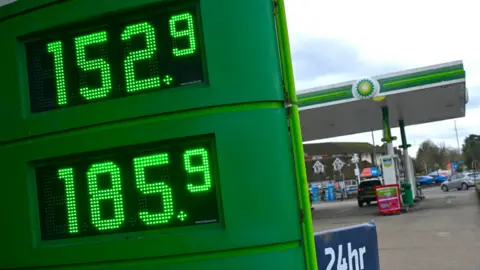
In the UK, petrol and diesel prices eased at the end of last week after a series of hikes.

The BBC has found a pattern of spikes in trades ahead of public announcements by the US president.

Tehran vows retaliation soon for what it calls an "act of armed piracy", which comes as the US prepares for a second round of talks.

Governments around the world have introduced measures to limit the impact of price increases.

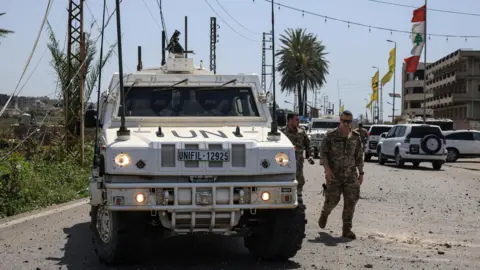
President Macron blames the attack on Hezbollah. The Iran-backed armed group denies "any connection" to the incident.

The US argues that the waiver is meant to ease the energy supply crunch sparked by the US-Israel war with Iran.
Comments
You must be logged in to comment.