yahoo Press
Europe Faces Summer Jet Fuel Crisis as Iran War Slashes Supply
Images
1 / 4
2 / 4

3 / 4

4 / 4
Accelerated refinery closures in the past decade and increased dependence on kerosene from the Middle East have exposed Europe’s energy supply vulnerability once again.

For years, European consumers have had to contend with last-minute strikes of ground personnel and cabin crew during peak summer travel. This year, strikes may be viewed as a minor nuisance compared to what’s coming within weeks—a jet fuel supply crisis that could ground flights and hike fares.

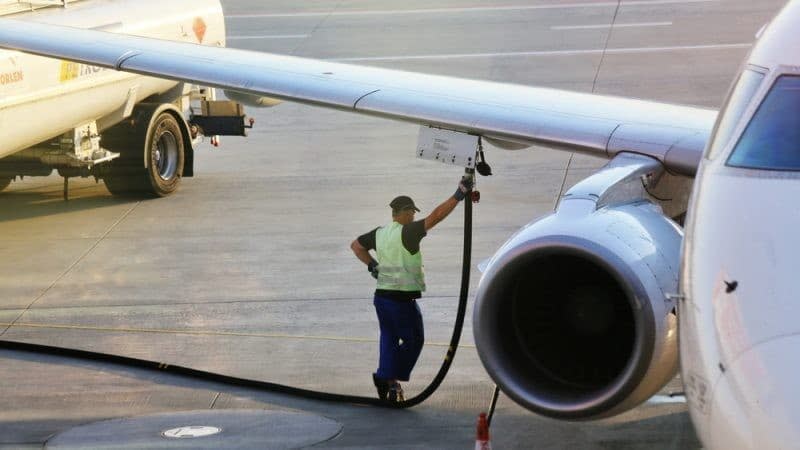
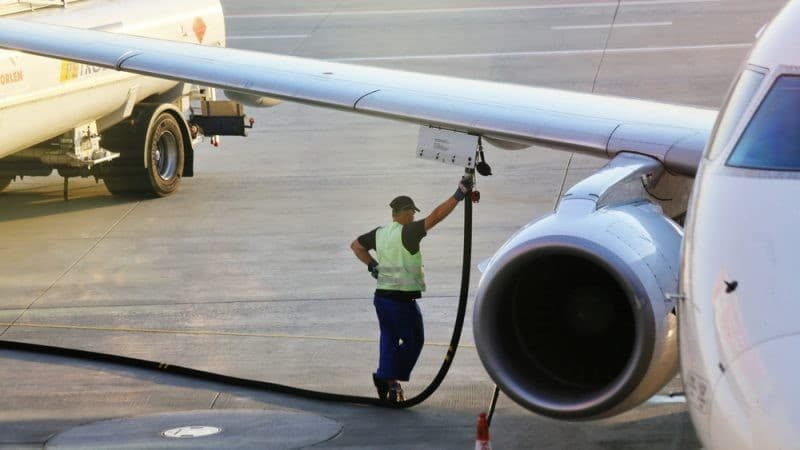
The war in Iran has cut most of Europe’s imports of jet fuel, while local output has been falling for nearly two decades due to dozens of refineries closing permanently or being converted to biofuel production.

The war in Iran and the closure of the Strait of Hormuz have severely constrained Europe’s jet fuel supply, while jet fuel prices have spiked to over $200 per barrel. The last imports from the Middle East on tankers that had passed Hormuz before the war began have arrived, and there is only one alternative to source jet fuel—from the United States. These supplies are not only insufficient to replace the loss of Middle Eastern jet fuel. Europe faces increasingly fierce competition from Asia for these cargoes as the crisis first hit Asia with crude supply from the Middle East collapsing, Asian refiners cutting refinery runs, and countries imposing fuel export restrictions to preserve domestic supply.

Related: Oil Slides but the Real Test Comes This Weekend

Back in 2009, nearly 100 refineries were operating in Europe. Of these, 28 refineries – more than 25% of the number of refineries and 16% of refining capacity – have been either shut or transformed since 2009, according to data from the European Fuel Manufacturers Association.

As refineries were closing, due to declining fuel demand in Europe and emission-reduction policies, the European dependence on imported supply has grown. The hit to supply from the Middle East caught Europe off guard regarding the security of energy supply for the second time in just four years, after natural gas deliveries from Russia crashed in 2022.

This time, the jet fuel crisis could be imminent, analysts and forecasters warn.

Last year, Europe imported about a third of the jet fuel it consumed, with 75% of imports coming from the Middle East, the International Energy Agency (IEA) has said.

Its executive director, Fatih Birol, this week warned that Europe has “maybe six weeks or so” of remaining jet fuel supply.

“If we are not able to open the Strait of Hormuz ... I can tell you soon we will hear the news that some of the flights from city A to city B might be canceled as a result of lack of jet fuel,” Birol told Associated Press in an interview.

Northwest Europe is one of the regions most exposed to the jet fuel crisis, as imports have dropped from historical norms this month, and the import decline is set to accelerate in the coming weeks as more U.S. jet fuel cargoes would go to Asia instead of Europe, Ernest Censier, market analyst at Vortexa, said in an analysis on Thursday.

The 15% drop in European jet fuel imports so far in April “reflects structural dependence on Middle Eastern supply: approximately half of NWE’s jet fuel imports typically transit through the Strait of Hormuz,” Censier said.

In addition, relatively short voyage times of about 21 days from Mina Abdulla in Kuwait to Rotterdam mean that supply disruptions are transmitted quickly into regional imports, the analyst added.

The U.S. has emerged as the key source of substitution for lost Middle Eastern supply, but this is unlikely to be sustained as U.S. jet/kerosene exports are increasingly being redirected toward the Pacific Basin, reaching a seven-year high this month, and now accounting for over 30% of total U.S. jet fuel exports.

“This reallocation reflects a broader shift in US product exports toward the Pacific Basin,” Vortexa’s Censier noted.

This leaves Europe highly exposed to the turbulence in the jet fuel markets.

Lufthansa, Europe’s biggest airline, on Thursday said it is accelerating plans to reduce its flight program and retire some aircraft earlier “In view of significantly increased kerosene prices, which have more than doubled compared to the period before the Iran war, as well as rising additional burdens from labor disputes.”

“The package for accelerated implementation of fleet and capacity measures is unavoidable in light of the sharply increased kerosene costs and geopolitical instability,” said Till Streichert, Chief Financial Officer of Lufthansa Group.

By Tsvetana Paraskova for Oilprice.com

More Top Reads From Oilprice.com

First Crude Cargo Clears Hormuz Since U.S. Blockade Began

Tanker Fleet Heads to Load U.S. Oil as Middle East Supply Crumbles

India Pays in Yuan for Iranian Oil Purchases Under U.S. Waiver

Oilprice Intelligence brings you the signals before they become front-page news. This is the same expert analysis read by veteran traders and political advisors. Get it free, twice a week, and you'll always know why the market is moving before everyone else.

You get the geopolitical intelligence, the hidden inventory data, and the market whispers that move billions - and we'll send you $389 in premium energy intelligence, on us, just for subscribing. Join 400,000+ readers today. Get access immediately by clicking here.
Comments
You must be logged in to comment.