buzzfeed Press
100 Historical Photos That Feel Like Witchcraft To Be Looking At In 2026
Images
1 / 20
2 / 20

3 / 20
4 / 20
5 / 20
6 / 20
7 / 20
8 / 20
9 / 20
10 / 20
11 / 20
12 / 20
13 / 20
14 / 20
15 / 20
16 / 20
17 / 20
18 / 20
19 / 20
20 / 20
Time to take an absolutely incredible journey into the past.

I'm an Editorial Director at BuzzFeed who covers the internet’s funniest photos and jokes, weird human history, movie facts, and more.

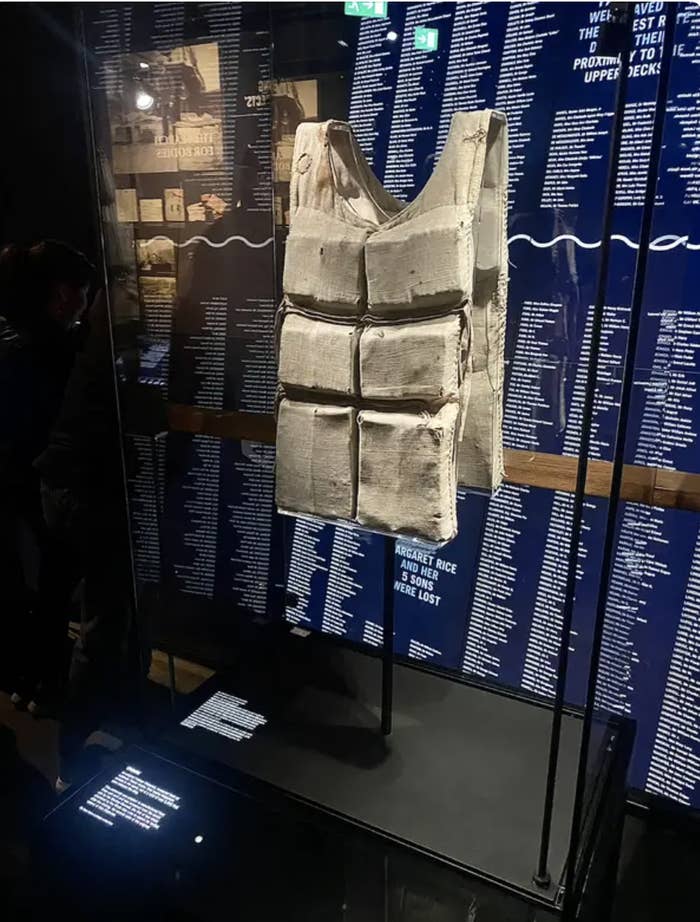
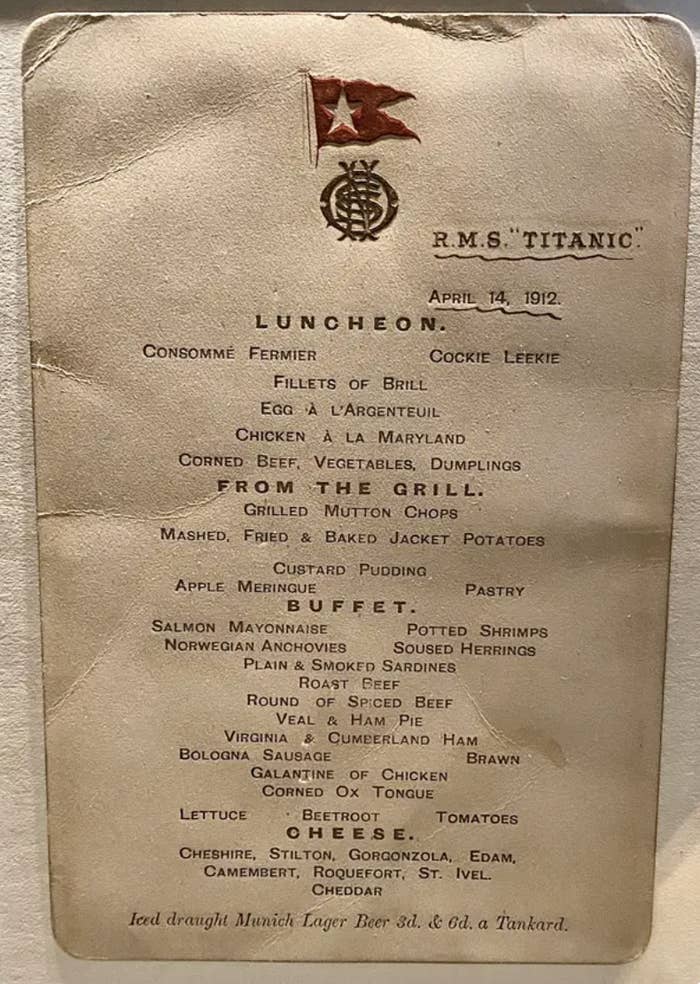
 It was recovered from the field of debris by the quartermaster of a ship chartered to search for bodies.

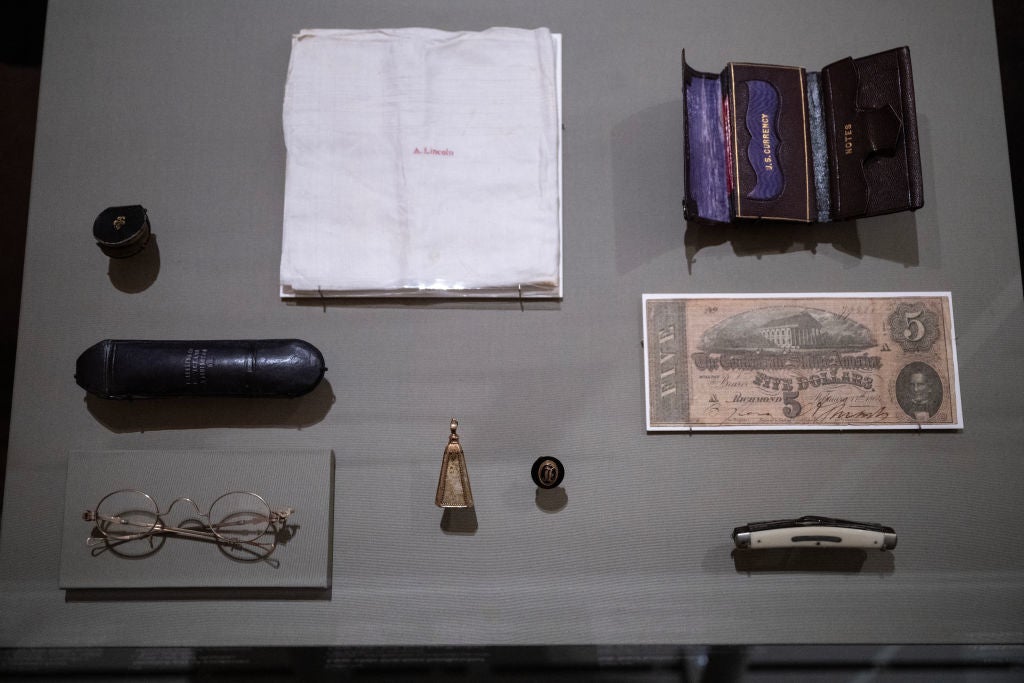
—Two pairs of glasses and a lens polisher,

—and a wallet (containing a five-dollar Confederate note).

They are on display at the Library of Congress in Washington, DC.

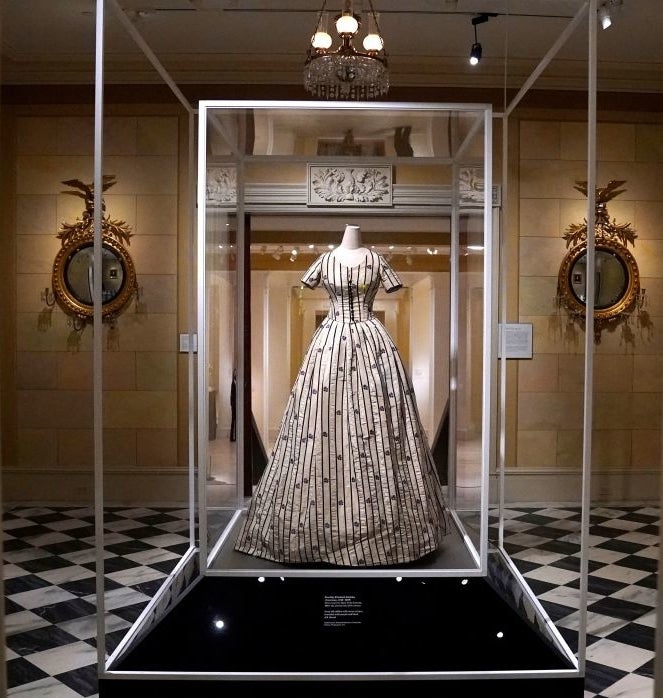
 It was most likely made by African American dressmaker Elizabeth Keckley.

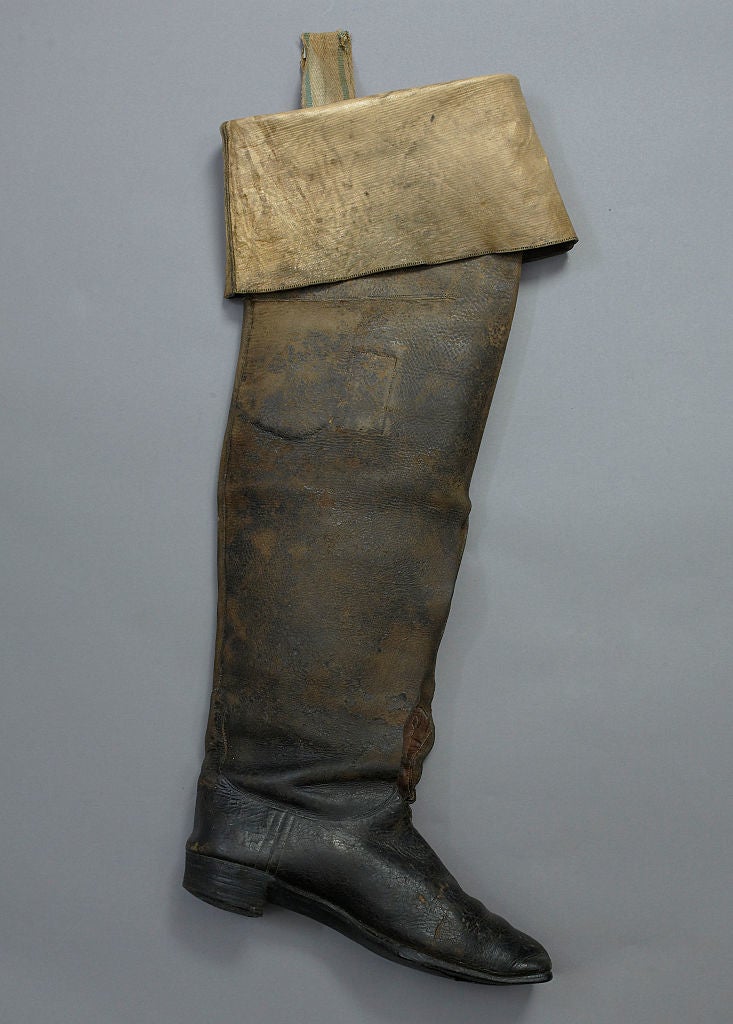
Booth broke his leg leaping from the balcony to the stage of Ford's Theatre after shooting Lincoln. Later, Dr. Samuel Mudd cut off the boot to treat Booth's leg, and stashed the boot under the bed. It was later found by authorities and helped lead to Booth's capture.

The boot can be seen at the Ford's Theatre National Historic Site in Washington, DC.

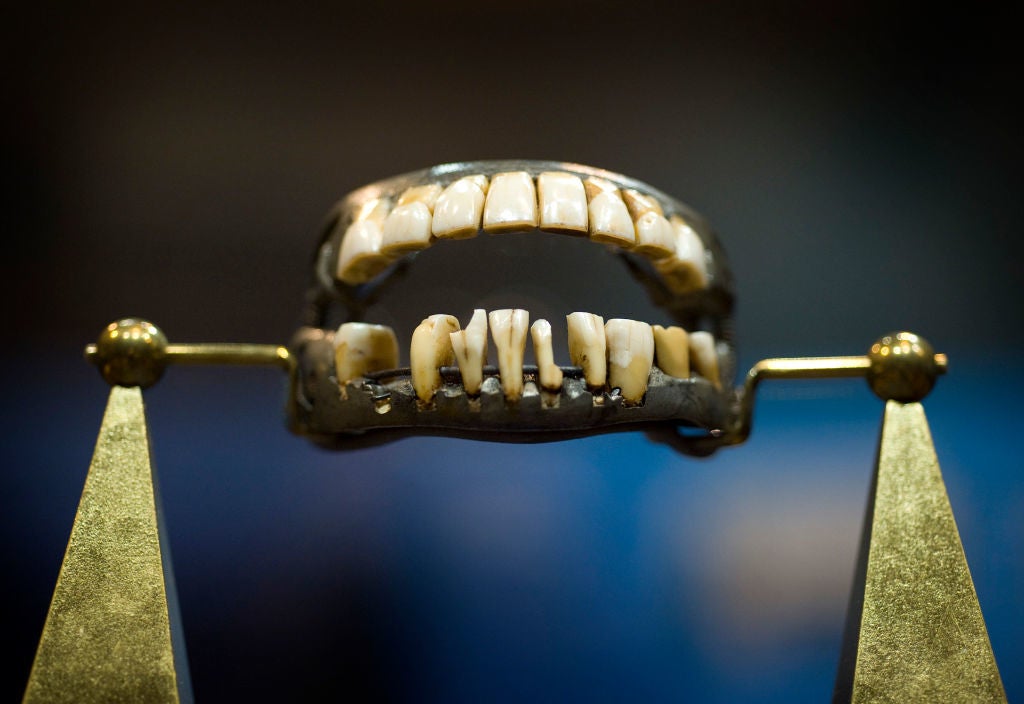
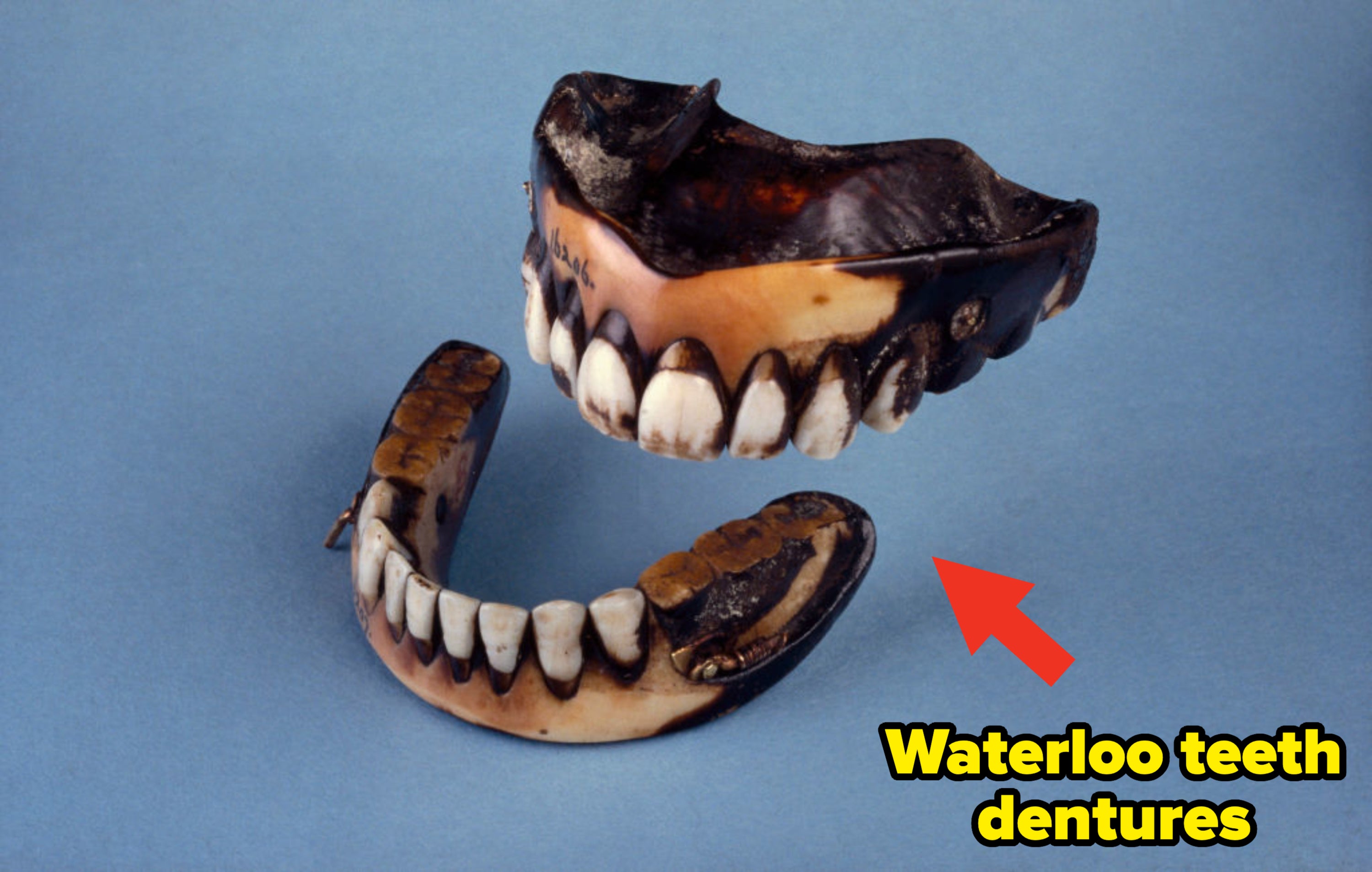
The dentures are on display in the museum located at Mount Vernon, Washington's former home and plantation located in Fairfax County, Virginia.

Real teeth were in such demand, in fact, that many poor people sold their teeth right out of their mouths.

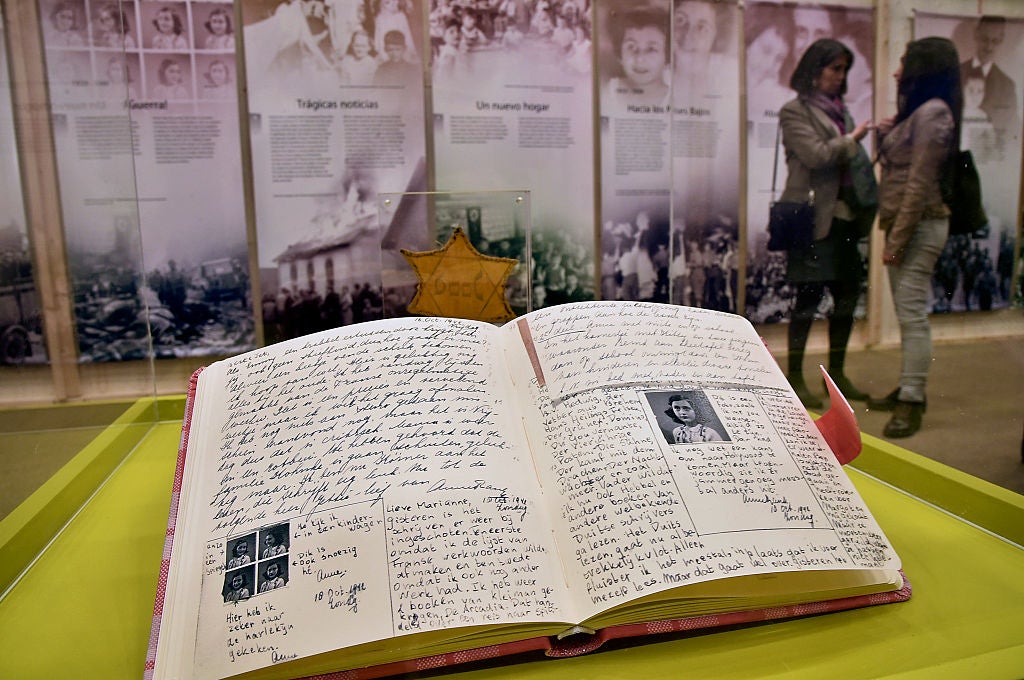
The Diary of a Young Girl (commonly referred to as The Diary of Anne Frank) has sold over 30 million copies in 70 languages.

You can see her original diary at the Anne Frank House in Amsterdam, Netherlands.

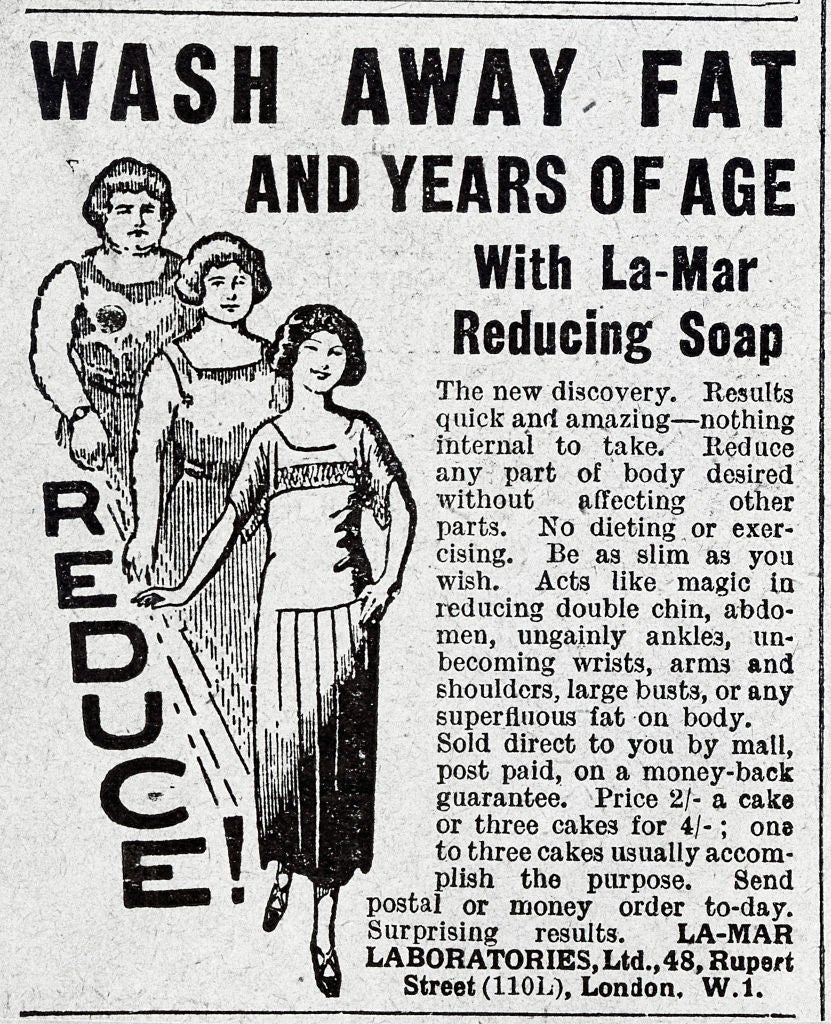
"No diet or exercising. Be as slim as you wish. Acts like magic...!"

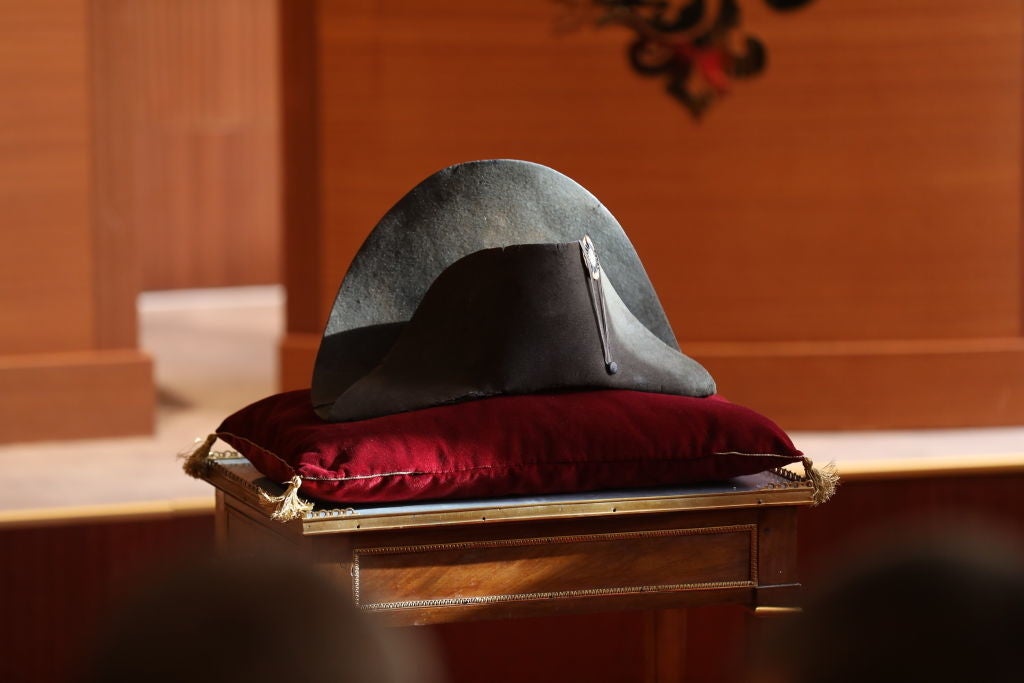
The hat seen above sold at auction for 1.9 million euros in November 2023 to an unidentified private collector, but another one of Napoleon's hats can be seen on display at the Deutsches Historisches Museum in Berlin, Germany.

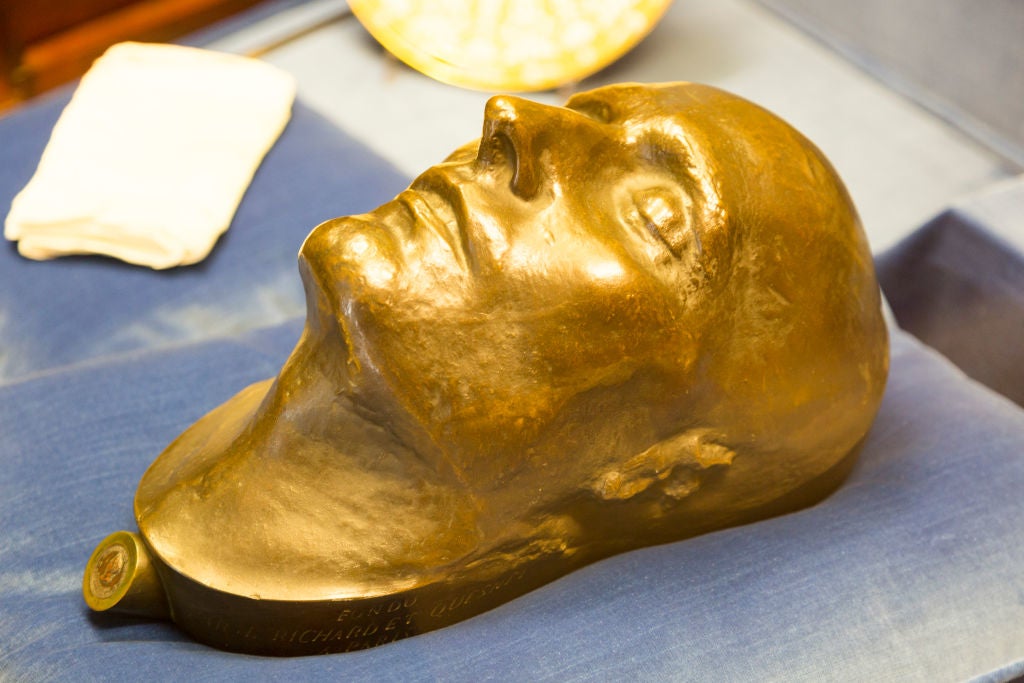
Because Napoleon died on the remote island of St. Helena, there was a mad rush to create the materials needed to cast his face. This delay meant the mask wasn't made until a day and a half after his death, and as a result, decomposition had already set in. This explains the sunken eyes, hollowed cheeks, and relaxed look.

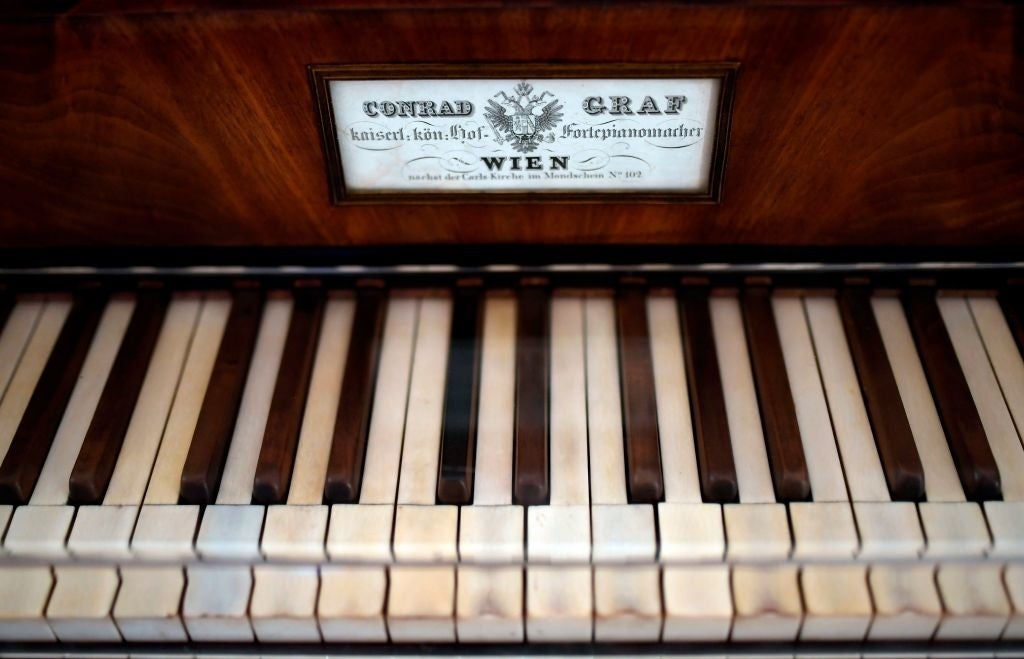
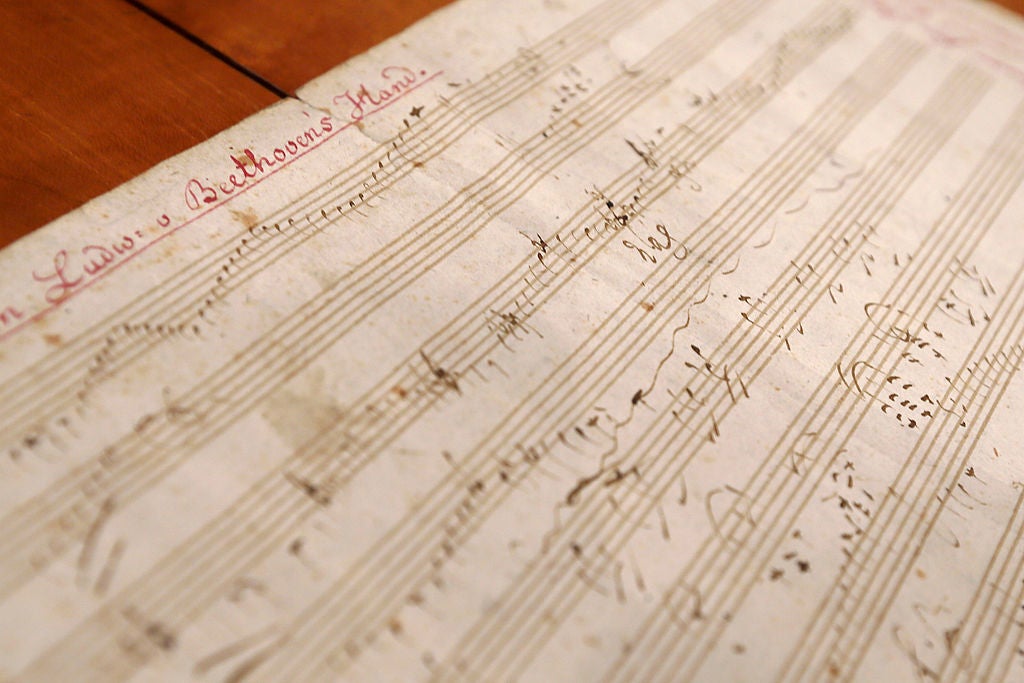
Beethoven commissioned this piano to be specially made so that he could hear it even though he was almost entirely deaf. Unfortunately, it didn't work as hoped, but it likely was used in some way in the composition of his final works.

You can view it at the Beethoven House (the museum in his birthplace) in Bonn, Germany.

The unpublished work was sold on Oct. 16, 2012, at Sotheby's auction house in Paris for $331,000.

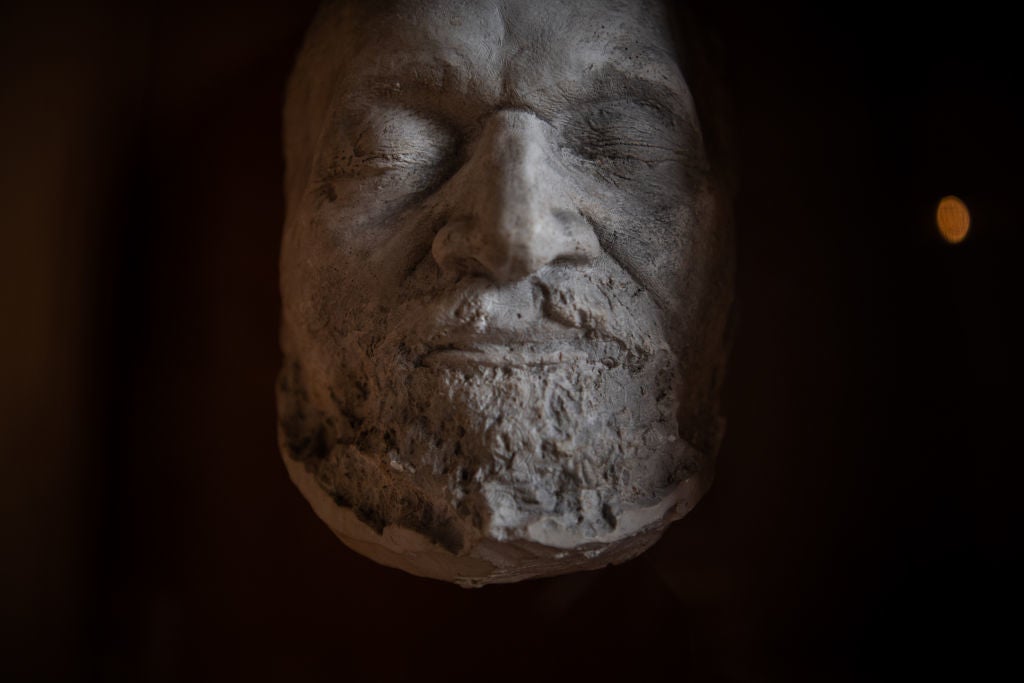
Douglass died of a heart attack on Feb. 20, 1895, after attending a meeting of the National Council of Women. He was 77.

Sculptor Ulric Dunbar came to Douglass's Washington, DC home the day after his death and created this death mask.

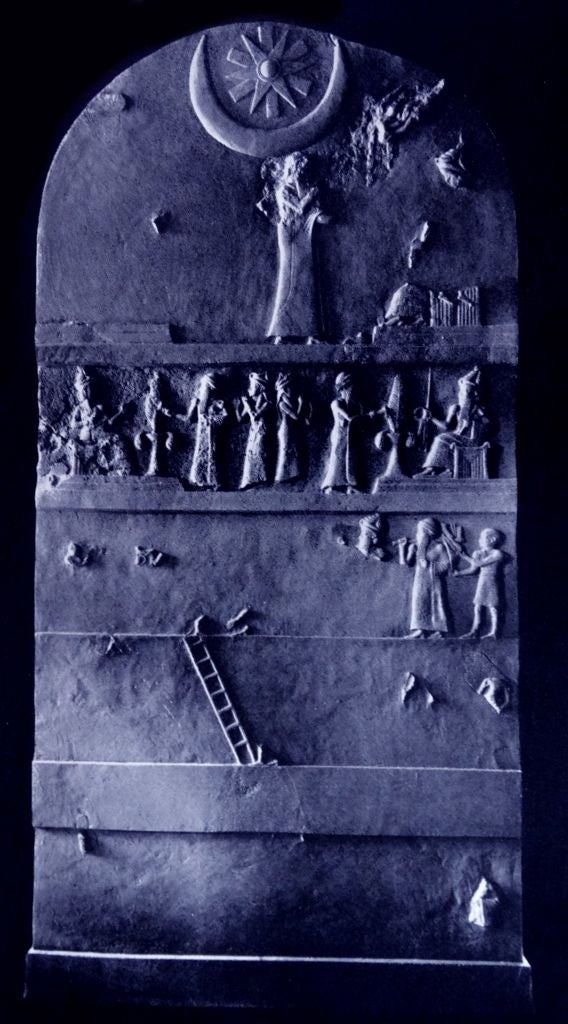
It was written by a Sumerian king and covered, among other things, protection of property, family law (to divorce, a man was required to pay a kind of spousal support), and punishment for false allegations.

The Queen of the United Kingdom of Great Britain and Ireland called her wedding day "the happiest day of my life."

The dress is part of the Royal Collection Trust, and has been displayed at Kensington Palace and the Museum of London.

With an estimated population of 200,000–300,000 inhabitants, Tenochtitlan was larger than London (which only had 50,000–70,000 people), and Paris (about 200,000).

Tenochtitlan's infrastructure was better, too, with advanced aqueducts, causeways, floating agricultural fields, and even efficient waste management systems.

The notebook isn't on permanent public display, but Gates has allowed it to be displayed at various museums and institutions around the world.

Before the Federal Food and Drugs Act of 1906, people could put absolutely anything in their products, which led to things like this.

The armor — which was designed to accommodate the king's expanding waistline — can  be seen at Windsor Castle in Berkshire, England (20 miles away from Buckingham Palace).

Entrepreneur Robert P. McCulloch bought the bridge in 1968, dismantled it, and then shipped it piece by piece to the US and reconstructed it as a tourist attraction.

The brothers flew 3,000 feet above Paris for a distance of about 5.6 miles. After 25 minutes, the balloon landed safely outside the city.

You can see the vehicle at the Alcatraz East Crime Museum in Pigeon Forge, Tennessee.

You can see these at the Florence Nightingale Museum in London, England.

The world's first successful airplane can be seen in person at the National Air and Space Museum in Washington, D.C.

The glasses of Dahmer — who murdered 17 boys and men and often ate their corpses — are on display at the Alcatraz East Crime Museum in Pigeon Forge, Tennessee.

You can see the outfit at the Smithsonian's National Museum of American History in Washington, DC.

 It's on display in Stockholm if you're ever in the area!

The band members — John Lennon, Paul McCartney, George Harrison, and Pete Best (who would be replaced by Ringo Starr) — passed these cards out to prospective bookers. Notice that the manager on the card is Alan Williams and not the Beatles' famous manager Brian Epstein, who wouldn't even hear of the group for another year and a half.

You can see this card at the Liverpool Beatles Museum in Liverpool, England.

You can see it IRL at Elvis Presley’s Memphis, a museum at his former home, Graceland, in Memphis, Tennessee.

You can see these IRL at the Museum of London. Here's a cool article on the sandals and why they're so well preserved.

The 16th century German Imperial Knight Gottfried "Götz" von Berlichingen famously went into battle using a prosthetic hand much like the one above.

The small writing desk is on display at Jane Austen's House — the former home of Austen and now a museum dedicated to her — in Hampshire, England.

Austen likely chose the unassuming desk because she was private about her writing and didn't want those outside her orbit to suspect she was a writer.

The glass plate seen above is on display at the Mütter Museum in Philadelphia, Pennsylvania.

The bread was found during the excavations in Pompeii.

Chaplin famously played "The Tramp," a good-hearted but bumbling and mischievous vagrant, in classic movies like The Kid and Modern Times.

You can see these items at Chaplin's World, a Chaplin museum in Switzerland located in the home where he and his family lived from 1952 to 1977.

The jersey of the baseball legend — who broke the color barrier in 1947 and became the first Black person in Major League Baseball — is viewable at the National Baseball Hall of Fame and Museum in Cooperstown, New York.

Shakespeare grew up in this home with his father (a glove maker), mother, seven siblings, and a rotating number of apprentices. When his father died, Shakespeare inherited the place.

You can tour the home — which is made to look like it did in Shakespeare's time — in Stratford-upon-Avon, England.

People in Japan started using fans as early as the 6th century (if not earlier).

The ad promised to strengthen the heart, lungs, and other major organs, cause weight loss, improve muscle gain, and even cure diseases.

 In response to ads like these, the Federal Trade Commissions Act of 1914 penalized advertisers for lying about their products.

The will is on display and open for all to see at the National Archives in Kew, England.

The acclaimed Mexican painter was injured in a bus accident at the age of 18, which led to lifelong medical issues.

These aids can be seen at the Casa Azul (Kahlo's former home and present museum dedicated to her life and art) in Mexico City.

The studio includes Kahlo's paints, easel, wheelchair, and books.

You can enter and observe the room at the Casa Azul in Mexico City.

It can be seen at the Hemingway Home and Museum, a Key West, Florida museum located in the home where he lived from 1930 to 1940.

The ring is kept at Chequers, the British Prime Minister's country home, which is not open to the public.

There's debate about whether the mask belongs to Shakespeare (with some believing it is more likely to be that of English poet Ben Jonson). However, German eye specialists and forensic experts tested it in the '90s and concluded that it is indeed Shakespeare's.

This lamp used olive oil, and the wick burned in the hole in the big toe, if you're wondering. It was discovered in London when they were digging for the subway line.

You can see it at the National Museum of African American History and Culture.

The lyrics failed to sell at a 2005 Christie's auction and then were put up for auction again in 2010 at Bonhams with an expected sale price of £250,000–£350,000. If they sold, the news doesn't appear to have been made public. Either way, the lyrics seem to remain in a private collection.

It worked a lot like modern vending machines — you inserted a coin, pushed down a lever, and got your soda...I mean holy water!

The civil rights giant often stayed in Room 306 at the Lorraine Motel when he was in Memphis, and his trip there in early April 1968 was no different.

You can see the room just as it was on Dr. King's final day at the National Civil Rights Museum (which was built in and around the Lorraine Motel).

In the simple room you can see his walking stick, glasses, spinning wheel, sandals, utensils, a rough stone for washing, a simple mattress on the floor, and a low wooden desk.

You can see the room at the Gandhi Smriti Museum in Delhi, India.

The inventor of basketball typed the 13 original rules for the game on two 10-by-8-inch pages and signed them (he also wrote "Basket Ball" atop the first page).

The rules were bought at auction in 2010 for $4.3 million by David and Suzanne Booth, who put them on public display at the DeBruce Center on the campus of the University of Kansas.

You can see these and more items from the tomb at the Egypt Museum located in Cairo, Egypt.

A patient gifted Freud the famous couch in 1890, and Freud used it for the rest of his career in Vienna and London.

The couch can be seen at the Freud Museum London, located in his final home in London, England.

The straitjacket — which no one knew about until it appeared in an episode of Pawn Stars — was sold in 2011 at a Christie's auction to a private buyer for $46,980.

The one-time Queen of Scotland was 44 when she was beheaded on Feb. 8, 1587, for her role in a plot to overthrow her cousin Elizabeth I, the Queen of England and Ireland.

Her lock of hair, mounted on top of a jewelry box, sold at auction in 2008 for £7,200.

You can see it at the Royal Society in London, England.

You can see it in person at the Galileo Museum of History and Science, in Florence, Italy.

The official name of the container above is a poporo, and was meant to hold lime often used for religious ceremonies.

The Quimbaya people had a lot of gold, and made stunningly beautiful and sophisticated items. Here's an article to read if you want to learn more about their goldworking.
Comments
You must be logged in to comment.