yahoo Press
Billionaire trader says prediction markets 'harm young men'
Images

1 / 5
2 / 5

3 / 5

4 / 5
5 / 5
Earlier this week, a report said that prediction markets for sports events are set to reach an estimated $1.1 trillion annually, according to Bank of America Corp.

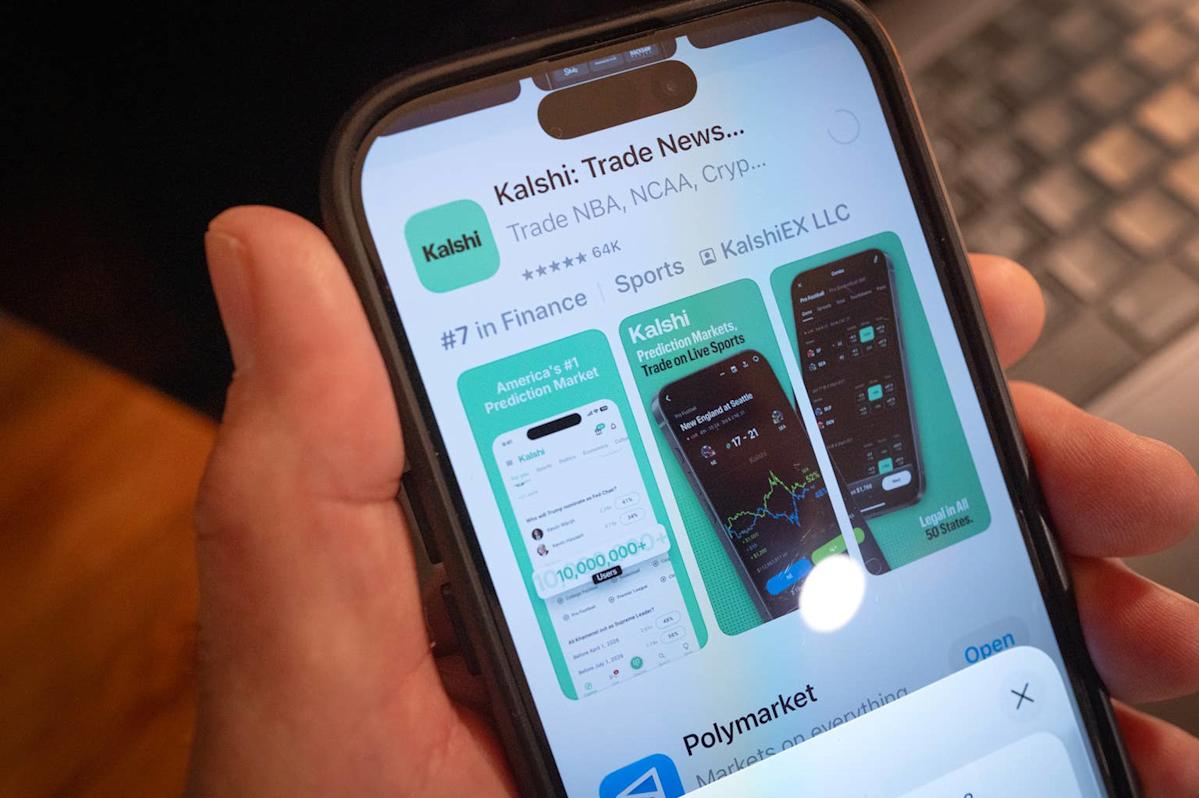
While some view this as a breakthrough for individual investors, others see a growing crisis. John Arnold, a former energy trader who became one of America’s youngest billionaires, is now warning that these platforms are designed to lure young men into a cycle of debt and addiction.

The debate isn't about whether people should be allowed to trade, but how these apps are built. Traditional gambling used to require a physical trip to a casino or a specific website.

Today, modern platforms link directly to bank accounts and allow users to place dozens of wagers in seconds.

Arnold points to "parlay" bets—where multiple wagers are combined—as a primary concern.

Related: JPMorgan says CLARITY Act nearing finish line as talks advance

“It’s not like you’re doing one bet, you’re doing 20 bets at a time,” he explained in a Bloomberg interview.

He argues that the seamless nature of mobile apps makes it too easy for "irresponsible play" to take over. This ease of use has even reached children. Arnold noted that his own teenage son asked about these accounts after seeing classmates bypass age restrictions.

"The sites have, deliberately or not, created a pathway for teenagers to get accounts and start gambling heavily," Arnold said.

The rapid growth of these markets has split the financial industry.

JPMorgan has stark message for investors on market weakness

New report reveals nearly 40% of Americans have less than $500 in savings

Wall Street legend's firm reports $3.8 billion in quarterly loss

Arnold is not calling for a total ban on prediction markets. He believes wagers on geopolitical events—like the length of the Iranian ceasefire—provide useful signals for businesses to manage risk.

Because these events take days or weeks to resolve, they lack the "instant hit" of sports betting.

However, he is urging the U.S. Congress to pass bipartisan legislation that would stop federal agencies from listing "casino-style" games. In the meantime, his foundation is committing $4 million this year to study the mental health and social impacts of this trend.

For Arnold, the issue is personal: he has seen the extremes of the problem, noting that a close friend recently took his own life due to gambling debts.

As the $1.1 trillion market continues to grow, the mission is now to ensure that digital innovation doesn't come at the cost of the next generation's financial and mental health.

Related: U.S. government moves seized assets ahead of Iran's Hormuz announcement

This story was originally published by TheStreet on Apr 17, 2026, where it first appeared in the MARKETS section. Add TheStreet as a Preferred Source by clicking here.
Comments
You must be logged in to comment.