aljazeera Press
Australia scrambles to secure energy as war on Iran fuels uncertainty
Images
1 / 7
2 / 7
3 / 7
4 / 7

5 / 7

6 / 7

7 / 7
Heavily dependent on imported oil, Australia looks for quick fixes from regional diplomacy to free trains, but it may be homeowners and island neighbours driving the change that is really needed.

Save

Share

Melbourne, Australia – A multimillion-dollar advertising campaign encouraging Australians to save fuel for “our truckies” is just one of the ways the government is trying to address shortages caused by the war on Iran.

Since early March, the Strait of Hormuz, through which 20 percent of the world’s oil and liquefied natural gas (LNG) supplies are shipped during peacetime, has been effectively closed and shipping traffic has fallen by 95 percent.

Australia’s heavy reliance on oil refined in South East Asian countries which, in turn, import crude oil through the Strait of Hormuz has seen the government turn to “fuel diplomacy” and fuel tax cuts to try to limit price shocks.

But experts told Al Jazeera that such measures are little more than “sugar hits” which will do little to address longer-term problems associated with Australia’s heavy reliance on fossil fuels.

Australia imports about 80 percent of the refined fuels it needs, much of it from “regional refining hubs such as Singapore, South Korea and Malaysia, which in turn depend on crude oil imports from the Middle East”, said Hussein Dia, professor of transport technology and sustainability at Swinburne University of Technology in Melbourne.

“While some Asian economies may face more immediate exposure, Australia remains structurally vulnerable due to its reliance on imported refined fuel and extended supply chains,” Dia told Al Jazeera.

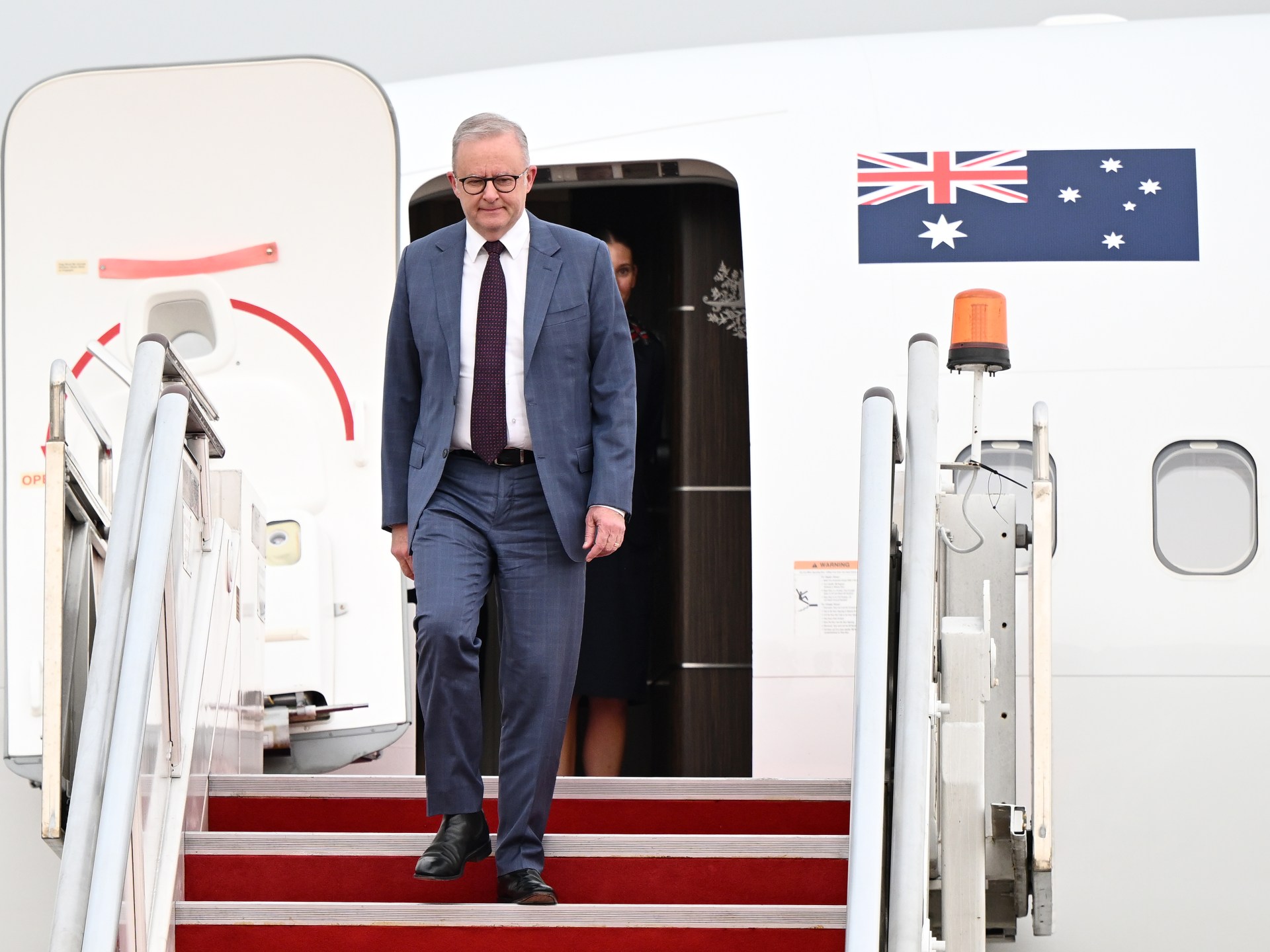
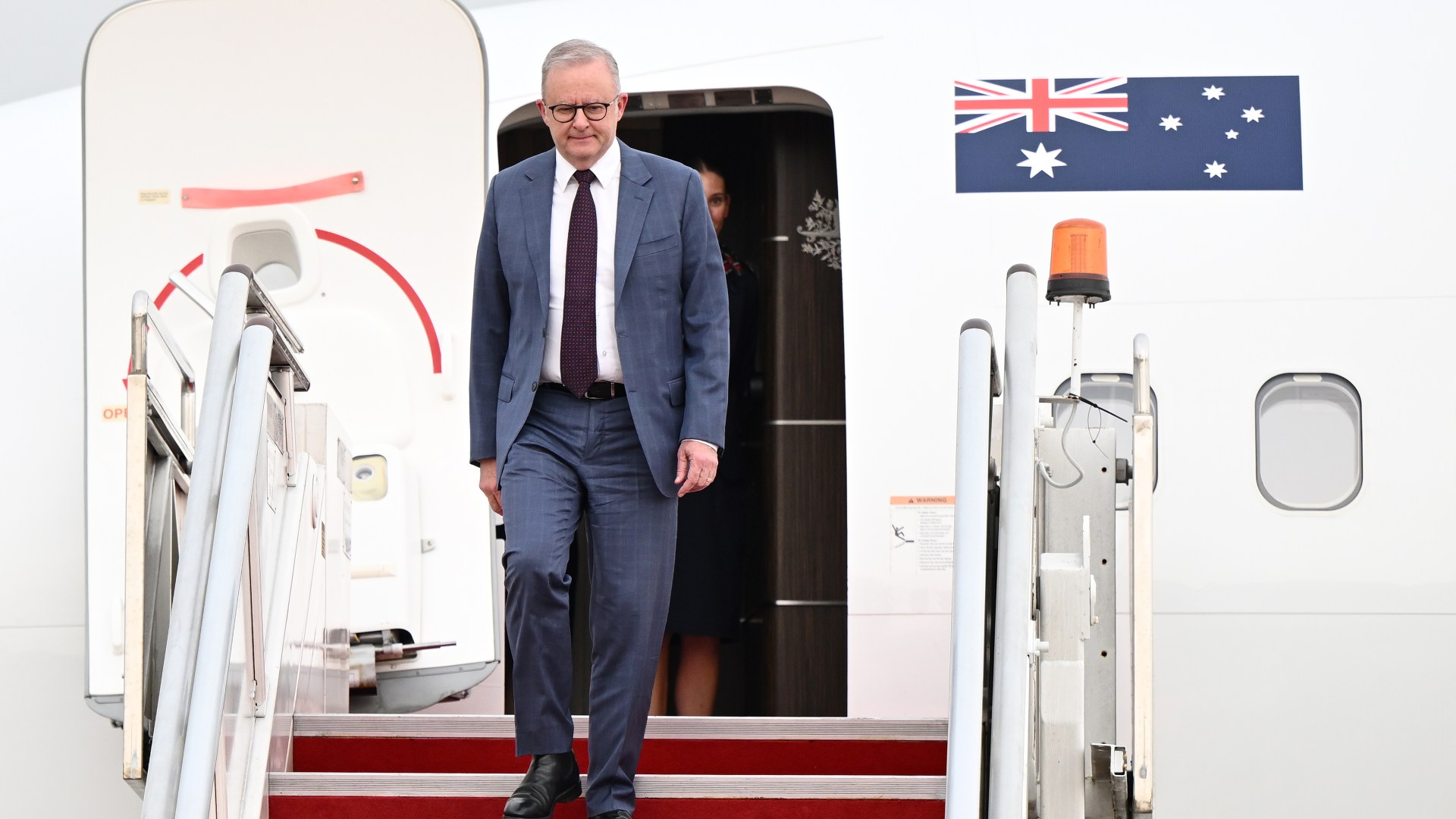
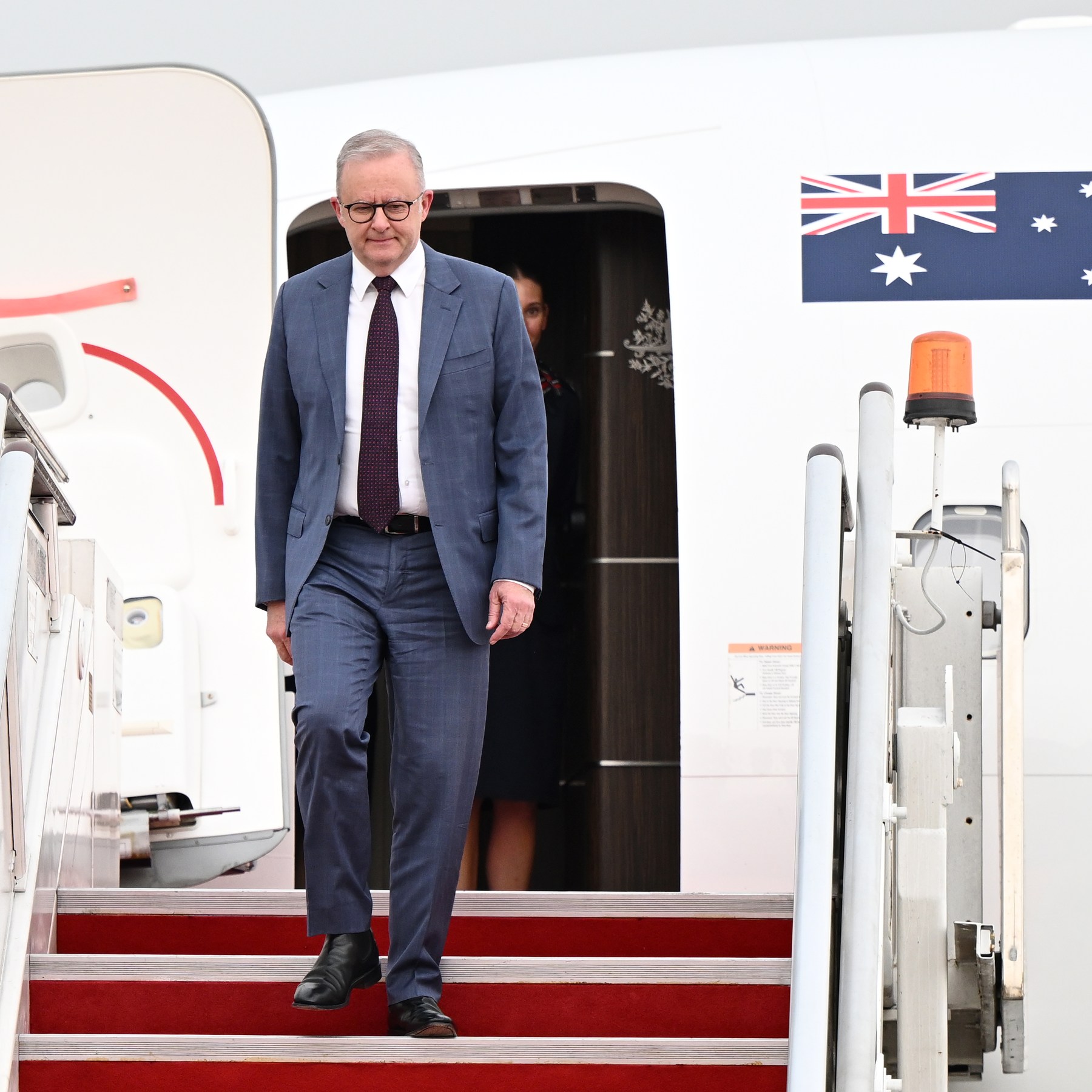
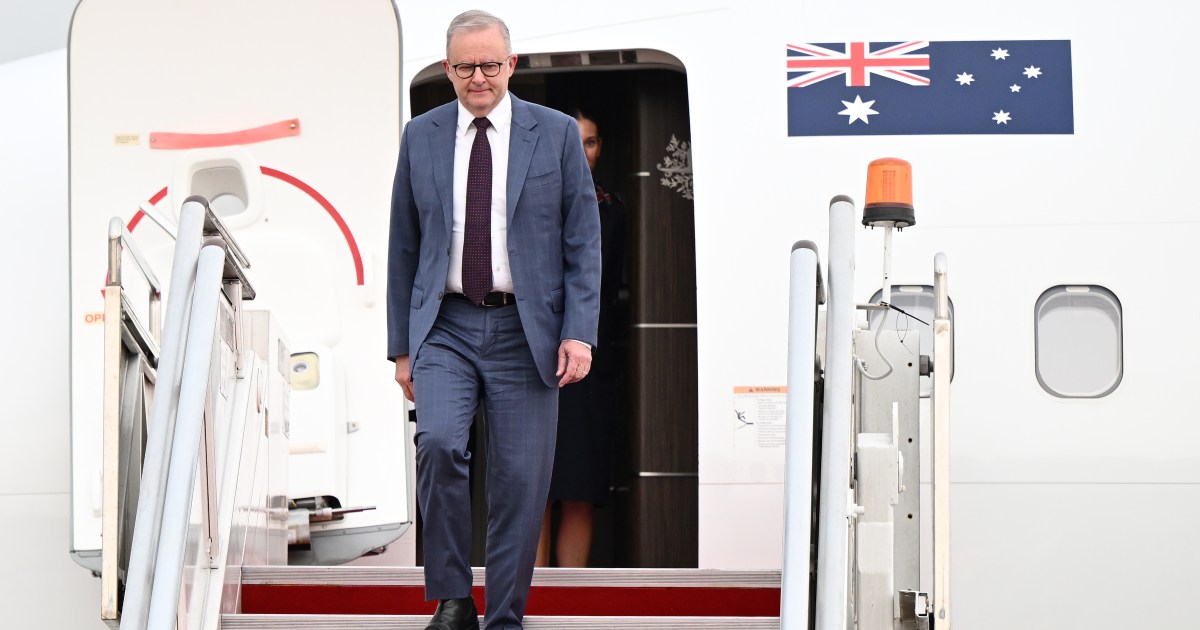
In a bid to bridge this gap, Australia’s Prime Minister Anthony Albanese has turned to “fuel diplomacy”, said Dia, with recent visits to Singapore, Malaysia and Brunei, where he has been trying to shore up the supply of fuel and fertiliser.

As a major exporter of LNG and coal, Australia has some leverage in these negotiations, said Tim Buckley, director of think tank Climate Energy Finance (CEF).

But, he added, it is notable that Australia’s position is very different to that of its historic ally, the US, which is not as dependent on oil exported through the Strait of Hormuz.

“We don’t get any of our oil from the US,” Buckley told Al Jazeera.

“I would put absolutely no reliance on our historic alliance with America as to helping Australia sail through this crisis,” he added.

“America has started the war. America had no plan”.

At home, the Albanese government has sought to ease the burden of rising petrol prices on consumers by halving a federal tax on fuel.

Yet while many Australians primarily view the widespread consequences of the regional war through the lens of prices at the petrol pump, experts told Al Jazeera that cutting fuel taxes will not address the longer-term issue of Australia’s reliance on imported refined oil.

The policy is a “sugar hit” that could prove “counterproductive”, said Ketan Joshi, a freelance writer and senior research associate at the Australia Institute.

“Subsidising fossil fuels during a crisis where fossil fuels are becoming expensive has a very perverted effect, where you end up increasing reliance on the thing that is most acutely causing the pain in society.”

Elected in the wake of devastating bushfires in 2019-2020, the Albanese Labor government promised to make Australia a “renewable energy superpower” after years of conservative governments digging their heels in on fossil fuels.

Yet, according to Dia, electric vehicle (EV) sales in Australia have remained relatively low at around 10 percent in recent years, “compared to much higher shares in countries such as China”.

“While EV uptake is increasing, the transport system remains overwhelmingly dependent on liquid fuels,” Dia said.

To try to reduce demand for petrol, the Australian states of Victoria and Tasmania offered free public transport from the beginning of April, alongside Queensland, which is already offering low-cost fares of 50 cents ($0.36).

New South Wales announced plans this week to invest $100 million in EV chargers.

A fire at the crucially important Geelong Oil Refinery in Victoria this week has reminded policymakers that Australia’s domestic supply of refined oil is provided by just two facilities, both more than 50 years old. Geelong is the largest, producing 120,000 barrels of refined oil per day; the other is the Ampol Lytton Refinery in Brisbane, Queensland.

The fire, which burned for several hours at Geelong – coinciding with the energy crisis – prompted Australian Energy and Climate Minister Chris Bowen to cancel next week’s trip to the world’s first conference on phasing out fossil fuels in Santa Marta, Colombia.

Bowen recently told reporters in Canberra that, unlike oil, “the Australian sun cannot be interrupted by a war or anything else”.

“The solar energy has to travel 150 million kilometres from the sun. It doesn’t have to travel the 150 kilometres of the Strait of Hormuz.”

While France announced last week that it will spend 10 billion euros ($12bn) a year to electrify its economy, and Australia’s neighbour, Indonesia, still reeling from recent floods, has pledged to increase solar energy output to 100 GW, Bowen has not recently announced any new investments in renewable energy.

This reflects a longer history in Australia where a relatively high uptake of solar has mainly been driven, not by central government policy, but by homeowners installing solar panels on their rooftops, often with subsidies from state governments.

With one in three Australian homes now with rooftop solar panels, four of Australia’s six states have announced that households will soon be receiving three hours of free electricity a day.

While not directly linked to the price shocks associated with the war, Joshi notes that the timing of these announcements is “incredible”.

“Increasing the integration of solar power into the power grid is directly significantly reducing gas use in Australia,” a commodity which saw significant price increases in Australia due to Russia’s invasion of Ukraine in 2022, Joshi added.

“Paired with batteries, solar power deployment in Australia is having a material reduction in the burning of gas, and also it is bringing about a long term systemic change” for when “the next crisis” occurs, Joshi said.

Bowen’s decision not to attend the Santa Marta conference comes despite his role as the president of negotiations at this year’s top climate change conference, COP31.

Australia had lobbied to host COP31 in part to try to improve relations with its Pacific island neighbours, who have long said that uncontrolled climate change poses an existential threat to their survival.

Like many other developing countries, Pacific islanders are facing dire consequences from oil and fertiliser price rises, with potentially worse consequences than those suffered by Australians. That includes the island nation of Tuvalu, which spends 25 percent of its gross domestic product (GDP) on fuel, and has declared a state of emergency.

Christiaan De Beukelaer, senior lecturer in culture and climate at the University of Melbourne, told Al Jazeera that oil price rises “gravely affect our Pacific neighbours, whose biggest worry is now to secure enough supply to keep basic services running”.

“Australia would do well to make significant efforts to reduce fuel demand, by opting for alternatives whenever and wherever available,” De Beukelaer added.
Comments
You must be logged in to comment.