yahoo Press
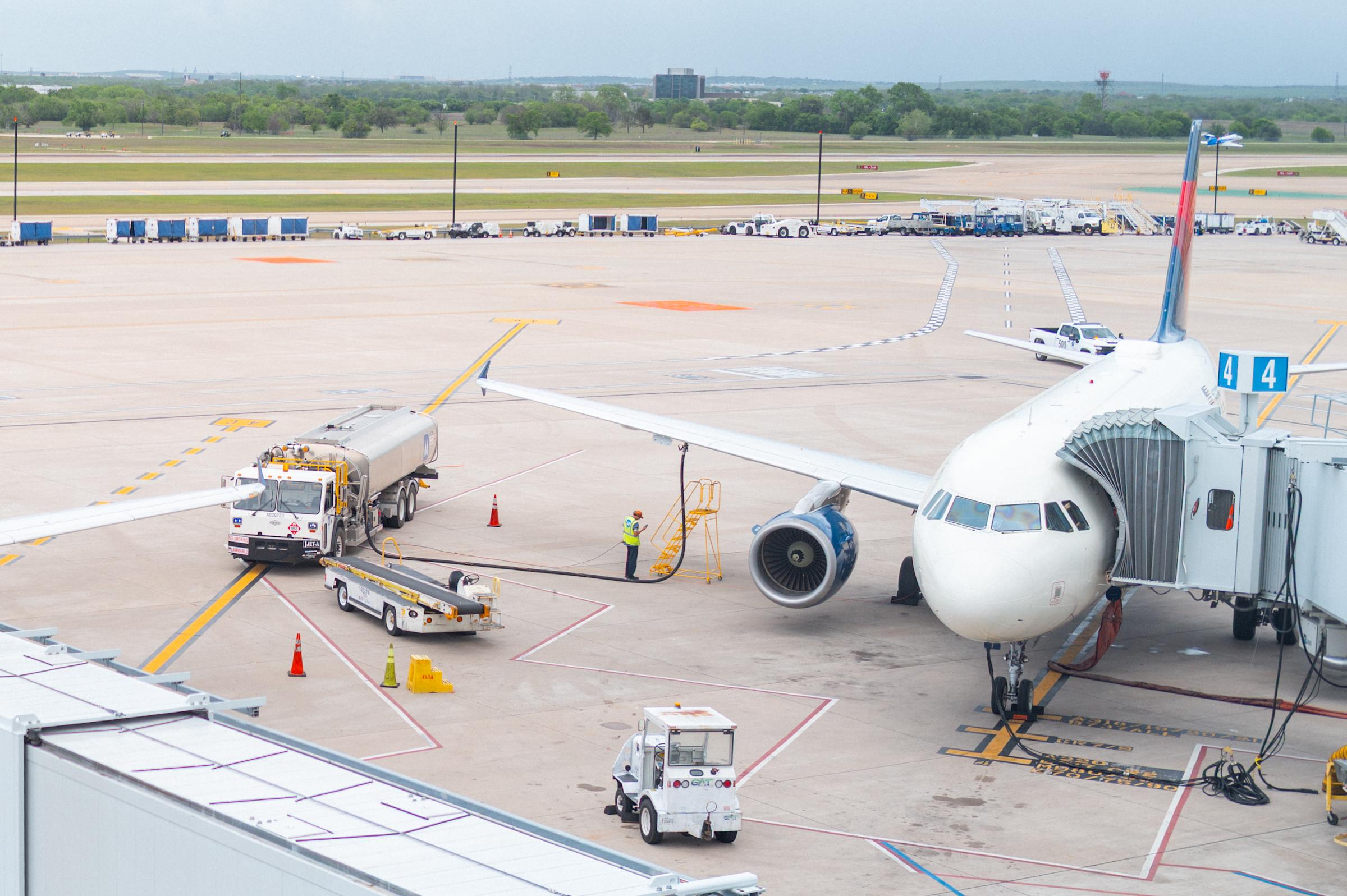
Europe is running out of jet fuel
Images
1 / 6
2 / 6

3 / 6

4 / 6

5 / 6

6 / 6
The executive director of the International Energy Agency said Thursday that Europe has “maybe six weeks of jet fuel left,” and flight cancellations are likely imminent.

In an interview with the Associated Press published Thursday, IEA leader Fatih Birol warned that the war in Iran and the subsequent commodity bottlenecks in the Strait of Hormuz have created "the largest energy crisis in history."

In his comments, Birol cited higher gasoline, diesel, and jet fuel costs, which are likely to continue rising as a long-term ceasefire agreement between the US and Iran and a reopening of the strait remain out of reach.

"It is going to have major implications for the global economy," Birol told the AP. "And the longer it goes, the worse it will be for the economic growth and inflation around the world."

Read more: How oil price shocks ripple through your wallet, from gas to groceries

In the US, gasoline prices have crossed $4 per gallon, while diesel prices have topped $5.60 per gallon, according to data from AAA. Jet fuel prices in New York, Chicago, Houston, and Los Angeles — some of the country's major air hubs — have surged to $4.69 per gallon as of Monday from just $2.50 before the war, according to pricing data from Argus Media.

The US has some insulation from Middle Eastern flows, as it imports much of its oil from Canada and Mexico and produces much of its refined products, such as gasoline and diesel, domestically.

European countries are much more reliant on crude oil and liquified natural gas (LNG) from the Middle East. Europe sources much of its refined products from India, but those supplies depend on crude oil reaching India from the Middle East.

Read more: $100 oil could send airfare soaring this summer. These tips could save you.

Those imports have sharply declined since the war began, leaving Europe to face a severe and immediate shortage of jet fuel, Birol said. He noted that he believes airlines could soon begin canceling flights due to a lack of fuel.

Birol added that poorer developing nations that are almost exclusively reliant on imported energy will also suffer harsher economic consequences.

That said, even given the likelihood for disproportionate impacts between nations and regions, Birol said, the stress of the world's largest energy supply shock will be universal.

"Everybody is going to suffer," Birol said. "Some countries may be richer than the others. Some countries may have more energy than the others, but no country, no country is immune to this crisis."

Jake Conley is a breaking news reporter covering US equities for Yahoo Finance. Follow him on X at @byjakeconley or email him at jake.conley@yahooinc.com.

Click here for in-depth analysis of the latest stock market news and events moving stock prices

Read the latest financial and business news from Yahoo Finance
Comments
You must be logged in to comment.