buzzfeed Press
12 “Unhealthy” Foods That Are Actually Perfectly Fine, According To A Dietitian
Images
1 / 16
2 / 16

3 / 16
4 / 16
5 / 16
6 / 16
7 / 16
8 / 16
9 / 16
10 / 16
11 / 16
12 / 16
13 / 16
14 / 16

15 / 16
16 / 16
You don’t have to avoid ice cream? Noted.

Jen is a writer for BuzzFeed based in New York.

• Jane Leverich, MS, RDN, a food writer and Pilates instructor in Denver, CO.

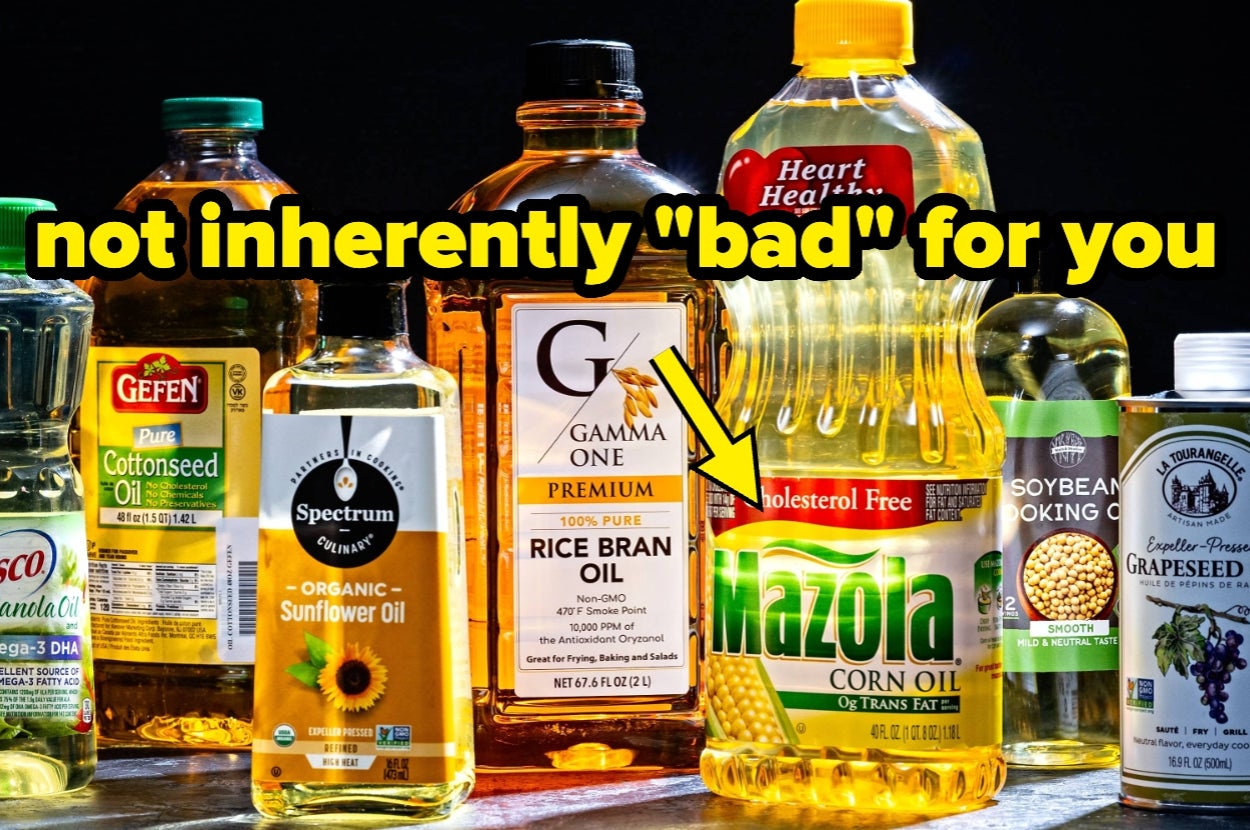
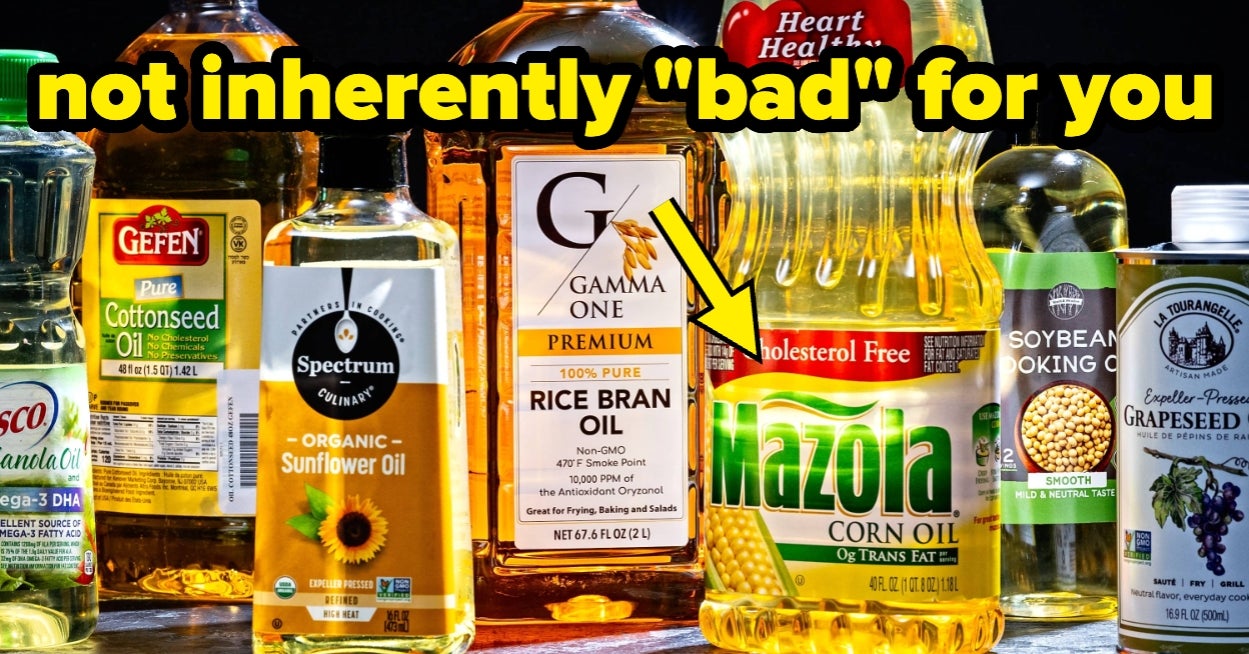
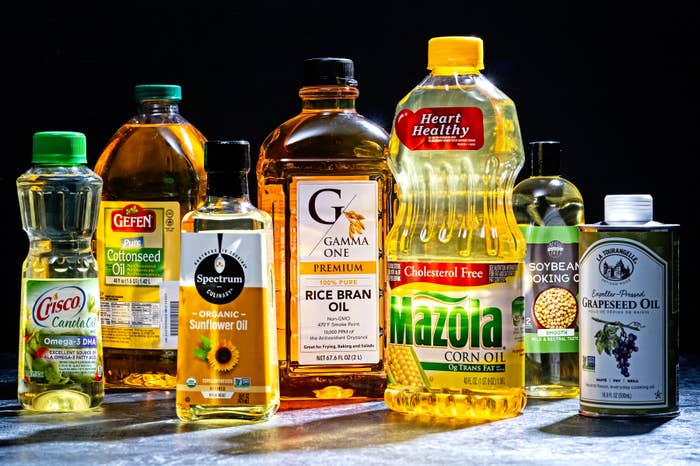
What do canola oil, corn oil, soybean oil, and sunflower oil have in common? They've all been subject to scrutiny by many health and wellness circles. Still, Leverich has thoughts: "Seed oils have become one of the most controversial foods in the media, but if you ask me, much of the concern is overstated," she told BuzzFeed. "While they’re commonly used in fried and ultra-processed foods because they’re inexpensive and have a high smoke point, that doesn’t make the oils themselves inherently 'bad.' In fact, many seed oils are rich in unsaturated fats, which can support heart health when used in moderation."

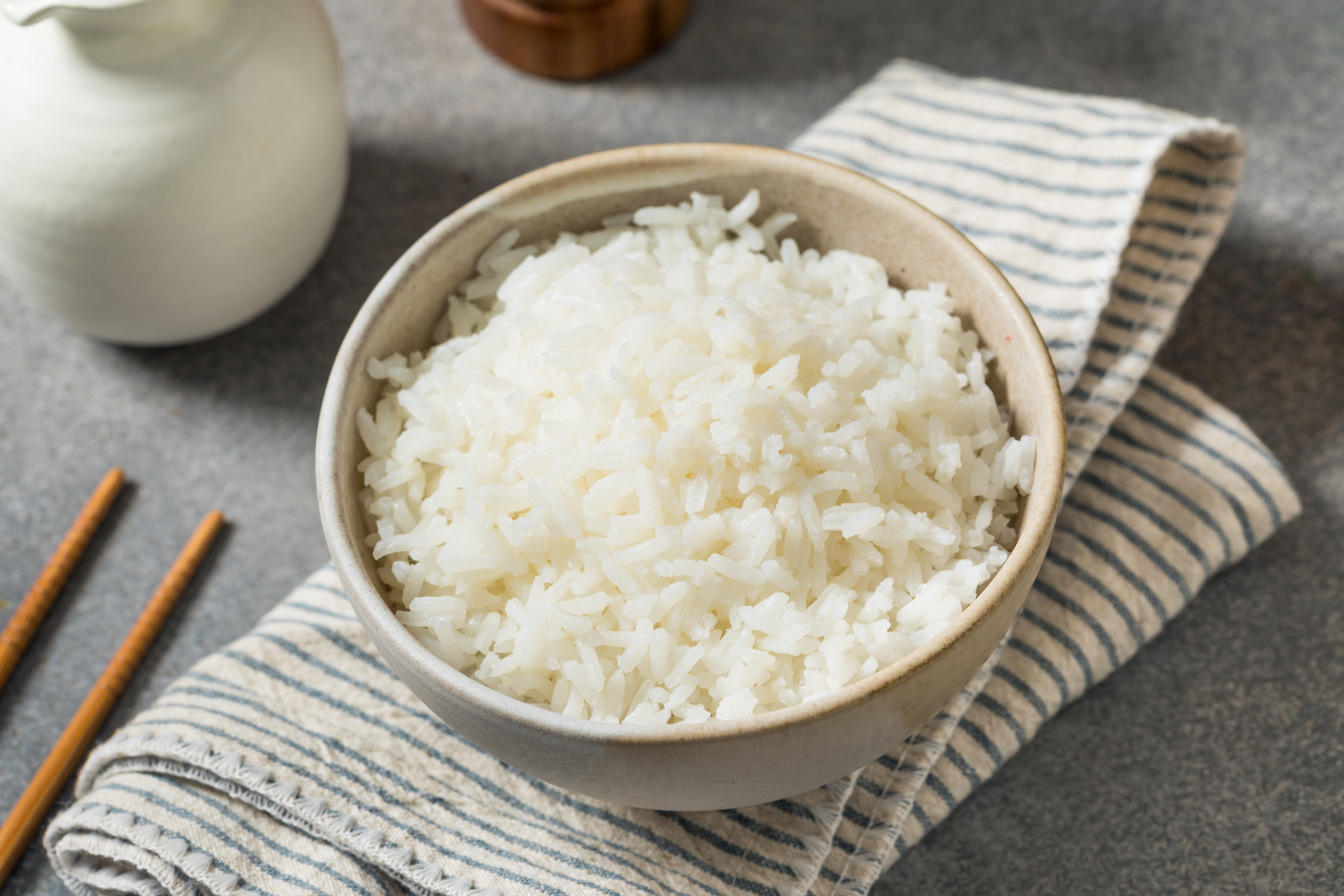
If, like me, you grew up eating white rice every day and were told later in life that the grain isn't the best for your health compared to other starches, Leverich's words may heal you. "While brown rice offers more fiber and micronutrients, white rice still has a place in a balanced diet — especially when you consider cultural relevance," she said. "Food is about more than just nutrition; it’s tradition, identity, and enjoyment. Rather than labeling white rice as 'bad,' I encourage people to think about balance: pairing it with fiber, protein, and fats, or incorporating both white and brown rice depending on preference and context."

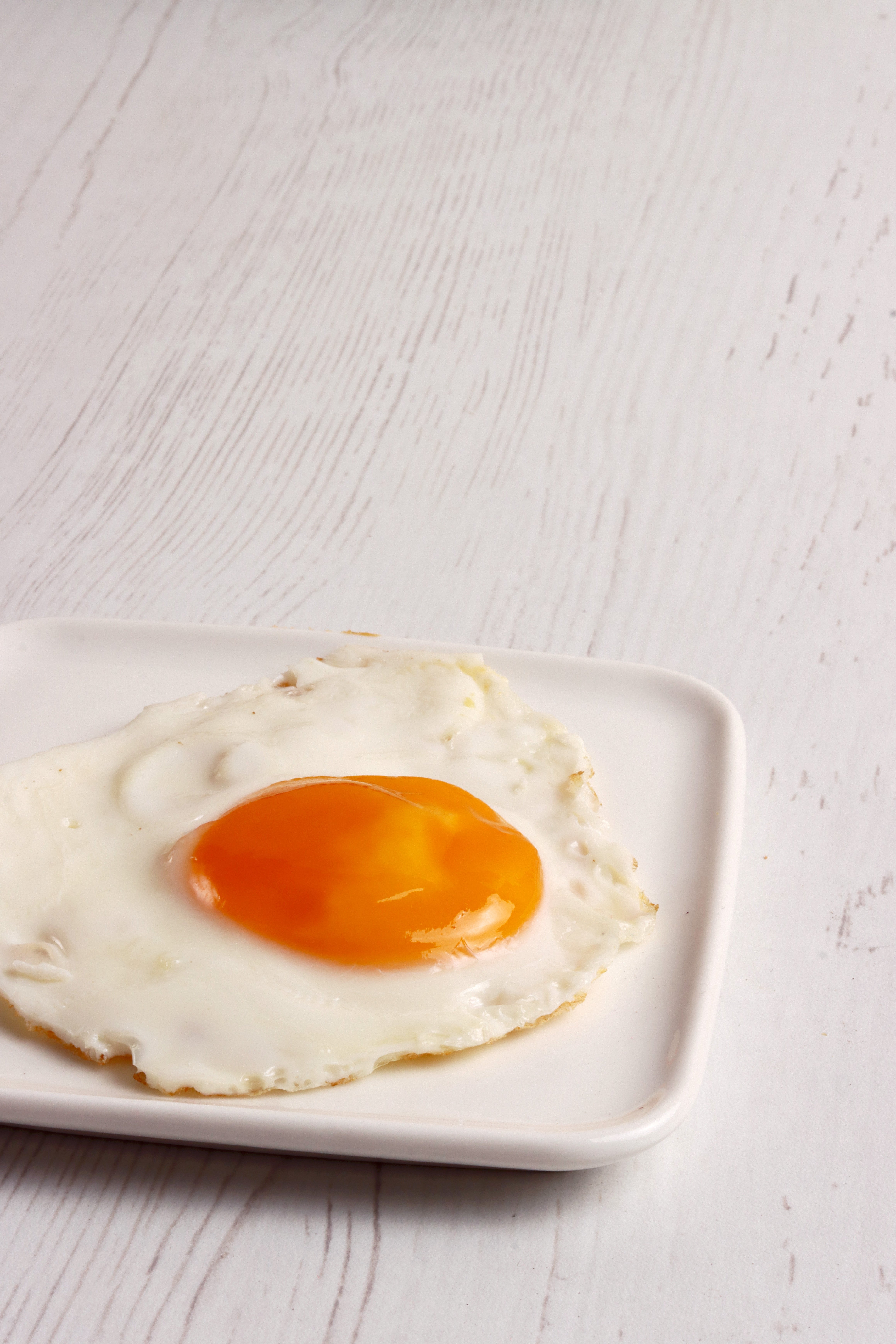
My grandmother is convinced that eggs are "bad for cholesterol," so I had to ask about this one. It turns out, "eggs are one of the most nutrient-dense, accessible foods available." Leverich explained that the food provides "high-quality protein, along with nutrients like choline and vitamin D, making them a valuable addition to most diets." And although eggs do contain cholesterol, she maintained that current research shows that "dietary cholesterol has a minimal impact on blood cholesterol levels" for most people. "That said, if you have high cholesterol, speaking with your healthcare provider about dietary changes is always a good idea," she added.

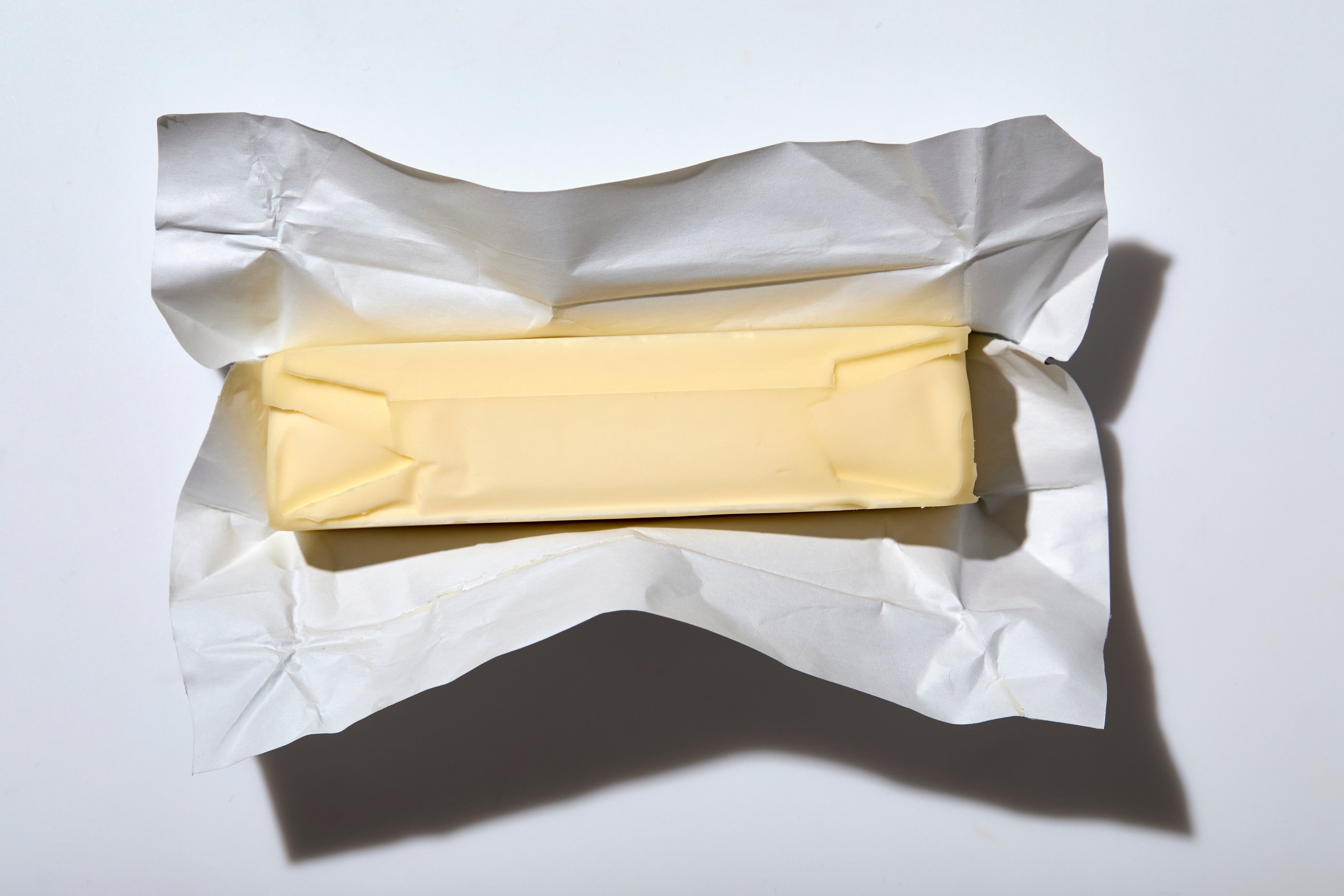
Of course, one of my favorite ingredients doesn't have the best reputation when it comes to health, but perhaps it's not as bad as we've been led to believe. "Butter often gets labeled as 'unhealthy' because it's high in saturated fat, but that doesn't mean it needs to be avoided entirely," Leverich said. "When used in moderation, it can absolutely be part of a healthful diet. I often frame butter as something to enjoy for flavor, while also incorporating unsaturated fat sources like olive oil more regularly to support heart health."

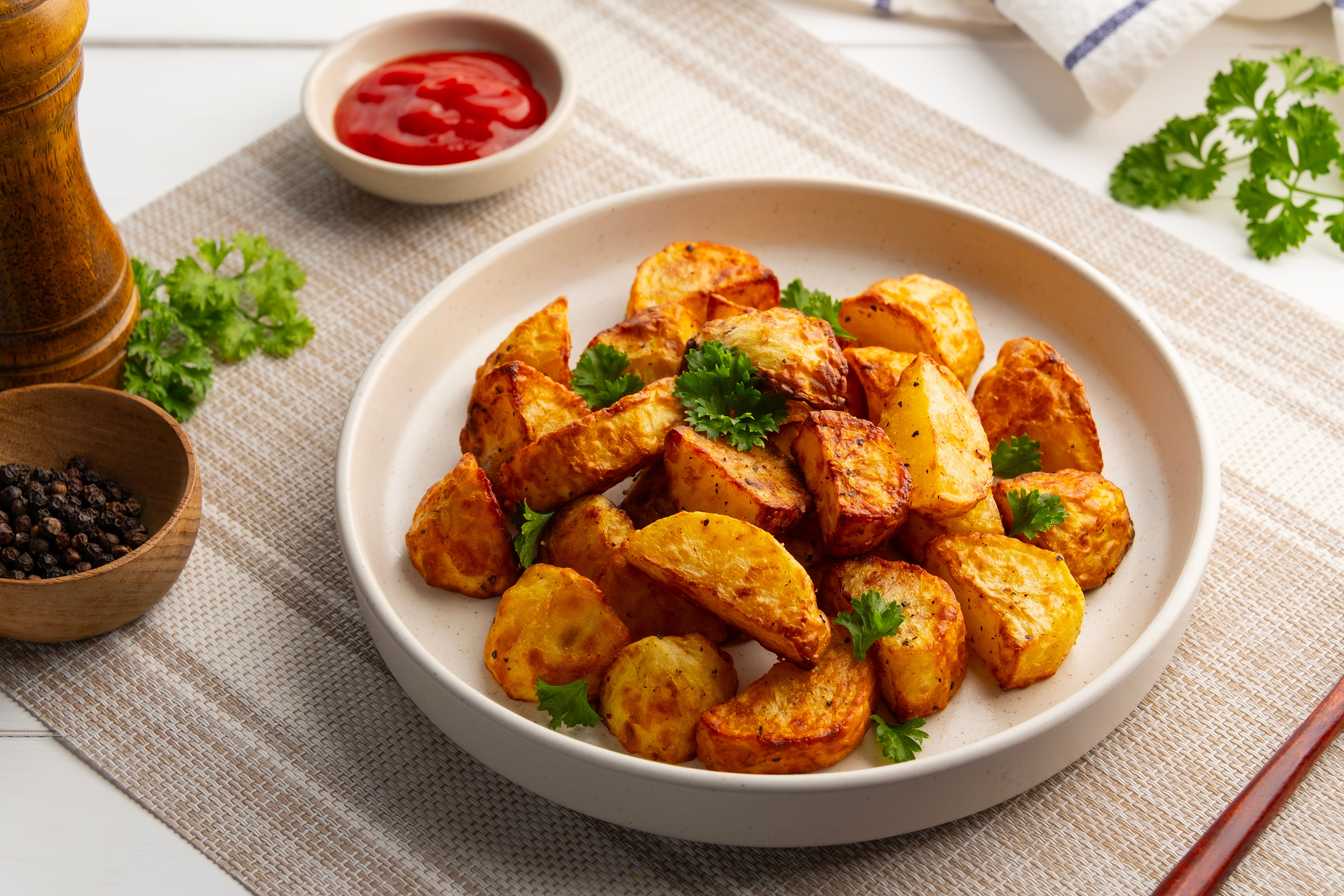
"Potatoes are frequently misunderstood," Leverich said. "Which is actually really unfortunate because they're rich in important nutrients like potassium, vitamin C, and fiber." And no, you don't have to avoid white potatoes. "The preparation method matters more than the potato itself," she explained. "A baked or roasted potato is very different nutritionally from deep-fried versions, so it’s helpful to shift the focus from the food to how it’s prepared."

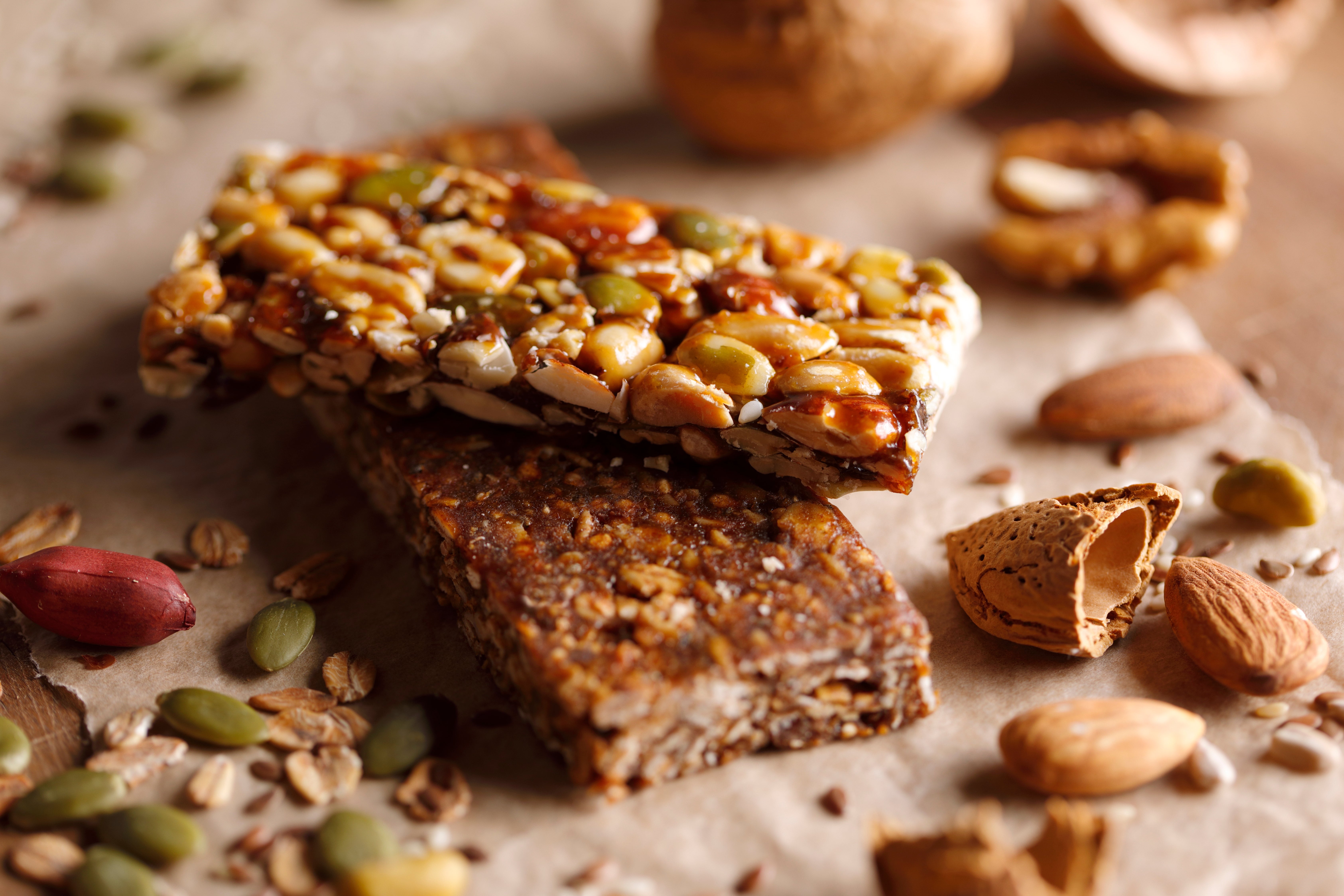
Just the other day, I saw a TikTok that dismissed granola bars as "pure sugar," and it seems that depending on which brand you buy, there could be some truth to that. "Granola bars can be a convenient option, especially on busy days, but the nutrition quality varies a lot," Leverich explained. "Some are closer to a balanced snack, while others resemble dessert." However, that doesn't mean you have to nix them from your diet altogether: "I recommend checking labels for added sugars and saturated fat, and looking for options that include fiber and protein to make them more satisfying," Leverich advised.

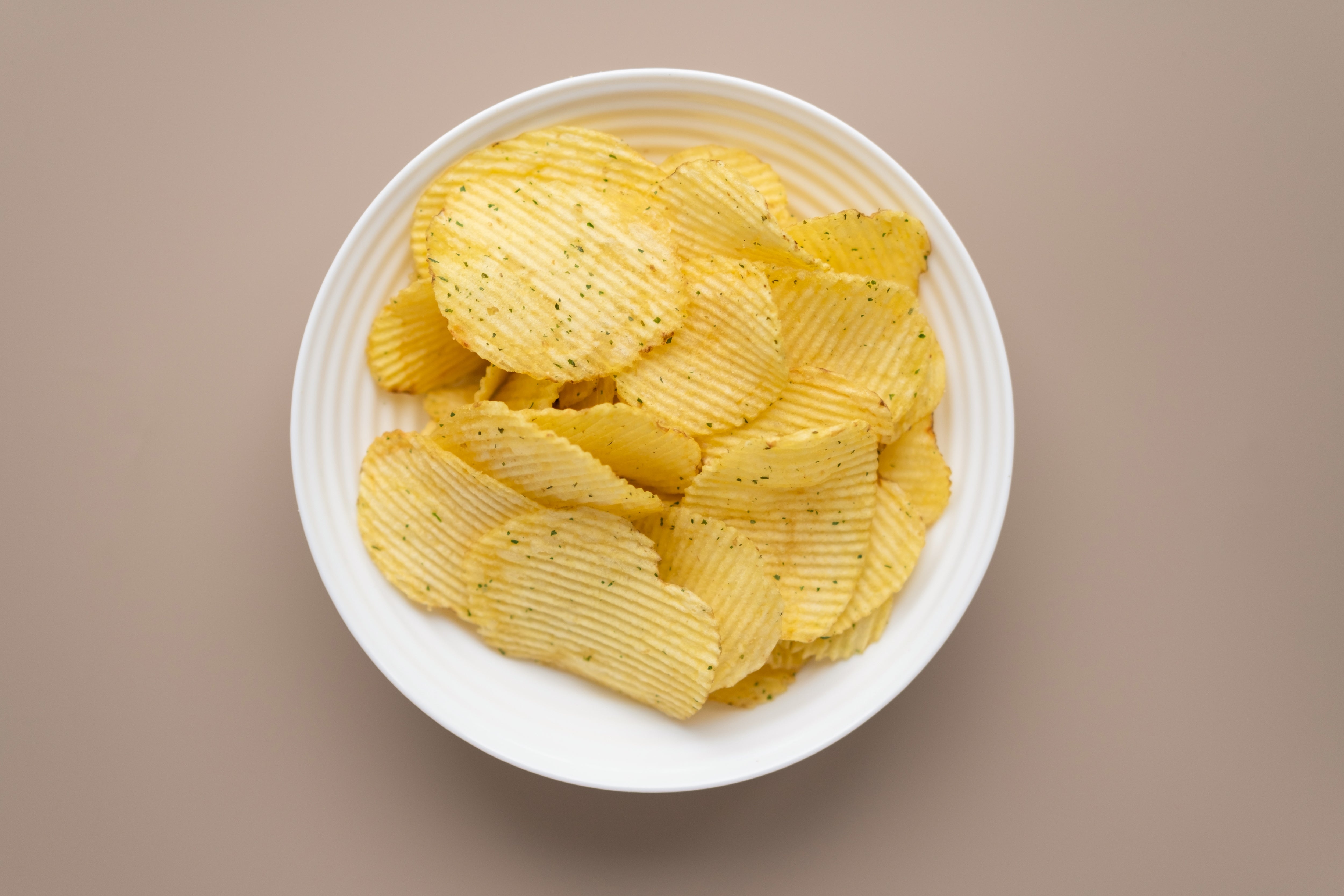
There's still hope for us chip lovers. "Chips are often labeled as 'junk food,' but they can still fit into a balanced diet pattern," Leverich said. (My Takis-loving self just let out a breath of relief.) However, like all things, it's important to practice balance when eating chips. "One of the main downsides is that they’re not very filling on their own. Pairing chips with a protein-rich dip — like Greek yogurt- or cottage cheese-based dips — can make them more satisfying and help balance blood sugar," she suggested.

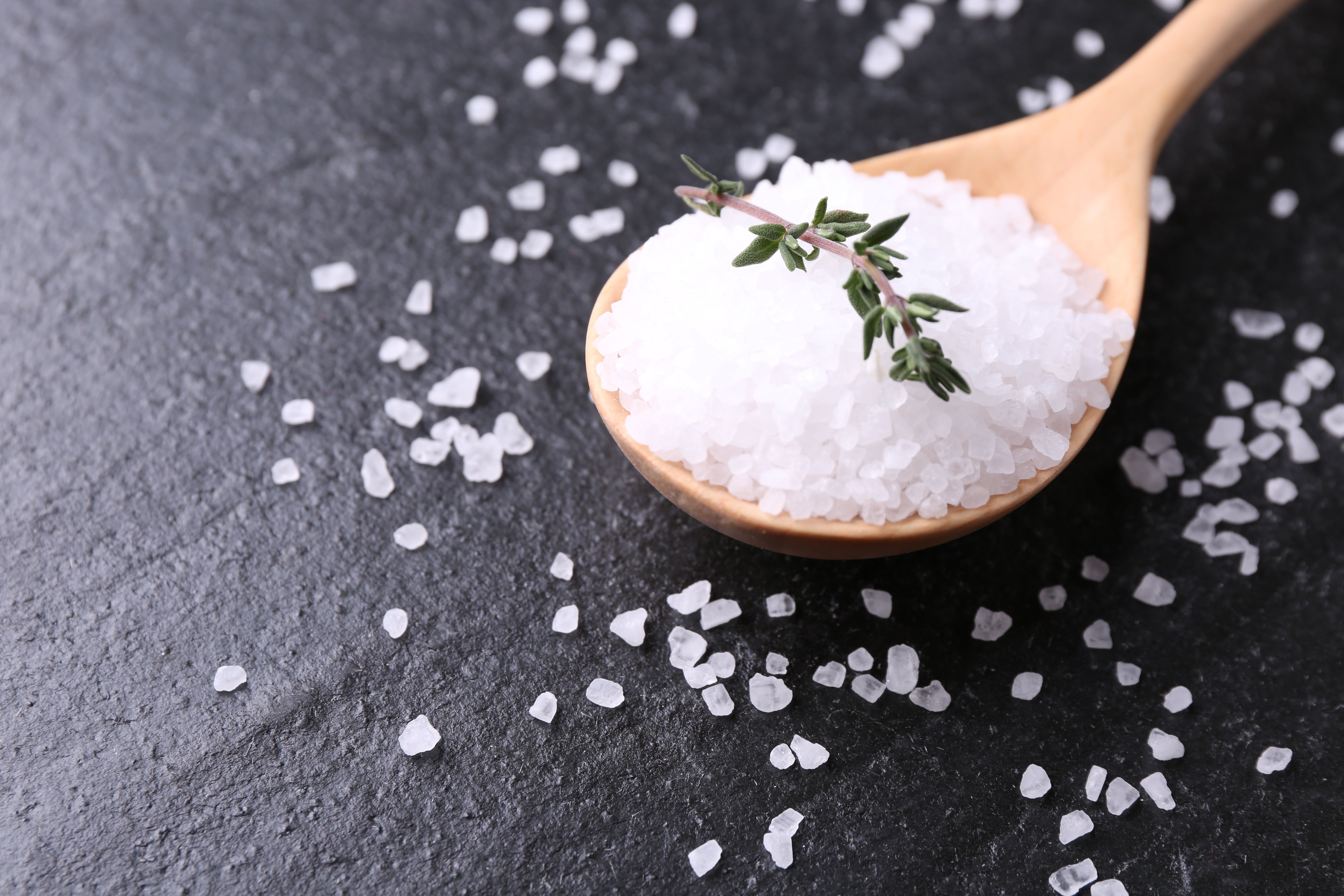
Salt has gotten a bad rap over the years, but it's actually a necessity to live, playing "an important role in both flavor and physiology," Leverich explained. "It’s an essential electrolyte that supports fluid balance and nerve function." However, too much of it is detrimental to health. "Most people consume more than recommended, usually from packaged and restaurant foods," she said. "For people with high blood pressure or certain health conditions, being mindful of intake is especially important. A general guideline is to aim for less than 2,300 mg per day."

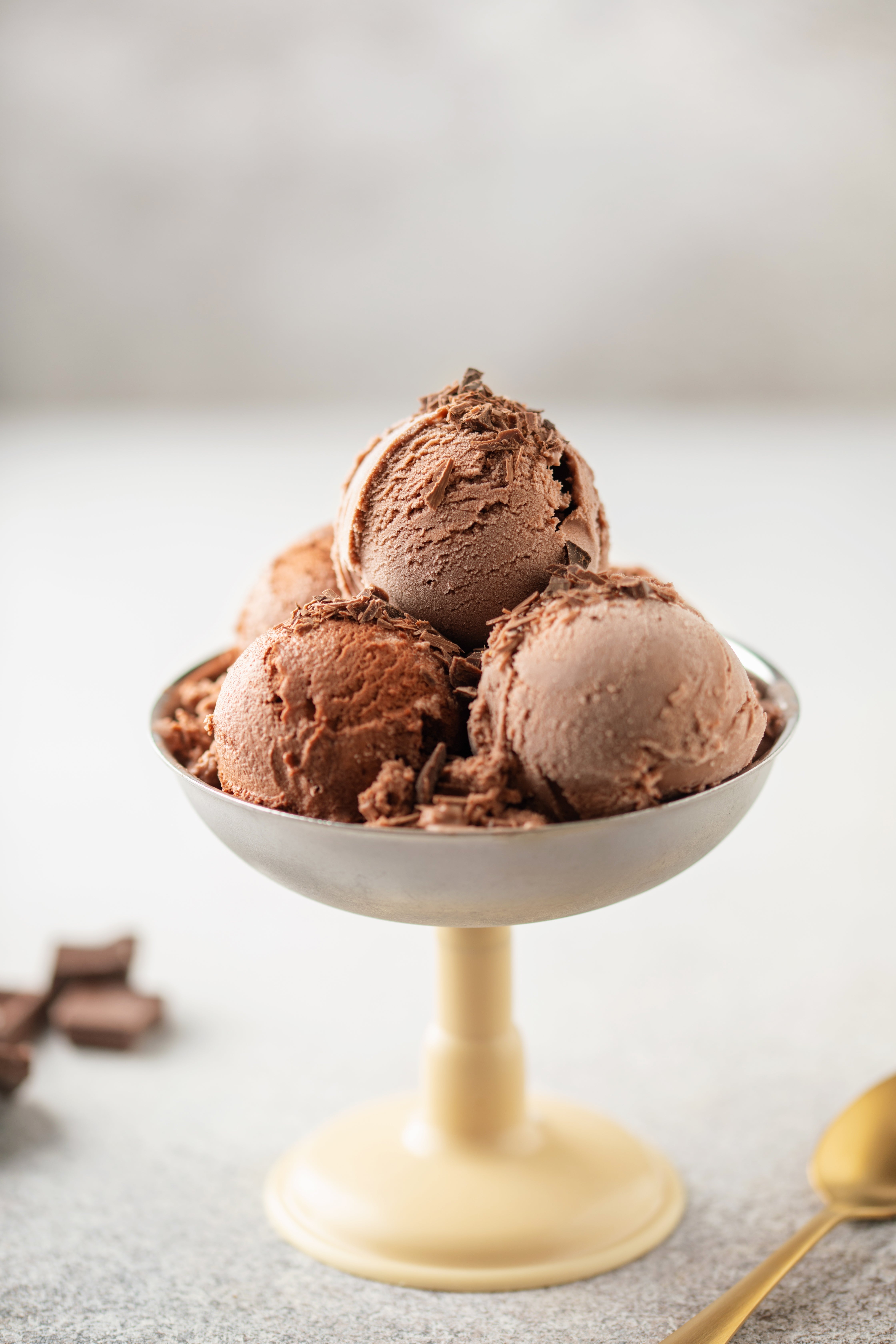
There's still always room for ice cream. Leverich says the dessert is "a great example of how enjoyment and nutrition can coexist." "It’s okay to include foods purely for pleasure," she added, and ice cream "can fit into a balanced diet without guilt. Rather than focusing strictly on moderation, I like to emphasize being intentional — enjoying it mindfully and as part of an overall balanced pattern."

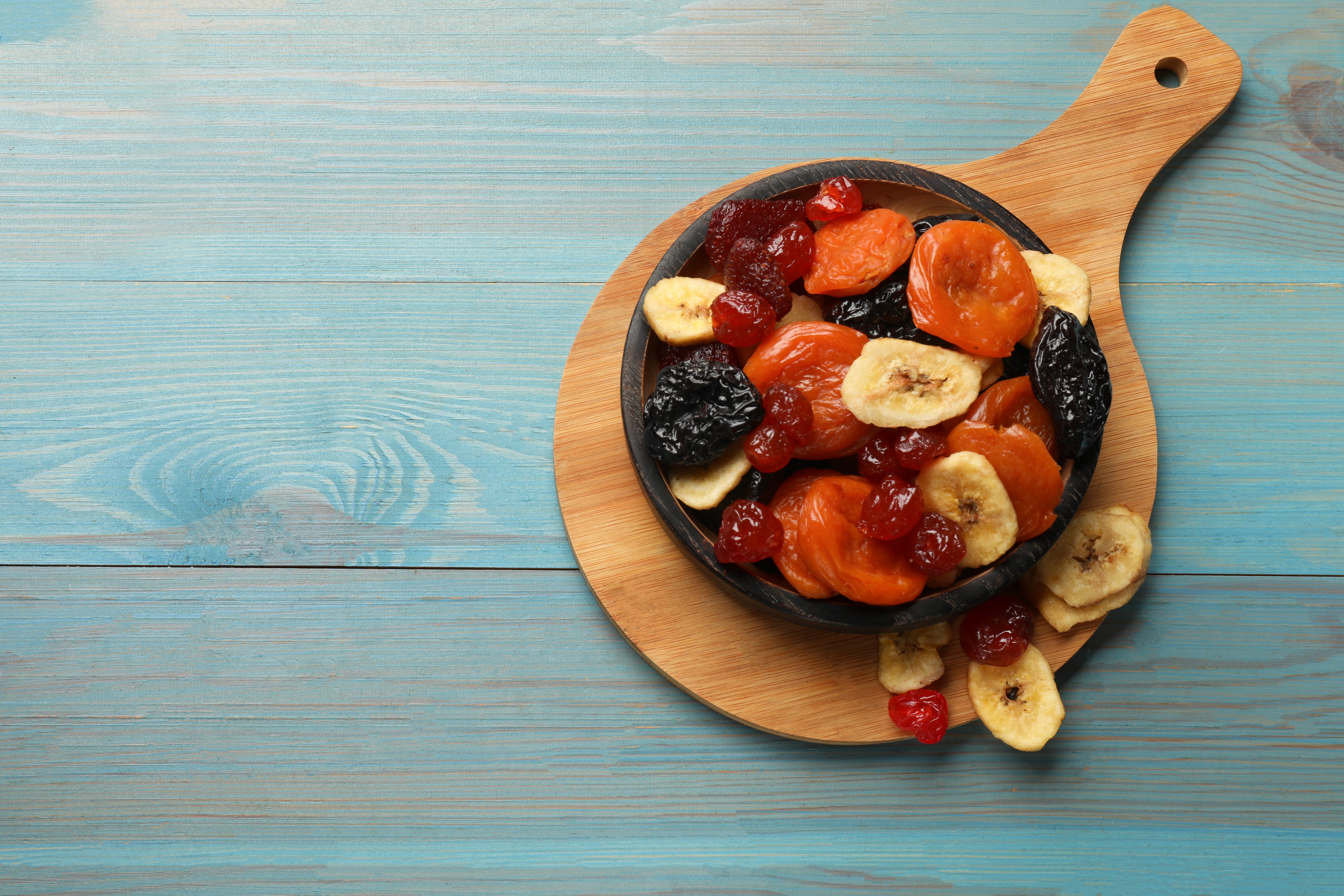
"Dried fruit can be a convenient source of carbohydrates and nutrients, especially for quick energy before or after exercise," Leverich said. "Because the water has been removed, the natural sugars are more concentrated, which can make portions easy to overdo." Although dried fruit still contains fiber and beneficial nutrients, she noted that "it’s helpful to include fresh or frozen fruit in your diet too for more volume and hydration."

There are a lot of mixed opinions around diet soda. Some people avoid it altogether, while others drink it exclusively. In some instances, drinking it can actually be beneficial. "Diet soda is often criticized," Leverich said, "but it can be a really useful tool for people looking to reduce added sugar intake, especially if they’re transitioning away from regular soda. That said, I encourage a flexible approach: water should be the foundation, but diet soda doesn’t need to be demonized."

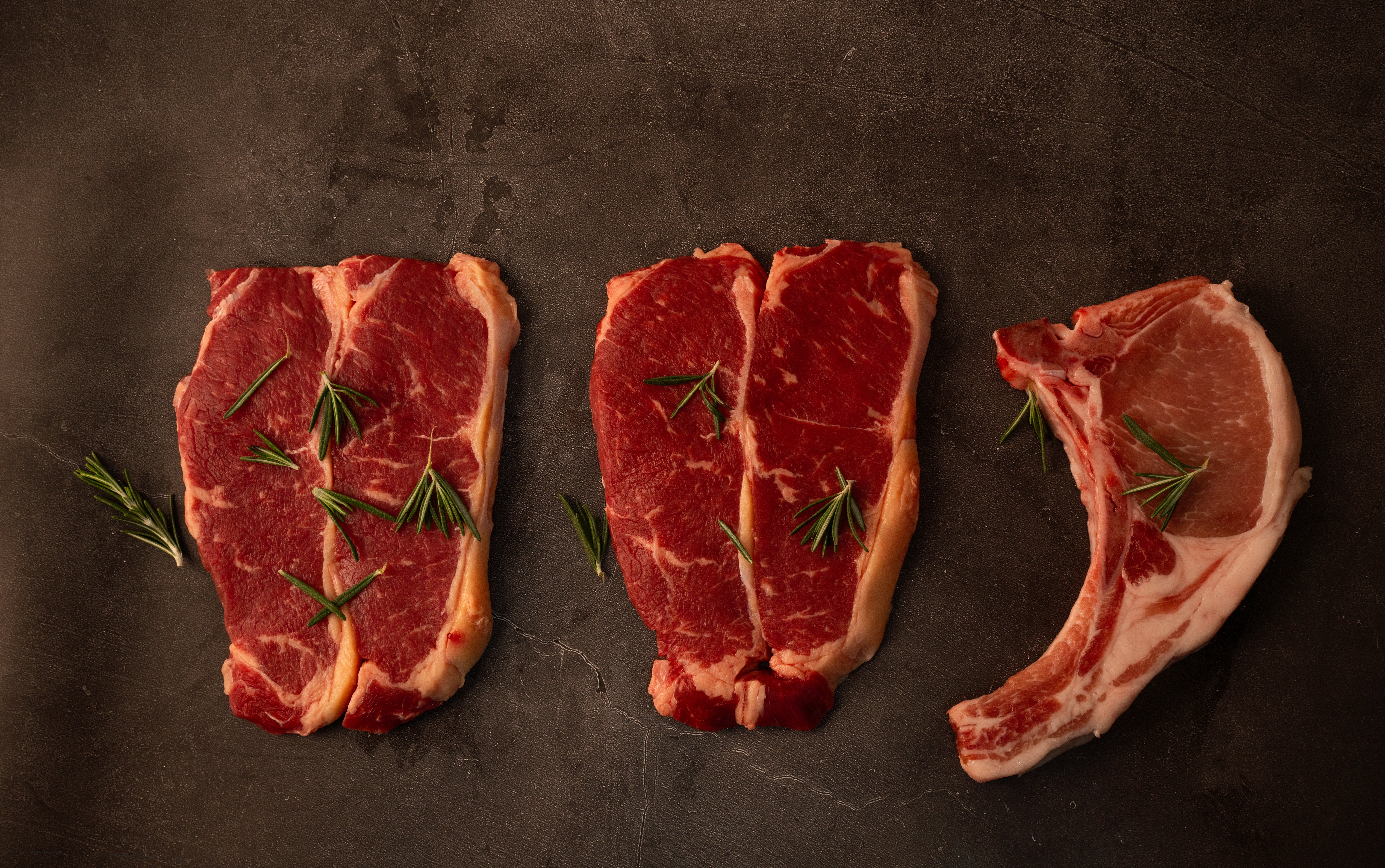
Beef, pork, lamb, and veal — aka red meat — are viewed in polarizing lights, but there are, in fact, key benefits to eating them. "It's a rich source of protein, iron, and vitamin B12, which are important nutrients, especially for certain populations," Leverich offered, caveating that "high intakes of processed red meats and fatty cuts have been associated with negative health outcomes." Even so, eliminating them completely isn't necessary. She recommends focusing on "portion size, moderation, and choosing leaner cuts when possible."
Comments
You must be logged in to comment.