yahoo Press
When will gas prices go down? Two factors are driving prices higher.
Images
1 / 11
2 / 11

3 / 11

4 / 11
5 / 11
6 / 11
7 / 11

8 / 11

9 / 11
10 / 11

11 / 11
Some offers on this page are from advertisers who pay us, which may affect which products we write about, but not our recommendations. See our Advertiser Disclosure.

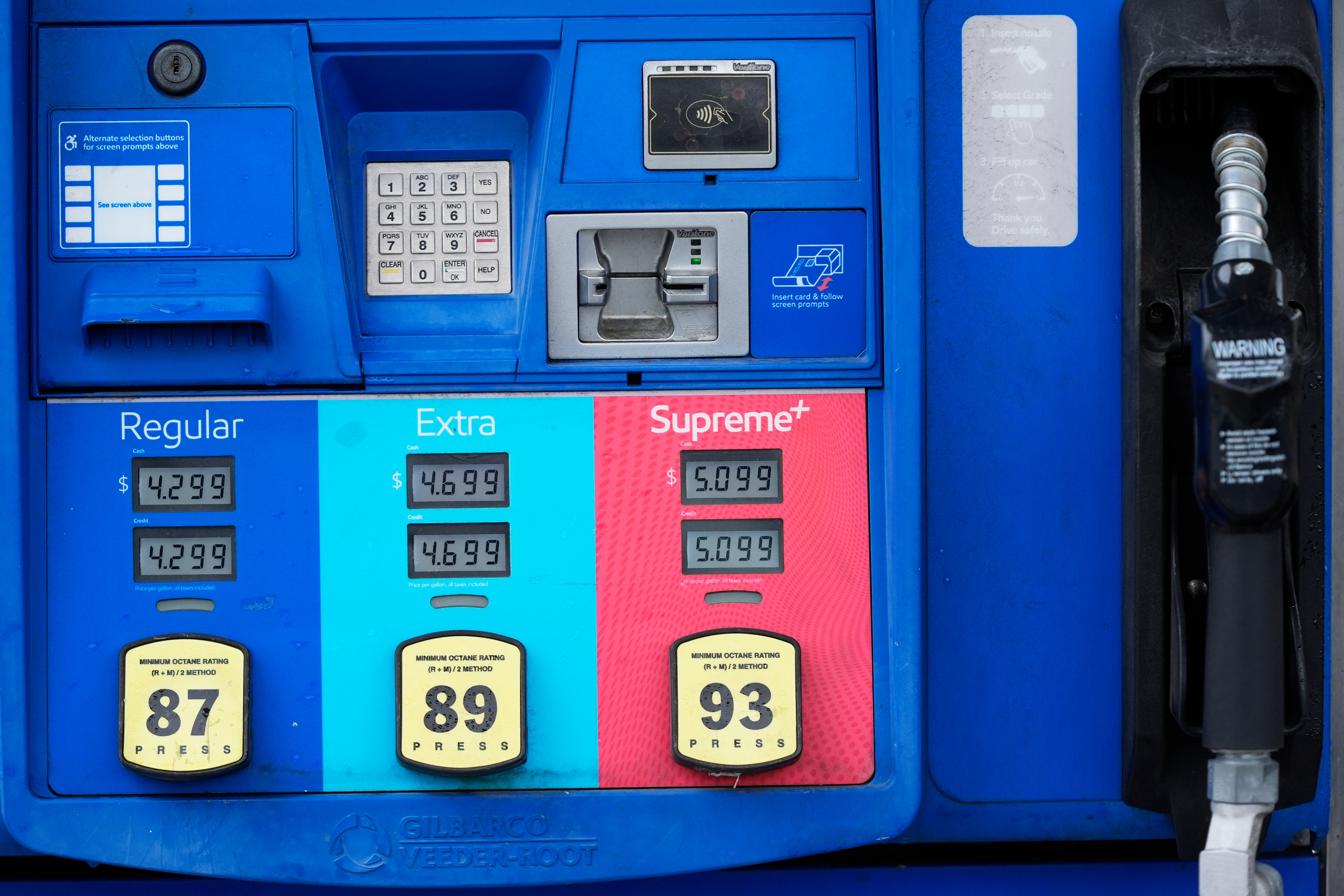
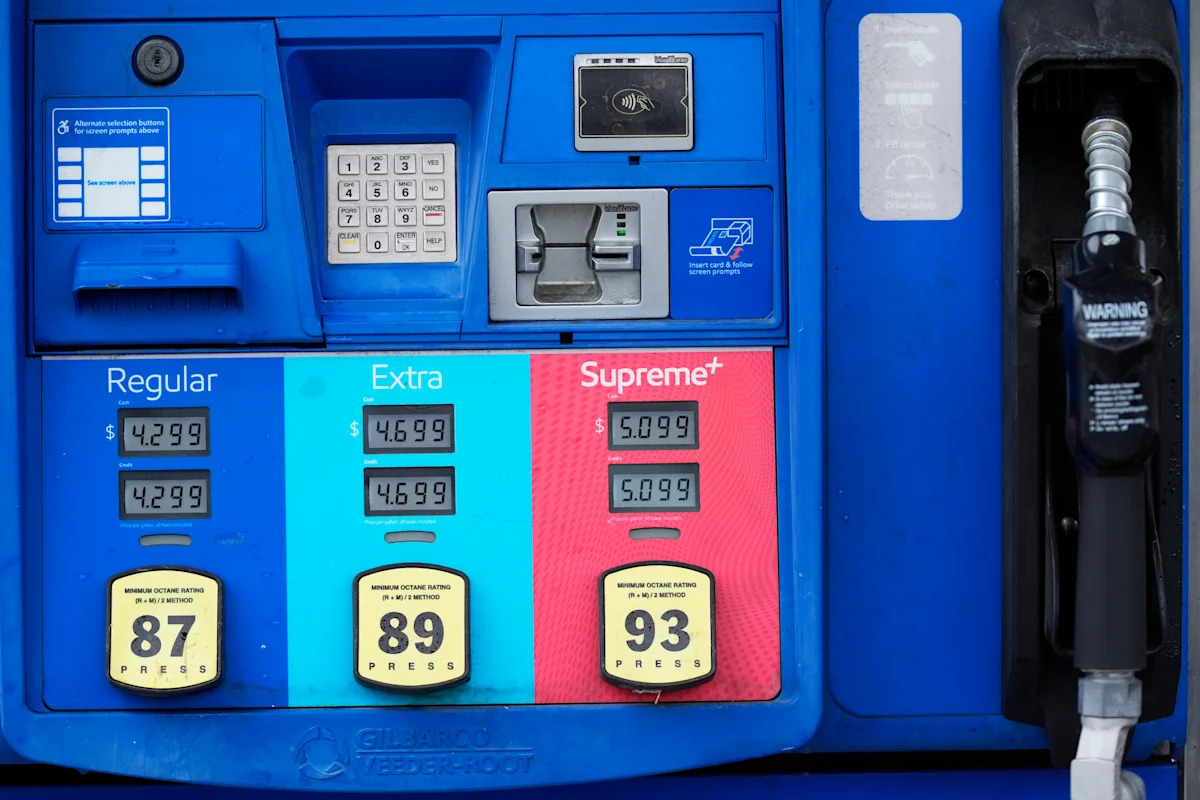
Gas prices topped $4 a gallon again this week as the Strait of Hormuz remained closed for a sixth month and as Ukrainian attacks on Russia's refining infrastructure continued to push oil prices higher.

"While the seasonal transition to cheaper winter-blend gasoline in the coming month could bring some relief, the two dominant challenges facing motorists — the closed Strait and the ongoing refinery strikes — show no signs of resolving anytime soon," said Patrick De Haan, head of petroleum analysis at GasBuddy, in his weekly newsletter. "Until they do, the path for gas and diesel prices remains tilted to the upside."

The national average price of gasoline is over $4, with diesel currently over $5 per gallon, according to AAA. Crude oil prices are trading above $80 a barrel, and Brent crude oil is above $90 a barrel.

Read more: Best credit cards for gas

Alongside these external factors, seasonality can contribute to the natural ebb and flow of gas prices throughout the year.

"Generally speaking, we do tend to see gas prices decline in the fall, for the opposite reason of why they go up in the spring," De Haan said. "In the fall, people stay closer to home, road trips wind down, people get back to their grind. Temperatures cool off, so there's less outdoor activity and then we also start to switch back to cheaper winter blends of gasoline in the fall."

As for where gas prices could be headed? De Haan says it's difficult to predict.

"A national average, I think, hopefully in the worst case would be $4.50, although if it really gets bad, it could head closer to $5."

Experts say it will take time for consumers to feel the ripple effects of lower oil. Changes in crude-oil prices can affect gas prices fairly quickly; however, the comedown from a gasoline price spike isn't always immediate.

While oil prices are a key driver of what you pay at the pump, they don't tell the whole story. Other factors, such as refining costs, disruptions in gasoline distribution, and retailers' price markups, can slow the rate at which gas prices return to normal after a spike.

"There is a saying that pump prices rise like a rocket and fall like a feather, and that holds," said David Doherty, head of natural resources research at BloombergNEF. "It takes about three weeks for crude price rises to be fully felt in the price of gasoline prices, and it can take as much time for them to decline as refiners face an uncertain landscape when it comes to the price of crude, their main ingredient."

Here at home, steps are being taken at the federal level to ease the financial burden of higher gas prices on everyday Americans.

This includes the government's emergency EPA waivers, which allow nationwide sales of E15, gasoline blended with 15% ethanol, and the removal of all federal impediments to selling E10, gasoline blended with 10% ethanol, across the country. The EPA says this move will prevent disruption in America's fuel supply by keeping E15 on the market and giving Americans more fuel options.

Additionally, in March, the Trump administration ordered the release of 172 million barrels of oil from the U.S. Strategic Petroleum Reserve (SPR) alongside the 32 member countries of the International Energy Agency, who unanimously agreed to release a total of 400 million barrels of oil from their emergency reserves to address the global disruption.

Federal data shows that oil inventories in the SPR dipped below Biden-era lows earlier this summer and are now hovering around levels last seen in the early 1980s. The reserve has dropped by an average of 6.3 million barrels each week since early April.

Read more: What's the Strategic Petroleum Reserve, and can it help lower gas prices?

At the state level, some states are implementing fuel tax holidays to help residents trim their costs.

Read more: Trump backs gas tax holiday as pump prices rise. What drivers should know.

There are several ways consumers can take matters into their own hands to save money on fuel.

Join fuel rewards programs: If you frequent a particular gas station, see if it offers a fuel rewards program you can join to start accruing rewards or earn a few cents off each gallon.

Comparison shop: Stopping at your nearest gas station may prove to be the most convenient option for gas, but it may not be the most cost-effective. Before you pump gas, shop around and compare stations to ensure you're getting the best possible price.

Get a credit card with gas rewards: If you're in the market for a new credit card, consider opting for one that offers cash back or points every time you fill up to help minimize the toll of elevated gas prices on your budget.

Read more: How a gas card can help you navigate high prices at the pump

Gas and diesel prices are hitting new highs as geopolitical instability in the Middle East disrupts supply. Here's a breakdown of how international tensions influence pump prices.

Can oil from the Strategic Petroleum Reserve spare Americans more pain at the pump? And if so, how much could it reduce gas prices — and for how long?

As gas prices increase, you can save by earning rewards on gas station spending. Here's what to look for in a gas card.

Here's a closer look at how high oil prices can trickle down and raise your everyday costs.

Farmers are warning of fertilizer shortages and price spikes tied to tensions in the Middle East. Here's how the war is influencing fertilizer costs and agricultural production.

Higher gas prices are squeezing household budgets and reviving calls for tax relief. Here's what to know about gas tax holidays.
Comments
You must be logged in to comment.