yahoo Press
The Fed was expected to cut rates in 2026 — but a new inflation forecast suggests relief could be delayed
Images
1 / 4
2 / 4

3 / 4

4 / 4
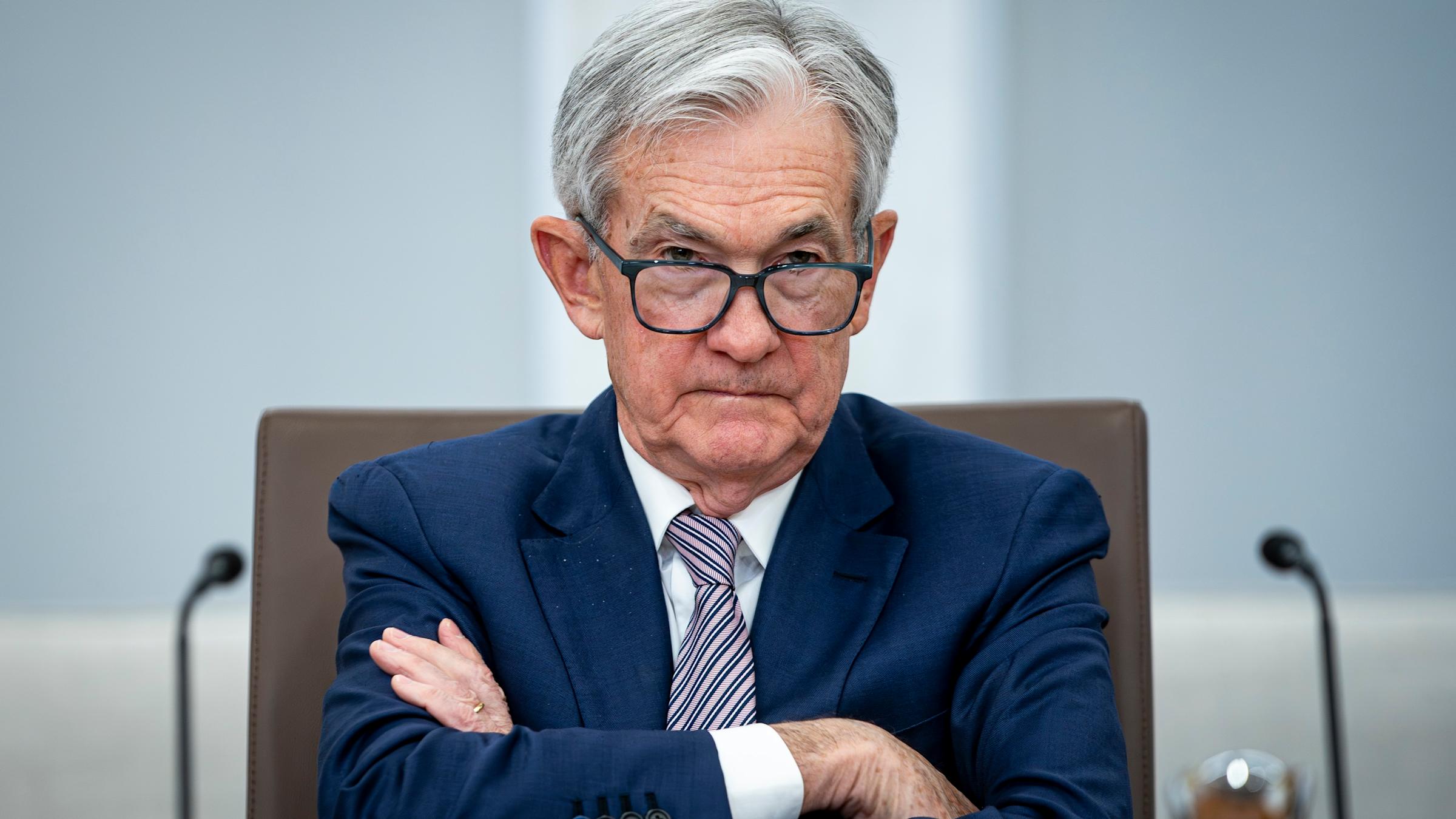
The Federal Reserve was widely expected to begin cutting interest rates in 2026, offering some long-awaited relief to borrowers after years of elevated costs.

But one inflation forecast is now moving in the opposite direction, and that could complicate those plans.

Thanks to Jeff Bezos, you can now become a landlord for as little as $100 — and no, you don't have to deal with tenants or fix freezers. Here's how

Robert Kiyosaki this 1 asset will surge 400% in a year and begs investors not to miss this ‘explosion’

Taxes are going to change for retirees under Trump’s ‘big beautiful bill’ — here are 4 reasons you can’t afford to waste time

New projections from the Federal Reserve Bank of Cleveland show inflation climbing steadily in recent weeks, with estimates suggesting a notable jump from February to April (1). While forecasts can change as new data comes in, the trend is raising concerns that inflation may not cool as quickly as policymakers had hoped.

If that happens, it could delay the rate cuts many Americans were counting on and keep borrowing costs higher for longer.

A big driver of the recent shift is energy. Since the beginning of the U.S.-Israeli war against Iran, global oil markets have been rattled by supply disruptions, particularly around the Strait of Hormuz, a critical chokepoint for global crude shipments. Any threat to that flow can quickly push prices higher, and that's exactly what's happened in recent weeks.

Oil prices have surged, and that's already showing up in everyday costs. Gas prices have jumped sharply, with diesel and transportation fuel seeing even steeper increases. (2)

That kind of shock doesn't stay contained to the pump. Higher energy costs ripple through the economy, raising expenses for shipping, manufacturing and food production (3). Businesses often pass at least some of those costs on to consumers, which can push inflation higher overall.

It's worth noting that inflation was already proving stubborn before this latest spike. But rising energy prices are adding fresh pressure at a time when the Federal Reserve was hoping to see clearer signs of cooling.

Read More: How to apply Dave Ramsey’s 7 Baby Steps to your own life

For consumers, the biggest impact isn't the inflation number itself, it's how the Fed responds.

The central bank has been holding interest rates at elevated levels to bring inflation down. The expectation heading into 2026 was that easing inflation would allow policymakers to start cutting rates, making borrowing cheaper again.

But if inflation moves higher instead, that timeline could shift.

That means credit cards, personal loans and auto financing could remain expensive for longer than expected. Mortgage rates — which are influenced by broader rate expectations — may also stay elevated, keeping pressure on would-be homebuyers.

At the same time, rising prices for essentials like gas and groceries can squeeze household budgets, leaving less room for discretionary spending.

In other words, Americans could face a double hit: higher costs in everyday life, and higher costs to borrow.

It's important to remember that this is still a projection, not a certainty. Inflation forecasts can change quickly, especially if energy prices stabilize or new economic data comes in stronger than expected.

Still, with uncertainty rising, it may be worth taking a few precautionary steps.

If you're carrying variable-rate debt, such as credit card balances, consider prioritizing paying it down. Those rates tend to stay high when the Fed holds steady.

If you're planning a major purchase that requires financing like a car or home, it may be wise to build flexibility into your budget in case borrowing costs don't fall as soon as expected.

Locking in low fixed rates where possible can also provide some protection against future increases.

And more broadly, maintaining a financial cushion can help absorb higher everyday costs if inflation remains elevated.

The outlook for rate cuts hasn't disappeared, but the forecast from the Federal Reserve Bank of Cleveland suggests it may no longer be as close as many had hoped.

Dave Ramsey warns nearly 50% of Americans are making 1 big Social Security mistake — are you doing the same?

BlackRock warns buying and holding the S&P 500 isn’t enough for retirement. Why they’re saying this approach could provide a ‘paycheck for life’

Robert Kiyosaki issues grim warning for baby boomers: many could be ‘wiped out’ and homeless ‘all over’ the country

Turning 50 with $0 saved? Good news, you’re actually entering your prime earning years. Here are 6 ways to catch up fast

Join 250,000+ readers and get Moneywise’s best stories and exclusive interviews first — clear insights curated and delivered weekly. Subscribe now.

We rely only on vetted sources and credible third-party reporting. For details, see our ethics and guidelines.

Federal Reserve Bank of Cleveland (1); Yahoo Finance (2); S&P Global (3)

This article originally appeared on Moneywise.com under the title: The Fed was expected to cut rates in 2026 — but a new inflation forecast suggests relief could be delayed

This article provides information only and should not be construed as advice. It is provided without warranty of any kind.
Comments
You must be logged in to comment.