yahoo Press
Archaeologists Found a 440-Year-Old Coin that Marked the Lost Site of a Doomed Colony
Images
1 / 10
2 / 10

3 / 10

4 / 10

5 / 10

6 / 10
7 / 10

8 / 10

9 / 10

10 / 10
Here’s what you’ll learn when you read this story:

Archaeologists discovered a ceremonial coin that had been placed in the foundation of a church in 1584.

The Spanish colony Rey Don Felipe, located at the southern tip of Chile, lasted less than three years due to harsh conditions.

Archaeologists located the doomed colony’s ‘founding coin’ right where historical records said it would be.

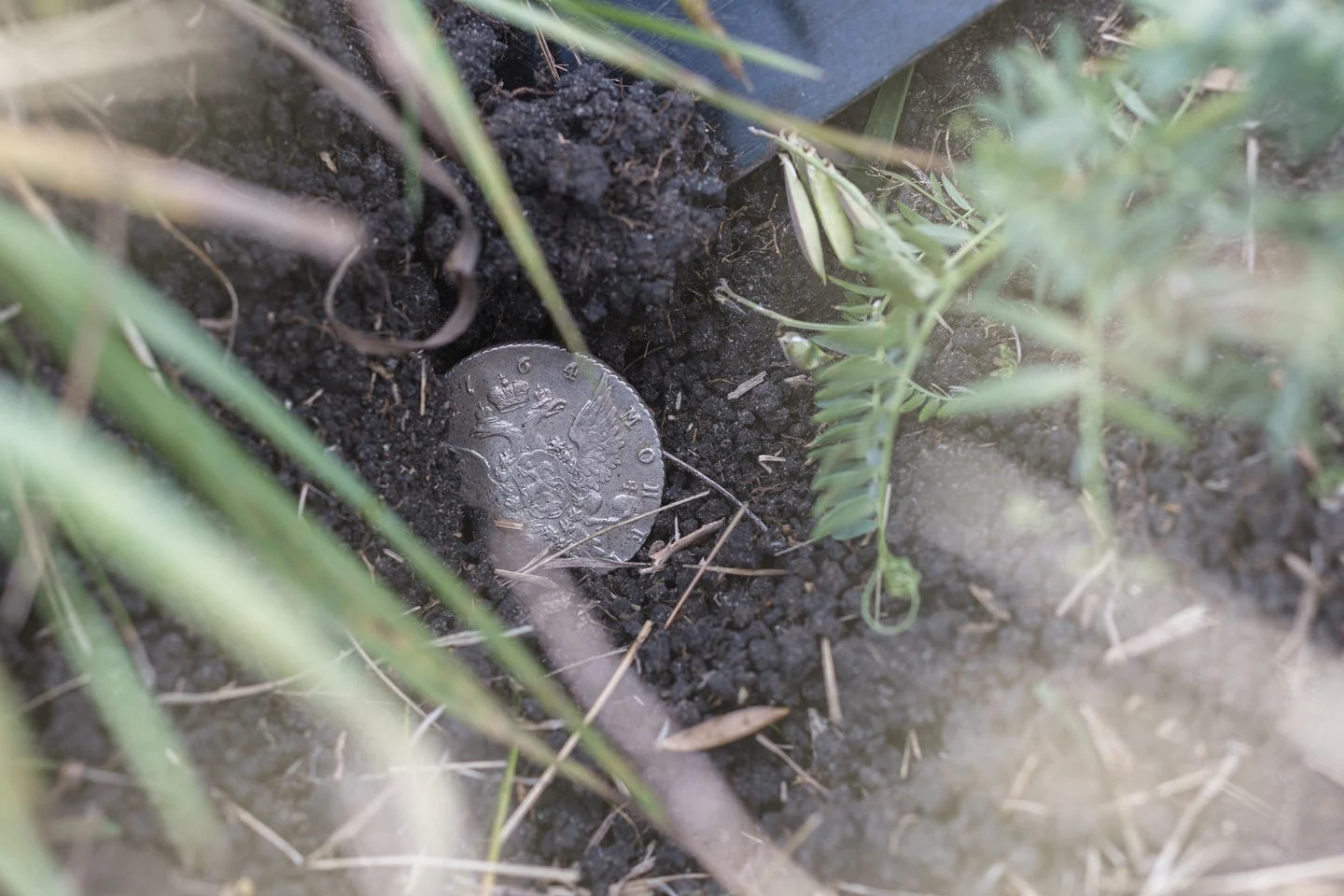
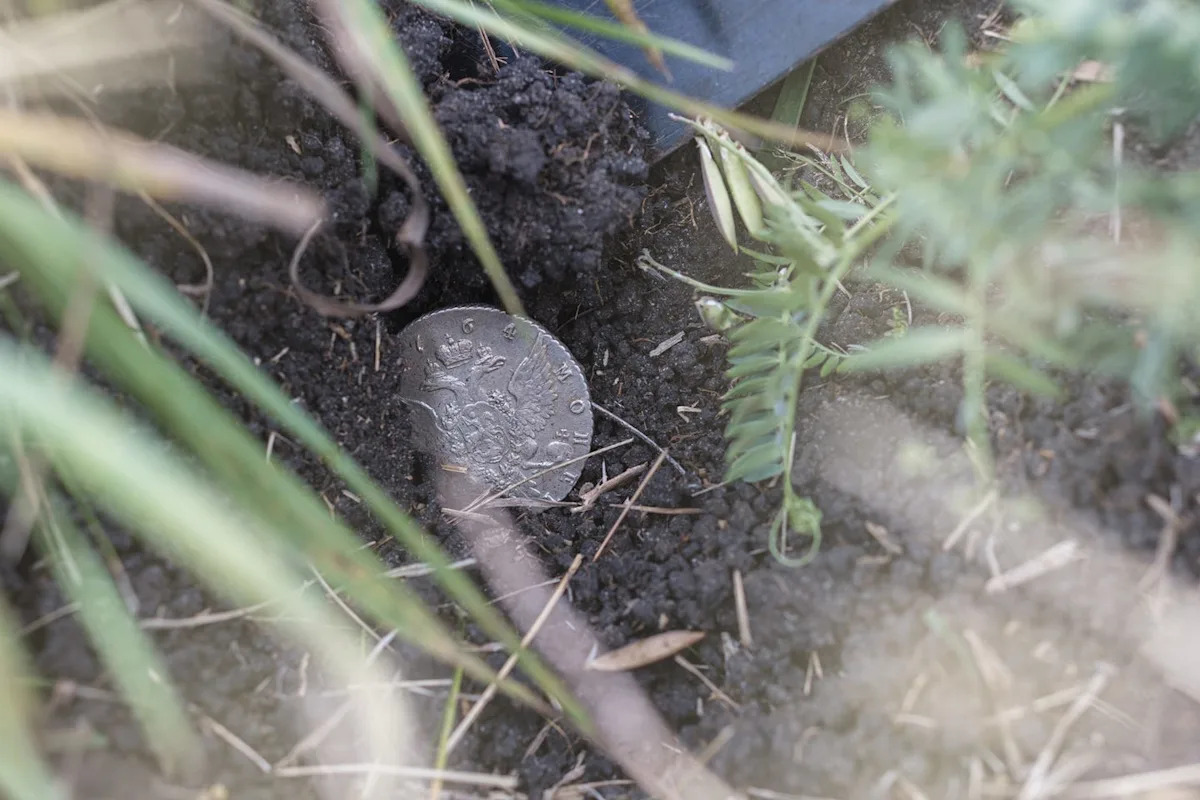
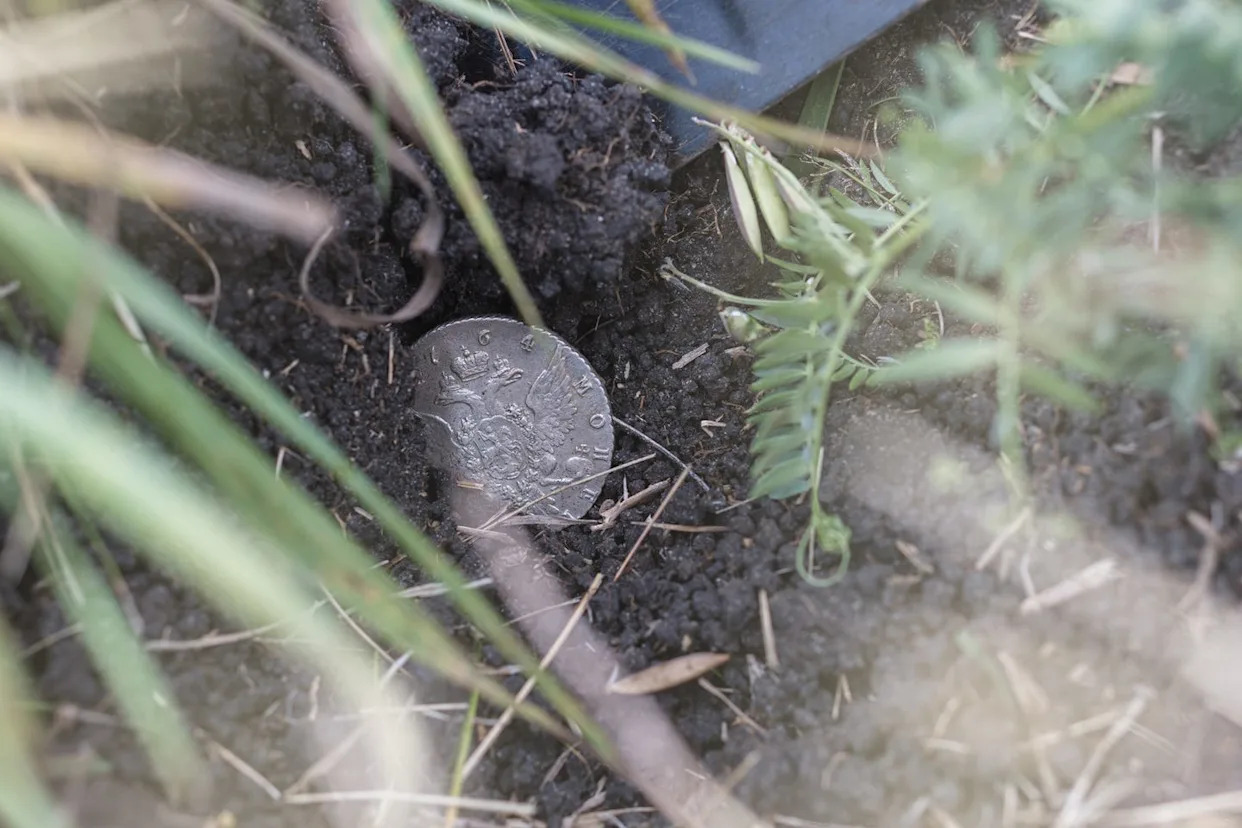
Tucked under the cornerstone of a church built at the founding of the Spanish colony Rey Don Felipe, a ceremonial silver coin remained in the exact spot it had occupied for 440 years. That coin was placed by colony founder and Spanish navigator Pedro Sarmiento de Gamboa on March 25, 1584, and sat untouched until archaeologists recently brought it back into the light. Now, the researchers hope the coin will shed some light onto the history of a long-vanished settlement.

As the Spanish and English quarreled over South America, the discovery of the passage on the southern tip of the continent offered both countries the opportunity to secure an advantageous strategic position. The Spanish claimed the land on both sides of the strait and created the colony, but unfortunately, the coin didn’t provide much fortune for the settlers living “at the ends of the Earth.” Most of the 350 settlers were tragically lost within just a few years, and when English navigator Thomas Cavendish came through the area about three years later, he renamed the site Puerto del Hambre, or ‘Port of Famine,’ due to the destruction of the settlement’s people. Slowly, the site was consigned to historical oblivion. “For centuries,” wrote the National Historical Museum in a translated post, “the exact location of its founding remained merely a reference in historical documents.”

Until, that is, a team of archaeologists got involved. The researchers employed high-precision geolocation systems and advanced metal detection to map the area and highlight spots worth exploring, and one of those spots ended up containing the coin. The silver “real de a ocho,” was located in the 440-year-old settlement’s founding church, where it had been placed on a stone by de Gamboa at the founding of the colony. “Most impressively,” according to a joint translated joint statement from Chile’s Center for Historical Studies and Humanities and the Austral University of Chile, “it was uncovered in the exact location and position described by Sarmiento in his writing on the Strait of Magellan: resting upon the surface of a stone within the small church they had built.”

Minted in Potosi (modern-day Bolivia), the silver coin features a Jerusalem cross on one side and Philip II’s coat of arms on the other. It was one of the first truly global currencies and was in circulation in Europe, the Americas, and Asia. De Gamboa wrote about placing the coin during the city’s founding, and though experts had previously used his writings to find two bronze cannons at the colony in 2019, the discovery of this ceremonial coin further solidified the writings’ accuracy.

Finding the coin offers a fresh starting point for exploring the history of the site’s other structures, including houses and storage areas, some of which appear on a surviving 16th-century map. “This discovery provides a rare and powerful point of convergence between written sources and archaeological evidence,” Soledad Gonzalez Diaz, lead researcher on the project and historian at Bernardo O’Higgins University in Santiago, told Live Science. “It not only helps to confirm the location and layout of key structures within the settlement but also opens new possibility for reconstructing [its] spatial organization.”

You Might Also Like

20 Cars That Were Massively Improved by a Redesign

Going on Vacation? These Appliances Need to Be Unplugged Before You Leave the House

Roborock Reigns Supreme for Robot Vacuums, but We Also Loved These Other Models
Comments
You must be logged in to comment.