yahoo Press
Sen. John Fetterman backed a stock trading ban — but his household reported buying shares tied to industries he oversees
Images
1 / 4
2 / 4

3 / 4

4 / 4
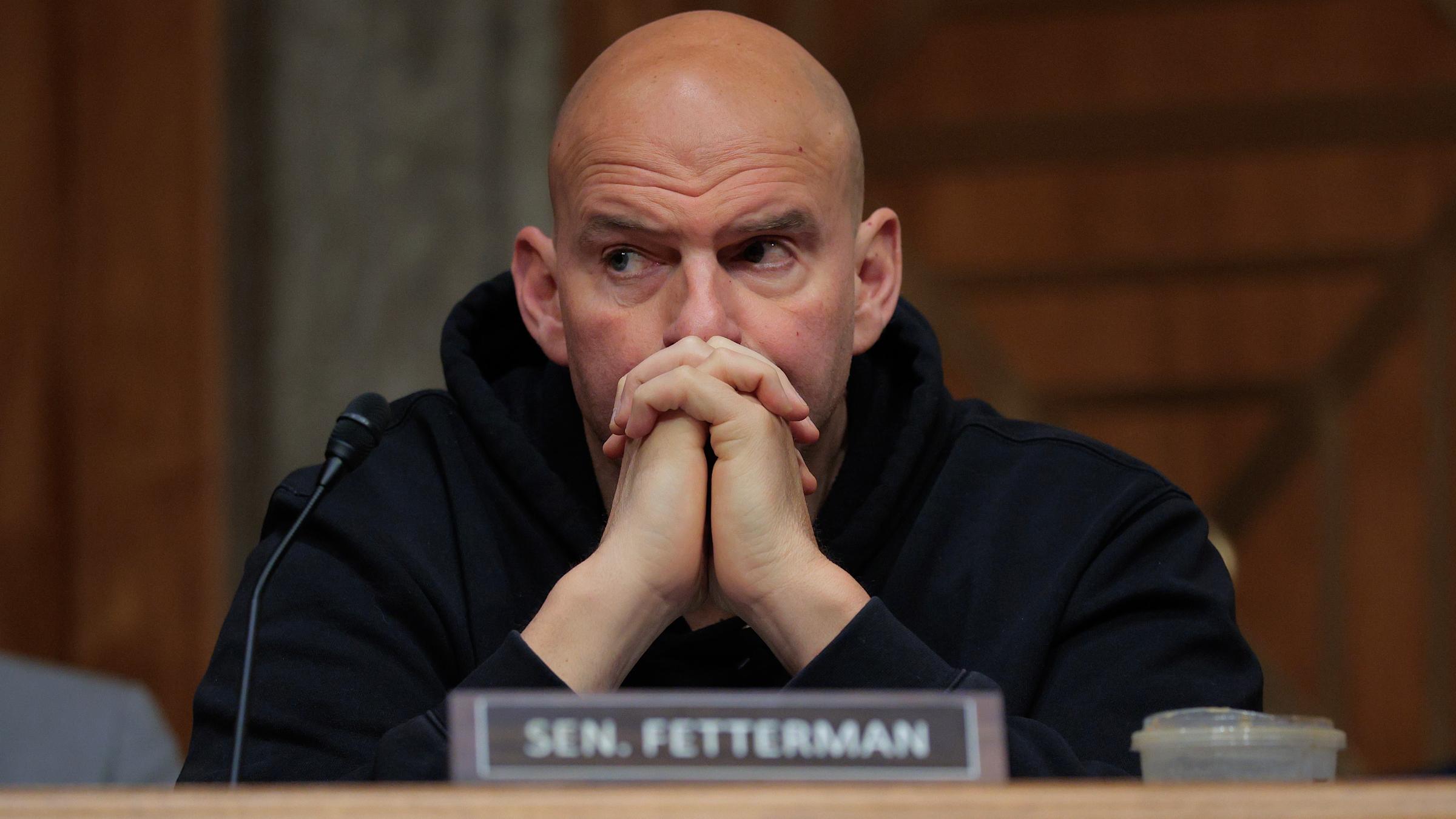
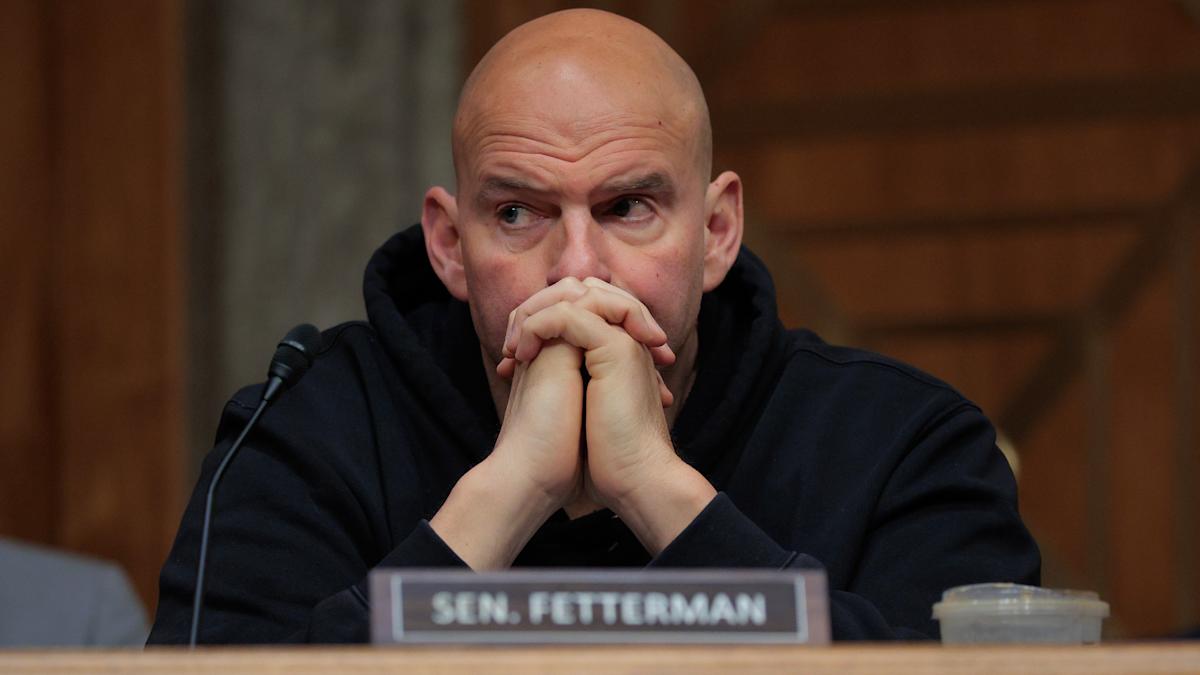
Sen. John Fetterman has been a vocal advocate of banning stock trading by lawmakers and their immediate family members.

"Lawmakers should not be able to profit off the same companies that they are regulating," Sen. Fetterman said during a press conference in 2023, when he backed a bipartisan bill that would ban members of Congress and their families from owning or trading stocks, commodities or futures (1). "Letting members of Congress trade stocks opens the door to corruption."

Thanks to Jeff Bezos, you can now become a landlord for as little as $100 — and no, you don't have to deal with tenants or fix freezers. Here's how

Robert Kiyosaki this 1 asset will surge 400% in a year and begs investors not to miss this ‘explosion’

Taxes are going to change for retirees under Trump’s ‘big beautiful bill’ — here are 4 reasons you can’t afford to waste time

But recent disclosures show that trades are still happening in lawmakers' households — including Fetterman (2) — and he's far from alone.

A filing dated April 3, 2026, indicates that a "child" of Sen. Fetterman purchased between $1,001 and $15,000 of Micron Technology stock on March 30, 2026 (3). The filing also shows a "child" purchased shares in Microsoft, Alphabet, Amazon.com and Erie Indemnity.

Sen. Fetterman is a member of the Committee on Commerce, Science and Transportation (4), which oversees the implementation of the CHIPS and Science Act (5) — a program that awarded Micron Technology $6.165 billion to build chip factories (6).

Fetterman was also one of four lawmakers — three of whom sit on the Commerce, Science and Transportation Committee — who reported personal or family purchases of AI stock while the Senate was considering the deregulation of AI last year (7).

Under the Stop Trading on Congressional Knowledge (STOCK) Act of 2012, members of Congress and their immediate families are prohibited from using non-public information to make investment decisions. They must also disclose their purchases (8).

While it's not illegal for lawmakers to trade stocks, issues can arise when they trade stocks related to their work.

Indeed, after suspicious trading on prediction markets just minutes before critical announcements on the war in Iran, the White House issued a directive last month against using insider information to bet on financial markets (9).

Read More: How to apply Dave Ramsey’s 7 Baby Steps to your own life

Based on reports filed in 2024, only 5% of senators and representatives didn't own stock (10). And a recent CNN report found that at least nine senators had bought or sold stock in companies that were overseen by industry committees they serve (11).

"It's a bipartisan problem. Republicans and Democrats are guilty of this, pretty evenly across the board," Dylan Hedtler-Gaudette, acting vice-president of the Project on Government Oversight, told CNN (11).

The absence of stronger rules — and weak consequences for breaking them — has "led to repeated examples of ethical violations and questionable financial activity, including during the tariff announcements in 2025 and global health emergencies in 2020," according to the Campaign Legal Center (CLC) (12).

During the 2025 government shutdown that resulted in "missed paychecks and drained SNAP benefits," CLC reports that the country's lawmakers "engaged in nearly 200 trades, representing anywhere from $3 to $9 million in financial assets."

There's also some evidence that stocks purchased by senators could be "driven by superior information," according to research published in the Journal of Business Ethics (13).

The research found that stocks purchased by senators outperformed the market over a three-month period following the date of the trade, with an "abnormal return" that exceeds the return of the S&P 500. The data implies that "many more people are trading around these dates, likely on the same congressional knowledge."

When lawmakers buy stocks in companies they regulate, it can create serious conflicts of interest. For example, they could influence policy in a way that would benefit their pocketbook rather than the public good. It could also lead to insider trading.

"Lawmakers often have access to non-public information that can move financial markets, as well as the power to shape policies in sectors in which they have financial interests," according to the Brennan Center for Justice (14).

Ultimately, this can erode trust in public institutions.

While the STOCK Act provides greater transparency around lawmakers' stock activity, there isn't a lot of teeth behind it (the penalty for violating it is just $200) (10). The Restore Trust in Congress Act is meant to address this.

If the proposed bill becomes law, it would fully ban stock trading by lawmakers, their spouses and dependents (15) — with stronger enforcement and heftier fines (12).

An overwhelming majority of Americans would be on board with this: 86% of Americans (regardless of party lines) would support a law that prohibits members of Congress from trading stocks (16), according to a survey by the Program for Public Consultation at the University of Maryland's School of Public Policy.

That gap between what's allowed and what critics say should be restricted is what lawmakers are now trying to address. And while senators like Fetterman have backed proposals to ban stock trading by lawmakers and their families, until stricter rules are enacted, those transactions remain legal as long as they are disclosed.

Dave Ramsey warns nearly 50% of Americans are making 1 big Social Security mistake — are you doing the same?

BlackRock warns buying and holding the S&P 500 isn’t enough for retirement. Why they’re saying this approach could provide a ‘paycheck for life’

Robert Kiyosaki issues grim warning for baby boomers: many could be ‘wiped out’ and homeless ‘all over’ the country

Turning 50 with $0 saved? Good news, you’re actually entering your prime earning years. Here are 6 ways to catch up fast

Join 250,000+ readers and get Moneywise’s best stories and exclusive interviews first — clear insights curated and delivered weekly. Subscribe now.

We rely only on vetted sources and credible third-party reporting. For details, see our ethics and guidelines.

Pennsylvania Capital-Star (1); MarketBeat (2); U.S. Senate Electronic Financial Disclosures (3); Office of Senator Fetterman (4); U.S. Congress (5, 8, 15); U.S. Department of Commerce (6); Citizens for Responsibility and Ethics in Washington (7); The Wall Street Journal (9); Campaign Legal Center (10, 12); CNN (11); National Institutes of Health (13); Brennan Center for Justice (14); Program for Public Consultation (16)

This article originally appeared on Moneywise.com under the title: Sen. John Fetterman backed a stock trading ban — but his household reported buying shares tied to industries he oversees

This article provides information only and should not be construed as advice. It is provided without warranty of any kind.
Comments
You must be logged in to comment.