bbc Press
Contraception on social media: Why posts are trying to scare me off
Images
1 / 11

2 / 11
3 / 11
4 / 11
5 / 11
6 / 11

7 / 11
8 / 11
9 / 11
10 / 11
11 / 11
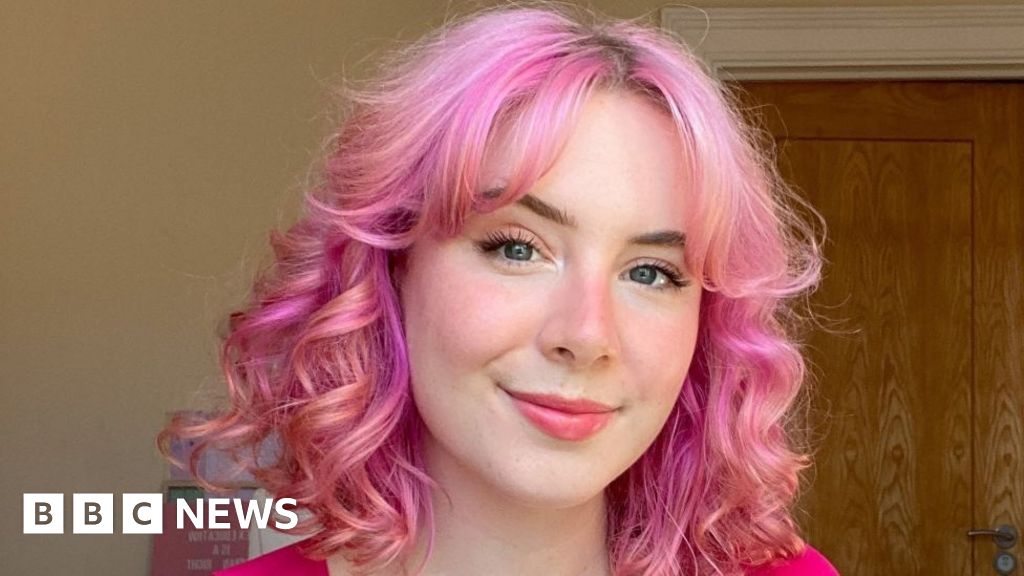
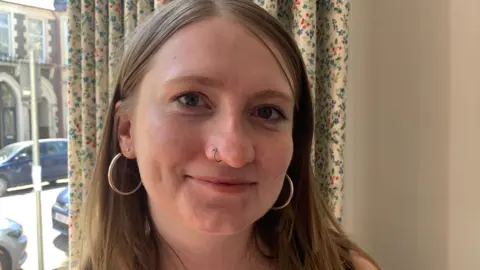
As a sex educator, Milly Evans knows more about contraception than most.

But in the run-up to getting a hormonal coil (IUS), she was filled with unfamiliar doubts about whether it was right for her body.

Her social media feed was "flooded" with content discouraging her from getting hormonal contraception. She found herself asking: was the risk of a bad experience worth it?

For six months, 26-year-old Evans kept putting off booking her appointment.

"Some of the claims I saw were so compelling that they made me question what I already know to be true," she says.

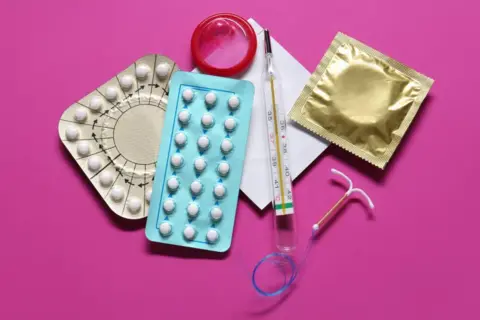
This isn't an unusual story – if you're a chronically online woman in your 20s you'll have seen plenty of conversations about hormonal contraceptives like the pill, coil and implant.

The chatter usually fits into two categories - women sharing side effects they've personally experienced, and people purposefully sharing misinformation, often linking hormones to ideology.

It's the latter she's most worried about.

The content has a "right-wing, religious, largely American element", Evans, who has been accredited for six years, says, and is often framed in terms of "clean living" and "divine femininity".

Posts like this have also made their way onto Lauren Haslam's Instagram feed. The 25-year-old, who lives in Manchester, follows a lot of fitness and wellness influencers - and says she gets annoyed by content from some of them "demonising" hormonal contraception and calling it "unnatural".

Haslam, who's been taking the combined pill for four years, says it's helped alleviate her symptoms of premenstrual dysphoric disorder, a severe form of premenstrual syndrome, which she says caused intense cramps and erratic behaviour in the run-up to her period.

She says the pill has "honestly changed my life," but adds that the posts make her positive experience feel "invalidated" and have made her question whether she's making the right decision.

In recent years in the US, content vilifying hormonal contraception has spread rapidly on social media.

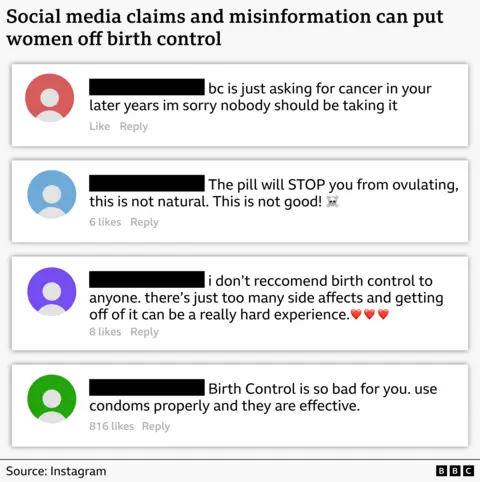
A quick search draws up a post of a new mum holding her unplanned baby, the 17-year-old is asking Instagram for contraception advice. A comment underneath, liked more than 800 times, reads: Birth control is "so bad for you".

Another said contraception "sucks" before a different user shared their hatred towards the pill, saying it made them depressed.

Even people who say they have medical qualifications are spreading misinformation online and in podcasts, according to psychosexual and relationship therapist Evie Plumb.

Medical director at women's health platform the Lowdown Dr Fran Yarlett says that while some of the claims are definitely wrong, others are based on small-scale studies with "dubious methodology" and take the information out of context - like the claim that the pill can "shrink your clitoris".

But this attitude shift isn't just happening online or in the US. Sexual health experts in the UK say these conversations are increasingly happening in real life at clinics every day.

London GP Jenny Dhingra says that she has seen more "aversion" among patients in the last couple of years, with some citing concerns around the side effects and saying they were "scared" after seeing social media content.

The NHS says commonly reported side effects of hormonal contraception include headaches, feeling sick, mood swings, weight gain, sore breasts and acne, but that side effects usually get better with time.

It also says that hormonal contraception can raise the risk of blood clots and breast cancer, but that the risk is "very low".

It's hard to accurately say how much these online conversations are truly affecting contraception usage in the UK. NHS data doesn't include people who get the pill from pharmacies, or acknowledge that some devices are now prescribed for longer without needing to be replaced, says Jenny Hall, professor of reproductive health at UCL.

She says that overall, however, data does seem to nod to people moving away from hormonal contraception.

This includes a study published last year suggesting that between 2018 and 2023, the proportion of women using hormonal contraception to prevent pregnancy fell, based on information from tens of thousands of women seeking abortions in England and Wales.

Additionally, a review of several studies last year found that negative side effects are discussed "much more frequently" on social media than benefits of contraception.

The reality is scary stories get attention and go viral, Evans says, whereas someone who loves the coil "with their whole heart" wouldn't get the views.

People are driven to "the really extreme negative ones… the ones that people say they had a traumatic experience, the ones where someone had a blood clot," she adds.

Sex educator Kerry Wolstenholme agrees it's those "horror stories" that she hears young people quote and decide contraception is "not for them".

So if people are turning away from hormonal contraception, what are they using instead? Sexual health professionals say fertility tracking apps are creeping in as unlike the pill, coil and implant, they can advertise on social media in the UK as they don't require a prescription.

Some women post promoting them as the "natural" option. Based on things like their last period and their temperature, the apps predict a likely fertile window when you should avoid sex or use protection.

But many of them are designed as period trackers or to help couples trying to conceive so shouldn't be relied upon to avoid pregnancy.

The experts are frank that side effects from hormonal contraception "can and will" be experienced by some - it's how medicine works. But they say people are not also hearing about the benefits.

Kayla Healey, head of contraception at MSI Reproductive Choices says hormonal contraceptives can help with heavy periods or alleviating the symptoms of PMS.

It's also common for hormonal options to be prescribed to help with the symptoms of conditions like adenomyosis and endometriosis that can cause painful periods.

Among the social media noise, sex educator Evans says there's also just "a lot of frustrated women" wanting to share their legitimate, negative experiences of hormonal contraception.

The problem is - experts say that even if these stories are valid, they are shared with no context about how likely these side effects are.

Some feel "fobbed off" that concerns over side effects are not taken seriously and are also fed up of bearing the "contraceptive burden", says Hall. Currently there are no hormonal contraceptives for men although some gels and pills are being tested.

And Evans worries "very real frustrations" are just feeding into narratives being spread online by anti-birth control campaigners, including some who see a woman's main role as to have as many children as possible.

In the end, Evans didn't let the content on social media sway her, and had a hormonal coil fitted earlier this week.

She says she felt "confident" in her choice after discussing it with the healthcare professional who fitted it.

After she posted about her experience on Instagram, she got messages from people who said they were relieved to see her post "because they had been put off" by other content.

Chinese people pay a 13% sales tax on contraceptives from 1 January, while childcare services are exempt.

Women will be able to get the pill without prescription, but a pharmacist will still need to be present.

The pilot scheme aims to reduce the number of unintended pregnancies in the city, the NHS says.

Mette Frederiksen says sorry to to women who were fitted with devices, sometimes without their knowledge.

Marianne has pre-menstrual dysphoric disorder, a condition which affects as many as 8% of women.
Comments
You must be logged in to comment.