aljazeera Press
‘Ambassadors to the stars’: Artemis II makes historic lunar return
Images
1 / 17
2 / 17
3 / 17
4 / 17

5 / 17

6 / 17

7 / 17

8 / 17

9 / 17

10 / 17

11 / 17

12 / 17

13 / 17

14 / 17

15 / 17

16 / 17

17 / 17
In Pictures

The mission unveils lunar mysteries, treats astronauts to a solar eclipse and sets records around the moon.

Save

Share

Artemis II astronauts have completed humanity’s first lunar journey in more than 50 years with a successful Pacific splashdown, setting new records near the moon.

The mission’s dramatic conclusion followed a voyage that unveiled previously unseen expanses of the lunar far side, a total solar eclipse and a celestial display of planets – most notably a radiant Earth contrasted against the infinite darkness of space.

Having completed their mission, the four astronauts have paved the way for NASA’s planned moon landing by another crew in two years, followed by establishing a permanent lunar base within the decade.

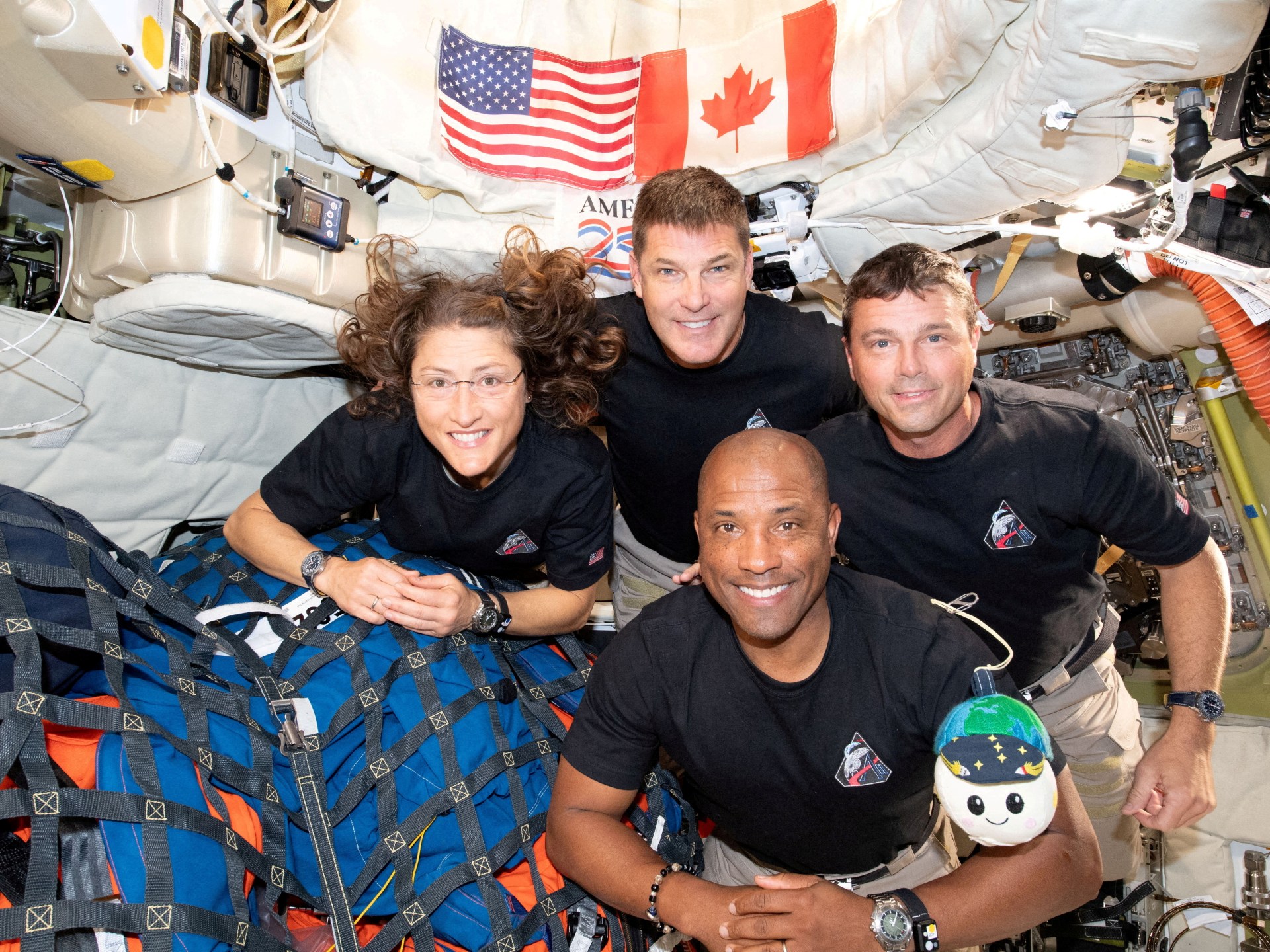
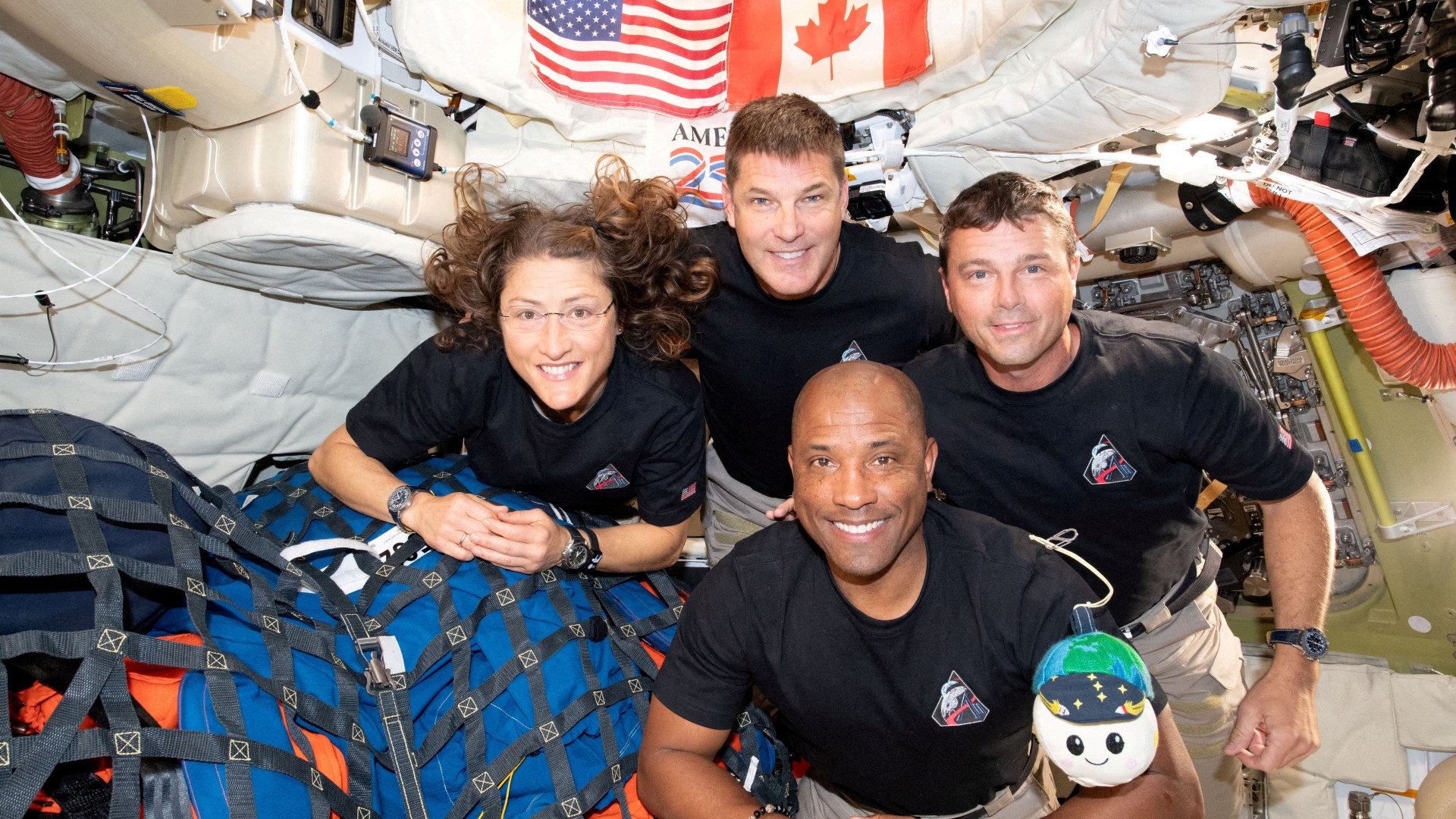
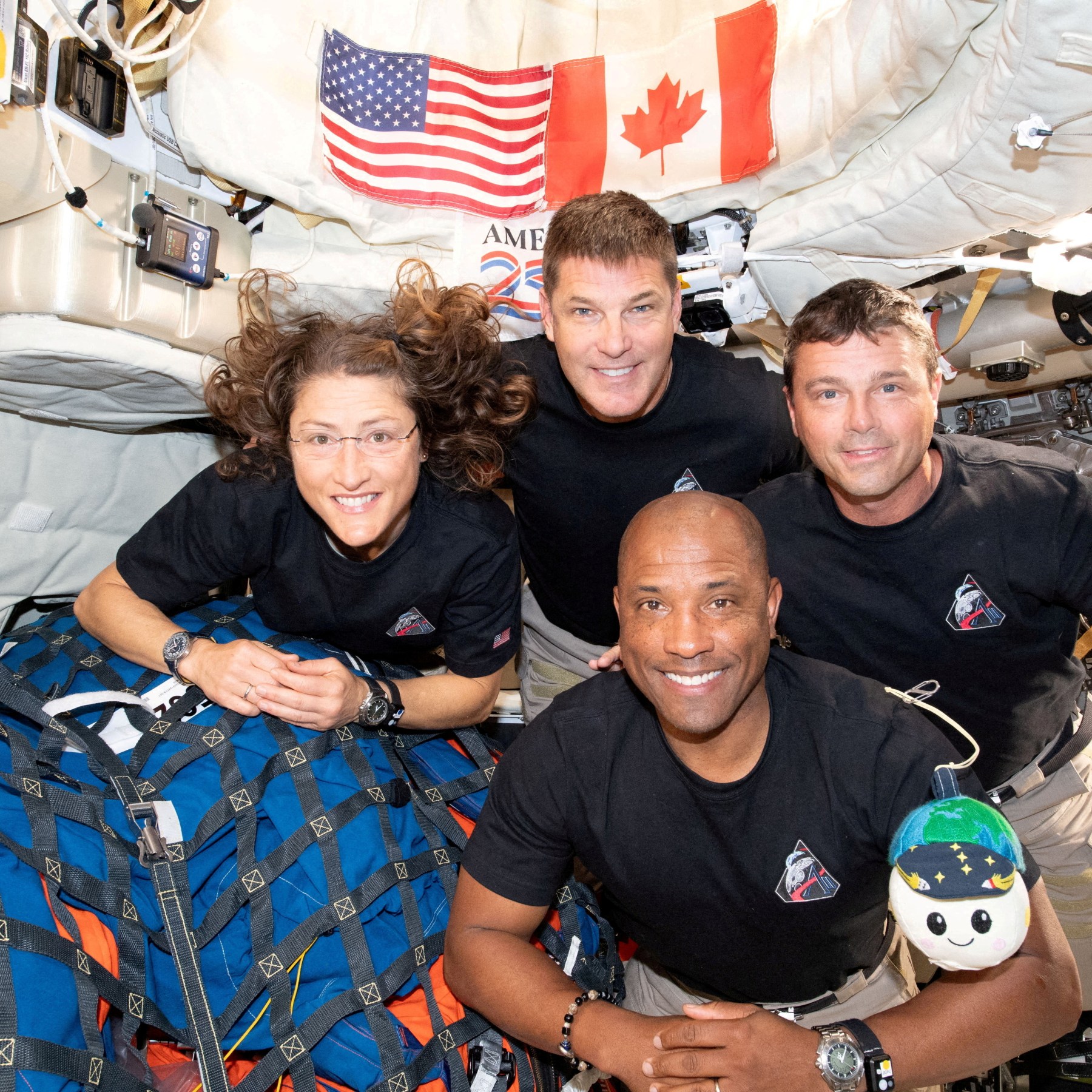
The lunar explorers – commander Reid Wiseman, pilot Victor Glover, Christina Koch, and Canada’s Jeremy Hansen – surfaced from their floating capsule into daylight off San Diego’s coast.

Echoing the iconic Apollo missions, military helicopters lifted each astronaut individually from an inflatable raft connected to the capsule, transporting them to the waiting Navy recovery vessel, USS John P Murtha.

“These were the ambassadors from humanity to the stars that we sent out there right now, and I can’t imagine a better crew,” NASA Administrator Jared Isaacman declared from the recovery ship.

NASA’s Mission Control erupted in celebration, with hundreds pouring in from the back support rooms. “We did it,” NASA’s Lori Glaze rejoiced at a news conference. “Welcome to our moonshot.”

Their Orion capsule, named Integrity, executed its entire descent automatically. The lunar vessel struck the atmosphere at Mach 33 – 33 times the speed of sound – a scorching velocity unseen since the Apollo era.

Tension intensified in Mission Control as the capsule became enveloped in red-hot plasma during peak heating, entering a scheduled communication blackout. All attention focused on the heat shield’s crucial performance as it endured temperatures of thousands of degrees during re-entry.

Witnessing the event from nearly 2,000 miles (3,200 kilometres) away, the astronauts’ families gathered in Mission Control’s viewing room, cheering when the capsule emerged from its six-minute blackout and again at splashdown.
Comments
You must be logged in to comment.