bbc Press
Why updating national grid is pushing up energy bills
Images
1 / 4

2 / 4
3 / 4
4 / 4
Since the outbreak of war in Iran, the world has been gripped by another energy crisis and economic analysts expect the UK to be particularly badly affected.

At Westminster, MPs have generally been making one of two arguments about ways to lower our energy costs, which can be summed up as:

But there's a key cause of rising energy bills that this debate has barely touched on: network costs.

Our energy bills don't just pay for the gas and electricity we use at home. They also cover the costs of maintaining, modernising and expanding Britain's energy system.

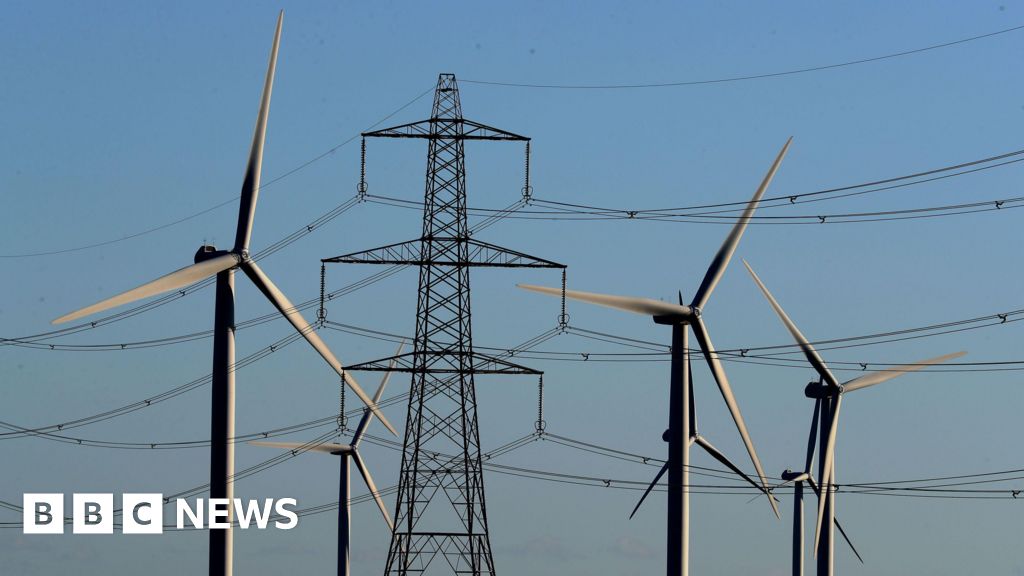
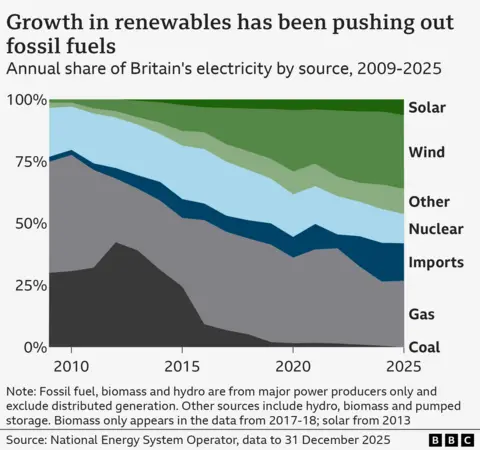
Britain's use of renewables, such as wind and solar, has increased massively in recent decades and major upgrades to the national electricity grid are needed to carry the power generated from these sources.

A lot of the electricity is coming from offshore wind in northern Scotland and many more cables are being installed to distribute this power across the country.

This is not cheap.

The great rewiring of Britain is expected to cost about £70bn over the next five years.

Meanwhile, the lack of connections mean wind farms are sometimes paid to switch off their turbines to avoid overloading the grid.

These network costs will filter through to household energy bills.

Last year, UK energy regulator Ofgem said investments in the grid would contribute to a net increase of about £30 to the average consumer bill by 2031.

That calculation doesn't include other elements of the bill that are expected to increase.

A forecast by Ben James, an independent energy analyst, presents a fuller picture, suggesting the average annual electricity bill will be £1,045 by 2030, a rise of about £80.

Much of that increase is forecast to come from network costs which, according to James's calculations, will add about £135 to annual bills by 2030.

Another forecast, by energy supplier Octopus, suggests electricity bills could increase by at least 15% by 2030, with grid investments and other costs adding about £260-£300.

"Even if gas prices stay steady, the non-commodity elements of the household electricity bill are likely to go up," says Rachel Fletcher, director of economics at Octopus Energy.

"It is also the case that the current instability in the Gulf is creating inflationary pressures which mean the upper end of our 2030 forecast is now even higher."

It's important to note that assumptions, such as future electricity distribution costs, are built into these estimates and there is uncertainty.

But why are these network costs projected to be so high?

Energy analysts tend to blame years of underinvestment.

A recent study found energy network operators had underinvested by £490m annually.

Two energy analysts pointed to a 2009 decision made by Ofgem to enable new wind farms to connect to the network before the grid had been expanded.

"This created a precedent for avoiding investment," says Adam Bell, director of policy at Stonehaven, a consultancy. "This is the explanation the government prefers."

So what can be done?

The Labour government is pressing on with its mission to reach 95% clean power by 2030, believing it will lower bills.

The Liberal Democrats and the Green Party also support the dash for clean power, with the former setting out plans to change how renewable projects are paid for, and the latter calling for higher taxes on oil and gas companies.

But the Conservatives and Reform have taken critical stances on renewables, both prioritising cost-cutting, fossil fuels, and reversing climate commitments, albeit with different proposals.

If energy costs soar this year, Energy Secretary Miliband could come under pressure to push back the government's 2030 clean power target.

As the Economist recently argued, that could mean a more gradual build-out of renewable power, allowing more time to invest in cheaper onshore wind and reform the electricity market.

The Tony Blair Institute has also expressed scepticism about the clean-power mission, suggesting expensive grid buildout should be minimised by placing electricity supply closer to demand.

In a paper published this week, the think tank called for a review of grid plans to "identify cost efficiencies" and the approval of oil and gas projects in the North Sea to boost the UK government's tax intake.

With a backlog of wind farms waiting for connections, though, a lot of these network costs are already baked in.

"Inflation means that investing in our energy networks will cost more, whatever energy we use," said Susie Elks, senior policy adviser at the E3G think tank.

She argues the faster we hook up a bigger supply of clean energy to the grid, the better.

That's because in Britain, when there isn't enough renewable power to meet demand, the grid often uses gas-generated electricity, which can be more expensive, especially during global energy shocks.

"The government needs to get renewable energy to people's homes so they can be protected from big spikes in the gas and oil price," Elks said.

In the long term, the march towards renewables is expected to reduce our energy bills eventually.

Analysis by the National Energy System Operator suggests Britain's energy costs could drop from about 10% of national income in 2025 to about 5-6% by 2050.

But with costly grid upgrades needed to realise uncertain future savings, the path to 2050 could be an expensive one.

That's awkward for a Labour government that's made reducing the cost of living right now its top priority, and any party that wishes to be in power during the next few decades.
Comments
You must be logged in to comment.