yahoo Press
Wallet check: Food, gas, fun. There's no escaping high prices.
Images
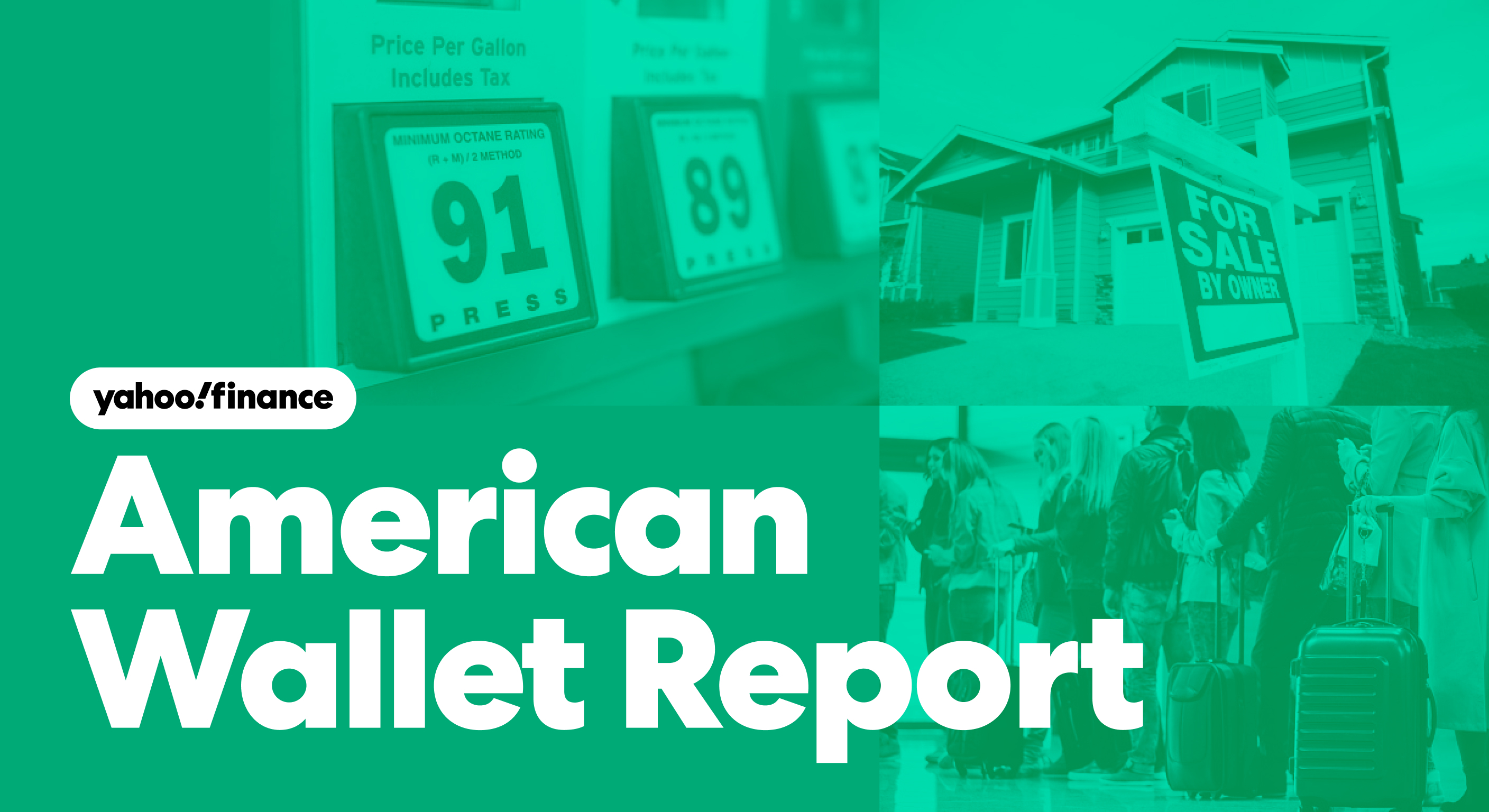
1 / 5
2 / 5

3 / 5
4 / 5

5 / 5
Whether you're paying for a fun night out or working just to fill the fridge, everything feels expensive.

You're not imagining it: Everything is expensive.

Though consumers have largely grown used to costs that soared during the pandemic, never came back to Earth, and keep ticking higher, the conflict with Iran this year has pressured prices even further. While gas prices are cooling off from highs hit earlier in the war, they're still nearly $1 higher than a year ago. And "funflation" might just be the portmanteau of the summer.

Here's Yahoo Finance's snapshot of how some everyday costs have ballooned:

A typical 16-item basket of groceries compiled by Yahoo Finance was 41% higher in July than the same month in 2019, far outpacing overall inflation.

A few key categories were behind the rise: Coffee prices have more than doubled since the pandemic, while beef prices have soared more recently. Egg prices have dropped from 2025's levels — but are still nearly $1 more by the dozen compared to July 2019.

Snacks can be especially expensive. A pound of potato chips these days costs almost $7, a more than $2 hike from pre-pandemic levels.

Read more: What is inflation, and how does it affect you?

At today's prices, the non-necessities that keep us sane feel more like major budget line items than guiltless splurges.

Take a cup of coffee. Toast, a restaurant software provider, says the median menu price of a cold brew coffee was $5.62 in June, up 3.7% from a year ago. Burger prices are up 2.2%, ringing up at $14.71. Fancy a beer? A cold one now averages $6.60, up about $0.50 in three years.

A night at the movies is no longer a cheap date. Data from EntTelligence, a research firm, found the price of an adult ticket hit $13.48 in June, compared to $13.07 a year ago.

Looking to get away? Buckle up. Domestic airfares hit an average of $367 this summer, according to Kayak, up a whopping $96 from August 2025. International flights clock in at $878, $176 over last summer.

The majority of US households have at least one car. Paying for it is an especially big lift these days. The average new vehicle payment was projected at $808 per month in July, according to J.D. Power, 3.4% higher than a year ago. At the end of 2020, the average payment was $610.

More consumers are turning to 84-month loans to finance increasingly expensive vehicles — as of June, the average transaction price for a new vehicle was $49,758, up about 1% from a year ago, according to Kelley Blue Book.

Car insurance, too, is no afterthought. It's down nearly 5% since last July, but that follows many months of double-digit inflation. The average monthly premium nationwide clocked in at $189 as of June, according to Experian, though location matters a lot. Drivers in states including Maryland, Connecticut, and New York pay over $300, meaning some Americans spend well over $1,000 a month on financing and insurance combined.

Then there's gasoline, which has soared throughout the war in Iran. The national average price, which has fluctuated with the state of peace negotiations, is starting to rise again and now hovers above $4 a gallon, meaning a biweekly fill-up for a 16-gallon vehicle runs around $130 a month.

The single-biggest monthly expense for most people is housing. Whether you rent or you own, you're probably paying more now. Rental costs and home prices vary widely depending on location — generally, they're higher on the coasts and lower in the Midwest and the Southeast —  but median rent in the US is $1,965, a 40% jump from $1,404 in 2019.

While rents have risen, the cost of homeownership has become even more bruising. The ongoing housing shortage has sent home prices rocketing higher, and mortgage rates north of 6.5% make monthly payments far more expensive for today's buyers. What's more, "hidden costs" of homeownership, like taxes, insurance, and maintenance costs, have all been increasing too.

All in, the median monthly housing payment for an owner, which includes mortgage principal and interest, taxes, homeowners insurance, and estimated maintenance expenses, has ballooned to $3,008, a staggering 83% increase from $1,640 seven years earlier. That jump has had profound ripple effects on the economy, encouraging many aspiring homebuyers to rent for longer and homeowners with the 3% mortgage rates of yore to stay put, even if their homes no longer meet their needs.

Another area where homeowners and renters alike feel stretched? Their utility bills. Though volatile, the cost of electricity and heating has generally been on the rise in recent years due to a combination of factors including data center demand, climate change, and US gas exports.

Electricity costs nearly $0.20 per kilowatt hour today, up 41% from $0.14 in 2019. In the same time period, utility gas prices have spiked 66%. Fuel oil is up more than 64%, rocketing 20% since February alone due to the Iran War.

More than 150 million Americans get health insurance through an employer. The premiums are generally more affordable than those on ACA marketplace plans, particularly since tax subsidies expired this year that helped keep costs down.

But like so many other things, healthcare premiums have gone up too. According to KFF, average annual premiums for employer-sponsored health insurance in 2025 were $9,325 for single coverage and $26,993 for a family, up 6% from a year prior and 25% from five years ago. Employers shoulder a huge piece of that cost, but workers' share of annual premiums is on the rise as well.

And of course, that's just premiums. Add in deductibles, co-pays, and out-of-pocket maximums, and healthcare costs overall are soaring — even for those fortunate to have access to employer-sponsored plans.

Claire Boston is a senior reporter for Yahoo Finance covering housing, mortgages, and home insurance.

Emma Ockerman is a former reporter for Yahoo Finance.

Sign up for the Mind Your Money newsletter

Click here for the latest personal finance news to help you with investing, paying off debt, buying a home, retirement, and more

Read the latest financial and business news from Yahoo Finance
Comments
You must be logged in to comment.