yahoo Press
Northwestern Medicine hosting annual open house for Black Maternal Health Week
Images
1 / 10
2 / 10

3 / 10

4 / 10

5 / 10

6 / 10
7 / 10

8 / 10

9 / 10

10 / 10
As part of Black Maternal Health Week, Northwestern Medicine’s obstetrics and gynecology department is hosting its third annual open house aimed at spreading awareness and educating people who are or are planning to become pregnant.

The event takes place from 5 to 7:30 p.m. Tuesday at Northwestern Prentice Women’s Hospital in Chicago’s Streeterville neighborhood and will feature presentations, Q&A sessions and tours of the labor and delivery floors.

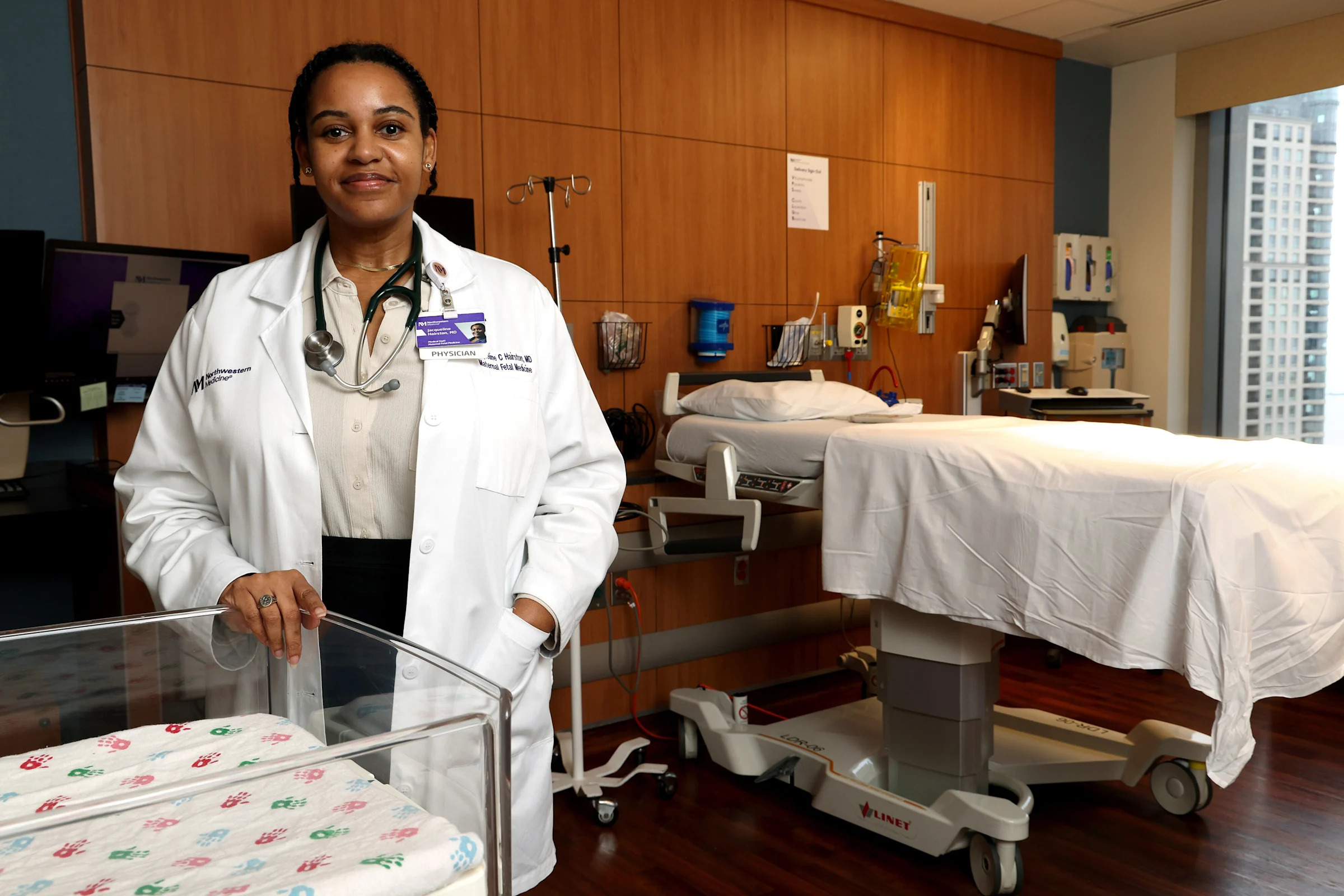
Dr. Jacqueline Hairston, a maternal-fetal medicine specialist at Northwestern, said this type of event is especially important given the “stark disparities in outcomes” when it comes to Black maternal health.

According to the U.S. Centers for Disease Control and Prevention, Black women and infants experience fatal pregnancy complications at higher rates than any other racial or ethnic group in the United States.

Black women are more than three times more likely to die of pregnancy-related deaths compared with white women. In 2024, the most recent year of published CDC infant mortality data, Black infants died before their first birthday at a rate more than double the number of white infants.

Before delivering her son, Ryder, at Northwestern in 2024, Daria Siler, who is Black, experienced what she described as “dismissive” care at another health system during her first pregnancy, resulting in a second trimester miscarriage, she said.

She recalled being told her pain was normal and said her physicians never followed up when they thought they may have spotted a hematoma during one of her ultrasounds.

“I felt like it had to be these extreme things going on before I should go seek help,” Siler, 32, said. “But a lot of times, early intervention and being proactive when something feels off or weird is where you should begin.”

Siler isn’t the only one who reports experiencing subpar pregnancy care in and around Chicago.

Back in November, a video of a Dolton woman who gave birth in her car after being turned away from an Indiana hospital during labor went viral, drawing national outrage and attention toward Black maternal health inequities.

As a physician, Hairston said many of her Black patients have shared stories of feeling like their symptoms were ignored in other health centers. She referred to tennis star Serena Williams’ near-death birthing experience as an example of how even wealthy and famous Black women have been ignored when it mattered most.

She hopes next week’s open house can help bring attention to this type of disparity and break some of the stigmas when it comes to high-risk pregnancy. Though the event will focus specifically on Black maternal health, she encourages all people, regardless of race or background, to attend.

“When you’re improving outcomes for Black birthing people, you’re ultimately going to be improving outcomes for all,” Hairston said.
Comments
You must be logged in to comment.