buzzfeed Press
According To Experts, These Are The 7 Places In Your Kitchen Mold May Be Hiding
Images

1 / 15

2 / 15

3 / 15
4 / 15
5 / 15

6 / 15

7 / 15

8 / 15
9 / 15
10 / 15
11 / 15
12 / 15
13 / 15
14 / 15
15 / 15
If you’re reading this, it might be time to replace that kitchen sponge...

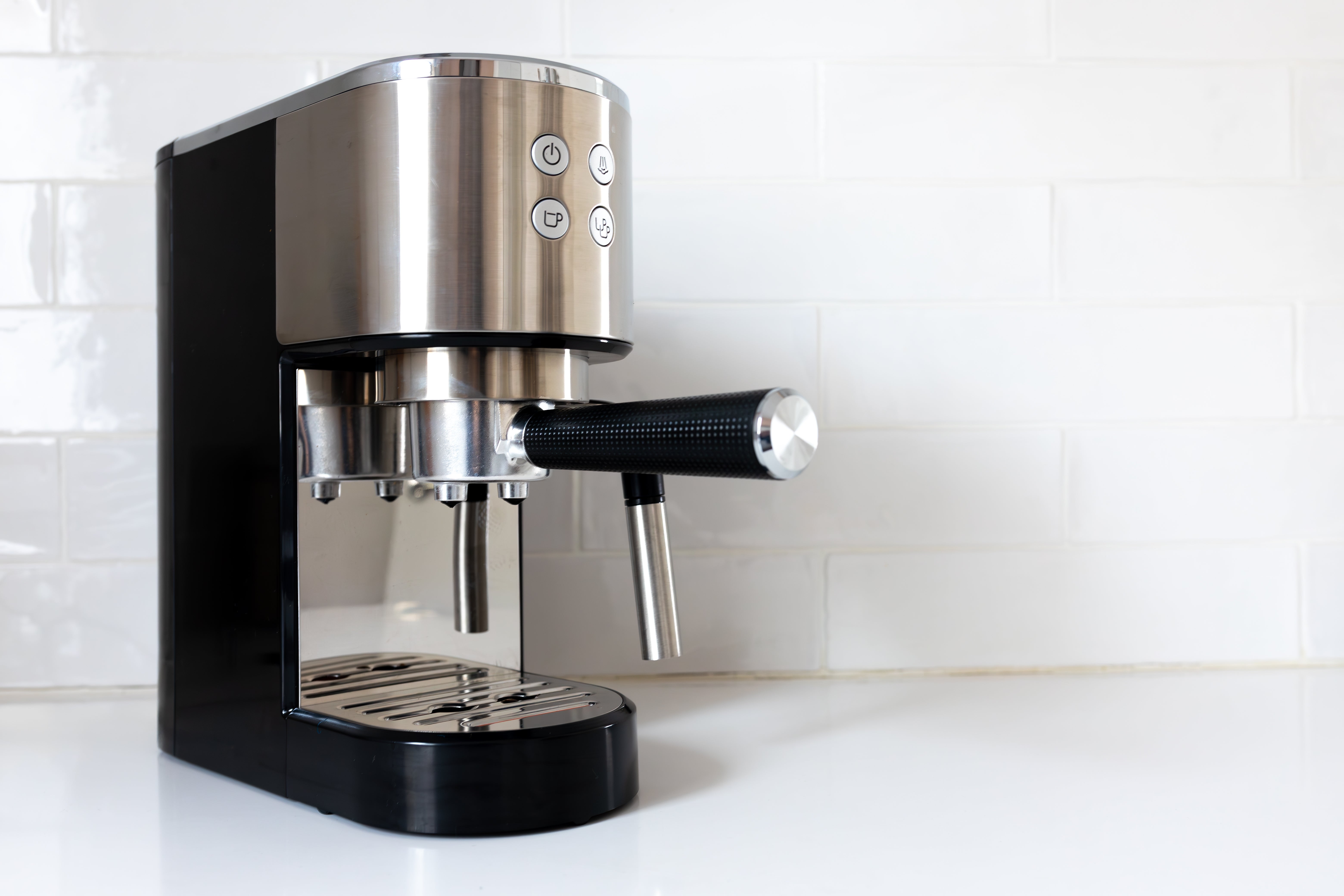
If your morning brew tastes a little off, your coffee maker might be brewing up more than just a dark roast.

Coffee makers are basically prime real estate for mold. They’re warm, moist, and full of organic residue, everything spores need to feel at home.

“Internal water reservoirs and drip trays trap moisture and residue,” says Shaw. Even reusable filters can grow mold if they’re left damp. So look out for a slimy texture on surfaces or mold growing under parts like the water vessel lids.

Shaw suggests emptying and air-drying reservoirs or trays after every use, and letting the machine dry fully before closing it up. Once a week, disassemble the removable parts, wash them in hot, soapy water, and ALWAYS dry everything completely.

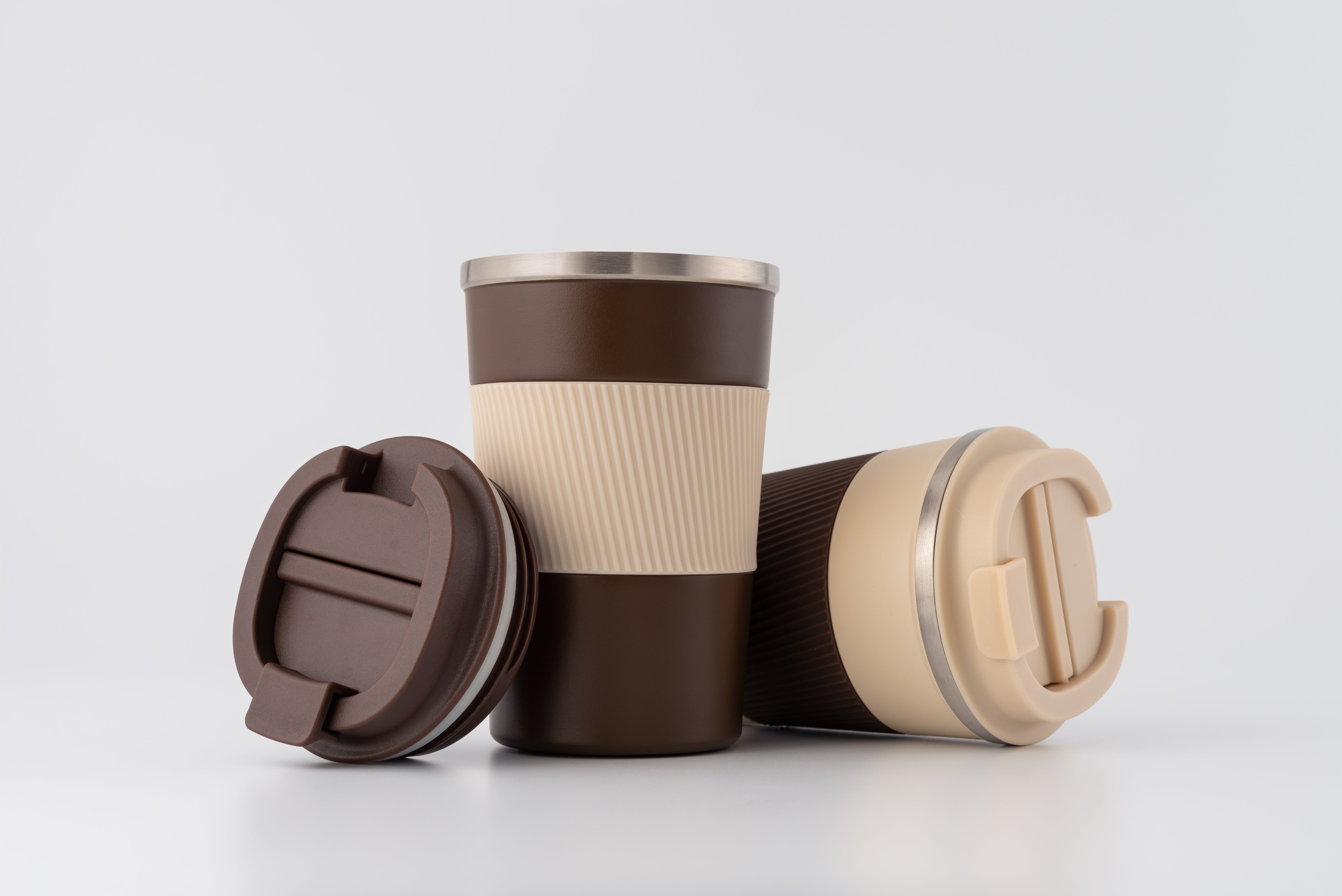
That rubber ring on your blender or favorite travel mug is a lifesaver for preventing leaks, but it’s a moisture-trapping mindfield.

“Rubber seals hold onto moisture and organic material long enough for mold spores to settle in,” says Rubino.

These rubber gaskets have folds and creases that trap water and grime. They’re hard to dry, harder to clean, and almost always overlooked, especially in places like refrigerator doors and dishwasher seals.

Look for dark specks in rubber seals or lid creases, he adds. If you see pink or orange buildup, that’s often a bacterial or yeast party, which is a major hygiene red flag.

Wipe seals regularly, pull back folds when cleaning, and dry thoroughly. If mold keeps coming back or the rubber is cracked, replacing it is safer than scrubbing.

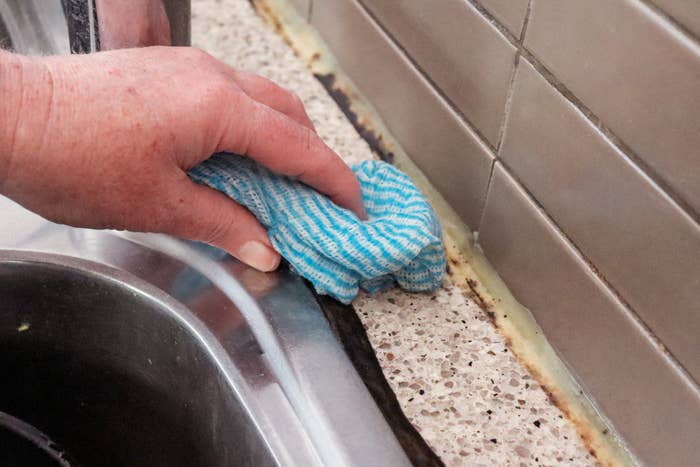
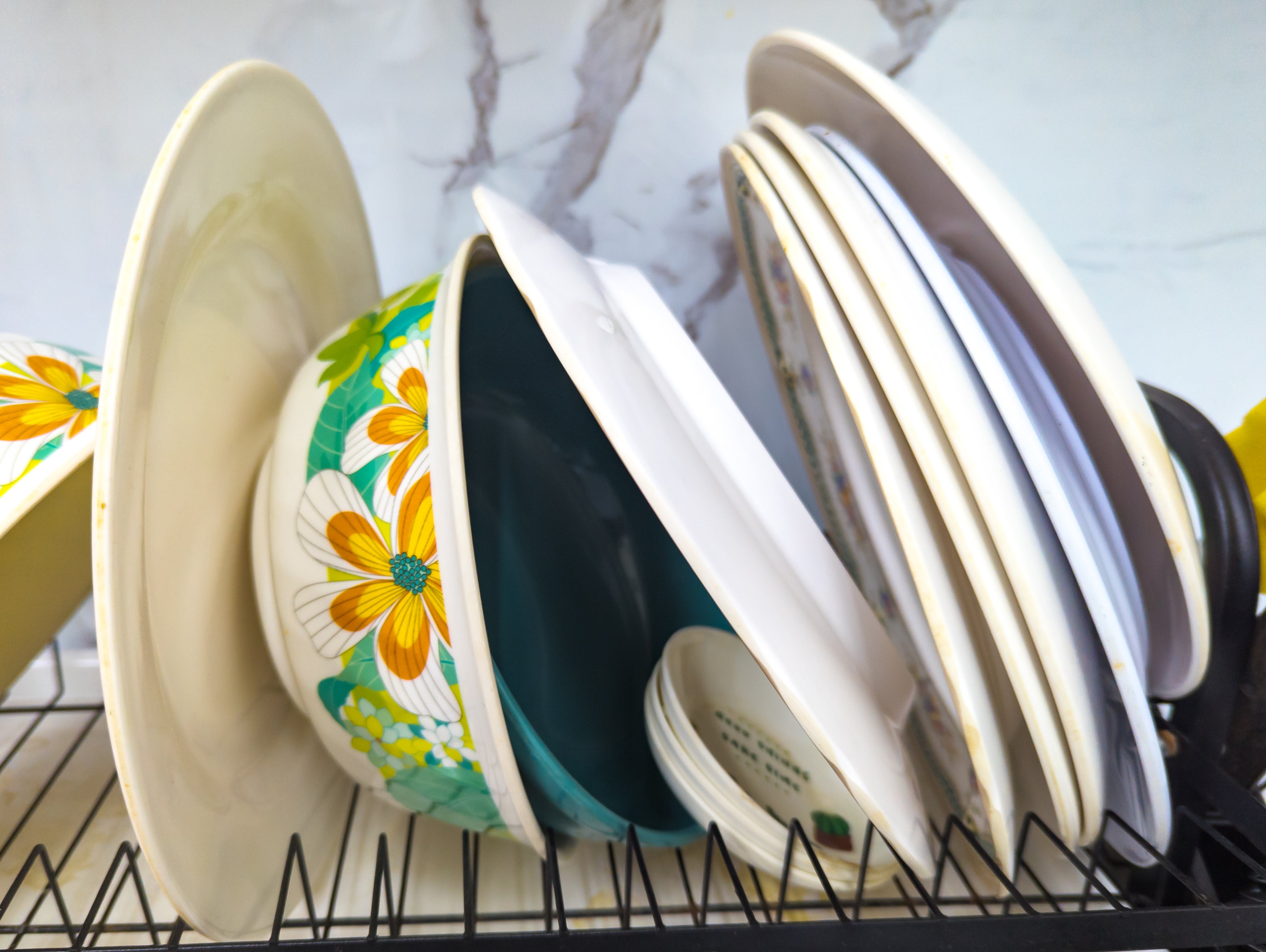
Ideally, this is where things go to get clean, but ironically, it’s often one of the dirtiest spots in the kitchen.

“Dish racks stay damp for long periods and rarely get cleaned…that lingering moisture is the real issue,” Shaw explains. The trays underneath racks often collect standing water, food bits, and soap residue, creating a low-airflow swamp that mold loves. Dark specks, a musty or earthy smell near the sink, slime on the tray, or pink/orange buildup are all red flags.

Don’t just let water sit there. Empty the drip tray after every use, wash racks and trays weekly, and dry thoroughly. Also, mold hates airflow, so don’t stack dishes so tightly that air can’t circulate.

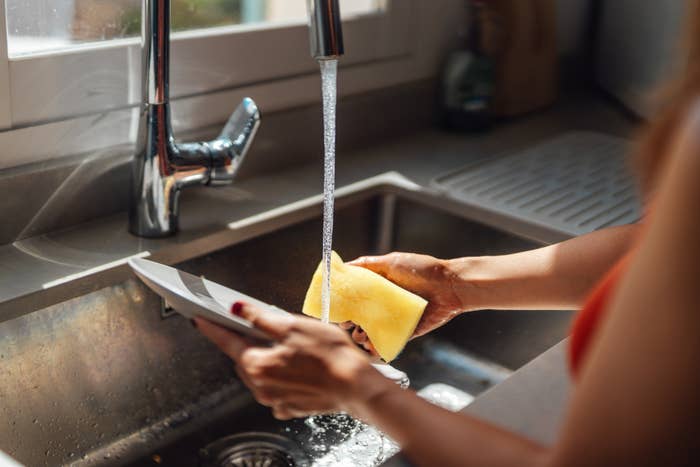
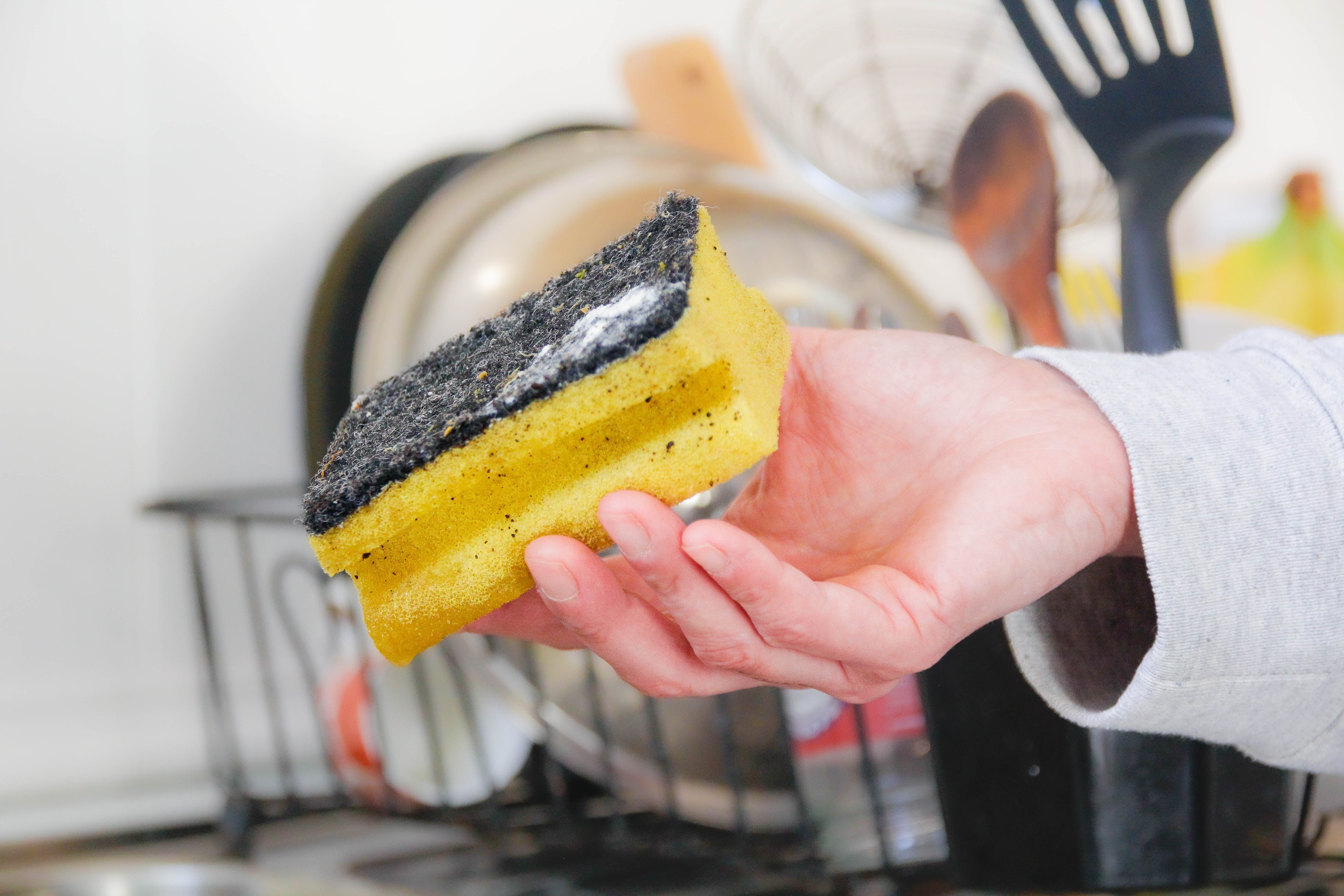
When it comes to everyday mold makers, your sponge is likely public enemy number one.

Sponges are bacteria’s best friend: they’re porous, constantly damp, and full of food particles, making them difficult to fully decontaminate once wet.

“Porous items can’t be fully cleaned, allowing continued exposure,” says Rubino. He recommends replacing sponges immediately if they smell or feel slimy.

Shaw recommends ditching the sponge entirely for brushes that dry upright or a dishcloth that you wash and dry after every use.

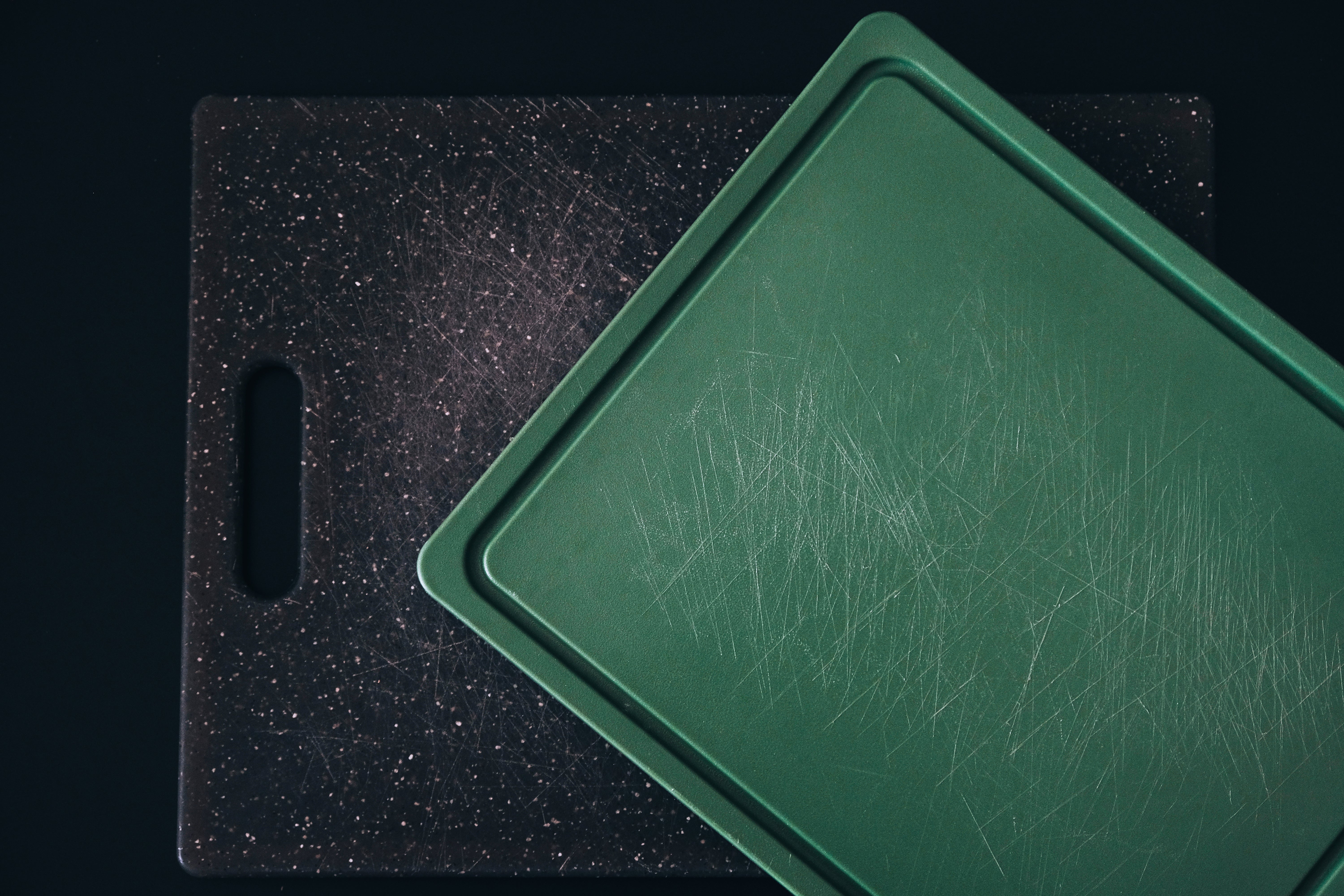
If your reusable containers have seen better days, they might be harboring more than just stains. According to Shaw, “scratches, grooves, and snap-on lids can create small areas where mold can thrive.” Similarly, plastic cutting boards with deep cuts can retain moisture and organic matter that cannot be completely removed through scrubbing.

Always clean and thoroughly dry containers and cutting boards before storing them. If a container or board is heavily scratched or scored, it is safer to replace it rather than try to sanitize it.

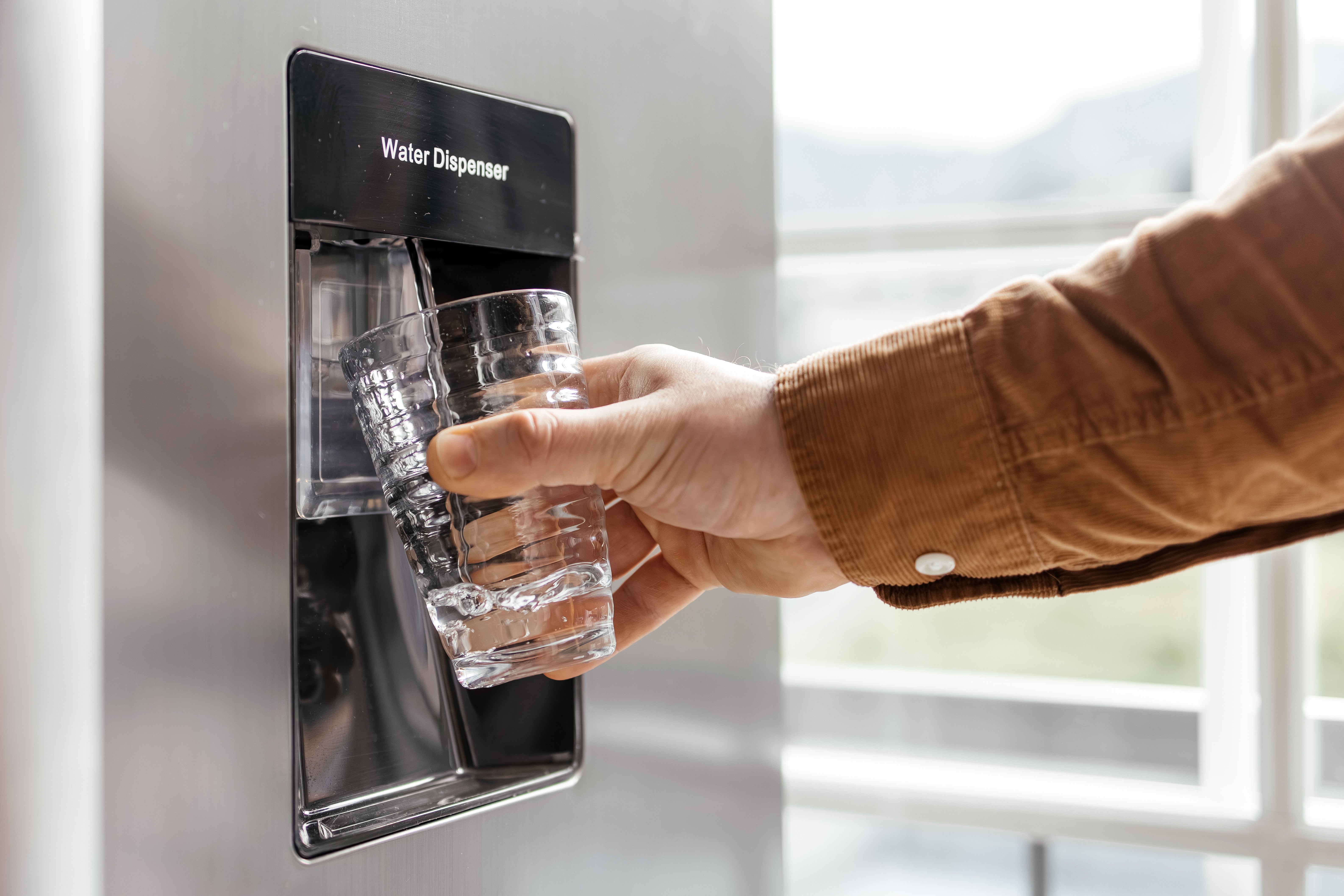
The whole point of a water filter is to make your water crisp, not contaminated.

Water dispensers, ice makers, and fridge drip pans can sit in moisture for days, creating the perfect environment for mold to grow. The nozzles and drip trays catch splashes and airborne spores, while the internal filters can build up gunk over time. If you don’t change them out regularly, they can become part of the problem rather than the solution.

“Mold can exist in small interstitial spaces or in hard-to-reach areas,” says Rubino. “So while you can’t see it, that growth can still be there.”

Warning signs include visible slime or dark spots near the dispenser nozzle, a musty odor, or water and ice that taste slightly off.

Change filters according to the manufacturer’s schedule. Clean dispensing areas, drains, and drip pans regularly and make sure they’re fully dry afterward.

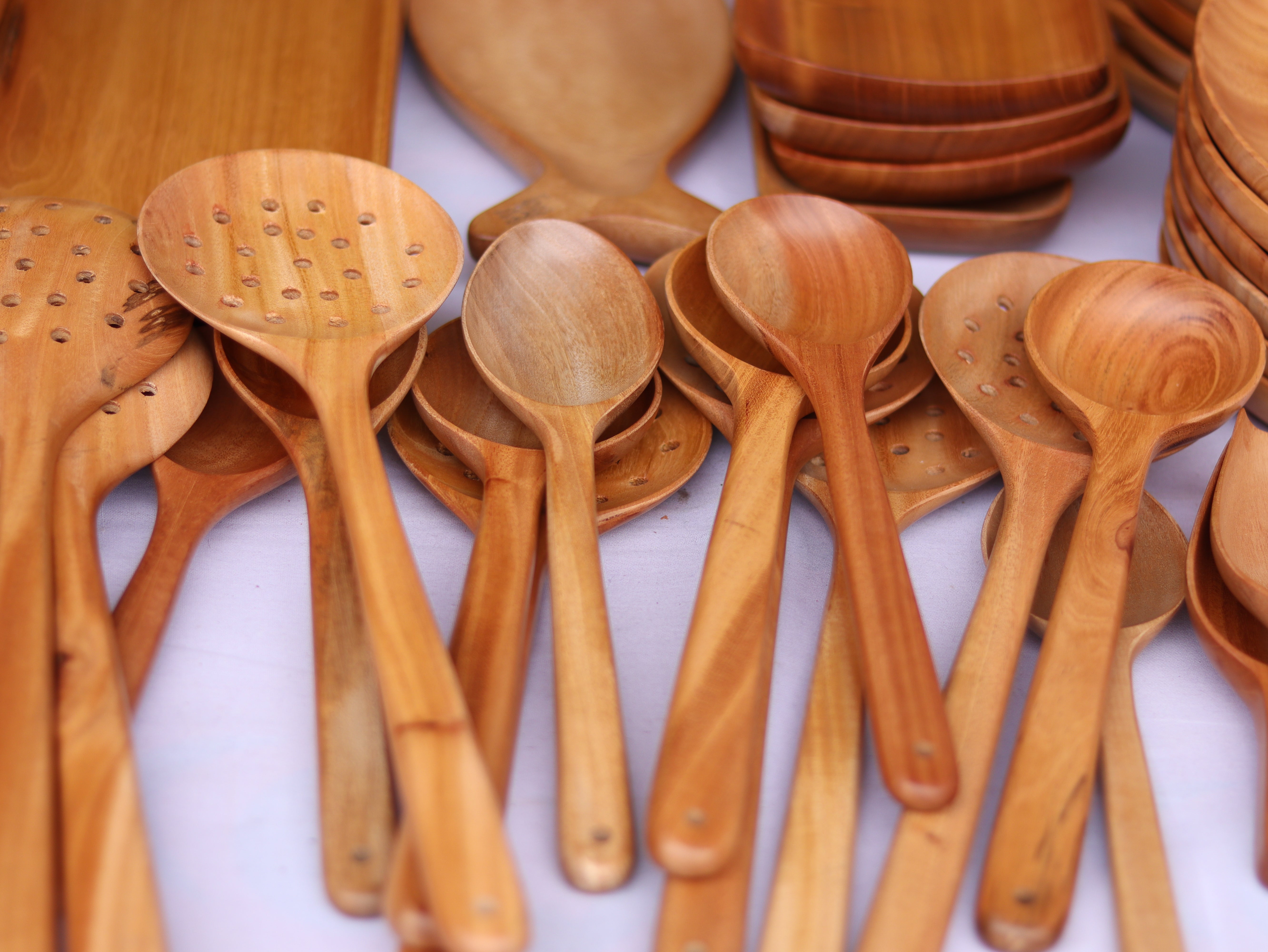
Wooden knife blocks collect crumbs, moisture, and darkness...which, unfortunately, are also mold’s favorite things. And even when they look clean, you may not be in the clear.

“Mold spores and bacteria can start to form colonies without you seeing them,” says Yakas. Wooden cutting boards and utensils face the same issues, especially if they’re scratched or put away while still wet.

Those knife marks and tiny cracks trap moisture and food debris, creating pockets where spores can spread beneath the surface. When wood starts holding onto odor instead of releasing it, it’s past its prime.

Regularly turn knife blocks upside down and shake out debris. Wash wooden tools immediately after use and dry them thoroughly before storing. If boards are still stained, cracked, warped, or musty even after cleaning, it’s safer to replace them.
Comments
You must be logged in to comment.