yahoo Press
Teen Clocked 60 Over in Construction Zone, but It’s What Mom Said Next That’s Going Viral
Images
1 / 10
2 / 10

3 / 10

4 / 10

5 / 10

6 / 10
7 / 10

8 / 10

9 / 10

10 / 10
A Colorado traffic stop that’s now making the rounds online is being framed as another shocking speeding story. A teen allegedly clocked at more than 100 mph in a 35 mph construction zone, with a younger sibling in the passenger seat, and a police stop that could have ended far worse.

However, if you actually listen to what was said during that stop and look at how people are reacting to it, the speed is not the part that sticks. It’s the mindset. This does not come across as a one-time mistake. It sounds like something that had already been allowed to happen before.

According to NewsNation, Commerce City police said a 16-year-old was clocked at 100 mph on radar and stopped at 105 mph on Highway 2, where the speed limit had dropped to 35 mph in a construction zone. Police said the teen did not have a license or insurance, his 12-year-old brother was in the passenger seat, and he is facing charges including reckless driving and speeding, along with citations for no license and no insurance.

His mother was also cited for allowing an unlicensed driver behind the wheel. That is already a dangerous situation. What makes this different is everything that came after the stop.

Embedded media follows. Please allow a moment for it to load.

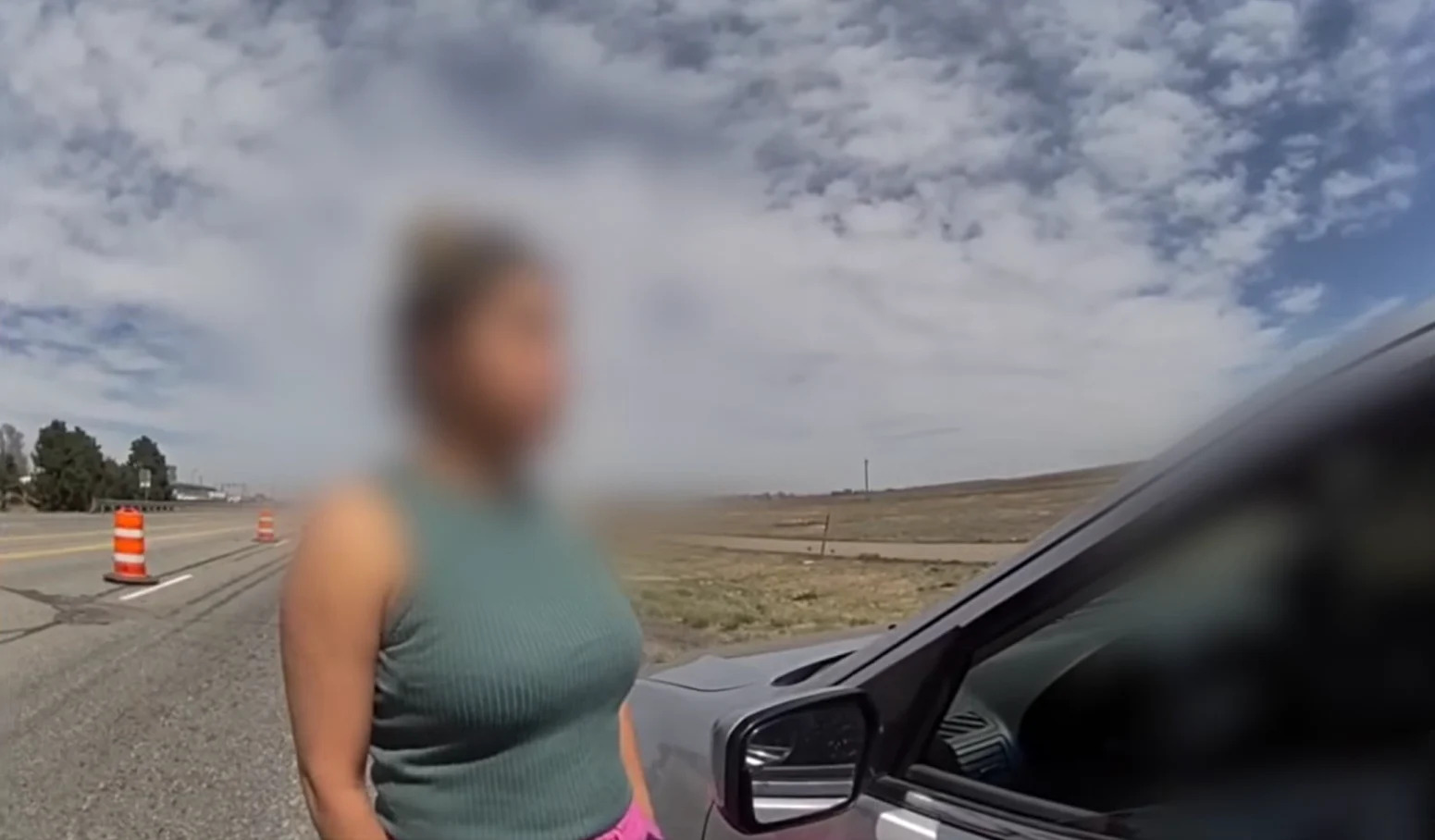
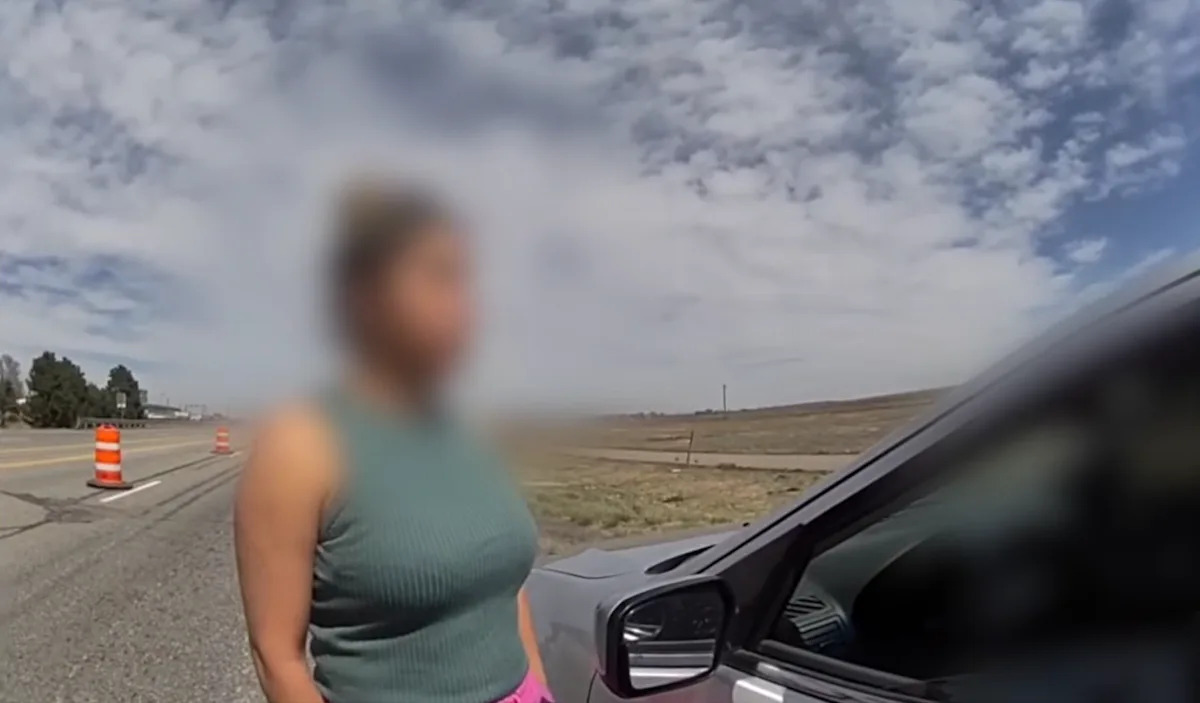
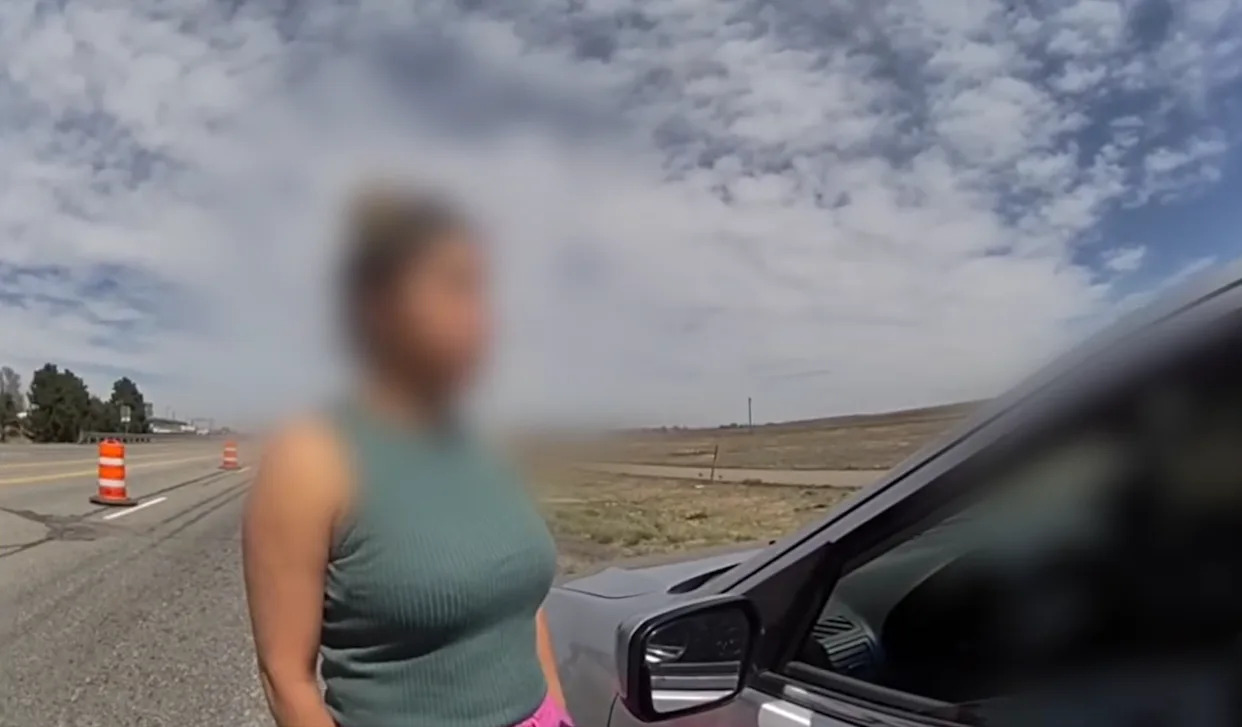
In the body camera footage, the officer asks a straightforward question: why were you going 105 mph in a 35 mph zone? The answer is not what stands out. The context around it is. When asked who let him drive, the answer points back to his mother. When she arrives, the exchange does not sound like a parent encountering a shocking, once-in-a-lifetime mistake.

It sounds like someone dealing with something they have warned about before.

“I told you to drive safe all the time,” she says. Moments later, she adds the line that people cannot get past: “Especially here, because you know there’s always cops here.” That is where the story shifts.

In that context, “drive safe” does not mean avoid reckless behavior. It sounds a lot more like avoid getting caught.

You do not need to overanalyze the footage to understand why this is resonating. The reaction under the police department’s Facebook post tells the story clearly. People are not focused solely on the speed. They are focused on what that comment reveals.

“Mom: ‘...because you know there’s cops here.’ Oh dear. I think she missed the point.”“Mom doesn’t really seem to grasp the bigger problem.”“Parents need to be charged, too.”“She’s not worried about their safety, she’s worried about tickets.”

The pattern is hard to ignore. This is not being read as a reckless teen acting alone. It is being read as behavior that was allowed, tolerated, and possibly repeated. That distinction is what makes this story land differently.

Teenagers make bad decisions. That is nothing new, which is exactly why licensing laws, supervision requirements, and insurance rules exist. Those layers are designed to prevent inexperience from turning into tragedy. They only work when the adults in the room enforce them.

An unlicensed 16-year-old driving at all represents a breakdown of those safeguards. Adding a younger sibling as a passenger raises the stakes further. Pushing that situation into triple-digit speeds in a construction zone is no longer poor judgment. It is a complete collapse of responsibility.

That is why so many people are asking not just what the teen was charged with, but what the mother was charged with and whether it was enough.

The officer did what needed to be done in the moment. The vehicle was stopped, and a dangerous situation was interrupted before it escalated further. The reaction online shows a deeper frustration that goes beyond the stop itself.

“If this doesn’t trigger serious consequences, what does?” is the underlying question.“That should have been an arrestable offense,” one commenter wrote.“Once they get the car back, guess what? They’ll do it again.”

This does not necessarily mean the officer failed. It does show that people are not convinced the outcome matches the level of risk described.

At a certain point, this stops being about one traffic stop and becomes a reminder of something that should not need repeating. Driving is not a right. It is a privilege that comes with clear responsibilities and requirements.

No one has the right to ignore licensing laws because it is more convenient. No one has the right to put an unlicensed driver on public roads. No one has the right to treat traffic laws as optional or to reduce “safe driving” to simply avoiding police presence. No one has the right to put everyone else at risk because getting somewhere feels more important than following the rules.

That is what makes this story linger. The speed is shocking. The charges are serious. The most concerning part is how normal it all seemed inside that car. When that mindset takes hold, the next stop does not always end with a conversation on the side of the road. Sometimes, it ends with something no one walks away from.
Comments
You must be logged in to comment.