aljazeera Press
Iranians breathe a ‘ceasefire’ sigh of relief as all sides claim victory
Images
1 / 7
2 / 7
3 / 7
4 / 7

5 / 7

6 / 7

7 / 7
Celebration and scepticism coexist in Tehran as ceasefire offers reprieve despite doubts about its durability.

Save

Share

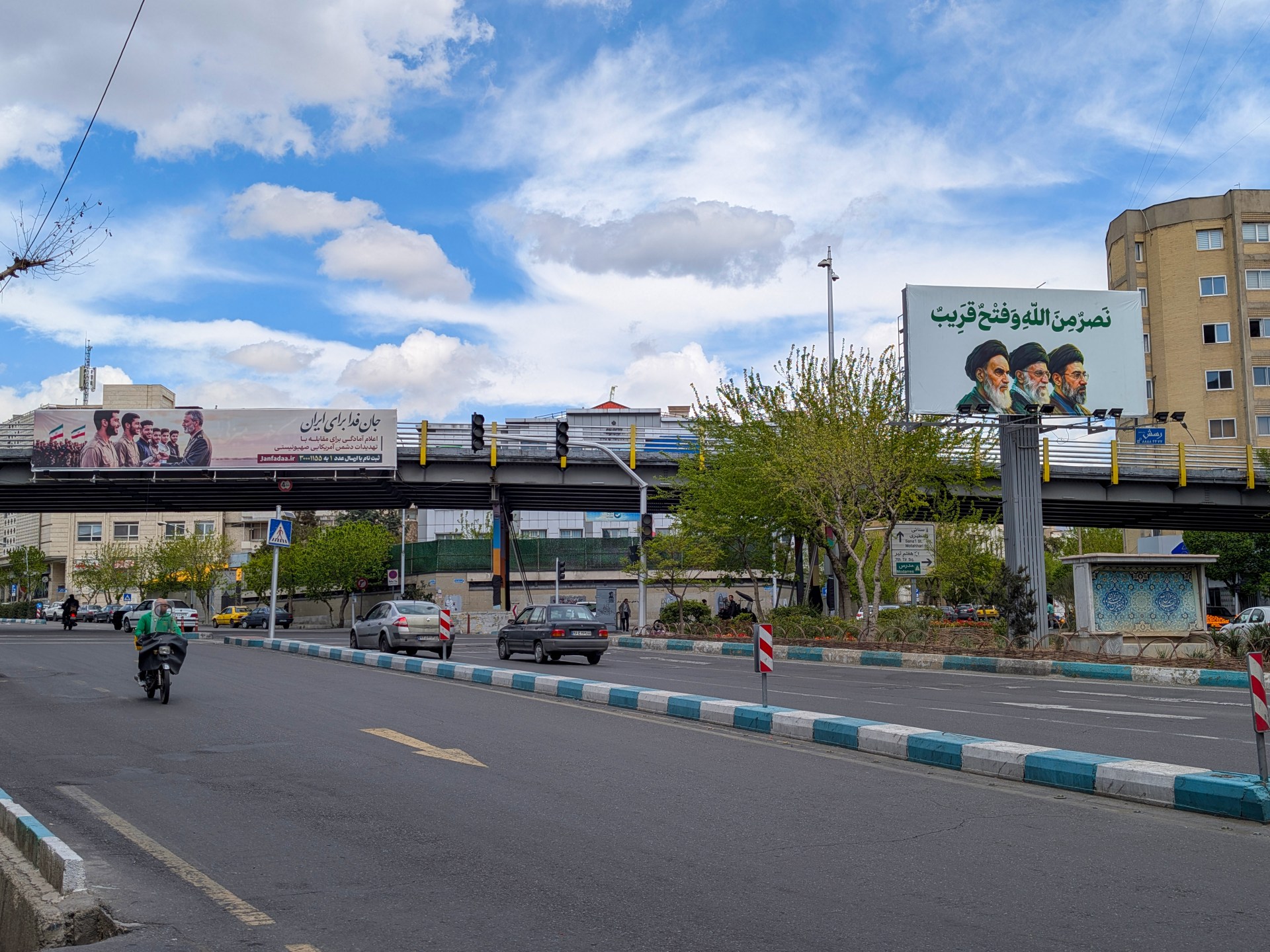
Tehran, Iran – The mental strain of living under daily bombardment has been partially lifted in Tehran and much of Iran as all parties to the war with the United States and Israel claim victory after a ceasefire was announced.

Some traffic has returned to the streets of the Iranian capital during daylight on Wednesday, the first day of a two-week ceasefire agreed between Iran and the US with mediation from Pakistan. Negotiations aimed at reaching a long-lasting agreement are expected to begin in Islamabad on Friday.

But Tehran, home to more than 10 million people, is still far from its usual commotion after being targeted by several thousand munitions since February 28. Air defence systems were activated for short periods several times since the ceasefire was announced overnight, but there were no reports of impacts or any official explanation for the activations.

People across Tehran, from young men and women huddling in vibrant cafes downtown to families sitting in parks, were debating whether the ceasefire would hold and what the future could have in store for them.

“Looks like the ceasefire will continue. I heard the Israelis are opening up their airspace more,” a young man said, referring to an announcement by Israeli authorities that flights will resume from Ben Gurion Airport.

Others, however, were more pessimistic, especially after two critical islands off southern Iran were attacked on Wednesday morning, hitting oil facilities. It is unclear who was behind the attack. The Islamic Revolutionary Guard Corps (IRGC) said it shot down a drone in the southern province of Fars.

Saudi Arabia, the United Arab Emirates, Qatar, Kuwait and Bahrain also reported attacks on their territories by missiles and drones from Iran with Iranian state television confirming this was in retaliation for the post-ceasefire oil attacks. Tehran said it was ready to restart military operations if attacked again.

On Tuesday, Iranians had been worried about the targeting of critical civilian infrastructure, such as power plants and bridges after a threat earlier in the day from US President Donald Trump to end “civilisation” in a country with one of the world’s oldest civilisations, dating back more than five millennia. The ceasefire was announced shortly before the midnight GMT deadline that Trump had set for an agreement to be reached to avoid US forces carrying out his threat.

The Israeli military did, however, intensify its attacks in the hours preceding the ceasefire, hitting electricity outposts, bridges and the railway network. Warplanes also struck the Iranian Aluminium Company in Arak, damaging the country’s largest aluminium production facility.

The Israeli army also extensively bombed Iran’s steel factories and petrochemical companies on Tuesday, putting them out of commission in an effort to impose more pressure on the already strained Iranian economy and population of more than 90 million.

Even after the ceasefire, Israel continued attacking Lebanon, killing more than 250 people in a devastating day of attacks on Wednesday. Israel said it was targeting Iran’s ally Hezbollah, but civilian locations across Lebanon were hit.

Trump hailed what he described as a decisive victory against Iran while announcing the ceasefire, but Dan Caine, his top general, emphasised that the deal only signifies a pause and combat operations could start once again if no final deal is reached. The US military said it struck 13,000 targets across Iran in less than six weeks of war.

In Iran, similar proclamations of victory and celebrations were broadcast from Iranian state television, and a statement from the Supreme National Security Council urged the most fervent supporters of the government to trust in the system and refrain from making “divisive commentary”.

The council also stressed that affairs were being overseen by Mojtaba Khamenei, who was declared Iran’s supreme leader after his father, Ayatollah Ali Khamenei, was killed on the first day of the war on February 28. The younger Khamenei and IRGC commander-in-chief Ahmad Vahidi have not been seen or heard from publicly since the start of the war.

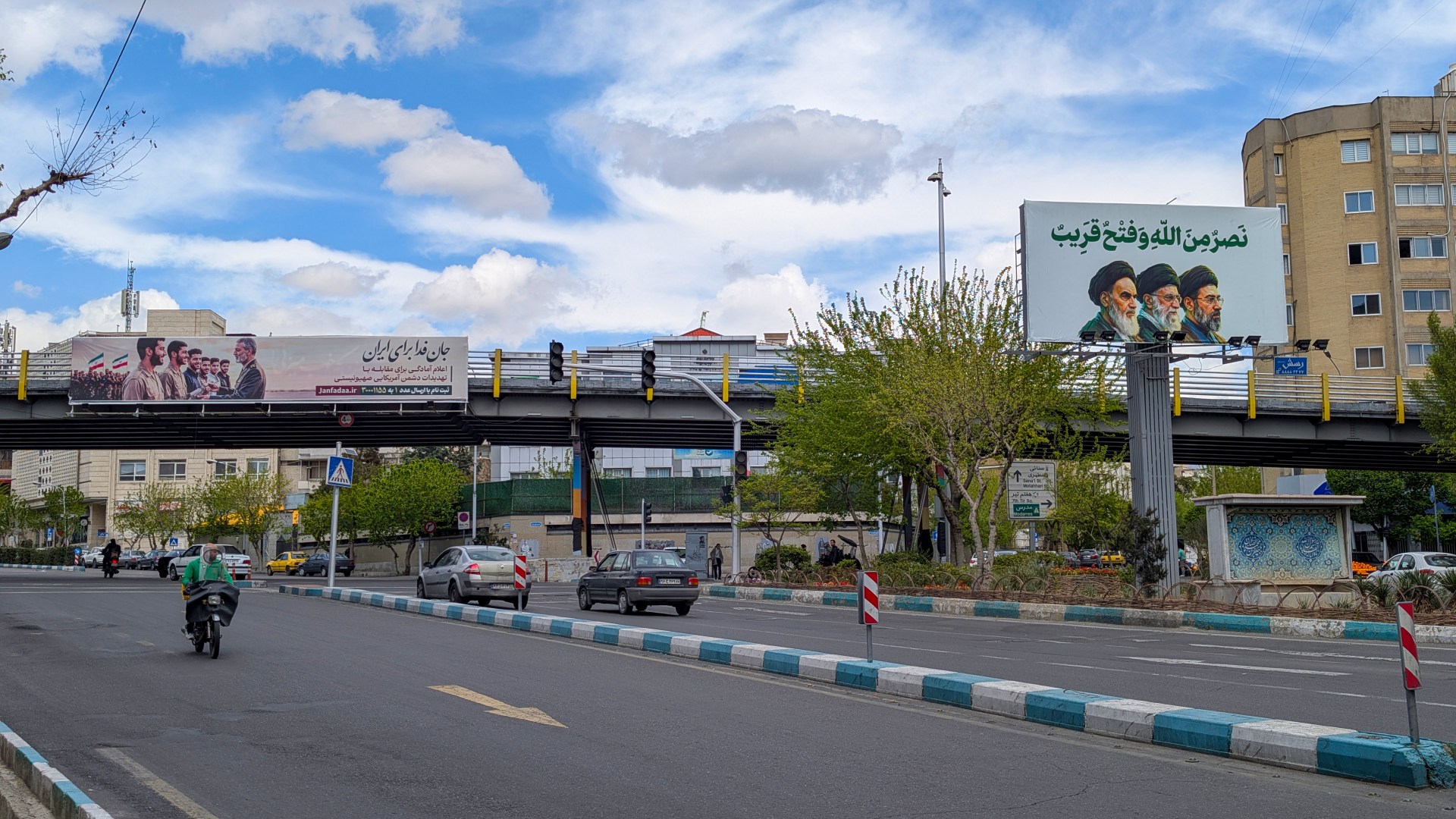
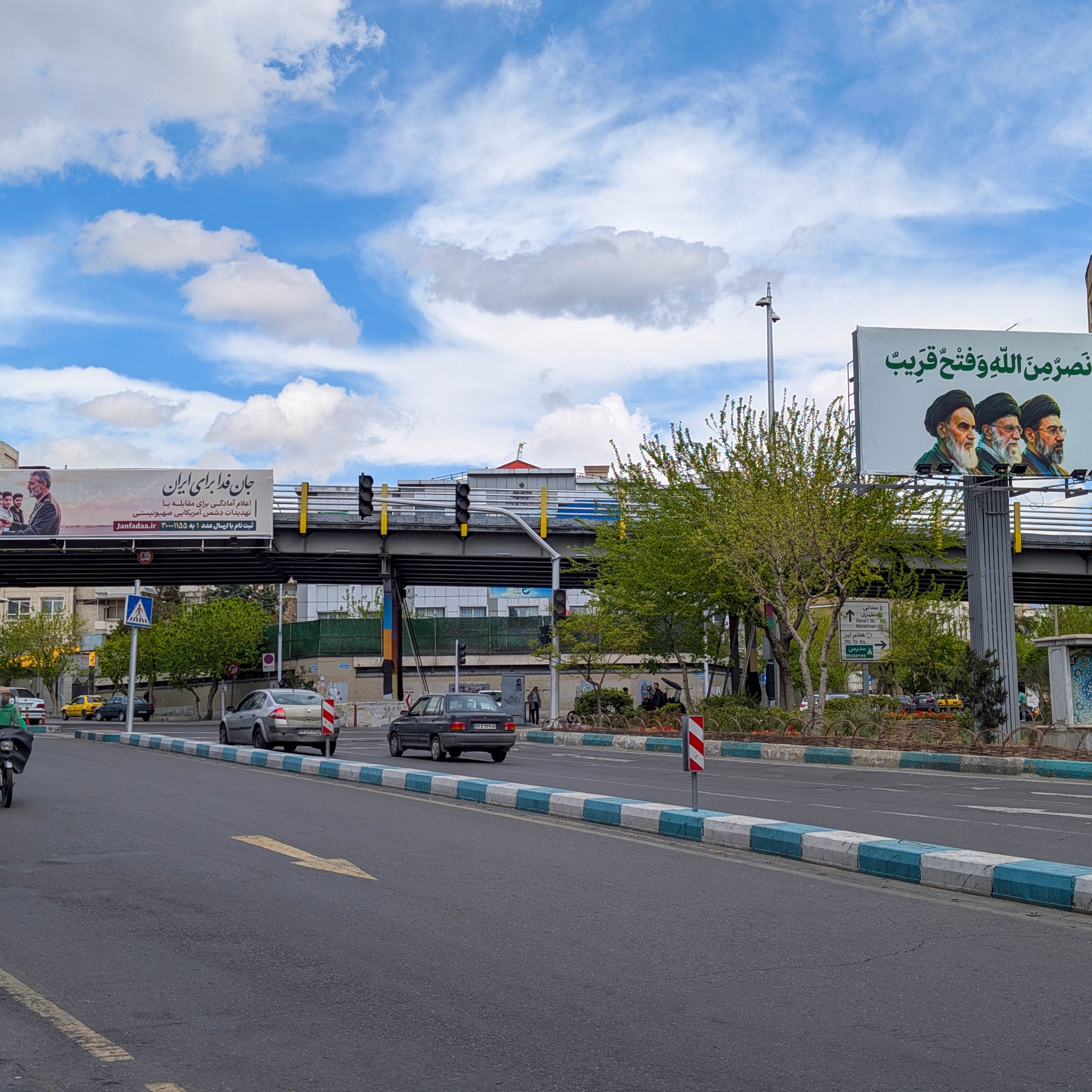
A large number of events were organised by the theocratic and military establishment throughout Wednesday, and more were planned for Thursday to mark 40 days since the killing of the former supreme leader. These included marches on foot and in vehicles, public religious eulogy sessions and banners erected across the country.

A video of an old Khamenei speech being recirculated by state-affiliated media on Wednesday showed him telling supporters to insist on “resistance”.

Regardless of the ceasefire, pro-government Iranians have been told to continue driving in motorcades broadcasting religious chanting and take their children to join checkpoints and security patrols.

However, some government supporters said they were caught off-guard by the ceasefire announcement because the establishment had repeatedly emphasised it would never agree to a temporary ceasefire and it would continue launching missiles and drones while it had the “upper hand”.

Majid Nouri, son of Hamid Nouri, a former Iranian judiciary official who was handed a life sentence in Sweden for his role in the deaths of political prisoners but ended up being exchanged in a 2024 swap, recorded a video from among government supporters in Tehran to say they were “shocked and saddened”.

“Many good arguments and some disagreements have taken place between the people since the announcement of the ceasefire. They say, “We came to the streets for 40 nights. We did not expect this,’” he said.

A week earlier, a senior correspondent on Iranian state television was explaining emphatically how the government would not agree to a temporary cessation of hostilities because it would allow the US and Israel to rearm and restart attacks at a time more appropriate for them. But state television’s English-language Press TV on Wednesday claimed Iran has become a “new superpower” since the ceasefire.

In the meantime, the vast majority of Iranians continue to suffer from a state-imposed internet outage, which has cut traffic down to 1 percent of pre-war levels, according to monitors.

After the ceasefire, the few people able periodically to get online through virtual private networks (VPNs) and proxy connections took to social media to call on the state to lift the near-total block, which has contributed to weakening an already ailing economy. But the state has signalled the shutdown will remain in place for as long as is deemed necessary.

The Iranian judiciary, which has been announcing death sentences for people it said have been found guilty of crimes such as “armed rebellion” on a near-daily basis, also continues to emphasise that it will show an iron fist to any person who engages in dissent against the government.

Judiciary chief Gholam-Hossein Mohseni-Ejei advised top officials under his authority to issue more death and asset confiscation sentences in connection with acts perceived to be in assistance of the US and Israel.
Comments
You must be logged in to comment.