yahoo Press
I was a Navy commander. Trump's approach to military deaths is concerning.
Images
1 / 20
2 / 20

3 / 20

4 / 20
5 / 20
6 / 20
7 / 20
8 / 20
9 / 20
10 / 20
11 / 20
12 / 20
13 / 20
14 / 20

15 / 20

16 / 20

17 / 20

18 / 20

19 / 20

20 / 20
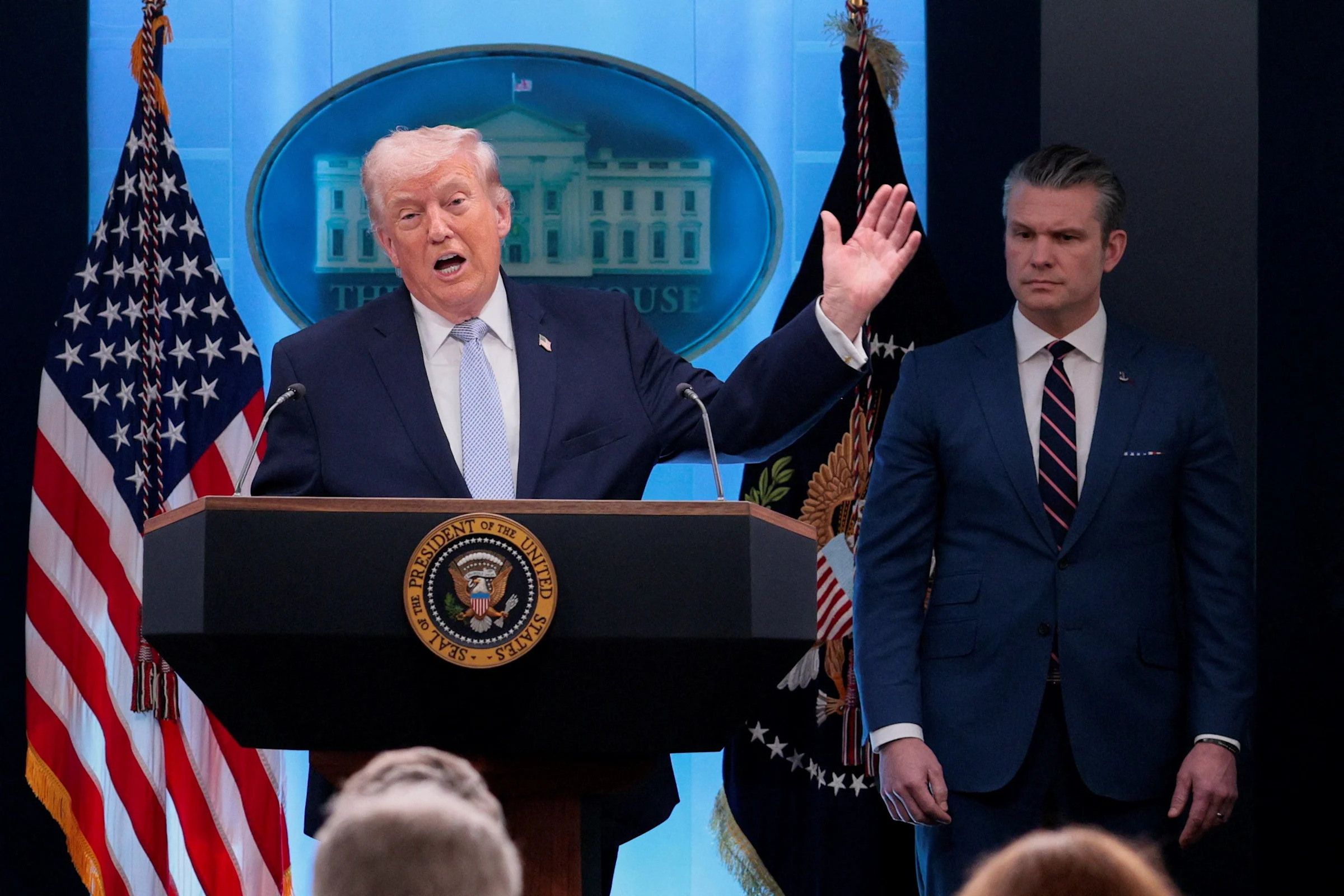
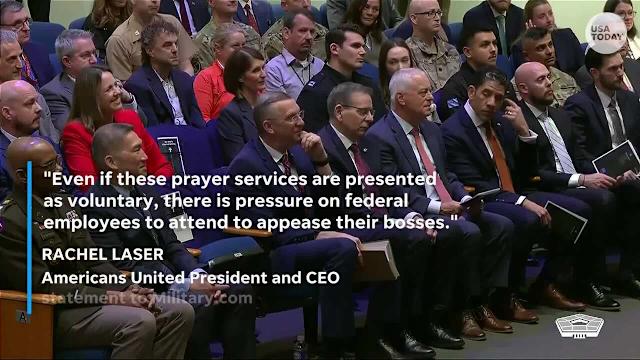
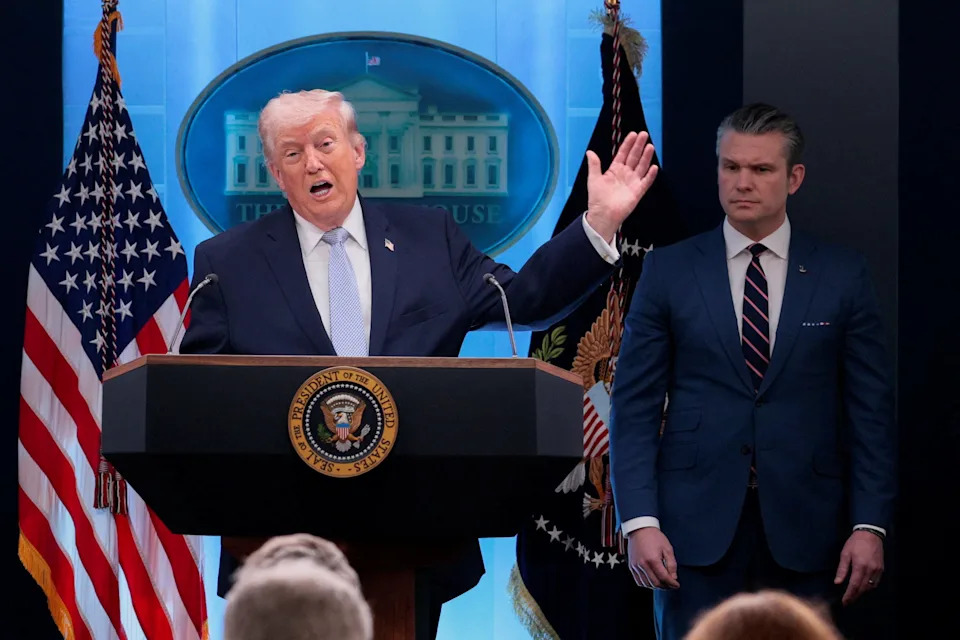
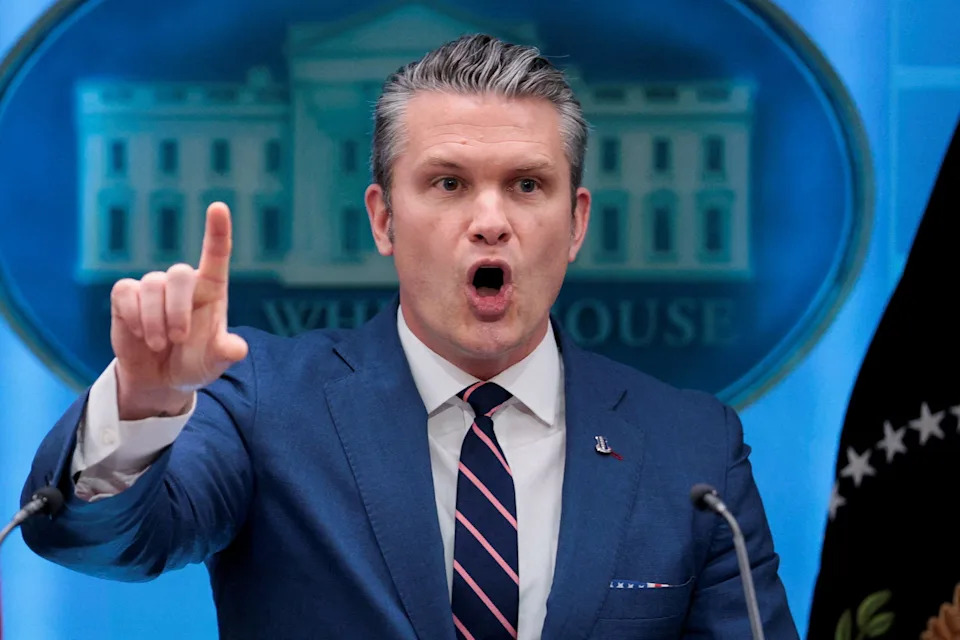
When Secretary of Defense Pete Hegseth invokes “no quarter, no mercy” and prays for "overwhelming violence of action" against those who "deserve no mercy" during a prayer service at the Pentagon, the country is hearing more than wartime bluster. It is hearing a dangerous view of power that confuses cruelty with strength, and risks replacing the language of disciplined force with the language of vengeance.

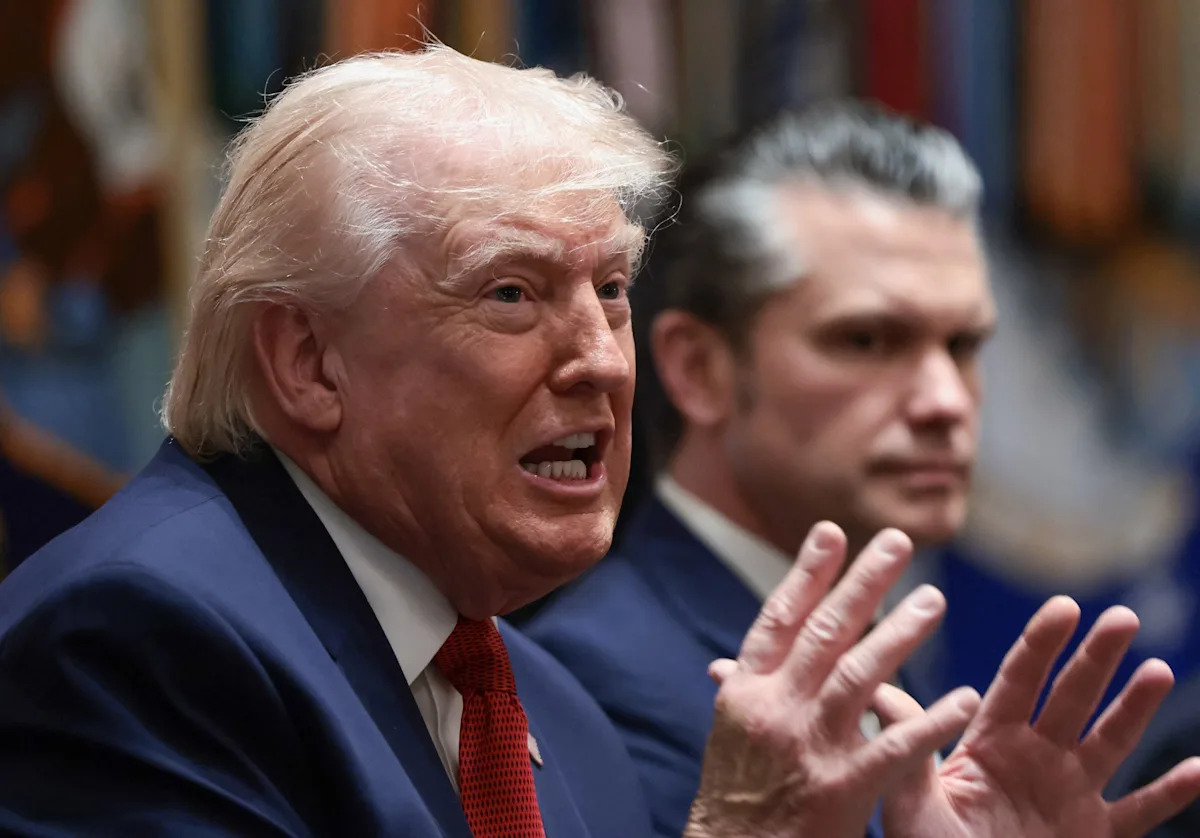
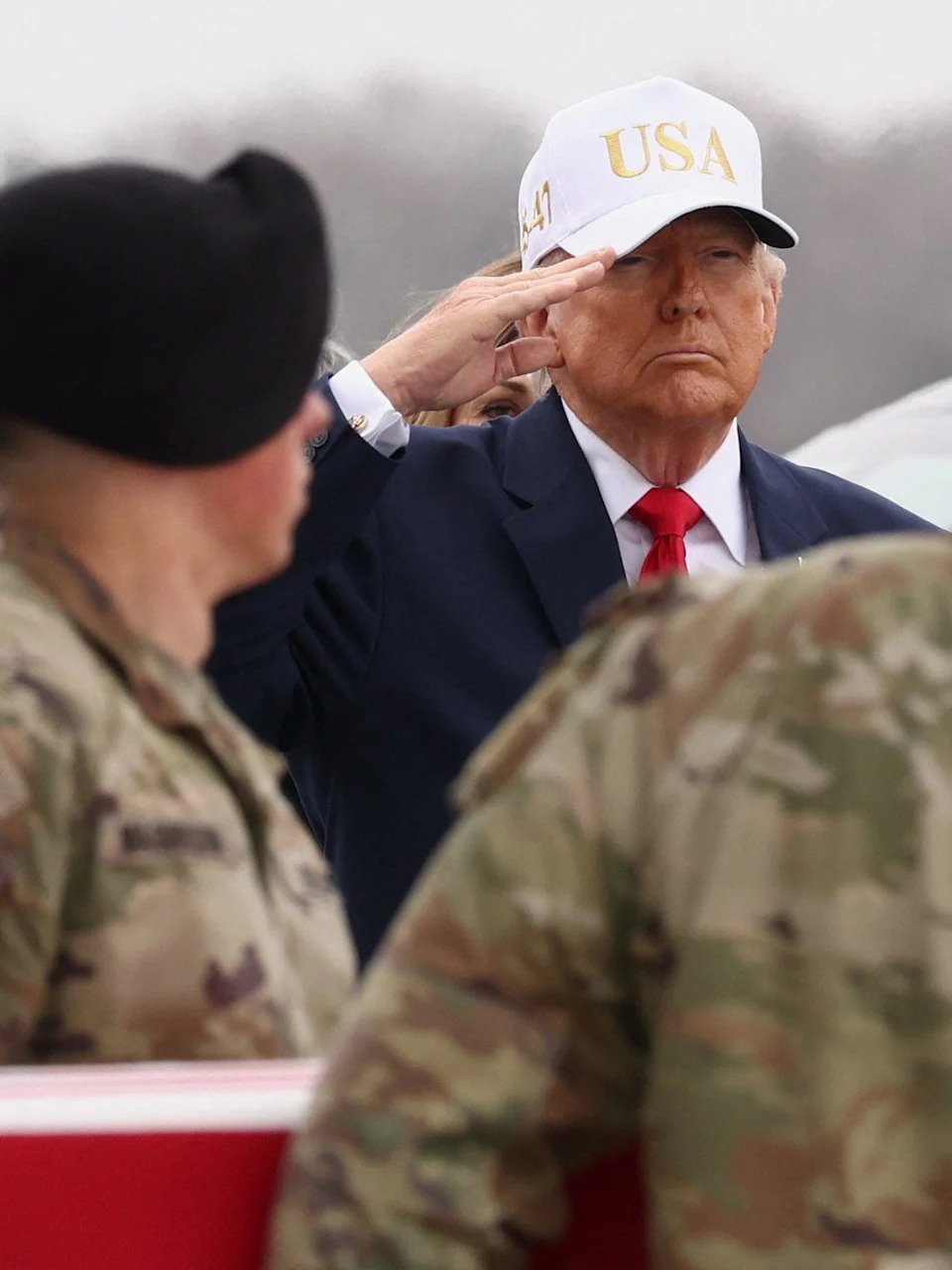
It’s even more concerning when the nation's commander in chief speaks of killing as an “honor,” and shares videos integrating the actual violence of war with fictional depictions pulled from popular culture films and video games.

That matters because in the United States, war is supposed to be an instrument of policy, constrained by law and guided by discipline, not a stage for bloodlust.

Americans have long accepted that military force may be necessary at times, but we have also insisted that force be used for a lawful purpose, under civilian control, and with professional restraint.

That is not softness. It is one of the things that has long distinguished a professional military from a mob, and a constitutional republic from the regimes it opposes.

The American military ethic does not teach service members to delight in killing or to treat mercy as weakness. It teaches them to perform difficult duties under the law, mission and discipline.

It demands self-control in the face of danger and obedience to standards that are meant to preserve both effectiveness and humanity. Service members are trained to understand that war is not an emotional outlet. It is a grave responsibility.

That is why Trump's and Hegseth's statements should trouble Americans across the political spectrum. They suggest not merely a hard line toward an enemy, but a philosophy of war untethered from restraint.

There is a profound difference between promising to defeat an adversary and speaking as though killing itself is a source of honor. There is a profound difference between resolve and rhetoric that dismisses mercy altogether.

One is the language of disciplined command. The other is the language of vengeance.

Previously: Why is Hegseth being attacked for defending Americans? | Opinion

Defenders of such comments will say critics are overreacting. War is brutal, they will argue, and leaders sometimes need harsh language to project strength, intimidate enemies and reassure the public. No one expects a president or Defense secretary to sound delicate in a crisis.

Fair enough, but that defense misses the real issue.

The question is not whether leaders should sound strong. The question is whether they understand that true strength requires restraint.

The United States does not prove its resolve by sounding more pitiless than its enemies. It proves its resolve by showing that even when it uses force, it remains governed by law, discipline and constitutional accountability.

Words from leaders at that level do not exist in a vacuum. They shape public expectations. They influence the command climate. They signal to allies and adversaries alike what kind of nation America intends to be.

Smoke rises following an explosion, after Israel and the U.S. launched strikes on Iran, in Tehran, Iran, February 28, 2026.

Smoke rises following an explosion after the U.S. and Israel reportedly launched an attack against Iran, in Tehran, Iran, February 28, 2026, in this screen grab taken from video.

A plume of smoke rises following a reported explosion in Tehran on February 28, 2026. Two loud blasts were heard in Tehran on February 28 morning by AFP journalists, and two plumes of thick smoke were seen over the centre and east of the Iranian capital. Israel's defence ministry announced it had launched a "preemptive strike" on Iran as sirens sounded in Jerusalem and people across the country received phone alerts about an "extremely serious" threat.

U.S. President Donald Trump pumps his fist after disembarking Air Force One at Palm Beach International Airport in West Palm Beach, Florida, U.S., February 27, 2026. Hours later, Trump made live comments about the military strikes he launched against Iran.

Buildings inin Tehran stand after Israel and the U.S. launched strikes on Iran, February 28, 2026.

Smoke rises following an explosion, after Israel and the U.S. launched strikes on Iran, in Tehran, Iran, February 28, 2026.

History offers ample warning about where the rhetoric of cruelty can lead. Nations rarely begin by openly abandoning restraint. They begin by blurring it. They begin by teaching citizens to hear vengeance as resolve, brutality as realism and moral limits as weakness.

Once that shift takes hold, the line between lawful force and licensed cruelty becomes easier to cross.

This is why Congress cannot remain a spectator.

Opinion alerts: Get columns from your favorite columnists + expert analysis on top issues, delivered straight to your device through the USA TODAY app. Don't have the app? Download it for free from your app store.

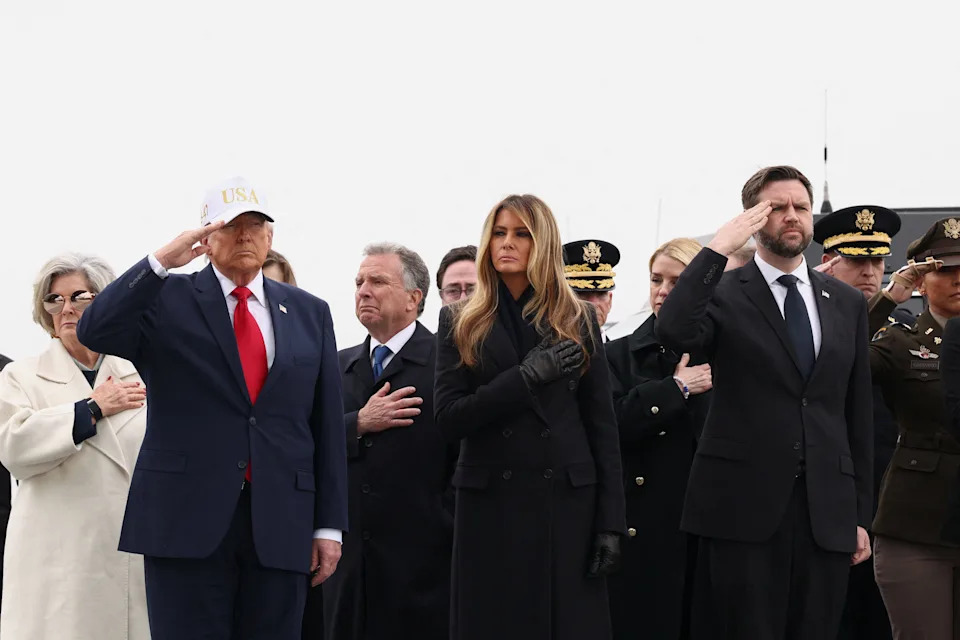
Generations of Americans in uniform did their duty under law, discipline and civilian authority. They were expected to bear the burden of combat without abandoning professional restraint.

They followed lawful orders, operated within rules and accepted that in a constitutional system, military power is never supposed to answer to impulse alone.

Congress should be held to no less a standard.

Another view: Congress should be governing, not on a break in Disney World | Opinion

The Constitution does not give lawmakers the luxury of silence when the executive branch drifts toward open-ended conflict or adopts rhetoric that suggests contempt for restraint. Congress has a duty not only to authorize war, oversee it and debate it, but also to defend the legal and moral framework that governs how America fights.

The War Powers framework exists precisely because the country is not meant to slide into war on presidential will alone.

That means members of Congress should publicly reject rhetoric that glorifies killing and scorns mercy. They should insist that any further military action be subject to the constitutional role of the legislative branch.

They should demand clarity on objectives, the legal basis and the limits. And they should make plain that toughness is not measured by how casually leaders speak about destruction.

Americans who served have done their duty under the hardest of conditions, but always under a professional ethic that demanded discipline over rage, and mission over vengeance. They were not given a license for bloodlust. They were given standards.

Now Congress faces its own test.

When a president celebrates killing and a Defense secretary flirts with the language of no mercy, the issue is no longer just rhetoric. It is whether America still intends to act like a constitutional republic in matters of war.

Service members did their duty. Congress must now do its own.

Dave Petri, a retired U.S. Navy commander, serves as the communications director for National Security Leaders for America.

You can read diverse opinions from our USA TODAY columnists and other writers on the Opinion front page, on X, formerly Twitter, @usatodayopinion and in our Opinion newsletter.

This article originally appeared on USA TODAY: Hegseth is confusing cruelty with strength. It's dangerous | Opinion
Comments
You must be logged in to comment.