yahoo Press
‘Arbitrary and capricious’: 130 Hospitals sue HHS over billions in Medicare payouts. What it means for your health care
Images
1 / 4
2 / 4

3 / 4

4 / 4
Moneywise and Yahoo Finance LLC may earn commission or revenue through links in the content below.

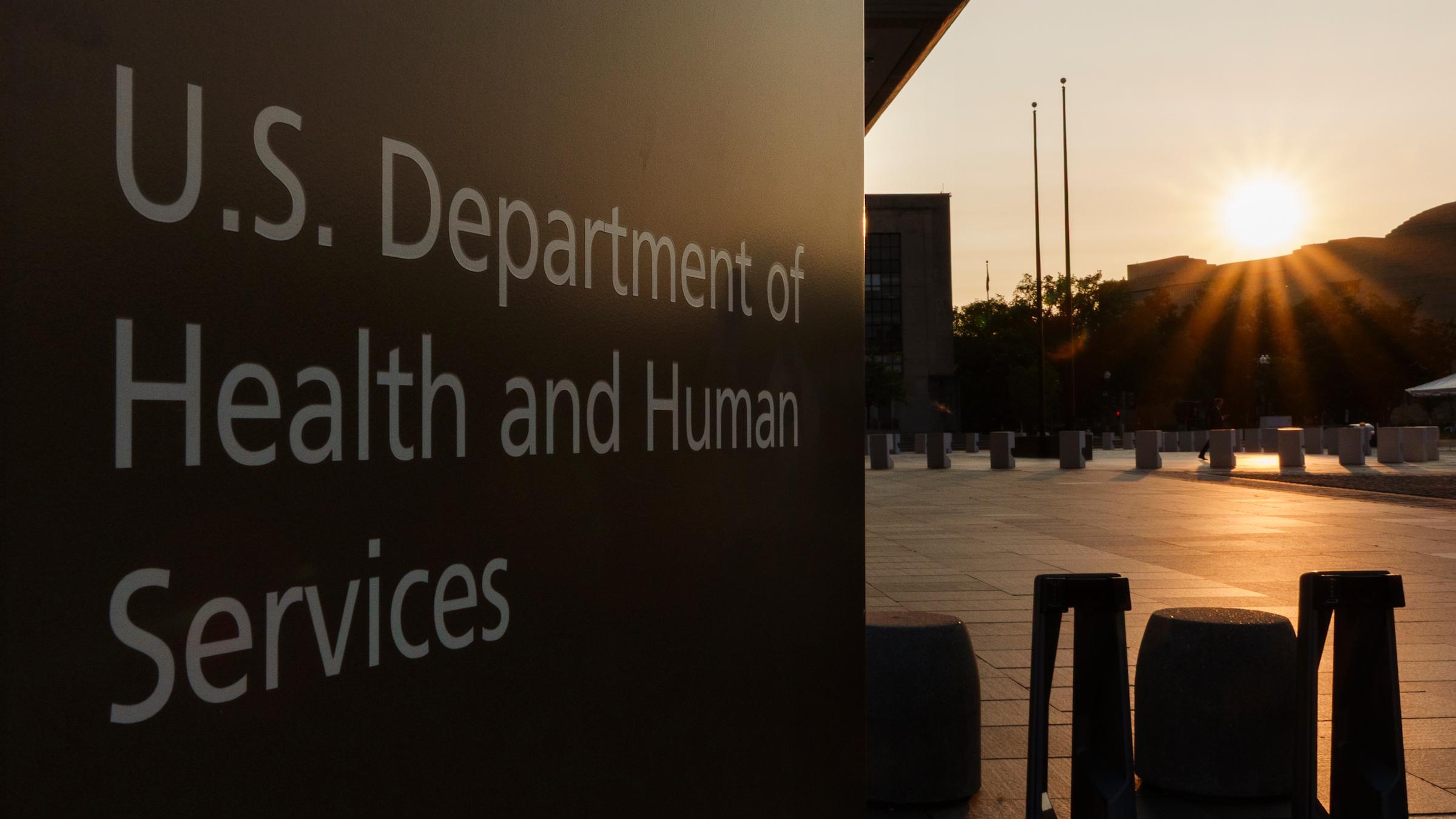
A group of 130 hospitals has filed suit against the Department of Health and Human Services (HHS), challenging a 2023 rule that changes how certain Medicare payments are calculated (1).

Hospitals argue the policy is not only flawed but also “arbitrary and capricious,” and say it could put billions of dollars in funding for low-income patient care at risk — specifically for patients on Medicare, Medicaid and those without insurance.

Thanks to Jeff Bezos, you can now become a landlord for as little as $100 — and no, you don't have to deal with tenants or fix freezers. Here's how

New 2026 IRA rules are here. See how to protect your nest egg from inflation before the next tax deadline with physical gold. Get your free guide from Priority Gold

Dave Ramsey warns nearly 50% of Americans are making 1 big Social Security mistake — here’s what it is and the simple steps to fix it ASAP

At the center of the dispute is how the government counts patients enrolled in Medicare Advantage plans when determining ‘disproportionate share hospital’ (DSH) payments, which are key sources of funds for hospitals that serve a large number of vulnerable patients (2).

Hospitals argue the rule reduces those payments and conflicts with both longstanding policy and prior court rulings. Changes to the DSH payment structure could drive up health care costs and lead to longer wait times due to staffing shortages.

When Moneywise reached out for a statement, the Department of Health and Human Services declined to comment on the lawsuit.

While the suit targets a 2023 rule, the fight dates back more than two decades.

In 2004, federal regulators attempted to change how Medicare Advantage (Part C) patient days were counted in DSH payment formulas (3), reducing hospital payments. Courts repeatedly rejected those efforts in a series of rulings, including the Allina cases (4) — where the government failed to identify “a lawful excuse for neglecting its statutory notice-and-comment obligations.”

Despite those decisions, hospitals say the government has made “repeated attempts” to implement the same policy change across successive administrations, both Republican and Democratic.

The latest rule goes further still, attempting to apply that interpretation retroactively, putting hospitals in an ‘overpaid’ status that they would have to repay. Hospitals argue this move is unlawful and financially damaging.

The United States District Court for the District of Columbia has already raised concerns. In a related case, Montefiore Medical Center v. Kennedy (5), the court found that the 2023 rule is plainly retroactive and exceeds the government’s authority.

Read More: I’m almost 50 years old and don’t have retirement savings. Is it too late?

For hospitals, the stakes are enormous.

In 2021 alone, Medicaid made a total of $18.9 billion in DSH payments, made up of $8.1 billion in state funds and $10.8 billion in federal funds (6).

Facilities that rely heavily on these funds, called ‘safety-net hospitals’, could be hit the hardest by any reduction in payment (7).

The hospitals involved in the lawsuit argue they built financial plans around the government’s longstanding approach, saying they “relied on the agency making DSH payments in accordance with [prior policy].”

They also contend that the rule is “arbitrary and capricious,” a legal standard applied when agencies fail to justify major policy changes or adequately account for their impacts (8).

While the case centers on a technical payment formula, the implications could extend much further.

When hospitals face funding challenges, it affects everything from staffing levels to the services available. It can also impact wait times for patients.

In 2023, the American Hospital Association released a report stating that overall hospital expenses rose by 17.5% from 2019 to 2022, but Medicare reimbursement increased by only 7.5% over the same period (9).

“When health care providers cannot afford the tools and teams they need to care for patients, they will be forced to make hard choices and the people who will be impacted the most are patients,” American Hospital Association President and CEO Rick Pollack wrote in the report.

“We can’t let that happen. Congress and others must act to preserve the care our nation needs and depends on.”

This lawsuit could redirect billions in healthcare funding and test how well hospitals withstand financial strain.

While the outcome of the lawsuit remains uncertain, it highlights a broader reality: When financial pressure builds in the healthcare system, the impact can eventually reach patients in the form of higher costs or reduced access.

That’s why financial preparedness is critical, particularly when managing healthcare-related risks.

One of the most effective ways to protect yourself from unexpected medical costs is to have cash on hand just in case.

Hospital visits often cost thousands of dollars, so households without savings are often pushed toward high-interest debt or hardship withdrawals from retirement funds. And if you have an emergency? Those costs can jump to the tens of thousands (10) — especially for ER visits.

A high-yield account like a Wealthfront Cash Account can be a great place to grow your uninvested cash, offering both competitive interest rates and easy access to your money when you need it.

A Wealthfront Cash Account currently offers a base APY of 3.30% through program banks, and new clients can get an extra 0.75% boost during their first three months on up to $150,000 for a total variable APY of 4.05%.

That’s ten times the national deposit savings rate, according to the FDIC’s March report.

Additionally, Wealthfront is offering new clients who enable direct deposit ($1,000/mo minimum) to their Cash Account and open and fund a new investment account an additional 0.25% APY increase with no expiration date or balance limit, meaning your APY could be as high as 4.30%.

With no minimum balances or account fees, as well as 24/7 withdrawals and free domestic wire transfers, your funds remain accessible at all times. Plus, you get access to up to $8M FDIC Insurance eligibility through program banks.

If you do receive a large medical bill, it’s worth taking a closer look before paying.

Errors on hospital bills are more common than many people realize, and requesting an itemized statement can help you identify duplicate charges or services you didn’t receive (11).

In some cases, patients can also negotiate their bills or work with services that help reduce costs by reviewing charges and identifying discrepancies.

For many households, the biggest financial risk isn’t a single hospital visit. Instead, it’s the cost of long-term care.

Services like in-home care, assisted living or nursing homes can cost thousands of dollars per month, and those expenses are often not fully covered by public or private insurance.

That’s where long-term care insurance can help.

Long-term care insurance offers coverage for the costs of in-home assistance, nursing homes or assisted living facilities.

Without proper planning, paying for long-term care could deplete your retirement fund. In many cases, the burden of paying for care often falls on family members — potentially straining their finances.

GoldenCare offers different options based on your needs, including hybrid life or annuity with long-term care benefits, short-term care, extended care, home health care, assisted living and traditional long-term care insurance.

Finally, it’s important to consider what would happen if the unexpected becomes something more serious. Medical emergencies don’t just create immediate costs; they can also have long-term financial consequences for your family.

In a crisis, life insurance can help protect your family’s financial stability. Protect your family from unexpected costs after your death by signing up for term life insurance from Ethos.

Ethos is rated “Excellent” on Trustpilot and has an A+ rating from the Better Business Bureau (BBB). The platform offers simple, affordable coverage for a set period — typically between 10 and 30 years.

As a licensed third-party insurance administrator, Ethos has joined forces with some of the industry’s top carriers, including Banner Life, TruStage Financial and Ameritas Life Insurance.

Ethos gives you the flexibility to select coverage amounts ranging from $2,000 to $100,000. Premiums start at just $9.80 a month and are guaranteed throughout the term.

You can get coverage in just 10 minutes online or by phone, with no medical exams or blood tests required.

Most Americans earn a dismal 0.39% APY on their cash at big banks. Unlock 4.05% APY and pay $0 in account fees instead with a Wealthfront Cash Account

Vanguard reveals what could be coming for U.S. stocks, and it’s raising alarm bells for retirees. Here’s why and how to protect yourself

Robert Kiyosaki begs investors not to miss this ‘explosion’ — says this 1 asset will surge 400% in a year

Taxes are going to change for retirees under Trump’s ‘big beautiful bill’ — here are 4 reasons you can’t afford to waste time

Join 250,000+ readers and get Moneywise’s best stories and exclusive interviews first — clear insights curated and delivered weekly. Subscribe now.

We rely only on vetted sources and credible third-party reporting. For details, see our editorial ethics and guidelines.

DocumentCloud (1); Paragon Health Institute (2); Federal Register (3); Justia (4), (5); MACPAC (6); National Library of Medicine (7); US Legal (8); American Hospital Association (9); ISOA Insurance (10); GoodBill (11)

This article provides information only and should not be construed as advice. It is provided without warranty of any kind.
Comments
You must be logged in to comment.