yahoo Press
Opinion: Homeless count shows numbers increasing but signs of optimism
Images
1 / 8
2 / 8

3 / 8

4 / 8
5 / 8

6 / 8

7 / 8

8 / 8
Last week, Asheville Buncombe County Continuum of Car released its latest Point-in-Time count of people experiencing homelessness. The headline number is clear: 824 people, a 9% increase from last year.

Numbers like this matter. They should concern us. But they also need to be understood in context.

The Point-in-Time count is not a full picture of homelessness. It is a snapshot — one dataset among many. It offers a moment in time, not the whole story. At the same time, we should not ignore what it is telling us.

As CEO of Homeward Bound, I see firsthand the work happening across our community every day. Our homelessness response system is working on an individual level. People are moving out of homelessness daily. Outreach teams are connecting with individuals on the street. Shelters are providing safety and stability. Housing programs are helping people rebuild their lives.

Across the system, there is stronger coordination, better data, and a shared commitment to improvement. But the total number of people experiencing homelessness isn’t decreasing as we would like. The system is under pressure. The question is not whether it is working, but whether it is being asked to respond to a level of need that is growing faster than it can absorb.

Blaming the homelessness support system is like blaming a band-aid for the cut. We need to continue improving and evolving, but blaming the system misses the broader context. The broad picture is clear: more people are becoming homeless and the system is working hard just to keep up.

Homelessness is often seen as a problem for homelessness services to solve. But the reality is much bigger. Housing costs, wages, healthcare access, and the availability of affordable homes all shape whether someone can remain stably housed. By the time someone enters the homelessness system, they are often already at the sharp end of these pressures.

That means the system is not starting at the beginning of the problem — it is responding after other parts of the system have already been stretched.

Homelessness is not static. People are constantly moving in and out of homelessness in our community.

When more people are entering homelessness than can be quickly stabilized and rehoused, pressure builds. The longer it takes to house someone once they become homeless, the harder and more expensive it becomes to do so. Over time, that pressure shows up in full services, longer stays, and ultimately higher numbers. That is not a sign the system is failing — it is a sign the challenge is larger than the system alone can solve.

There are reasons to be optimistic in Buncombe County. New efforts like the Right at Home prevention program are focused on stopping homelessness before it starts. Closer collaboration with the Housing Authority is strengthening pathways into stable housing and improving how systems work together. There is also increasing expertise within a more coordinated CoC.

These are important steps forward. They reflect a community that is not standing still, but continuing to adapt, improve, and innovate. We know we need to work further upstream, move people off the streets more quickly, increase capacity, and develop new solutions for community and workforce development.

The year ahead is unlikely to be simple. There are early signs of potential funding challenges, particularly at the federal level, which may place additional pressure on local systems already working at capacity. This funding directly threatens parts of the system we know are working. There is a need to do more, but not at the expense of what we know is effective.

In that context, the response cannot be blame. It must be collaboration.

The latest count shows a system that is active, improving, and working hard, but also one facing growing demand driven by forces beyond its control.

We should take that seriously. Not as a reason for blame, but as a call to stay focused, stay collaborative, and keep building on what is working. Because if we do, we give ourselves the best possible chance. Not just to manage homelessness, but to reduce it.

Opinion: Trumpification of American Politik has spawned incivility

Opinion: NC must invest in the childcare system families depend on

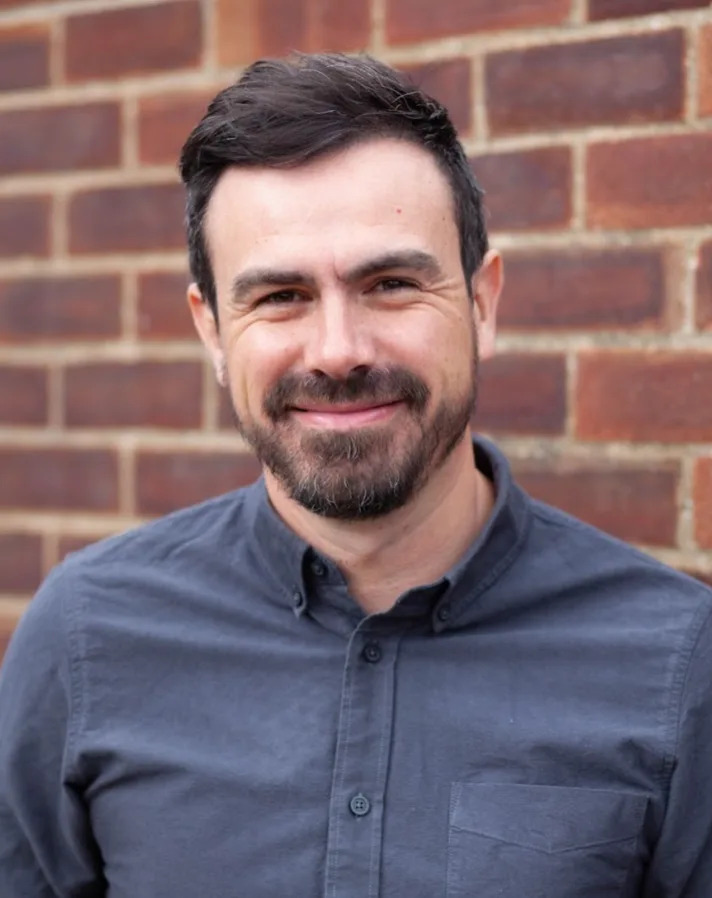
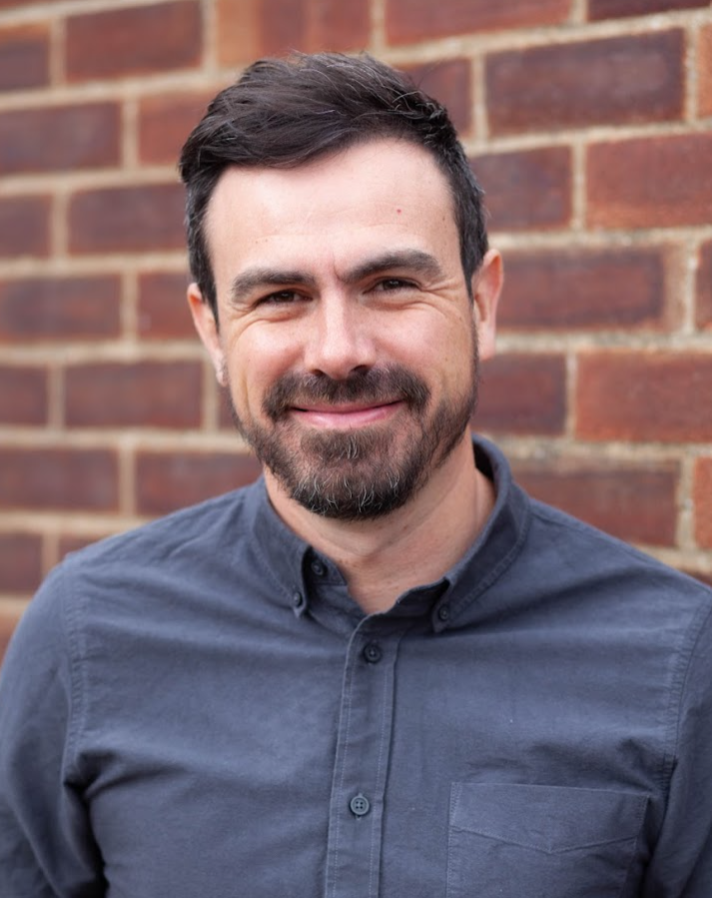
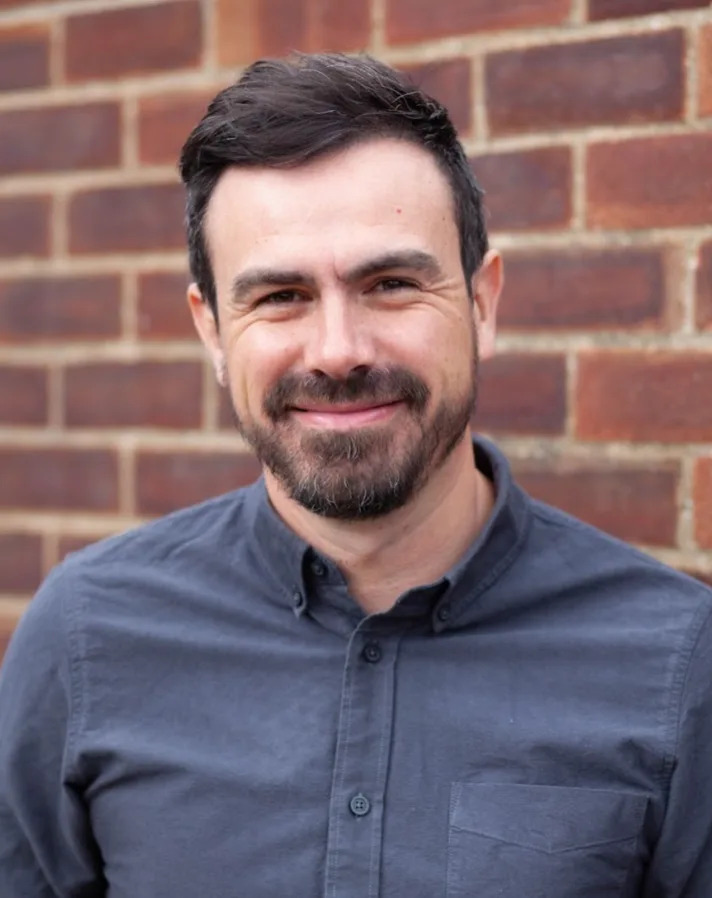
Dr. Simon Dwight has worked with people experiencing homelessness for twenty years, in the UK and the USA. He is currently the CEO of Homeward Bound WNC.

This article originally appeared on Asheville Citizen Times: Buncombe County NC homeless count shows numbers increasing
Comments
You must be logged in to comment.