yahoo Press
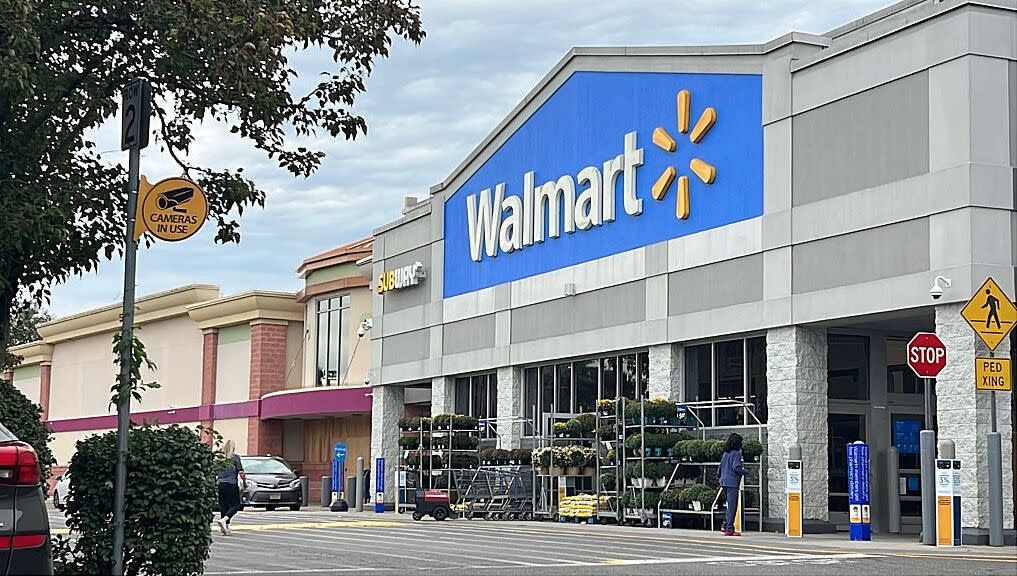
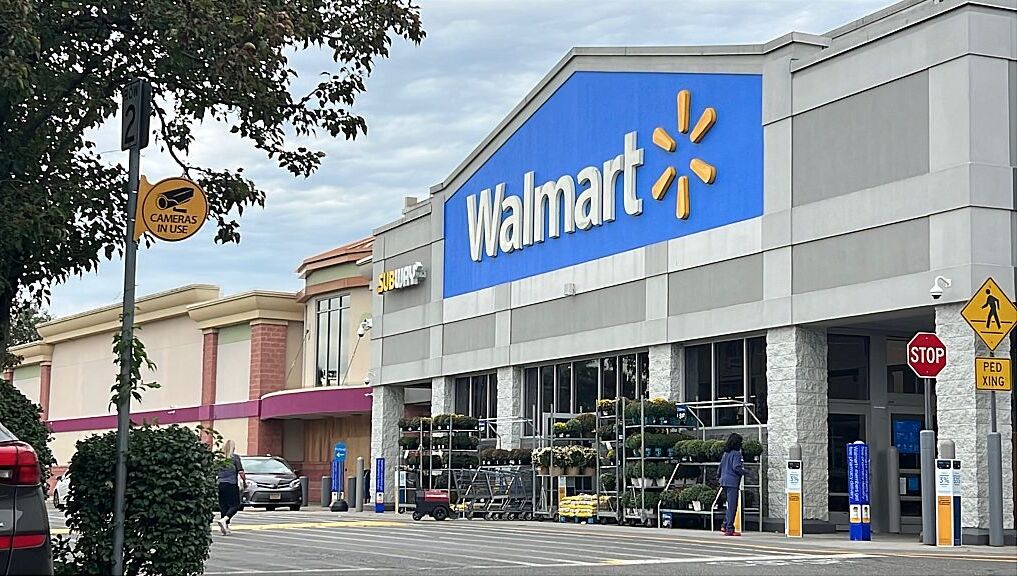
Walmart-related recession indicator is at its highest point since the 2008 financial crisis
Images
1 / 4
2 / 4

3 / 4

4 / 4
One of America’s biggest retailers is flashing a big recession indicator.

A market indicator known as the Walmart Recession Signal (WRS) has surged to levels last seen during the 2008 Financial Crisis — and it’s raising questions about the strength of the U.S. economy.

Thanks to Jeff Bezos, you can now become a landlord for as little as $100 — and no, you don't have to deal with tenants or fix freezers. Here's how

Dave Ramsey warns nearly 50% of Americans are making 1 big Social Security mistake — here’s what it is and the simple steps to fix it ASAP

Robert Kiyosaki begs investors not to miss this ‘explosion’ — says this 1 asset will surge 400% in a year

The WRS was developed by veteran economist Jim Paulsen, former chief investment strategist at Leuthold Group. And according to a recent report from Business Insider (1), it’s pointing to a possible economic slowdown.

Over the past year, Walmart’s (NASDAQ:WMT) stock has climbed about 40%, carried in part by shoppers searching for ways to stretch their dollars due to inflation.

The WRS compares the stock performance of discount giant Walmart with a basket of luxury retail stocks. The theory is that when financial pressure builds, consumers tend to ditch high-end purchases and turn toward bargain retailers.

Barron’s reported that discount retailers such as Walmart, Dollar General and Five Below are outperforming mid‑tier and higher‑end retailers, as Americans hunt for better value (2). This is a trend some market watchers interpret as a sign of weaker consumer spending overall. The war in Iran, which has led to surging oil prices, has added to recent economic stress for consumers.

Right now, that shift looks like it could be underway.

Historically, Paulsen says, the Walmart Recession Signal has spiked ahead of the last four U.S. downturns.

“The WRS is increasingly advising caution about the US economy,” Paulsen wrote on his Substack (3). “My guess is the economy avoids a recession this year, but I am becoming more convinced that a significant US economic slowdown is unfolding,” he added. He notes that the surge may reflect several growing pressures in the economy, including:

Growing pressure on everyday households. Lower- and middle-income consumers are often the first to feel financial strain. As Paulsen wrote, “Stress throughout the economy is growing from the bottom part of the income distribution, and even if private financial health is sustained, the economy could still suffer a period of notably subpar real growth.”

Tension in private credit markets. Some asset managers are already seeing investors request withdrawals, a sign that confidence in certain areas may be starting to wobble.

Early cracks in the job market. Subtle signs of hiring slowdowns can appear in the WRS before unemployment numbers begin to rise.

Read More: 5 essential money moves to make once you’ve saved $50,000

A recession isn’t set in stone because of one indicator. But as warning signs start to emerge, there are a few ways households can prepare for potential economic turbulence.

Build up your emergency savings

A strong emergency fund can act as a financial safety net if income becomes unstable. The Consumer Financial Protection Bureau recommends saving enough to cover three to six months of essential expenses (4). You can build it by creating automatic transfers and regularly reviewing your goals to ensure you have enough to sustain your household in the event of an unexpected financial surprise.

Pay down high-interest debt

Credit card balances and other high-interest loans can become harder to manage if the economy weakens or job security declines. The Federal Trade Commission offers tips to help reduce those balances, including negotiating a lower interest rate with your credit card company, consolidating your debt or talking to a credit counselor (5).

Be cautious with big financial moves

During uncertain economic periods, experts often advise to avoid taking on large new debts or making speculative investments. Keeping your finances flexible can make it easier to adapt if conditions change.

If the WRS keeps climbing, America’s biggest bargain retailer may be revealing what the broader economy is about to face. For everyday consumers, it’s a sign to take stock of your financial situation and be prepared.

Taxes are going to change for retirees under Trump’s ‘big beautiful bill’ — here are 4 reasons you can’t afford to waste time

Vanguard reveals what could be coming for U.S. stocks, and it’s raising alarm bells for retirees. Here’s why and how to protect yourself

Turning 50 with $0 saved for retirement? Most people don’t realize they’re actually just entering their prime earning decade. Here are 6 ways to catch up fast

Robert Kiyosaki issues grim warning for baby boomers. Many could be ‘wiped out’ and homeless ‘all over’ the country. How to protect yourself now

Join 250,000+ readers and get Moneywise’s best stories and exclusive interviews first — clear insights curated and delivered weekly. Subscribe now.

We rely only on vetted sources and credible third-party reporting. For details, see our editorial ethics and guidelines.

Business Insider (1); Barron’s (2); Paulsen Perspectives (3); Consumer Financial Protection Bureau (4); Federal Trade Commission (5)

This article provides information only and should not be construed as advice. It is provided without warranty of any kind.
Comments
You must be logged in to comment.