bbc Press
Petrol and diesel prices see biggest rise on record in March
Images
1 / 8

2 / 8
3 / 8
4 / 8
5 / 8
6 / 8
7 / 8

8 / 8
In March UK petrol and diesel prices jumped more than in any previous single month, the RAC has said.

Higher wholesale energy prices due to the US-Israel war with Iran have led to a record monthly rise in pence per litre of fuel, the motoring organisation said.

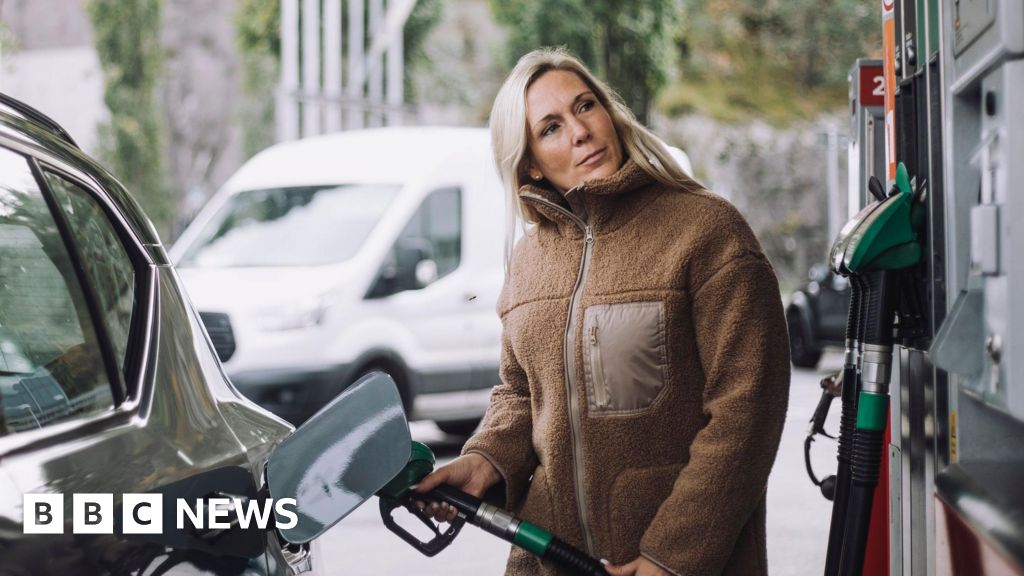
A 20p rise in the cost of petrol and a 40p increase in diesel in the month since the conflict began has made filling the tank much more expensive.

The fuel price rises followed sharp increases in the price of crude oil after the conflict disrupted production and transportation through the Strait of Hormuz.

Crude oil is a key ingredient in petrol and diesel, meaning higher wholesale costs make filling up a car more expensive.

Since the war began, the price of a barrel of Brent crude, the global benchmark for oil prices, has been very volatile jumping from $73 (£55) to over $110 before falling back to just over $100 a barrel by the end of March.

Analysts say every $10 increase in the oil price pushes up pump prices by roughly 7p a litre.

There is normally a time lag, with movements in oil markets taking about a fortnight to impact fuel prices.

A month after the start of the conflict filling a typical family car with petrol has gone up by £11. A tank of diesel is £22 more than before the conflict.

But despite the sharp increases fuel prices remain below peaks reached in summer 2022 following Russia's invasion of Ukraine. Then petrol reached 191.5p and diesel hit 199p a litre.

According to RAC data on 2 April average petrol prices were 153.7p a litre.

Diesel was 184.2p a litre.

There have been accusations that fuel retailers may have been price gouging, but they have denied this. The official markets regulator is investigating the issue.

The UK is heavily reliant on oil and gas imports, with the lion's share of those imports coming from the US and Norway.

The price of oil on the global market determines how much the UK pays for it.

Though the UK does get oil from the North Sea, most of that is exported for refining elsewhere.

The boss of oil giant Shell has said that there could be a fuel shortage in Europe within weeks due to blockages in the Strait of Hormuz.

The comments come after the International Energy Agency (IEA) suggested a list of measures to reduce energy and fuel use in response to the conflict, including working from home and carpooling.

However, the UK government and the Fuels Industry UK has described Britain's fuel supplies as "resilient". Fuels Industry UK said Britons can continue to buy fuels as normal.

Oil makes up 35% of the UK's total energy supply, according to the Department for Energy Security and Net Zero. As a member of the IEA, it must hold 90 days' worth of net oil imports, but it currently holds more than this.

Some have said that restrictions on new drilling licences in the North Sea should be eased to limit price rises for households, but others have said this is unlikely to significantly reduce energy prices for the public.

More expensive petrol and diesel increases the transport costs for businesses moving products around the country, which can get passed on by shops and supermarkets to the consumer.

In addition, some elements of crude oil are used in fertiliser, meaning  there could be a cost implication in terms of food prices," Benjamin Godwin, partner at investment advisory firm PRISM Strategic Intelligence, told the BBC.

However, if the conflict is short-lived then it is unlikely to result in an immediate increase in food prices, he said.

In the short term, millions of UK householders' domestic gas and electricity bills are shielded from any impact on wholesale costs paid by suppliers.

People whose energy bills are governed by the price cap already know what their unit prices are now, and will be for the three months from April. That price has already been set.

However, depending on how long the conflict lasts, there could be an impact on prices when the next price cap is set, for the three months from July.

Anyone who has fixed their energy tariff already will not see a price rise, but suppliers have started reconsidering what they are willing to offer for those fixed-price deals, and have been pulling cheaper deals off the market.

Heating oil is used by many households in Northern Ireland, and in some rural areas. The prices do fluctuate more directly in response to the oil price, so the latest global uncertainty has pushed up costs for those households refilling their tanks.

The prime minister has announced a £53m support package to help those hit by the sharp increase in heating oil.

UK inflation, which measures the pace of price rises, has eased relative to the heights reached immediately after Russia launched its full-scale invasion of Ukraine four years ago, and was expected to keep falling this year.

Interest rates, which are used by the Bank of England to keep inflation close to its  2% target, were expected to continue on a steady downward trend this year as a result.

But if higher energy costs push up prices more broadly, inflation will not fall, or not as fast as was hoped. That throws any interest rate cuts into question, at least for the time being.

As a result mortgage lenders, who base the rates they offer on what they expect the Bank of England to do with interest rates, have started to increase their own lending rates. Anyone remortgaging or taking out their first mortgage is likely to face slightly higher rates than they would have before this week's events.

Additional reporting by Emer Moreau, Kevin Peachey, and Dearbail Jordan

You can also send us your questions by following this link

The aircraft is currently touring Scotland taking in Aberdeen, Dundee and Kirkwall.

The owner says he has been "bombarded" by customers but wants to be fair to everyone.

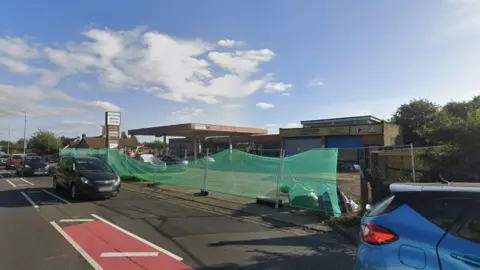
The petrol station in Wednesfield is set to reopen after 15 years.

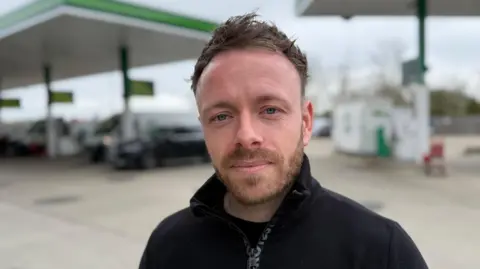
Tom Highland, from Highland Group, says some petrol station staff are being abused by customers.

Donna Crossman was killed while walking with friends to a Take That concert.
Comments
You must be logged in to comment.