yahoo Press
Europe’s Airlines Run Low on Fuel
Images
1 / 5
2 / 5

3 / 5

4 / 5
5 / 5
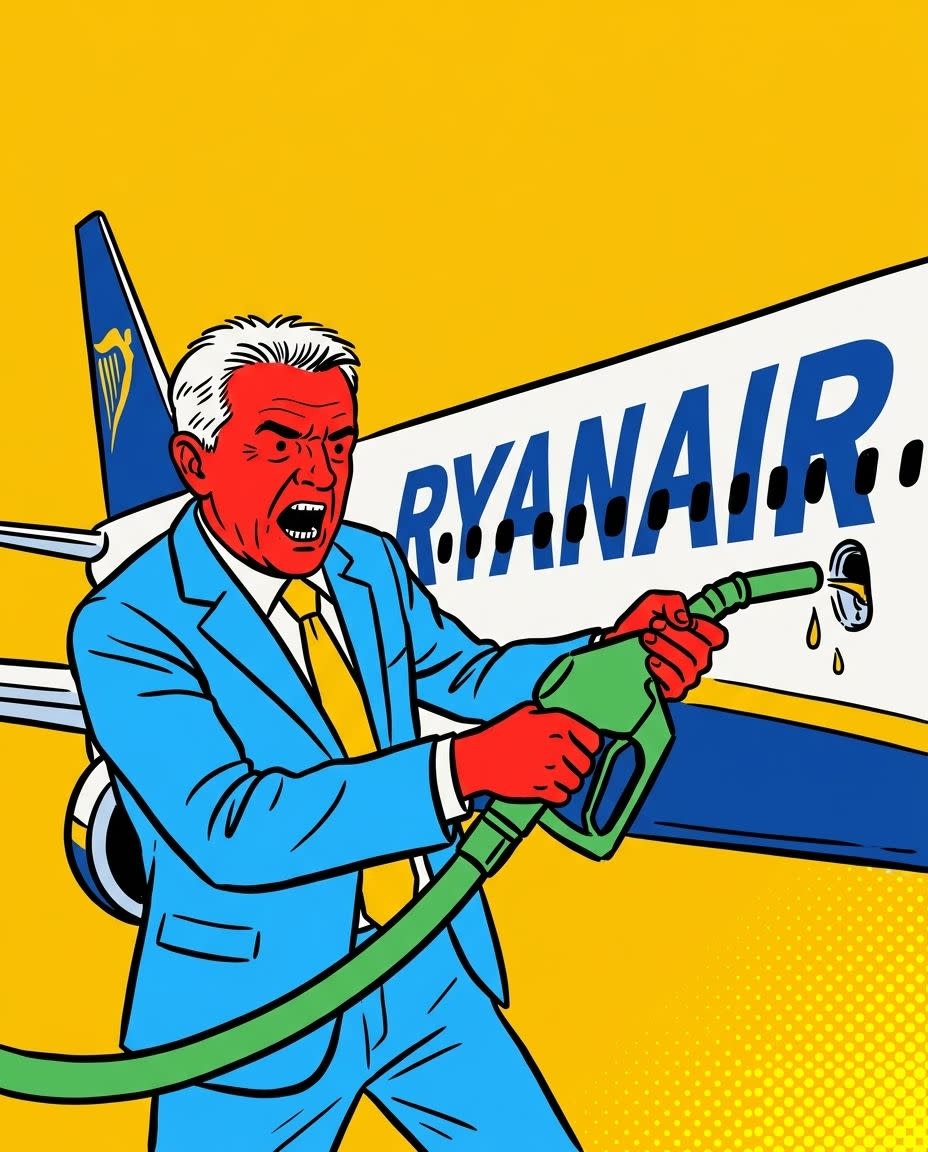
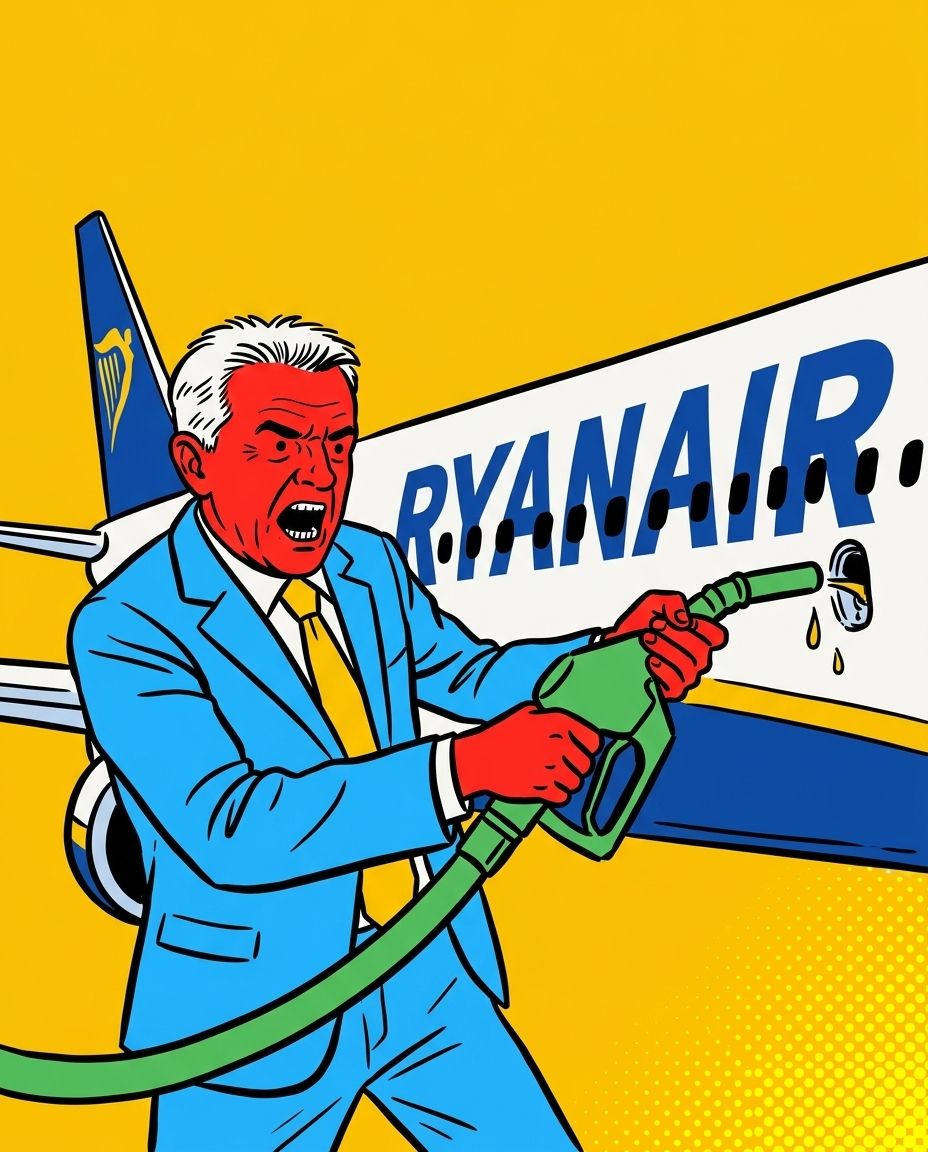
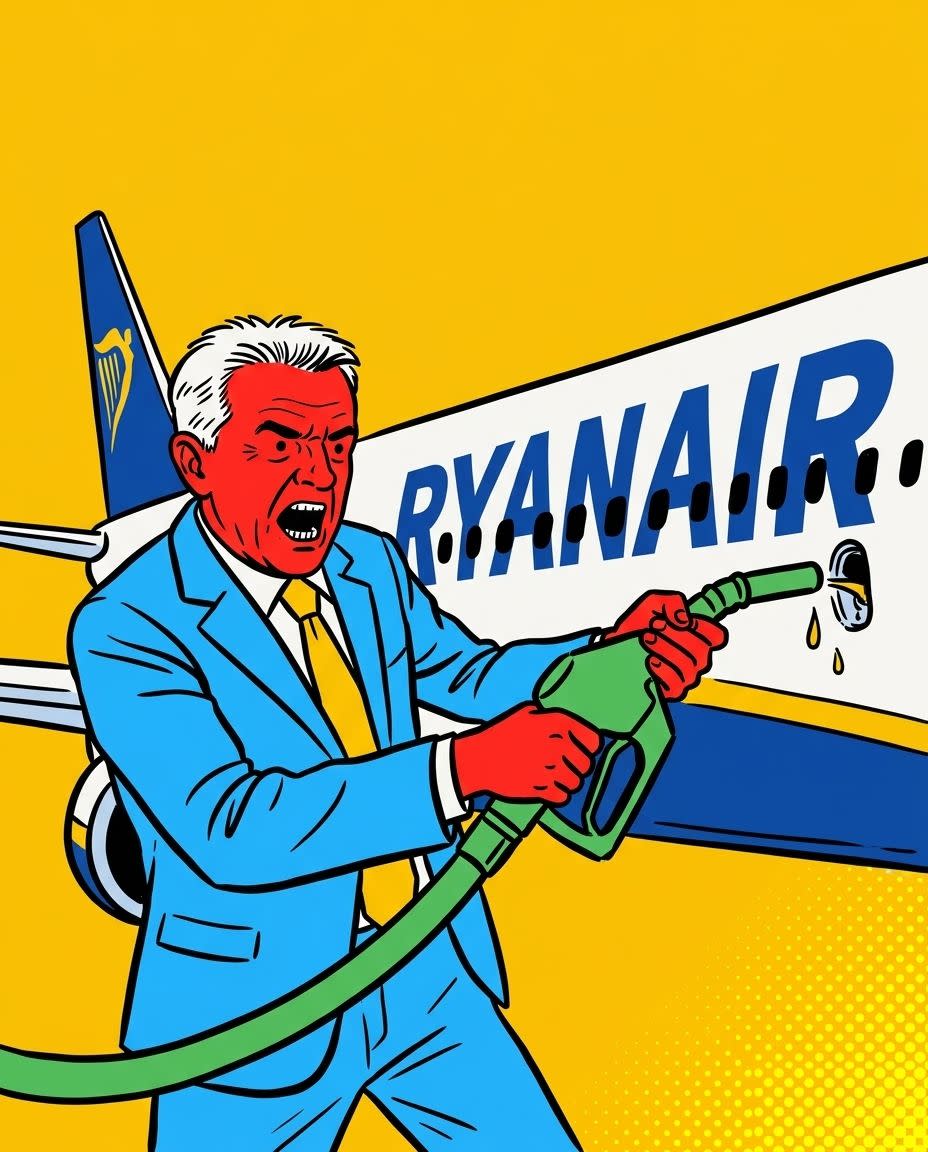
Europe's biggest airline is sounding the alarm. If jet fuel supplies tighten this summer, Ryanair says it may have to cancel flights. What looks like a commodity story is quickly turning into a capacity story, with knock-on effects for fares, tourism, and airline profits.

Michael O'Leary, Ryanair's famously unfiltered CEO, has delivered the kind of blunt warning he tends to specialize in. If fuel supply risks materialize in June, July, or August, airlines will have to start cutting flights.

This is not hypothetical.

The war involving Iran has disrupted one of the most critical arteries in global energy markets: the Strait of Hormuz. Roughly a fifth of the world's oil normally flows through that corridor. With supply routes under pressure, jet fuel markets have tightened sharply.

Prices have surged. Jet fuel recently traded around $195 per barrel, more than double last year's levels, reflecting both supply disruption and the kind of panic buying that tends to make supply disruptions worse. Oil itself has been volatile, with Brent briefly pushing above $100 before pulling back on hopes of a shorter conflict.

But for airlines, price is only half the story.

Ryanair has hedged about 80% of its fuel needs through March next year at roughly $67 per barrel. That gives it a buffer against rising costs in the short term. Many competitors are less protected, leaving margins exposed.

The bigger concern is physical availability.

Speaking to Sky News, O'Leary flagged that up to 10% to 20% of jet fuel supply could be at risk this summer if the conflict drags on. That is not a marginal squeeze. That is enough to force airlines to ground aircraft or reduce schedules. He also noted that assurances from fuel suppliers only stretch to late May, and beyond that, no one is willing to commit to anything.

The UK is particularly exposed. As O'Leary told the Guardian, it relies on Kuwait for roughly a quarter of its jet fuel imports, making it more vulnerable than other European markets if Middle Eastern flows are disrupted.

So far, airlines have not made large-scale cancellations. Demand remains strong, and Ryanair still expects passenger traffic to grow about 5% in the April to June period, with fares rising modestly by 3% to 4%.

But the tone is shifting.

Our analysts just identified a stock with the potential to be the next Nvidia. Tell us how you invest and we'll show you why it's our #1 pick. Tap here.

This is where the story moves from headline risk to structural stress.

Airlines operate on thin margins and tight schedules. Fuel and labor are their two biggest costs, and fuel alone can account for up to a third of operating expenses. When fuel prices spike, airlines can sometimes pass costs on through higher fares. When fuel supply disappears, they cannot. That is the key distinction: a price shock hurts profitability, a supply shock hits capacity.

If even 10% of fuel supply is disrupted, airlines face a grim set of choices. Cancel flights, consolidate routes, or prioritize higher-margin destinations. None of those options are neutral for the broader economy.

Tourism would take the first hit. Southern Europe, including Spain, Italy, and Greece, has been benefiting from strong intra-European travel demand, especially as travelers reroute away from Middle Eastern destinations. Fewer flights mean fewer tourists, regardless of demand.

Then comes pricing. In theory, reduced capacity should push fares higher. But competition on short-haul European routes remains intense, and consumers are price sensitive. There is a ceiling to how much airlines can pass through, and that ceiling creates margin compression.

Some carriers are already warning of severe downside scenarios. Industry executives have suggested that if oil prices remain elevated or fuel shortages persist, weaker airlines could face liquidity stress or worse. The comparison to Covid is not accidental. It is about sudden supply dislocations hitting an already leveraged sector, except this time there is no coordinated global response to soften the blow.

There is also a geopolitical layer. The airline industry is now directly exposed to the fragmentation of global energy flows. What used to be a logistics nuisance is becoming a strategic vulnerability. Europe's reliance on imported fuel from politically volatile regions is being tested in real time.

O'Leary, who has never been mistaken for a diplomat, has also taken aim at the UK's increase in air passenger duty, arguing it makes the country less competitive at precisely the wrong moment. He is not wrong, even if subtlety has never been a core competency.

The next three months are critical.

If the conflict de-escalates and shipping routes stabilize, fuel supply concerns could ease quickly. Airlines would avoid major disruptions to summer schedules and this whole story becomes a near miss.

If not, the industry moves into contingency mode. Watch for the early signals: route cuts, reduced frequency on marginal routes, and capacity shifts toward core markets will come before outright cancellations. Watch fuel markets too. If jet fuel prices remain elevated or diverge further from crude oil, it suggests refining and logistics bottlenecks, not just raw supply issues.

And watch demand behavior. If consumers start delaying bookings or shifting to alternative travel, airlines face a second hit alongside supply constraints.

For now, the planes are still flying. But the margin for error is shrinking.

One stock. Nvidia-level potential. 30M+ investors trust Moby to find it first. Get the pick. Tap here.
Comments
You must be logged in to comment.