yahoo Press
Chipmakers Scramble as Helium Crunch Threatens AI Expansion
Images
1 / 4
2 / 4

3 / 4

4 / 4
Supply chain disruptions caused by the U.S. and Israeli war on Iran have sent ripples across industries, but information technology stands out as particularly vulnerable. That’s because of its expansive growth plans, which need certain ingredients to work out, from energy to helium.

Cheap energy is one of these ingredients, and cheap energy has swung from a perceived surplus into a definite and acute shortage in most of the world as a result of the energy export disruption in the Middle East. Some argue that the U.S. market is insulated thanks to an abundant domestic supply, but that insulation is far from absolute given the export-oriented attitude of gas producers.

This is just the start of Big Tech’s looming problems, however. Because in addition to disrupting the exports of oil and gas, the Middle East war is also disrupting the exports of critical minerals. Morningstar reported on the issue last week, noting helium and aluminum as some of the minerals/elements whose supply to major chipmakers in South Korea has been disrupted by the war.

“The longer this conflict persists, the more likely it is that some of the critical minerals the region produces, that go into other supply chains—for example, helium in semiconductors—those start to emerge as a problem too,” Capital Economics chief economist Neil Shering was quoted as saying in the report.

Related: Chinese Publication Claims U.S. Has Two Months of Rare Earths Left

The same is true for every other export commodity or product affected by the war, but with helium, the problem appears to be especially noteworthy due to the prominence of the so-called AI race in the media discourse. There can be no AI race without a crucial ingredient, or at least the race is likely to significantly slow down without it.

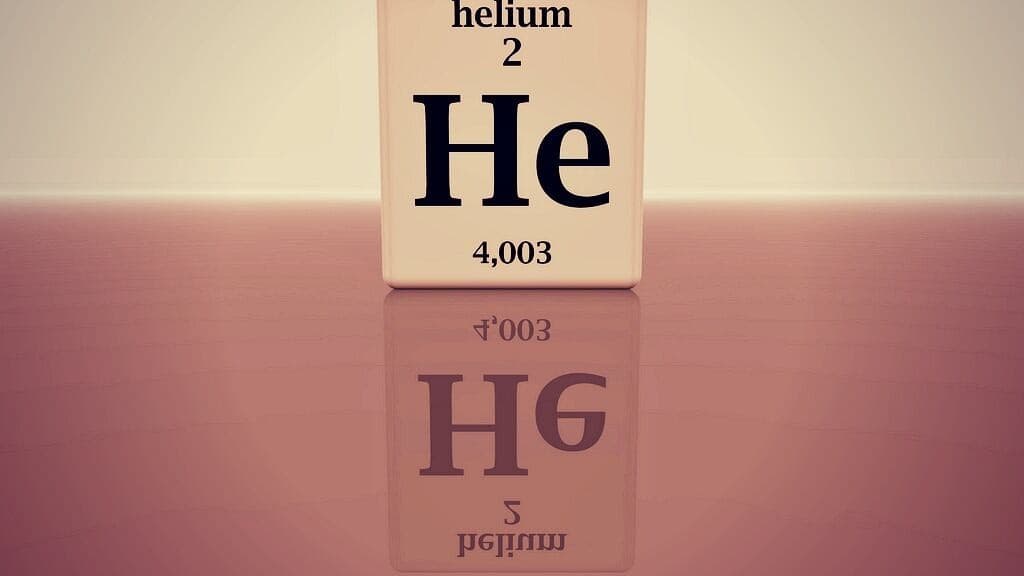
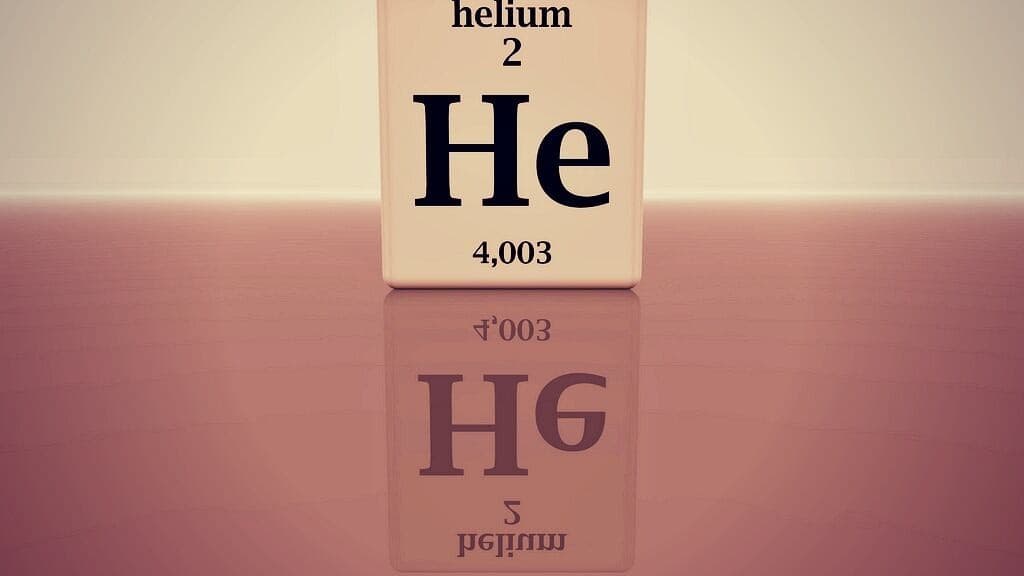
Helium is the second most common element in the universe. On Earth, however, it is rare but quite valuable. Helium is a “totally unreactive” gas, which makes it perfect for building a protective atmosphere for the production of fiber optics and semiconductors, per the British Royal Society of Chemistry. It is also a very fast cooler, so it is used as a cooling agent in MRI scanners and other machines, including the Large Hadron Collider, and semiconductor production machinery. Helium has no viable alternative as a cooling agent, either in semiconductor production or elsewhere.

The biggest producer of helium in the world is the United States, which is only to be expected since it is also the largest producer of natural gas, and helium is a by-product of natural gas extraction. It is also because of this that Qatar is the second-largest helium producer in the world—and now its production has been severely disrupted.

“This is the big one that we always feared would happen, it’s the black swan event,” Cliff Cain, commercial and external affairs manager at a U.S. helium exploration company, told the Wall Street Journal in comments on the helium supply situation. “It is just going to be a building crescendo of who’s going to be able to get their molecules and who is not,” Cain added.

The big problem is that supply chains for helium are not as flexible as Big Tech would probably like them to be. The world’s largest semiconductor producers are in Asia, and they import their helium from Qatar. With the country’s gas production compromised by the war, South Korean chipmakers are trying to switch to U.S. helium, but it is taking time—and money, if only for geographical reasons.

Not only that, but U.S. companies dealing in helium have also been affected by the Qatari outage, per the WSJ. The publication reported Airgas had declared force majeure in March because of the helium supply squeeze in the Middle East—and it is not the only one, according to industry insiders who spoke to the WSJ. According to a report by another publication, Goldinvest, at least three of the world’s largest helium suppliers had introduced what essentially comes down to rationing, informing clients they would only be receiving part of previously agreed volumes. This has, unsurprisingly, made analysts pessimistic about the future of the so-called AI revolution, especially with a prolonged conflict in the Persian Gulf.

“Even if production resumes tomorrow, full supply chain recovery would take four-to-six additional months—bringing the total vulnerability window to six to nine months,” Quantum Strategy president David Roche told Morningstar. “This is a crisis of a critical, irreplaceable raw material, cutting across tech, healthcare, and science. Chip production sits at the center of immediate concerns,” he added.

Reports about the global helium shortage suggest that the physical supply problems are only just beginning. This means the situation will become considerably worse in the coming weeks, with the supply shortfall potentially reaching as much as 30%, according to Goldinvest. This might possibly cool AI optimism or at least extend the timeline for the “revolution”—and make it even more expensive.

By Irina Slav for Oilprice.com

More Top Reads From Oilprice.com

Chevron Reports “Extensive Damage” at Major LNG Project

Iranian Drone Sets Kuwaiti Oil Tanker on Fire

China Resells Record LNG Volumes as Global Gas Crunch Bites

Oilprice Intelligence brings you the signals before they become front-page news. This is the same expert analysis read by veteran traders and political advisors. Get it free, twice a week, and you'll always know why the market is moving before everyone else.

You get the geopolitical intelligence, the hidden inventory data, and the market whispers that move billions - and we'll send you $389 in premium energy intelligence, on us, just for subscribing. Join 400,000+ readers today. Get access immediately by clicking here.
Comments
You must be logged in to comment.