yahoo Press
M&S accuses Labour of driving up energy bills
Images
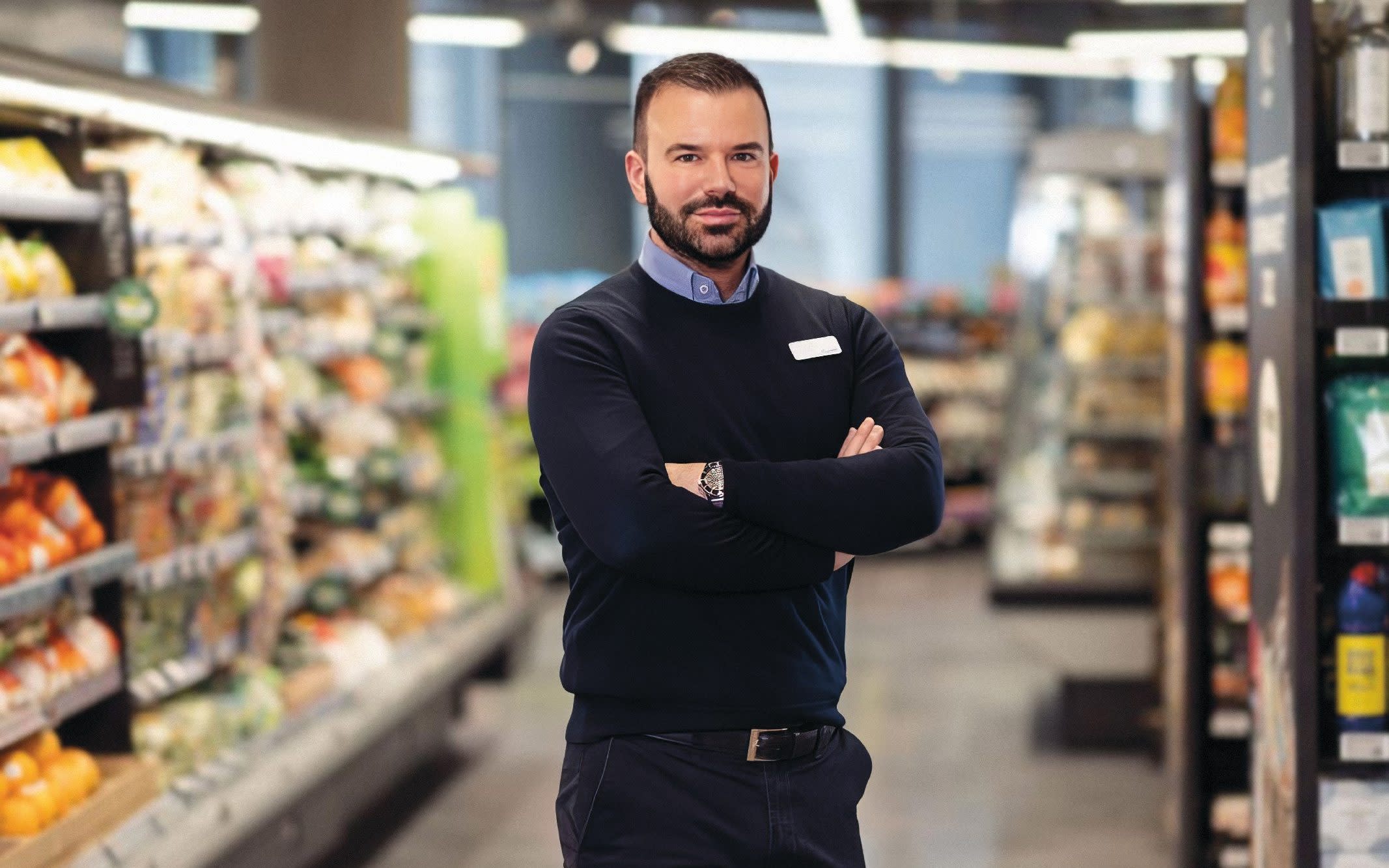
1 / 5
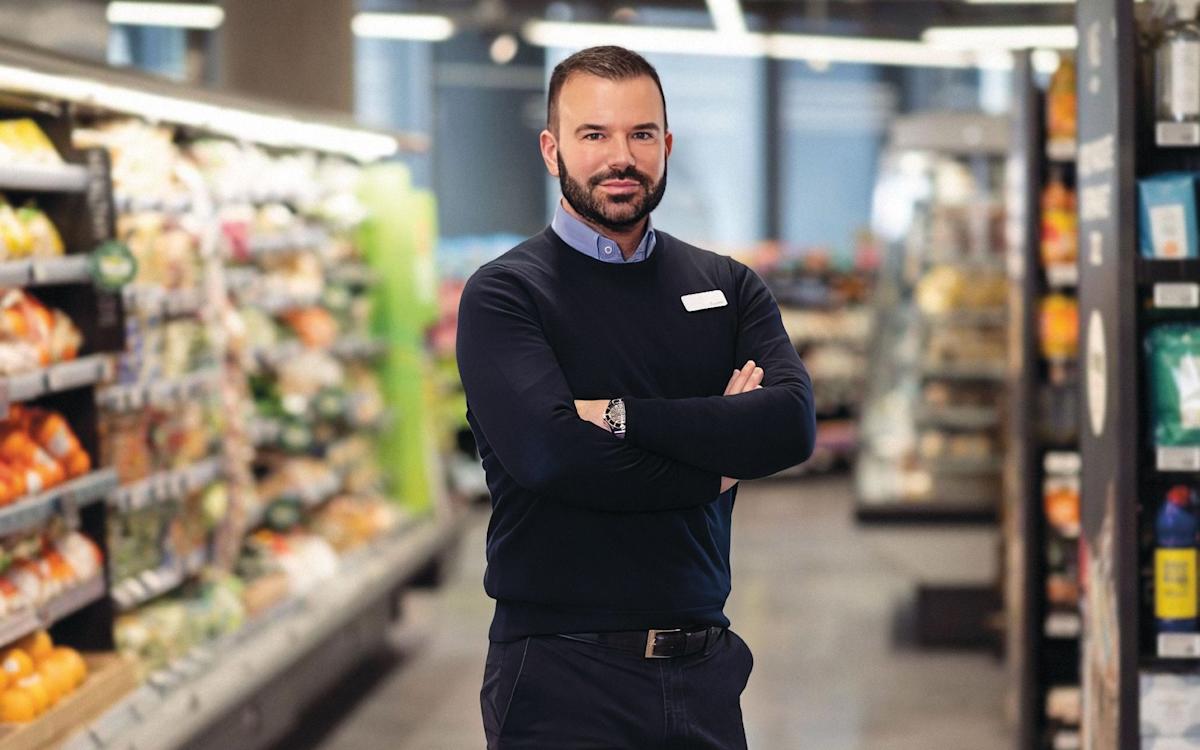
2 / 5

3 / 5

4 / 5
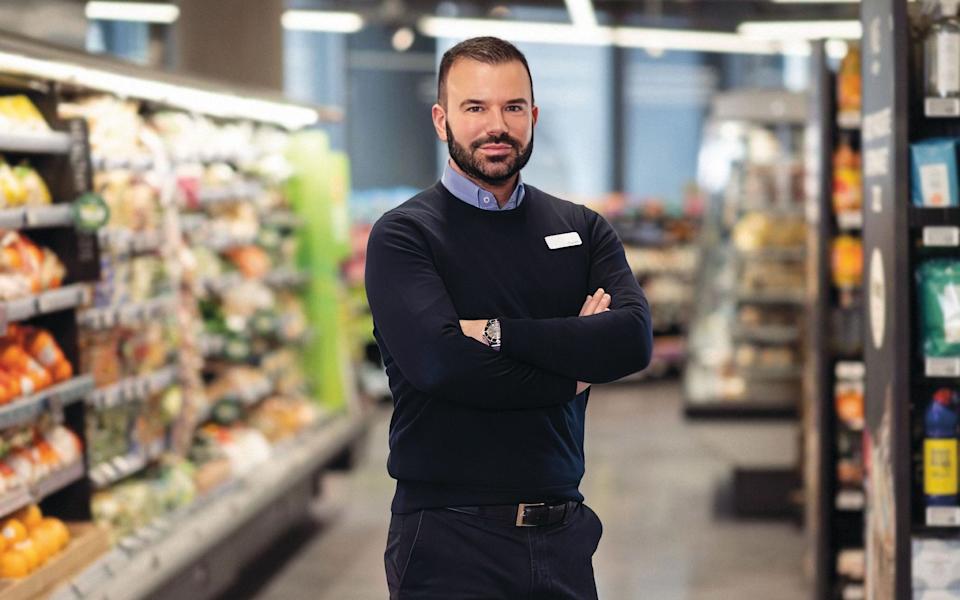
5 / 5
M&S has accused the Government of driving up energy bills as Britain faces one of the biggest hits to growth from the war in Iran.

Stuart Machin, who runs the retail giant, said government-imposed levies now accounted for more than half of his company’s energy costs and had “nothing to do with the price of oil or gas”.

“Over the last few years the ‘policy costs’ on our energy bill have skyrocketed,” Mr Machin wrote on LinkedIn.

“These are the tariffs that [the Government] place on our bills to fund their policies, and have nothing to do with the price of oil or gas. They now make up over half our bill. It’s just not sustainable for UK businesses.”

The comments came as the OECD said Britain faced the biggest hit from surging oil and gas prices out of any major economy.

Inflation will surge more sharply than in other developed nations and wipe half a percentage point off UK growth this year, according to its forecast.

The UK is particularly exposed because of its heavy reliance on imported energy. Oil prices have risen from $70 per barrel a month ago to around $100 today, while natural gas prices have nearly doubled since the start of the war in Iran.

The OECD’s forecast is a blow to the Government, which before the start of the conflict in the Gulf had hoped that cost-of-living pressures would ease this year.

Rachel Reeves, the Chancellor, said the UK had not started the war but that it would have “an impact on our country”. She insisted Labour had “the right economic plan”.

Mr Machin’s frustration with government policy stems from green energy levies added to the wholesale price of energy.

They include a so-called renewables obligation, under which suppliers must source a proportion of power from renewable generators or pay a penalty; a scheme that funds clean energy projects; “feed-in tariffs” for small-scale generators and charges that help ensure enough power is on standby.

Beyond policy costs, businesses must also pay network charges, which fund upgrades to Britain’s power network, much of it required to meet net zero, and the climate change levy, a tax on non-domestic energy consumption.

A report by the Confederation of British Industry and Energy UK found British businesses were paying 60pc more for gas and 70pc more for electricity than they did before the energy crisis caused by Russia’s invasion of Ukraine in 2022. That is despite wholesale prices falling “substantially” in the same period.

Separately, the M&S boss wrote on Thursday to Home Secretary Shabana Mahmood to raise concerns about a surge in “significant” crime in his stores.

Speaking at the Business Leader Summit in London, Mr Machin said: “All I keep hearing about is crime going down and that’s not what we’re seeing in the real world. Crime is going up.”

Mr Machin said he had also written to the Chancellor earlier this week setting out “very clear views” about issues facing British businesses.

The OECD predicted that the UK economy will grow by 0.7pc this year, far below the 1.2pc it forecast for the UK just three months ago. No other country in the G20 suffered a larger downgrade. France and Germany are each expected to grow by 0.8pc, a downgrade from December’s projection of 1pc.

Only Russia and Italy are on track for weaker growth this year.

At the same time, inflation is expected to jump back to 4pc. That is double the Bank of England’s 2pc target and well above the 2.5pc anticipated before the war.

It means families and businesses face another year of mediocre economic growth combined with painful rises in living costs. High inflation also raises the prospect that the Bank of England will keep interest rates higher for longer.

Asa Johansson, a director at the OECD economics department, said “relatively weak” growth at the end of last year had left the UK exposed.

“That meant that the momentum going into this year was weaker, which meant less positive upside factors offsetting the negative energy price shock,” she said.

The Paris-based institution said all countries that rely on energy imports for their power would suffer a shock from higher oil and gas prices.

It also warned that “those with relatively low energy inventory levels” are especially vulnerable. Britain only has enough gas stored to cover a few days of consumption, compared with several weeks’ worth in other major European economies.

Sir Mel Stride, the shadow chancellor, said the Government had left the UK exposed to the crisis.

“Rachel Reeves has ramped up borrowing, spending and taxes. As a result we have stagnant growth, while inflation, unemployment, the deficit and debt interest costs have all shot up,” he said.

“At the same time, Ed Miliband’s net zero obsession has left us reliant on imported energy instead of using our own supplies in the North Sea.”

The OECD warned that energy prices could remain high long after the conflict ended and said the crisis was likely to push up food prices too.

Financial markets expect the Bank to raise interest rates by between two and four times in the next year to crack down on inflation. It represents a stark turnaround from expectations just a few weeks ago of two rate cuts this year.

The OECD predicts the Bank will act more cautiously, holding rates at 3.75pc this year and cutting borrowing costs to 3.5pc in early 2027, supporting growth next year.

Sarah Breeden, a deputy Governor of the Bank of England, said there was not “a straight line between oil and gas prices” and interest rates.

However, she said it was “clear there’s going to be an impact on [housing] affordability because mortgage rates have risen” in response to expectations of possible interest rate increases.Ms Breeden said higher mortgage rates were unlikely to crash the housing market. She said: “Our analysis suggests that even with higher energy prices, even with higher interest rates, there should be enough resilience in borrowers to stop the bust. We haven’t had the boom, we shouldn’t have the bust.”

Alan Taylor, an external member of the Bank’s Monetary Policy Committee, warned that “the only thing that is sure is that there are tough times ahead”.

In a speech in New York, he said: “It is likely that energy prices will be significantly higher from here on for a significant period of time.”

Ms Reeves said the impact of the war was unavoidable.

“The war in the Middle East is not one that we started, nor is it a war that we have joined. But it is a war that will have an impact on our country,” she said.

“In an uncertain world we have the right economic plan. The decisions we have taken have put us in a better position to protect the country’s finances and family finances from global instability.

“Our economic plan means going further to build a stronger, more secure economy. That means going further on our three big choices: empowering regional growth, embracing AI and innovation and establishing a closer relationship with the EU.”

Pressure is mounting on the Chancellor to launch a package of support for households and businesses with soaring energy bills.

However, the OECD cautioned against launching the kind of sweeping subsidies Britain introduced following 2022’s energy price spike.

“Any new discretionary measures should be well-targeted on households most in need and viable firms, preserve incentives to lower energy use, and have clear expiry mechanisms,” the OECD said.

Ms Reeves has promised targeted support for low-income families.

While Britain will suffer, the OECD said some other nations were benefitting from “continued strong momentum” in AI.

The US economy is on track to grow by 2pc this year, up from earlier forecasts of 1.7pc.

A government spokesman said: “We know that businesses across Britain will be concerned about the impact on their energy bills from events in the Middle East.

“Wholesale costs are the single largest component of energy prices.

“Our mission for clean power by 2030 will get us off the roller-coaster of fossil fuel prices, to cut bills for businesses and households for good.”

Try full access to The Telegraph free today. Unlock their award-winning website and essential news app, plus useful tools and expert guides for your money, health and holidays.
Comments
You must be logged in to comment.