yahoo Press
Gold IRA fees explained: What you'll actually pay
Images
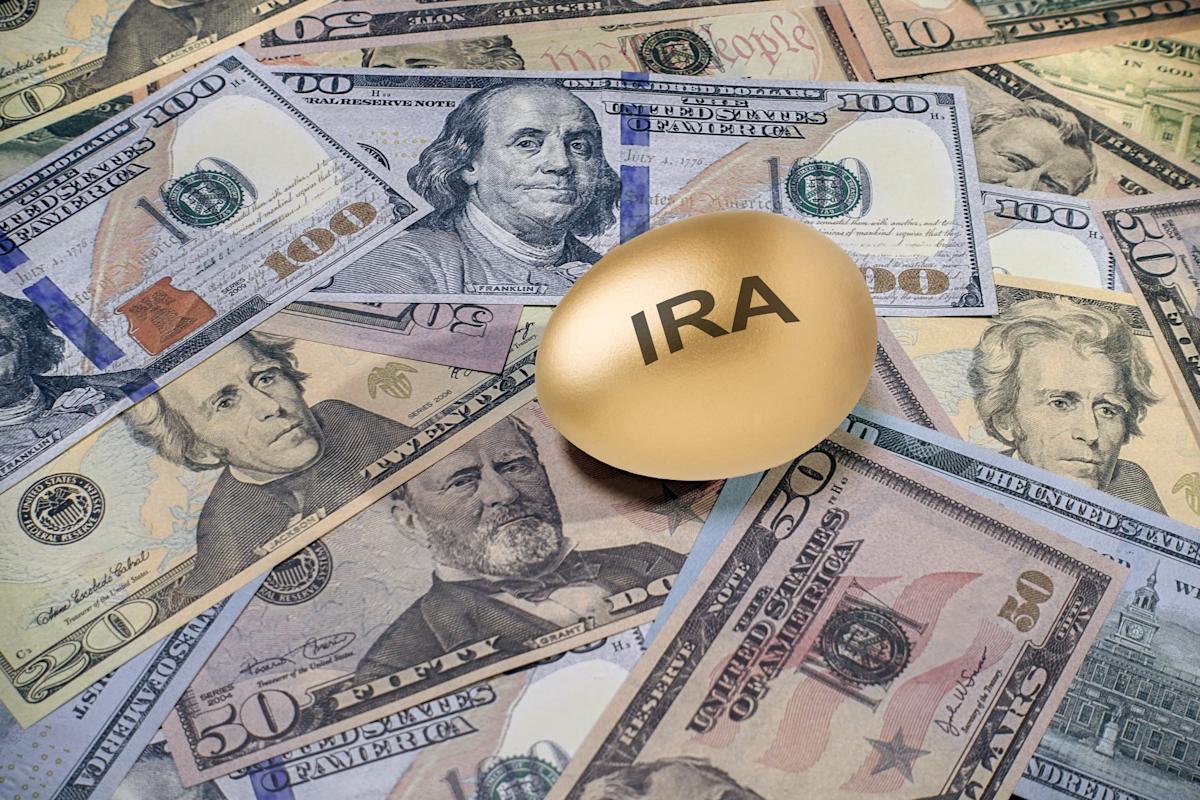
1 / 10

2 / 10

3 / 10

4 / 10

5 / 10

6 / 10
7 / 10

8 / 10
9 / 10

10 / 10
Some offers on this page are from advertisers who pay us, which may affect which products we write about, but not our recommendations. See our Advertiser Disclosure.

What’s the price of gold? It’s a common question. But the answer includes more than the market value.

Investors often focus on the price of gold quoted in global markets. However, the total cost of owning gold reflects dealer premiums, storage expenses, and account administration fees. When gold is held inside a self-directed individual retirement account (IRA), those additional costs are commonly known as gold IRA fees.

A gold IRA often costs a few hundred dollars per year to maintain. These ongoing costs — sometimes referred to as gold IRA annual fees — typically include custody and storage, along with a one-time setup fee and a markup when purchasing gold.

Read more: Best gold IRA companies

Gold is a commodity, meaning its market price is shaped by supply and demand. Collectible value, taxes, and currency exchange rates can also influence what investors pay.

Some costs relate to the metal itself. Others depend on how investors own or store the gold.

Physical precious metals must be stored securely and tracked by an approved custodian when held inside a retirement account. These requirements help explain why gold IRAs have additional administrative and storage expenses.

The price to purchase gold is often referred to as the spot price, which is influenced by its weight in troy ounces. A standard ounce is 28 grams; a troy ounce is roughly 3 grams heavier.

The troy ounce ensures consistency in the global valuation of precious metals. While many consumers use grams to weigh jewelry at home, professional trading and legal standards (like U.S. mint coins) rely exclusively on the troy ounce.

Unlike stocks or bonds, gold doesn’t pay dividends or generate income. Investors own a tangible precious metal, but the way they choose to hold gold can influence the total ownership cost.

A gold IRA allows investors to hold physical precious metals alongside or instead of traditional investments like stocks and bonds. Gold held in an IRA must meet IRS standards of 99.5% purity to qualify.

To open a gold IRA, investors typically work with a custodian to facilitate the purchase of approved gold coins or bars and to manage the account’s administration and reporting requirements.

The metals are then stored in a secure vault under IRS guidelines. While investors own the gold within the retirement account, the physical metal must remain in the approved storage facility while it’s held in the IRA.

Because custodians and storage facilities are involved, gold IRAs may include several types of fees.

Most accounts include several common cost categories, depending on the provider, storage arrangement, and account value.

These ranges reflect general costs reported by gold IRA providers. Actual fees may vary.

For example, an investor holding $50,000 in a gold IRA might pay a one-time setup fee, along with annual custodian and storage costs that total a few hundred dollars per year, plus any dealer premiums at the time of purchase.

Several factors influence the total cost of maintaining the account, including:

Custodian administering the IRA

Storage facility holding the metals

Amount of gold purchased

Size of the account

Some custodians charge flat annual fees, while others structure certain costs based on the value of the assets held in the account.

When reviewing different companies, investors often compare how fees are structured and what services are included. These cost factors include:

Annual fee structure: Flat annual fee or account value

Storage costs: Segregated or shared storage

Setup and account fees: Upfront and ongoing

Dealer premiums: Markups and buybacks

Transaction fees: Costs for buying, selling, or transferring metal

Fee schedules — what investors pay, when they pay it, and how those charges accumulate over time — aren’t always presented in the same way. Some providers bundle services into a single annual fee while others list separate charges for administration, storage, and transactions.

Understanding how fees are structured can help clarify the total cost of maintaining a gold IRA.

The long-term cost of owning a gold IRA depends on annual fees and how long the account is held. Because gold doesn’t generate income, these costs are typically paid out of the account or offset against the value of the investment.

Over longer time horizons, even relatively low annual fees become a meaningful part of the total cost. Consider the $50,000 example above relative to typical annual fee ranges, excluding changes in gold prices or investment returns.

These categories form the typical fee schedule for a gold IRA, though how they’re structured differs by provider.

Gold is easy to price.

The harder part is understanding what it costs to own — and how those costs are structured over time.

A gold IRA is a retirement account that holds physical metals rather than financial securities. Here's how it works, what metals are allowed, and how it differs from other IRAs.

Whether a gold IRA is a good investment depends on how it behaves within a portfolio. Here's how it works, the trade-offs involved, and how it fits alongside other assets.

A gold IRA is a self-directed IRA designed for gold and other precious metals. Learn the differences between it and traditional IRAs, tax implications, pros and cons, and alternatives.

A gold IRA is a type of retirement account that allows investors to hold physical precious metals. Here's how it differs from a traditional IRA.

Gold IRAs apply the tax advantages of traditional and Roth IRAs to your long-term precious metal holdings. Here's how they work.

A gold IRA and physical gold differ in liquidity, tax treatment, storage, and fees.
Comments
You must be logged in to comment.