buzzfeed Press
Author Robbie Couch Opens Up About His New Book "Bloom," That Deals With Grief And Dying Plants
Images
1 / 8
2 / 8

3 / 8
4 / 8
5 / 8
6 / 8
7 / 8
8 / 8
The bestselling author breaks down the heart, humor, and risks behind his first adult fiction book.

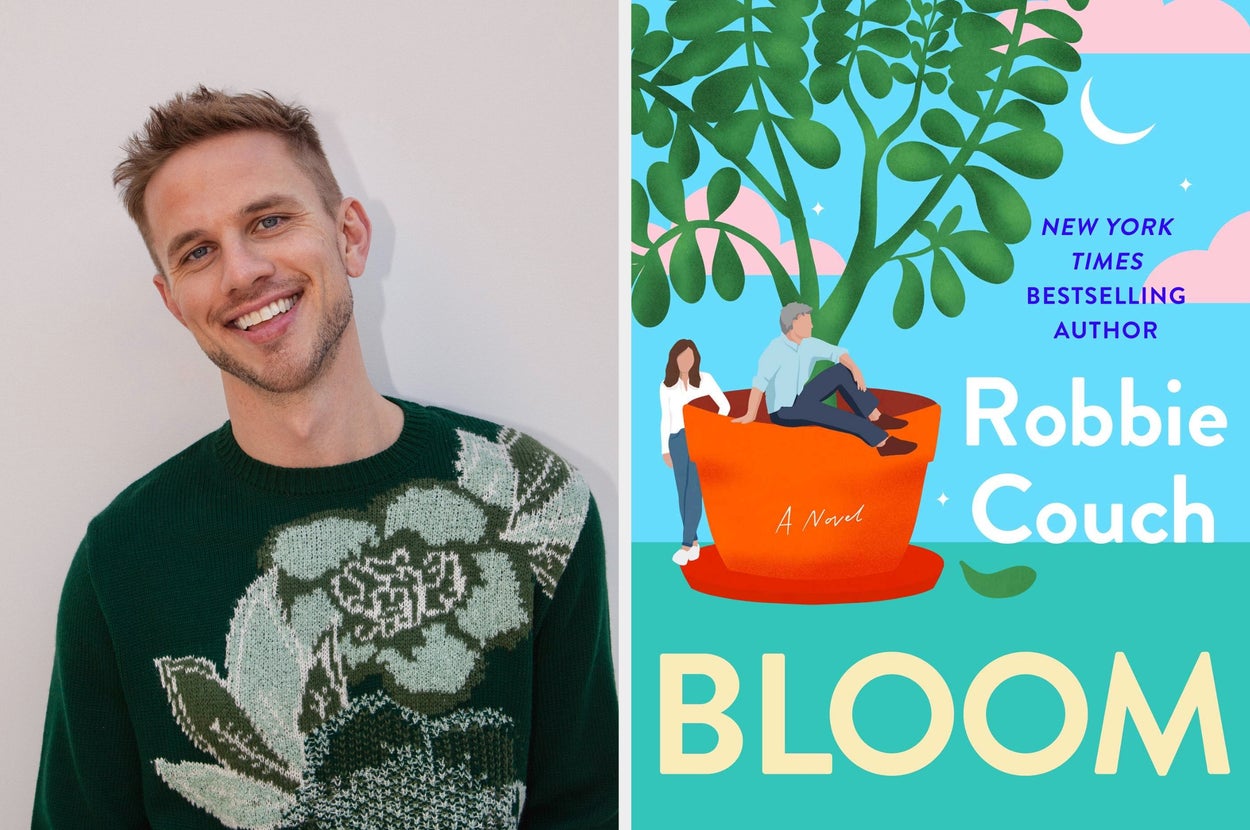
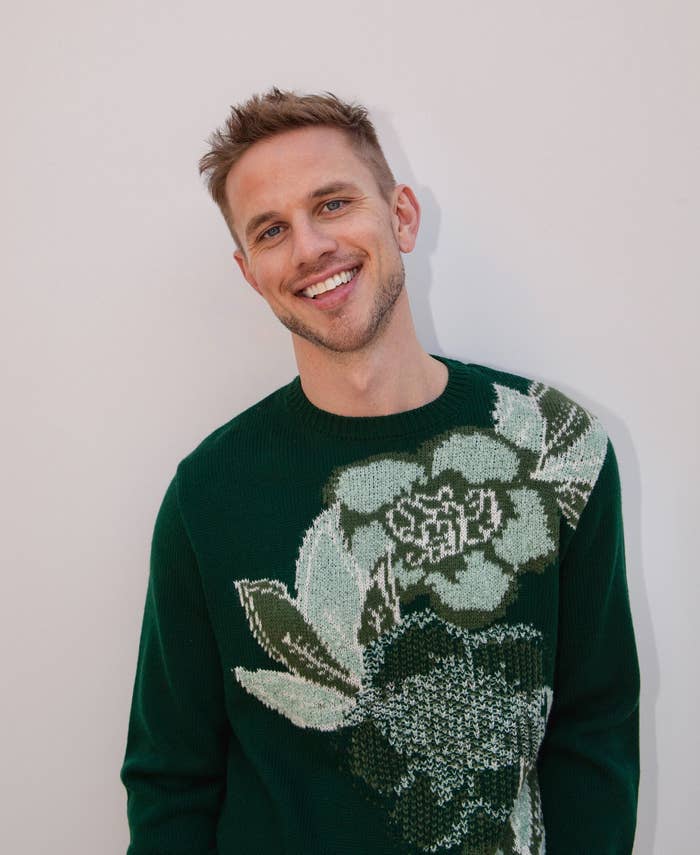
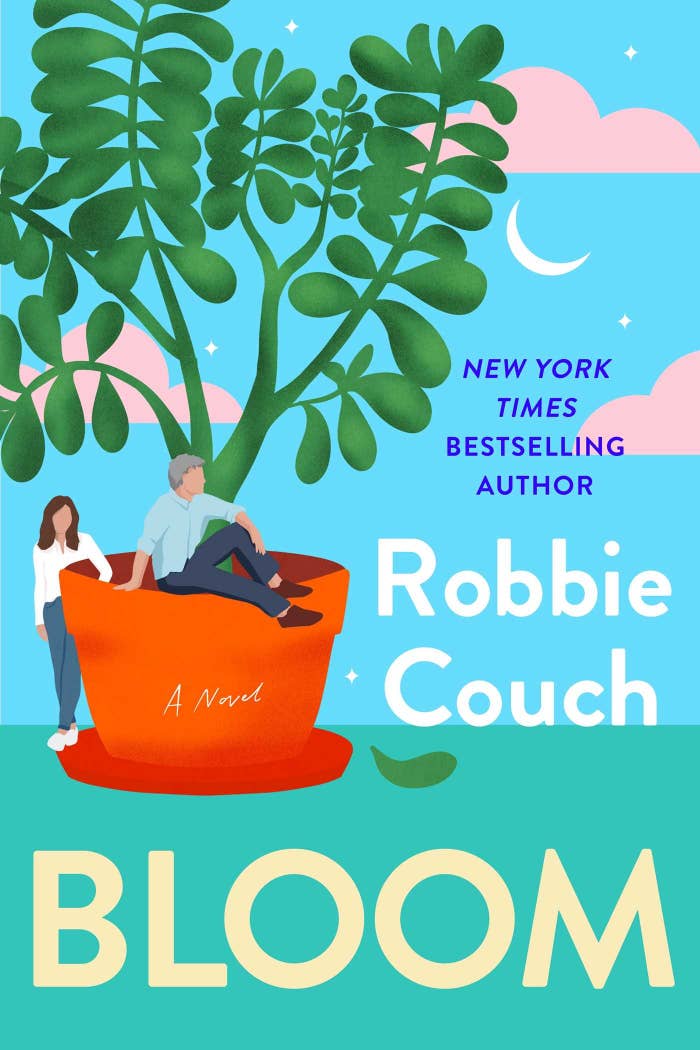
As a longtime fan of New York Times bestselling author Robbie Couch's books, I can tell you he has a great way of blending humor with real, emotional stakes in a way that makes his stories feel both comforting and honest. With his latest novel, Bloom, he's stepping into new territory, shifting from YA to adult fiction while still holding onto the warmth and heart that made us readers fall in love with his earlier work.

At first glance, Bloom might sound like a quirky story about houseplants (and to be fair, there is a scene-stealing succulent involved). But at its core, it's a thoughtful look at grief, family dysfunction, connection, and the lives we don't often see centered in queer stories, especially older LGBTQ+ characters. The story is heartwarming, a little weird in the best way, and surprisingly funny.

I recently caught up with Robbie to talk about where this idea came from, the challenge of writing from a plant's perspective, and why stories about queer joy and loss at every age still matter so much right now.

When I first saw the pitch for your book, I skimmed it quickly and thought it was about two plant gays meeting. So I was pleasantly surprised to realize the story actually centers on a gay man in his 70s. What made you want to explore the life of a much older character, especially since people his age are so rarely the main characters in gay novels?

Originally, the book came from an idea I'd had — I want to say at least a year before this version really took shape — about a character from a different story that will probably never see the light of day. In that story, I wanted to take a slight comedic approach to make mental health, depression, and anxiety feel more accessible by focusing on this character's houseplants and how many new ones she was buying. So if you saw, like, her front window just crammed and they were like dying, then it's, "Oh yeah, Sarah must be going through it." I like the idea of having this more lighthearted way as an entry point to a more serious topic. So that was the original idea that landed in my ideas document that developed into the story for Bloom.

I also really like the idea of someone struggling with a death and having that grief sort of manifest in their not being able to kind of keep up with, you know, housework and the normal routine of stuff. And so this houseplant was suffering because of that. And to your point, I do think that older LGBTQ people are not represented as much as they probably should be in our stories, and oftentimes, they're depicted in ways that can be overly stereotypical or sort of caricatured. To be honest, I don't know where the exact inspiration came from, other than I was aware of that and wanted to kind of write a story that included the perspective or the POV of an older gay man. So it just sort of worked out to kind of combine that original idea with what Morris was experiencing.

And for readers who might be interested in picking up Bloom, how would you describe the book?

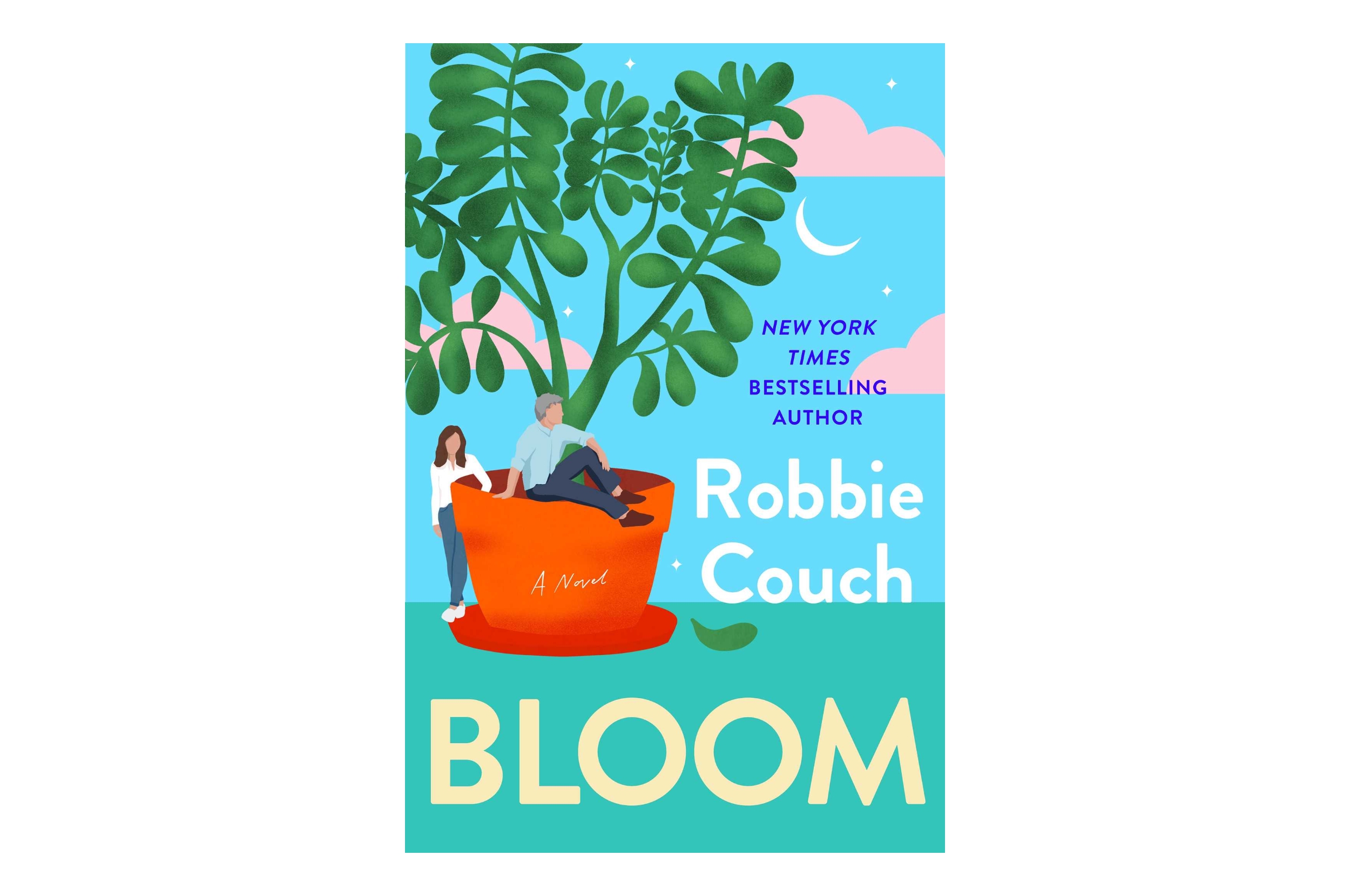
Bloom follows the story of Morris, who is 70-something years old, and he's really struggling with grief after losing his husband. And then his stepdaughter, Sloane, with whom he doesn't really have a good relationship with, is feeling the loss of her dad, and feels motivated to reach out to him to see if that connection with her dad is still present through Morris. But then there is a story happening beyond what the humans can see in the book, and that is through the perspective of Jade, who is this succulent houseplant, and is dying because of Morris's neglect.

So there's sort of the story that the reader's reading from the sapien perspective, and then there's the behind-the-scenes magic that Jade and the other houseplants are kind of creating beyond where the humans can see. It's definitely a unique concept and approach to a type of story that I've never really done before. But I think it worked out!

As you mentioned, this story has a unique premise. You were sort of talking about that earlier, but what was the spark that made you think, Okay, this is a story I need to write?

I think it started with having an idea for an older LGBTQ person. I hadn't written a book that really centered on their experience or had an older queer person as the main character. So that really was exciting for me. Then, when I took that concept and utilized Morris's character for the struggling/grief idea, that was one of those little light bulb moments of: Oh, wow, I think something is here. I really liked the idea of, kinda, what I mentioned earlier, where there's this other story happening that lives outside the realm of human perception, but it still plays a big, big role in the characters' trajectories and their experiences behind the scenes. That concept was a little bit of a light bulb moment, too, that I really wanted to lean into.

Also, not to be super long-winded, but I read Remarkably Bright Creatures by Shelby Van Pelt, a best-selling book that tells a human story, and then switches to an octopus's POV, written in the first person. And if someone would have pitched the concept of that story to me, I would have thought, You're going to write from an octopus’s perspective? Like, how is that even possible? But when I read the book, something clicked, and I thought, Oh, I wonder if this could be applied to this crazy succulent idea that I have? So that was another moment where I realized this could be feasible with this book, and there's a way to do it that I think could work really well.

Actually, on that note, Jade was like one of the most unexpected elements in the book because it's a houseplant. What was the biggest challenge in writing a character that isn't human but still needs to feel relatable and alive to readers?

Oh, such a good question. It was this weird place where I wanted readers to feel connected to Jade in this personable, warm way, and I wanted them to be rooting for her — no plant pun intended. But I also didn't want her voice to come across as, you know, a little too Pixar-y, which I say with all the love and respect for Pixar in the world. And I didn't want her to sound like a robot on the page, either. In my first draft of the book, that was probably the biggest change in working with my editor on crafting her voice, because in the first draft, she was just a little too not human. So it was tricky to kind of figure out exactly where I wanted her voice to land. And some of it was just kind of thinking more critically about the vocabulary that she would use. And some of it was thinking about how to make this consistent across how this plant and the plant world see people and their surroundings. But then, I also just wanted her to be this lovable character that readers wanted to see survive. It was a creative process that included some trial and error, but I hope I landed. I think I landed in a good place with her voice.

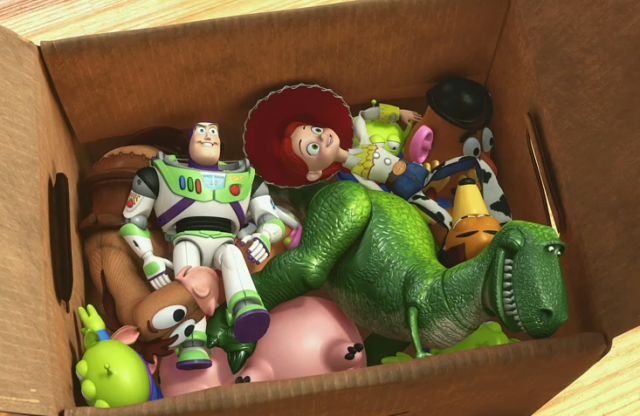
I think you actually did very good world-within-a-world-building. Like in the way when we watch a Toy Story movie, you see the perspective of these inanimate objects that are toys, but they live in their own world that's within a human world.

Oh, thank you. I hadn't even thought of the Toy Story comparison, and someone else, a couple of weeks ago, compared it to that very same thing, and I was like, "Oh, that's actually terrific."

Staying on the subject of challenges. You've written several YA novels before this. What was the biggest shift in writing your first adult novel? Or even challenges?

I was really excited to write for adults, and so every step of the process was exciting, and kind of felt new and refreshing. But, I also felt myself second guessing a lot more than I think I'm used to because I've had four YA books published — obviously every book is completely different with different characters and themes and stories — and there's still a little bit of a groove I could feel myself in when I would start to think about the main characters and the protagonists in the YA space. And so I kind of felt myself having to second-guessing whether it was like the tone that I was striking, or in a few areas, I wondered just about the age appropriateness of things, just because I am so used to the YA world. But my editor, James at Gallery, was so terrific at kind of helping me through that process and giving me the confidence to write for different audiences. So it definitely was a challenge, for sure.

Now, of course, we've talked about how you've written YA novels. Right now, we're seeing a lot of efforts by right-wing conservatives to remove or restrict books with any type of LGBTQ+ themes — or even mentions — from schools and public libraries. As an author who writes for younger readers, what do you wish the people pushing those efforts understood about these kinds of stories and why they matter?

Well, I think if you're talking about the people pushing for it, it's like I'm less concerned about those people, because I think those people pushing for the censorship and for these crackdowns already have bad intentions for LGBTQ people and other minority groups, overall. I would really encourage readers to understand that these crackdowns are, yes, they're focused on LGBTQ people, but whenever you have the government or any sort of power center coming after marginalized groups or people without a voice, it can quickly devolve into the government coming for just about everyone. And I think it's cliché phrasing, but really, "No one's safe until everyone's safe."

I think we have to understand the kind of threat that we are really living in under this current administration and just the broader conservative movement in this country, to erase LGBTQ people, sideline our stories, make it seem as though we are extreme or outside of the mainstream, and it's just ridiculous. So I hope more and more people just become aware of these book bans and these crackdowns on free speech, because it has always taken our country in a very dark direction when it's happened before. And unfortunately, it seems to be happening again.

I feel with every generation that passes, it's common for LGBTQ+ people to see all the new amazing queer media and say, "Oh, I wish I had this. And I wish this were around when I was younger." I think YA books like yours are exactly what queer kids need to see themselves and see their own quirks and their struggles within these characters. These types of representation are important when you're trying to figure out who you are.

Absolutely. When I started writing YA, after the book started publishing, young queer people and teenagers came up and told me they liked the book and were so excited for it. That was amazing, and that was the main reason why I wanted to write queer YA. But, I was so surprised at the number of older, especially gay men, but older LGBTQ people in general, who were reading queer YA for the reasons that you kind of laid out; they never had these books before. They really wish they had had these stories when they were younger. So I think it was just an even cooler experience than I expected, having older generations also appreciate my book, and appreciating it in a slightly different way. But yeah, these books matter too, and not just. LGBTQ books matter because they really do make a difference to queer people.

Now that you've published your first adult novel, are you looking forward to writing more?

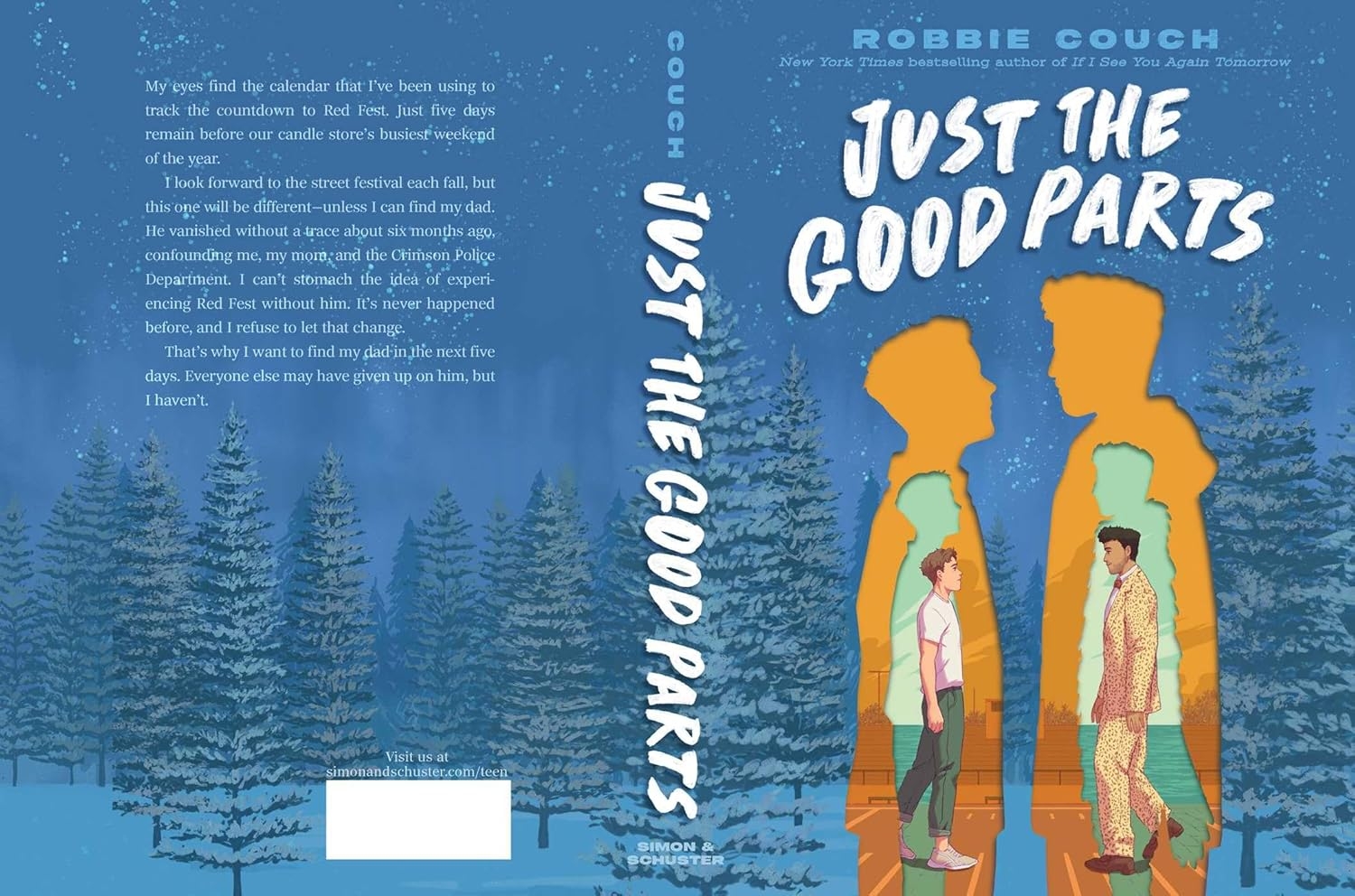
Yes, and in fact, I just kind of had a mini breakthrough on my next adult fiction pitch to my editor right before this call. It's very preliminary. It's not even officially a book yet, but I definitely want to keep going in this direction. I still have my next YA book, Just the Good Parts, coming out in September. So I'm still in the YA space. I don't know how much longer I can kind of be in both worlds, ideally forever, but who knows. But yes, I hopefully everyone will see more adult from me as well.

If Bloom were to be adapted into a movie or show, who would you love to see cast as Morris and Sloan? But more importantly, who would play Angela?

Oh, my gosh! For some reason, Patti LuPone just pops into my head for Angela. The thing with this book that is interesting is that I've talked to a few people who work in various spaces in Hollywood, and they've been like, "Oh, I love this book. I would love to see it adapted, but you would have to figure out a really interesting way of telling the story from Jade's perspective." Because, kind of to your point with Toy Story, if it's not in a Pixar-ish format of like a children's book or something, it is very, "How do you tell that story?" Honestly, I haven't really thought about a screen adaptation yet, but I'll think about it and get back to you.

Okay, here's the last question, and you need to be honest: how good are you at keeping your houseplants alive in real life?

So truly, since I've started writing this book, I have become a lot better, because I feel like I really am more spiritually connected to the houseplants in my apartment. Seriously. I used to be the king of over-watering, before, because I just had no idea how much water plants should get. And so I would just give too much, thinking I was loving all of them with my whole heart, and not realizing I was killing them. I've gotten a lot better at it! So I would give myself an A now, but prior to Bloom, probably a C.
Comments
You must be logged in to comment.