yahoo Press
Archaeologists Found a 745-Year-Old Shipwreck from a Famous Failed Invasion
Images
1 / 10
2 / 10

3 / 10

4 / 10

5 / 10

6 / 10
7 / 10

8 / 10

9 / 10

10 / 10
Here’s what you’ll learn when you read this story:

Excavations in Japan’s Imari Bay near Takashima Island found a ship tied to the 1281 Mongol invasion of Japan, the third such discovery in the last 15 years.

Part of a monumental 4,400-ship fleet that descended on Japan, many of the ships were destroyed by a typhoon, known as a “kamikaze” or “divine wind,” at the start of the invasion.

Underwater archaeologists discovered the timber hull and ceramics placing the ship within the Jiangnan Army.

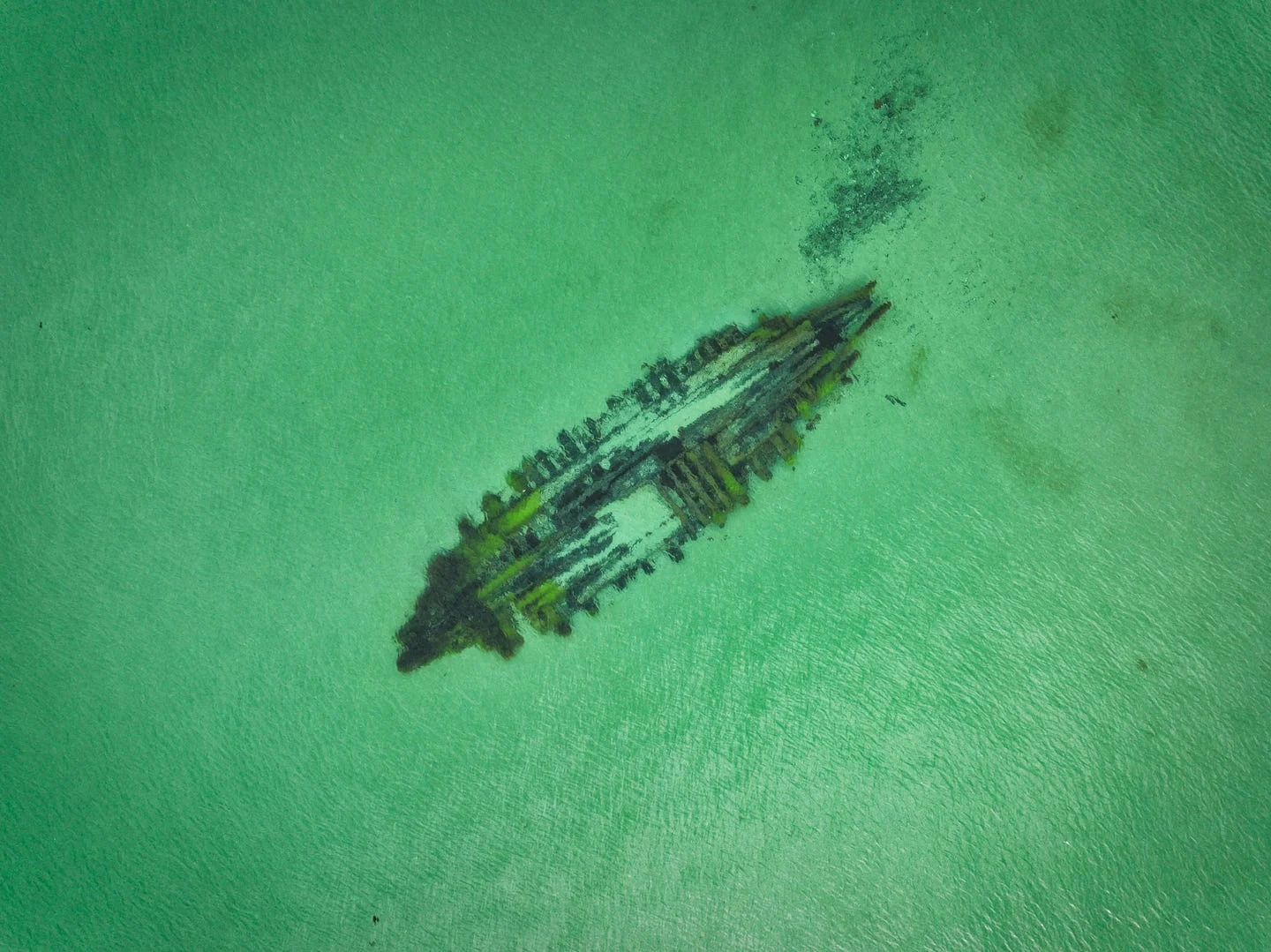
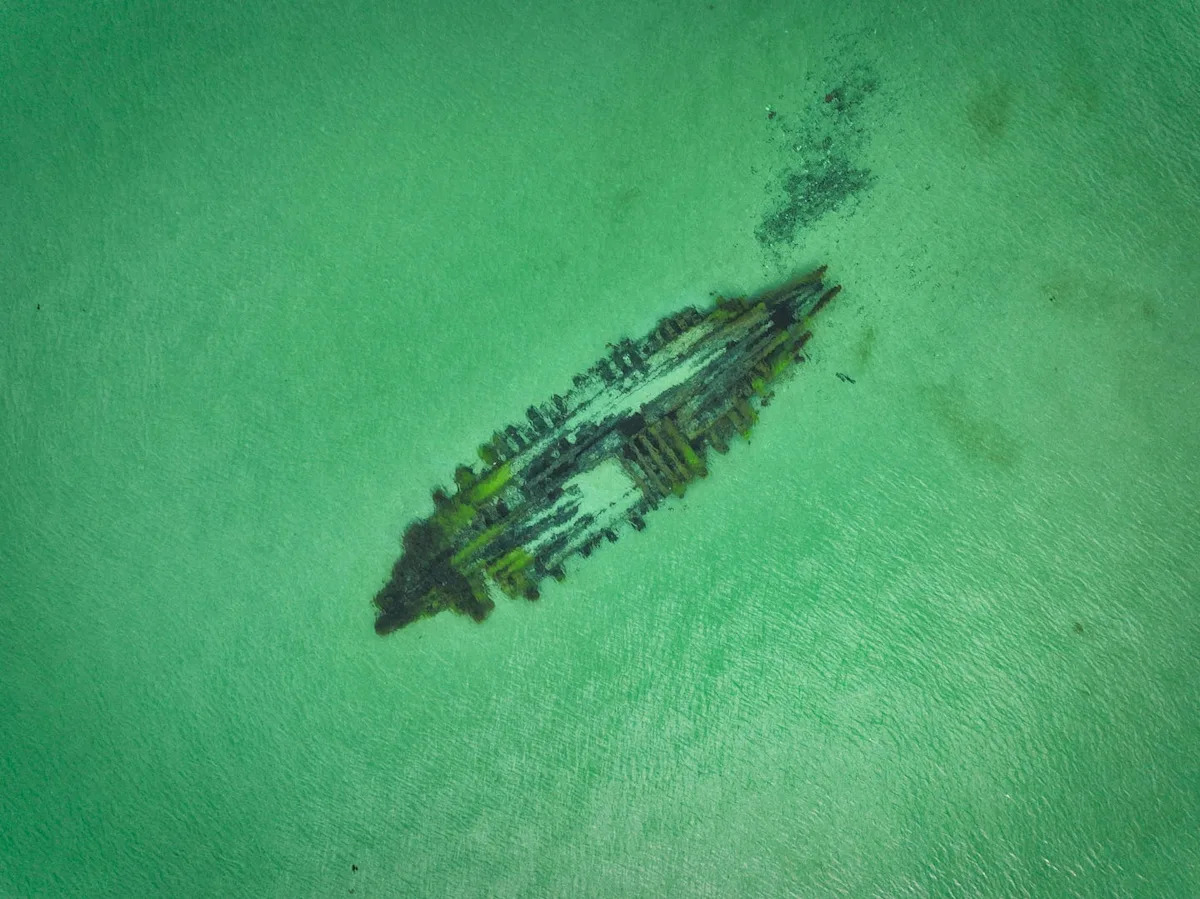
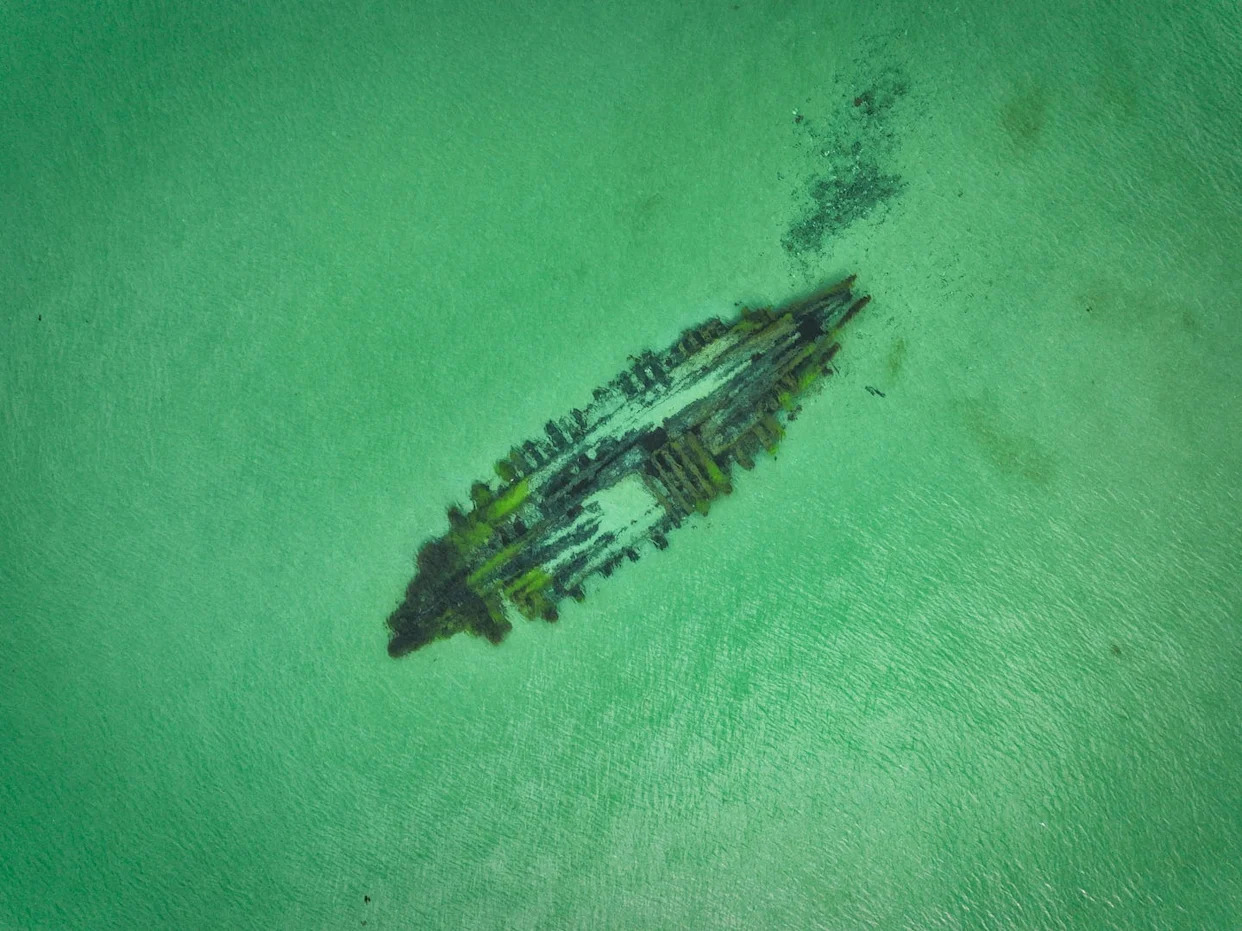
A short sword still in its scabbard, bundled arrows, and a pair of engraved metal chopsticks—these are among the objects that have just emerged from the seafloor off a small Japanese island, seven and a half centuries after a typhoon sent them to the bottom. The artifacts belong to a newly excavated Mongol warship, the third such vessel found in Imari Bay near Takashima Island in Nagasaki Prefecture, and they offer some of the most direct physical evidence yet of the massive naval campaign that Kublai Khan unleashed against Japan in 1281.

That invasion, known in Japanese historiography as the Koan War, was staggering in scale. The Mongol emperor dispatched a combined force of roughly 140,000 warriors aboard 4,400 ships, split into two fleets: the Jiangnan Army sailing from southern China and the Eastern Army departing from the Korean Peninsula. The plan was for both armadas to converge at Iki Island before pressing on to the major port city of Hakata. But the Jiangnan Army’s departure was delayed, and by the time the reunited fleet gathered near Takashima, a devastating typhoon—later immortalized as the “kamikaze,” or “divine wind”—tore through the anchorage. According to the History of Yuan (1369), the supreme commanders abandoned their troops and fled on whatever ships remained operable. Soldiers who staggered ashore were overwhelmed by the forces of the Kamakura Shogunate. Nearly all were killed.

In a study published in the journal Yearbook Japan, Sadakatsu Kunitake and Elena E. Voytishek chronicled the discoveries of a team of researchers from the Nara National Research Institute for Cultural Properties and Kokugakuin University in Tokyo. Using acoustic seabed scanning, the team located Ship No. 3 in 2023, just 165 feet from a second wreck discovered in 2014. All three shipwreck sites lie at a depth of about 65 feet and roughly three feet below the ocean floor, buried under centuries of sediment. The first ship was found in 2011, and excavations focused on the fleet’s remains have been ongoing since the 1980s, and before that, local fishermen had long been hauling up Chinese ceramics and Korean porcelain in their nets.

The 2023–2024 excavation of Ship No. 3 has been especially revealing. Radiocarbon dating of ten wood samples—pine, camphor, and hinoki cypress—shows the timber was felled around 1253, nearly three decades before the ship sank. Analysis of the keel structure indicates a high probability that the vessel was built in Zhejiang Province in southern China, while ceramics recovered on board closely match products from kilns in neighboring Jiangsu Province. Taken together, the construction and the cargo strongly suggest the ship belonged to the Jiangnan Army, the former Southern Song forces that had surrendered to the Yuan Dynasty.

Beyond the weapons and pottery, the broader catalog of finds across all three wreck sites reads like an inventory of a medieval military world: iron helmets, fragments of quivers still packed with arrows, stone cannonballs (including zhentianlei shells once filled with gunpowder) anchors, bronze Buddhist statues and mirrors, and everyday utensils. “The archaeological finds from Takashima Island represent an important source of information about the naval history of the region, the technological level of shipbuilding, and the dynamic interaction of the peoples of East Asia in the early second millennium,” the authors wrote.

What makes the discovery particularly tantalizing, though, is what remains to be studied. During the excavation of Ship No. 3, researchers used acrylic sampling tubes to extract soil from directly above the hull’s lower planks. The deposits contained a thick layer of undecomposed organic matter, including fish bones from meals eaten aboard the ship, fragments of leather, parts of wooden tools, chopsticks, and flakes of lacquer coating. These remnants promise a window into the daily texture of life on a doomed vessel.

Artifacts recovered from the Takashima wrecks are now housed at three institutions—the Matsuura City Buried Cultural Properties Center, the Nagasaki Museum of History and Culture, and the Kyushu National Museum—all of which serve as leading research centers for the study of the Mongol invasion. But with only three ships accounted for out of an armada of 4,400, the seafloor of Imari Bay almost certainly has more stories to tell—one sword, one arrow, one hull plank at a time.

You Might Also Like

20 Cars That Were Massively Improved by a Redesign

Going on Vacation? These Appliances Need to Be Unplugged Before You Leave the House

Roborock Reigns Supreme for Robot Vacuums, but We Also Loved These Other Models
Comments
You must be logged in to comment.