aljazeera Press
Israel kills three in Beirut as it intensifies attacks across Lebanon
Images
1 / 8
2 / 8
3 / 8
4 / 8

5 / 8

6 / 8

7 / 8

8 / 8
Israel steps up attacks across Lebanon as more than one million people are displaced due to the conflict.

Save

Share

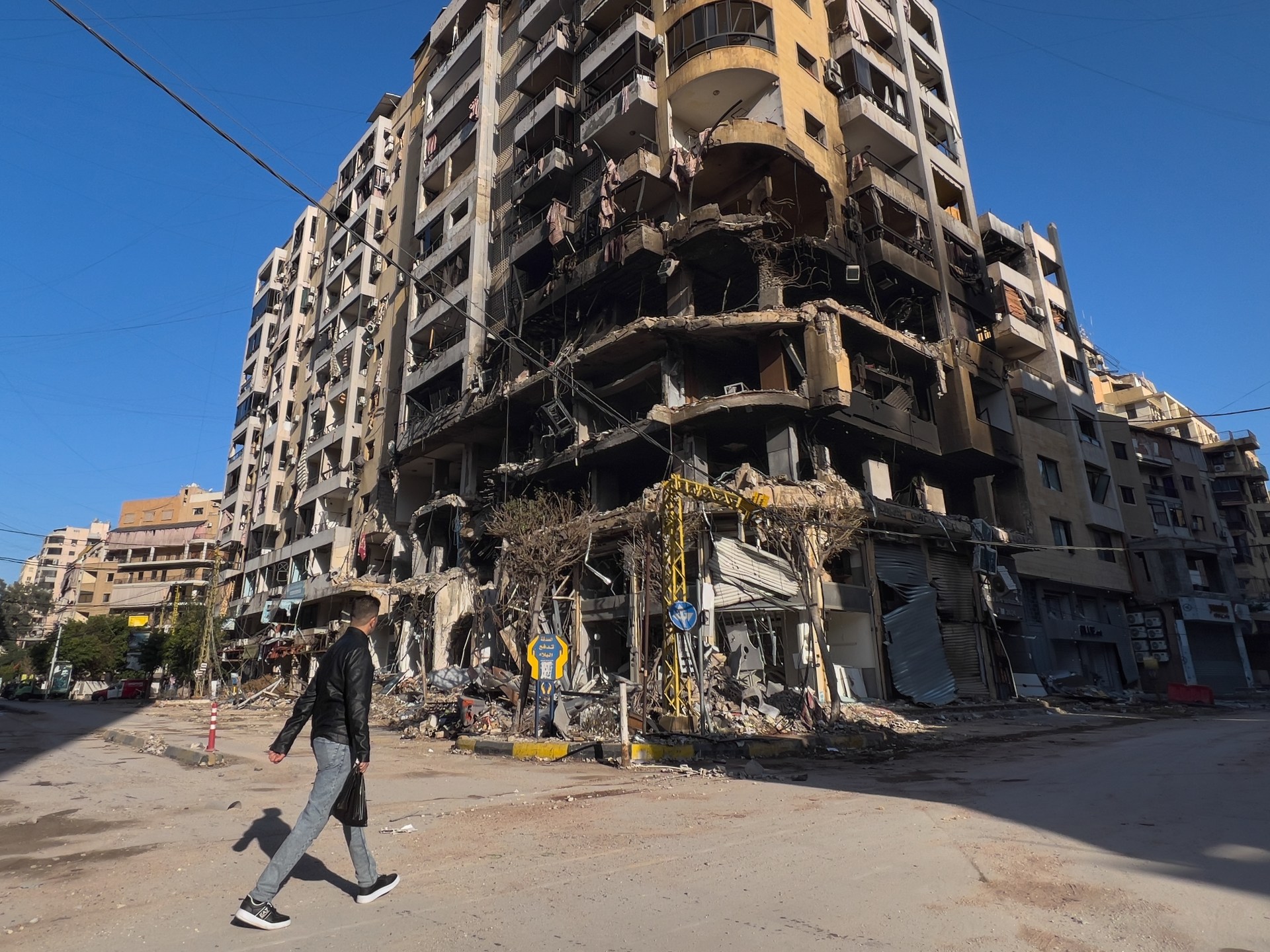
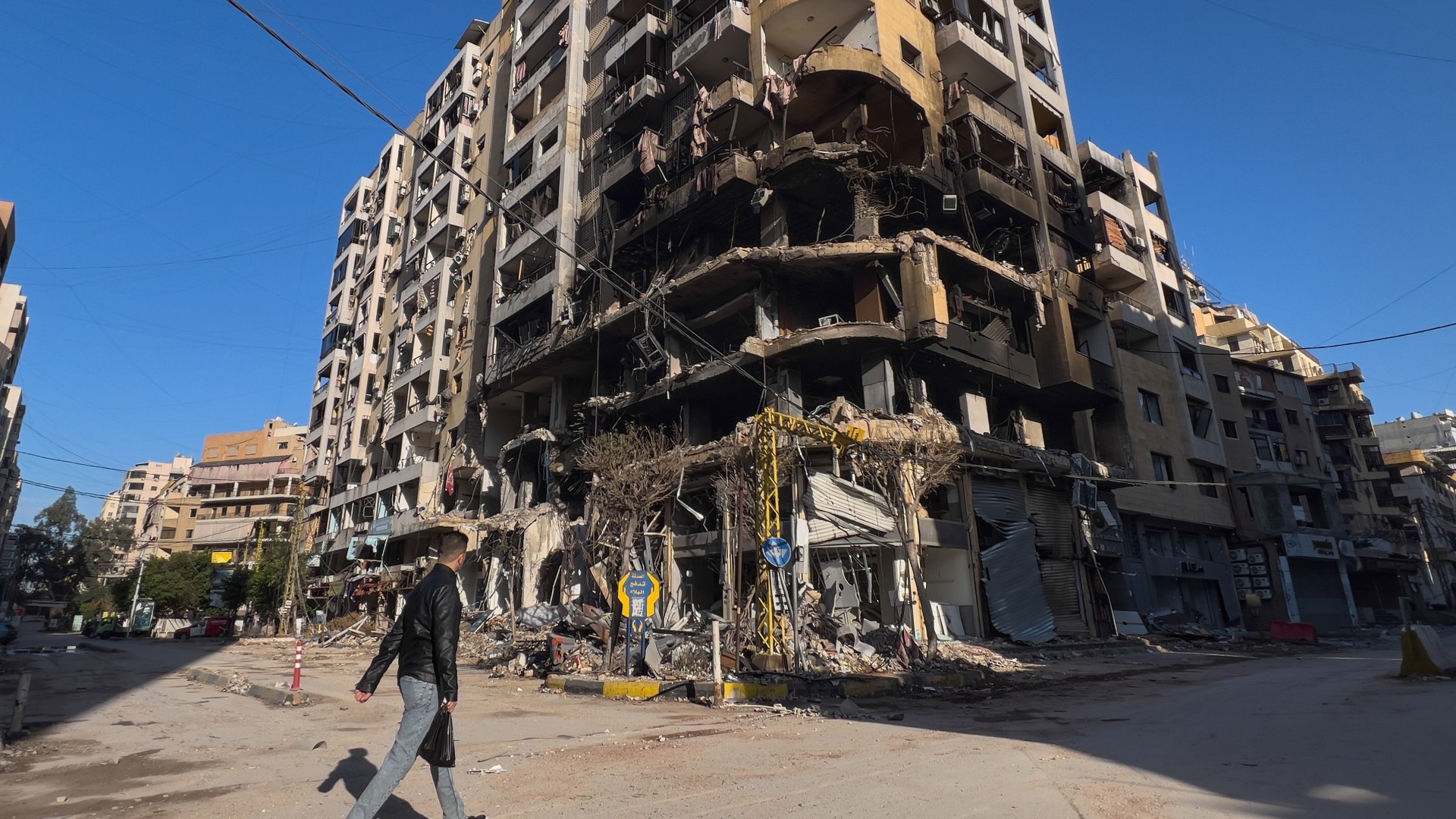
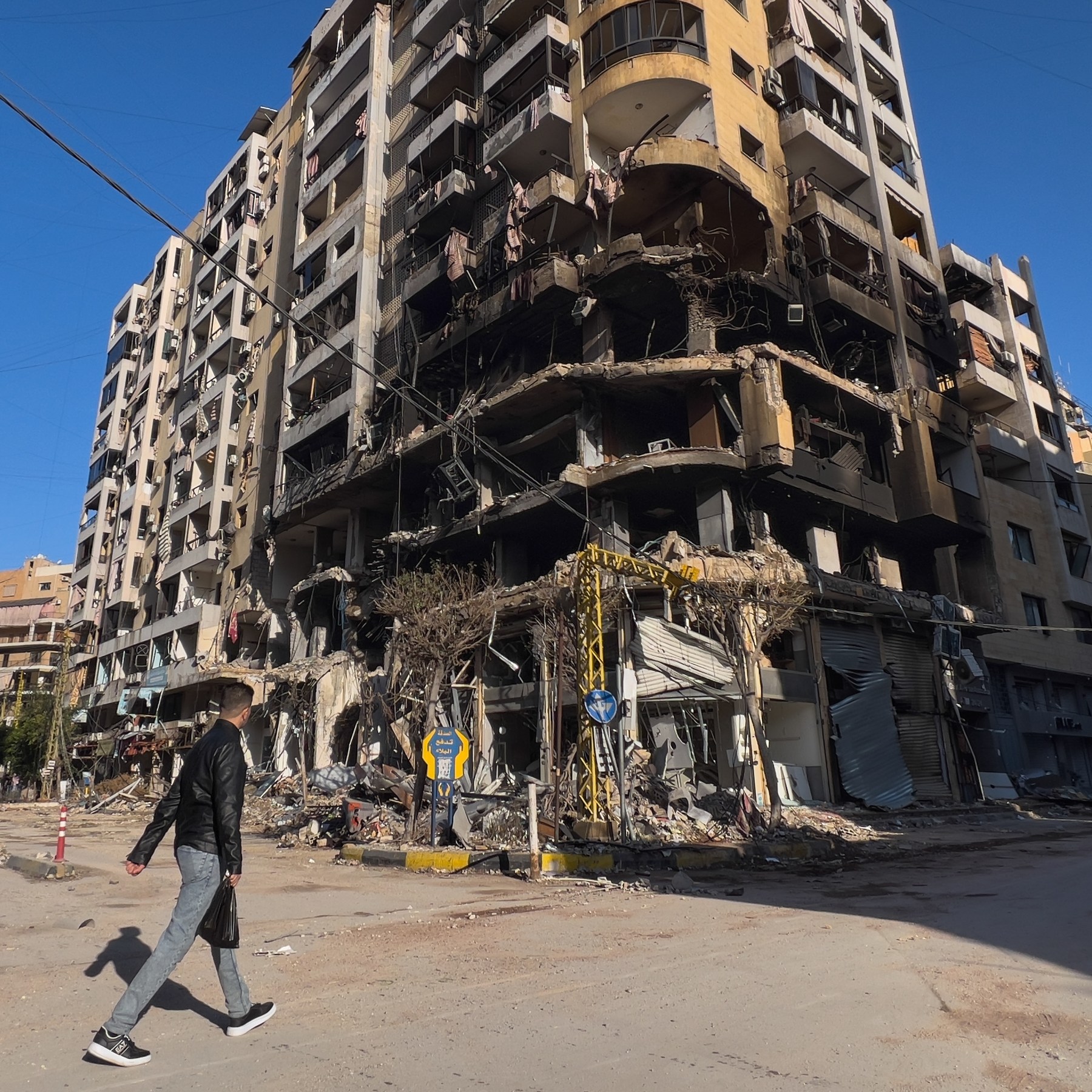
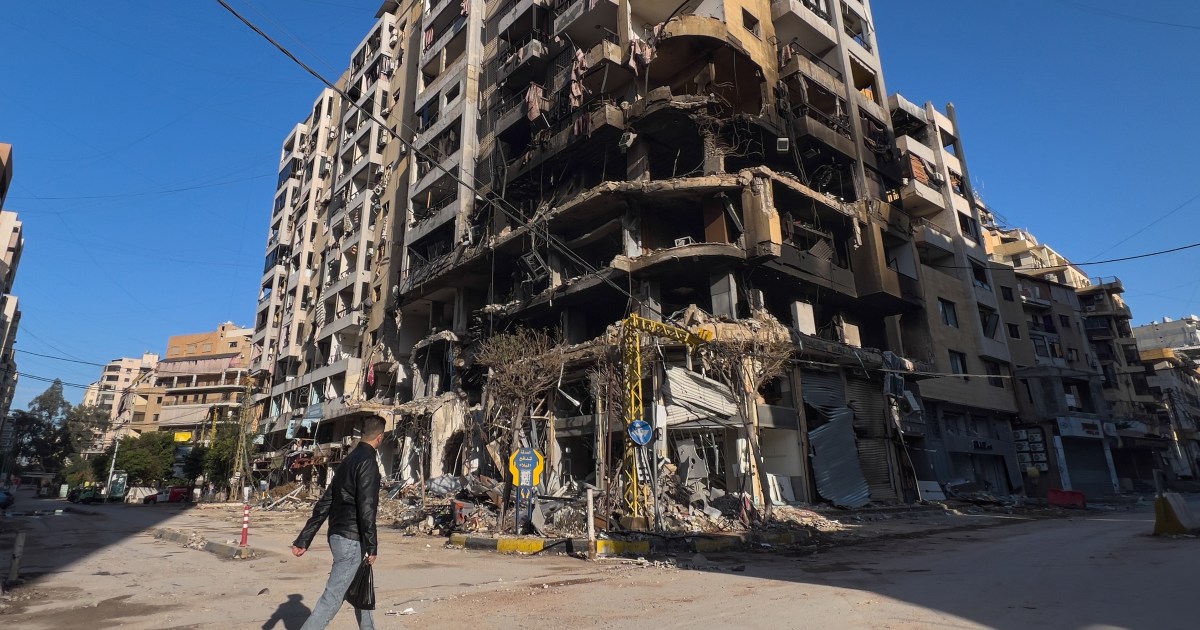
An Israeli strike on a residential apartment in Bchamoun in the capital, Beirut, has killed at least three people, including a three-year-old girl, according to the Lebanese Ministry of Public Health, as the Israeli army continued its attacks on Lebanon and issued a new evacuation threat for Burj Shemali in the country’s south.

The attack, which took place about 10km (6 miles) southeast of Beirut early on Tuesday, wounded five others, the ministry added.

The strike came without warning and hit an area outside Beirut’s southern suburbs, where the Israeli military had previously issued forced evacuation notices.

Footage circulating online showed at least one apartment in a building engulfed in flames.

Al Jazeera’s Zeina Khodr, reporting from Beirut, said there had been “no letup” in attacks as the Israeli army issued another evacuation threat for the southern suburbs of the capital, claiming it was targeting Hezbollah infrastructure.

“This is a place where Hezbollah does have a presence but also has residential buildings and businesses that are being hit,” she said.

Citing the Lebanese Health Ministry, Khodr said at least three people were killed in targeted assassinations overnight in Beirut.

“The Israeli military said it targeted members of the Quds Force, the foreign unit of Iran’s IRGC. This is not the first time the Israeli army has claimed to target the IRGC in Lebanon,” she said.

“Iran did acknowledge that four Iranians were killed in a targeted strike at a hotel in the early days of the conflict. But they said they were civilians.”

The Israeli army has been pounding Lebanon with air attacks since a cross-border attack by Hezbollah on March 2, in response to the killing of Iran’s Supreme Leader Ayatollah Ali Khamenei, and has launched a ground offensive in the southern parts. Hezbollah had not attacked Israel since a November 2024 ceasefire, despite near-daily breaches of the deal by Israel.

Lebanese authorities say at least 1,039 people have since been killed and 2,876 injured in Israeli attacks.

Separately on Tuesday, Lebanon’s state-run National News Agency (NNA) reported that Israel’s overnight attacks on Beirut’s southern suburbs, where Hezbollah holds sway, had hit seven areas.

“Enemy warplanes launched seven raids overnight on the southern suburbs, targeting the areas of: Bir al-Abed, al-Ruwais – outskirts of al-Manshiyya, Haret Hreik, Sayyed Hadi Nasrallah Highway, Saint Therese, Burj al-Barajneh and al-Kafaat,” NNA said.

Israeli forces also hit a petrol station belonging to the Amana company in Rashidieh, near the port city of Tyre, sending a large plume of flames into the air.

Israel has repeatedly struck Amana petrol stations since the conflict with Hezbollah reignited on March 2, accusing them of being part of the group’s “economic infrastructure” that can support its military activities.

A spokesman for United Nations Secretary-General Antonio Guterres told reporters on Monday that the conflict has pushed more than 1.2 million people to flee their homes.

That amounts to about one in five people across Lebanon, Stephane Dujarric said during a news briefing at the UN headquarters in New York.

Al Jazeera’s Obaida Hitto, reporting from Beirut, said Israeli attacks in the southern part of the country were making it “extremely difficult” for people south of the Litani River to leave.

“And it’s making it difficult for the Lebanese armed forces to reach anybody who needs help or even to facilitate the delivery of humanitarian aid,” he added.

Iran’s Islamic Revolutionary Guard Corps (IRGC) on Tuesday threatened to conduct “heavy” missile and drone attacks on Israel in what it described as support for Lebanese and Palestinian civilians.

“We warn the regime’s criminal army that if its crimes against civilians in Lebanon and Palestine persist, Israeli forces will be the target of heavy missile and drone strikes,” the IRGC said in a statement.

On Tuesday, Defence Minister Israel Katz said Israel would install a “security zone” in southern Lebanon stretching to the Litani River, roughly 30km (20 miles) north of the Israeli border.

In comments cited by The Times of Israel, Katz said, “Hundreds of thousands of residents of southern Lebanon who evacuated northward will not return south of the Litani River until security for the residents of the north is ensured.”

He added that Israel had blown up all bridges over the Litani that he claimed Hezbollah had used to transport weapons and fighters, and that the Israeli military would “control the remaining bridges and the security zone up to the Litani”.

The comments come a day after Israel’s Finance Minister Bezalel Smotrich said the war against Hezbollah must end with a “fundamental change” that includes control of Lebanon up to the Litani River.

“The Litani must be our new border with the state of Lebanon,” he told members of his Religious Zionism party on Monday, comparing it with boundaries Israel has set in Gaza and the occupied Golan Heights.

Lebanese officials have raised concerns that Israel’s recent attacks on bridges linking the south of the country to Beirut and other areas suggest the Israeli military is preparing for intensified ground operations.

Meanwhile, Hezbollah has continued to fire into northern Israel while clashing with Israeli troops on the ground in Lebanon.

The group said it launched five attacks early on Tuesday against Israeli troop gatherings, a barracks, a radar site, and artillery positions amid an ongoing regional escalation.

In a series of statements, the group said it launched drone attacks at dawn on the Liman military barracks in northern Israel.

It also fired rockets at a gathering of Israeli soldiers at the Fatima Gate in the town of Kfar Kila in southern Lebanon.
Comments
You must be logged in to comment.