yahoo Press
Our son loved being outdoors - now chronic fatigue means he can't walk or talk
Images

1 / 13

2 / 13

3 / 13

4 / 13

5 / 13

6 / 13

7 / 13
8 / 13
9 / 13
10 / 13

11 / 13

12 / 13

13 / 13
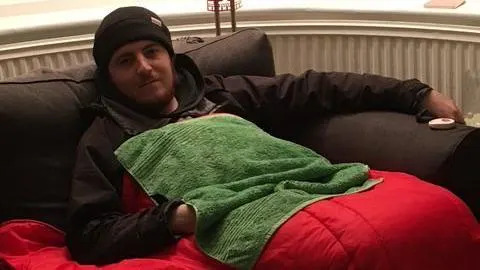
It is heart-breaking for Myfanwy and Charlie Sleep to watch their once active 28-year-old son lying in bed every day, unable to walk or talk.

Tomos Sleep, from Swansea, was diagnosed with severe myalgic encephalomyelitis (ME), also known as chronic fatigue syndrome, in 2023. The cause of ME is unknown and there is no cure.

Tomos is one of thousands with the condition in Wales who campaigners say are "invisible", with healthcare services described as "a desert" for those most severely affected.

The Welsh government said proposals for an all‑Wales specialist, an expert group and national standards were being "actively considered".

Tomos' illness began in 2019, when he started feeling dizzy.

"Tomos was an outdoor sort of bloke," said his dad, Charlie.

"He enjoyed time with his mates."

But his condition deteriorated, and four years later he was diagnosed with severe ME after he began struggling to walk and could not tolerate noise or light.

"It was the year of 2023 when he really went downhill," said Myfanwy.

"He was struggling with washing and dressing, and just before Christmas he decided he wanted a bath.

"He came downstairs and he could barely walk. He's been in bed ever since."

Charlie and Myfanwy said at his worst, their son looked "paralysed".

"He couldn't open his eyes, couldn't talk, couldn't move," Myfanwy said.

They said they had tried to have carers at their home, but found that made Tomos worse.

"He finds it very difficult to have other people in the room with him, to talk with him," said Myfanwy.

"If he wants the window open, he'll look at that. If he needs the toilet, he'll look at the bedroom door."

Charlie added: "The problem with having severe ME is that you can't communicate.

"Because there's no real treatment for it at the moment, and there isn't a group of consultants that own the disease... people with ME are invisible."

ME, sometimes referred to as chronic fatigue syndrome, is a chronic and complex multi-system condition.

It causes symptoms such as extreme fatigue and post-exertional malaise, which means that simple physical or mental activities can leave people completely debilitated.

Not everyone with ME is affected in the same way. There is a spectrum of severity, which is categorised as mild, moderate, severe or very severe.

While researchers are still investigating the causes, triggers may include infection or other illness.

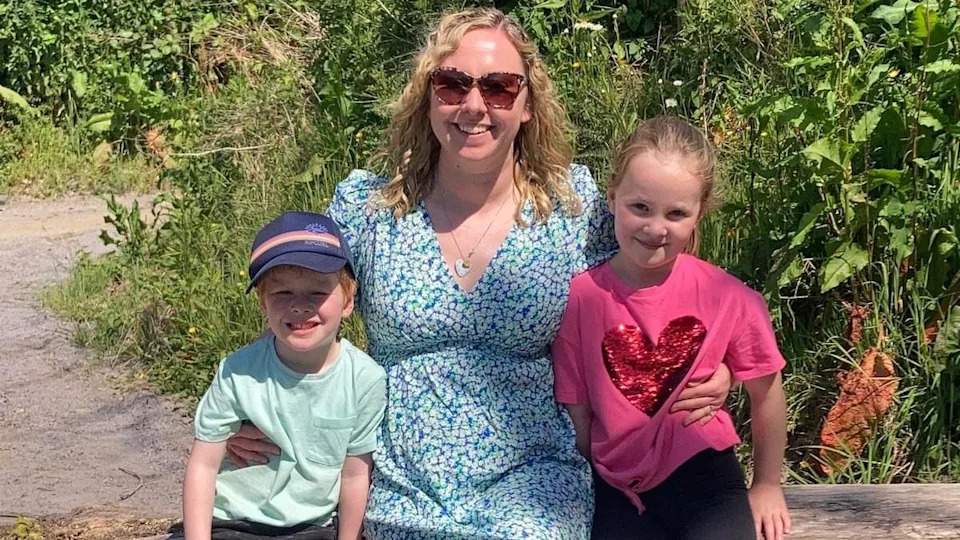
Fflur Evans, 39, a mother-of-two from Bala, Gwynedd, was diagnosed with ME two years ago.

She described her symptoms as moderate, meaning she is not always confined to her bed, but said she had left her job as a teacher as the condition "floored" her.

"I'm not the same person," she said.

"I'm stuck in this little bubble in the house.

"It doesn't matter how much I rest, sleep, it doesn't help. I'm in pain every day.

"Going up and down the stairs can make me dizzy. I can't bear the sound of zips or cupboards closing.

"At the beginning, I thought ME was just tiredness. It's so much more serious."

Alwen Davies, 46, from Denbighshire, was diagnosed with moderate ME in 2023.

She tries to control her symptoms by using pacing techniques - a strategy that balances rest and exertion to minimise post-exertional malaise.

But she has also had to leave work, and on a bad day she is in bed in the dark.

"It's just devastating. It sounds dramatic, but it's life-changing," she said.

"It's like a grieving process."

Campaigners are calling for a national expert group, an all-Wales clinical lead and investment in research into ME.

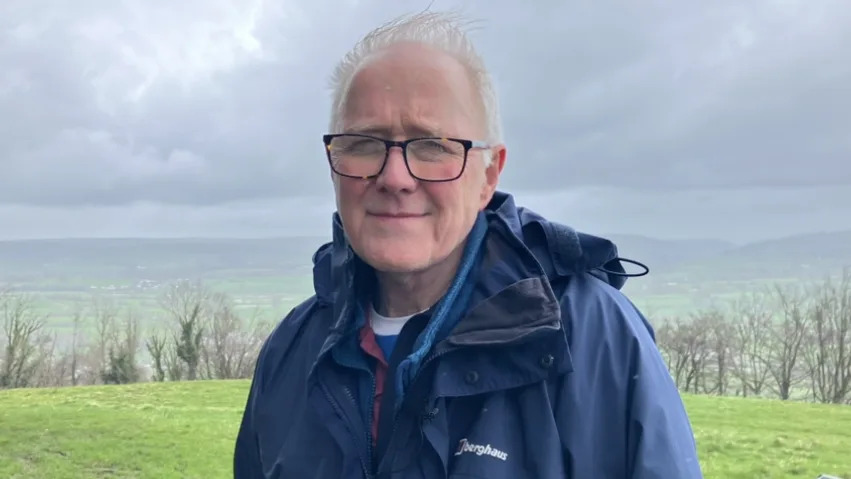
Rob Messenger, from Carmarthenshire, campaigns on behalf of patients and carers after two of his children were diagnosed with ME in their teens.

"We've met lots of very caring professionals throughout the years, people who have wanted to help, who have done their best," Rob said.

"But there is no specialist to turn to."

He added: "The Welsh government has given some funding for the seven health boards to establish some services for people with ME and some other conditions, but without an all-Wales plan for those to be implemented, there's a bit of a postcode lottery developing.

"For people with severe and very severe ME, it's worse than a postcode lottery. It's pretty much a desert."

Betsi Cadwaladr University Health Board in north Wales has expanded its Long Covid service to include ME patients, using funding from the Welsh government's Adferiad programme.

Consultant physiotherapist Claire Jones said the service ensured people with any severity of ME could now receive "individualised support".

But services are "patchy" across Wales and the UK, according to Dr Binita Kane.

"Doctors aren't taught about this condition. The first thing we need is understanding," she said.

"If we do the right thing early in the illness, and support people with the right level of pacing, you can prevent that deterioration in a lot of cases."

Prof David Price from Cardiff University said funding for research into ME was "urgently needed".

The Welsh government said Wales was the first UK nation to extend Long Covid services to people with other infection‑associated long‑term conditions.

"We recognise more needs to be done, particularly for people with more severe illness," it added.

"Proposals for an all‑Wales specialist, an expert group and national standards are being actively considered as part of the service's ongoing development."

The Salt Path author wrote secret first book despite claiming she was debut writer

Inside the world of preppers getting ready for society's collapse

Beeps, shouts and abuse - police join female runners to tackle harassment
Comments
You must be logged in to comment.