yahoo Press
Chicago bus driver falls victim to sophisticated scam that cost Americans $1.5B in a single year. Here’s how it works
Images
1 / 4
2 / 4

3 / 4

4 / 4
When an unexpected voicemail promises a big discount and a brand-new phone, it can sound like a lucky break. For one Illinois bus driver, however, one fateful call turned out to be a giant ripoff instead.

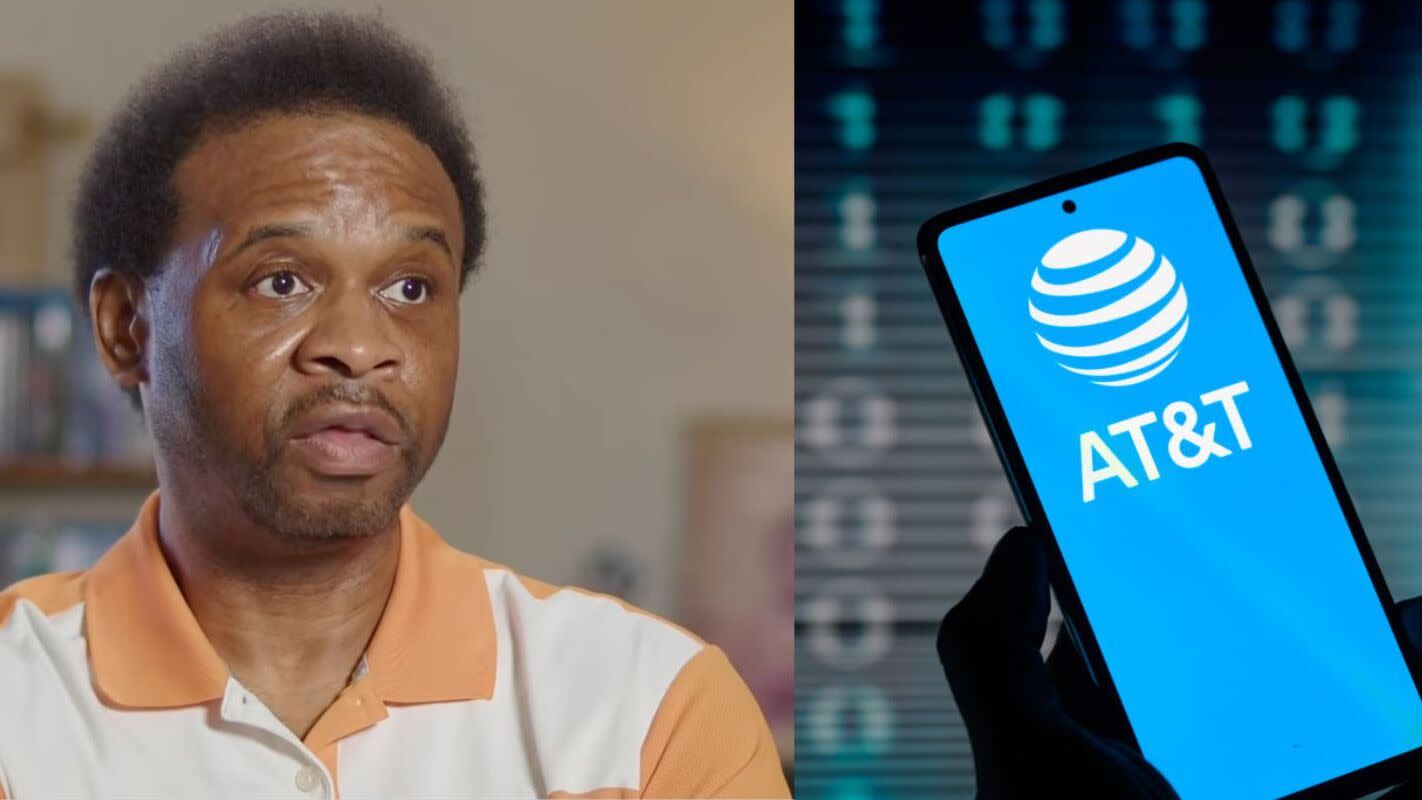
Nate Lewis of Round Lake thought he was speaking with representatives from his wireless carrier after receiving a voicemail offering a 50% discount on his bill and a free device for loyal customers. The offer sounded legitimate, especially because the callers already knew details like his name, home address and phone number.

Thanks to Jeff Bezos, you can now become a landlord for as little as $100 — and no, you don't have to deal with tenants or fix freezers. Here's how

Dave Ramsey warns nearly 50% of Americans are making 1 big Social Security mistake — here’s what it is and the simple steps to fix it ASAP

Turning 50 with $0 saved for retirement? Most people don’t realize they’re actually just entering their prime earning decade. Here are 6 ways to catch up fast

“They told me I could save half on my bill if I opened a new line and got a new phone,” Lewis told CBS News Chicago. (1)

Instead, what followed was a sophisticated scam that nearly left him responsible for thousands of dollars in devices he never intended to buy.

The scammers walked Lewis through the process of ordering a new phone through the AT&T app already installed on his device.

To finalize the order, he only needed to pay the sales tax – about $98, charged to his credit card. That seemed like a reasonable requirement for a “free” phone. When it came time to activate the phone a few days later, Lewis was told he needed to contact the customer service agents again to receive the promised discount. They also asked for the device’s serial number, and after placing him on hold, claimed there had been a mix-up and that the phone belonged to another customer. Their solution: ship it back using a prepaid label they provided.

Lewis followed the instructions and mailed the phone to an address in California. Soon afterward, he was told he would receive a refund and could select two replacement devices as compensation for the inconvenience.

He ordered another iPhone and an iPad through the app, again guided by the fraudsters. When those devices arrived, they also couldn’t be activated. Once again, he was instructed to send them back.

At that point, Lewis realized something wasn’t right. “I'm just a bus driver who someone tried to take advantage of," he told CBS News Chicago.

Lewis said he filed multiple fraud claims with AT&T, but because he had technically placed the original phone order himself, he was initially held responsible for the bill. He was eventually able to return the second iPhone and the iPad to an AT&T store, which refunded the cost of the devices and the taxes. The company told the news outlet that it was working with Lewis to resolve the cost of the phone he’d initially bought.

Read More: 5 essential money moves to make once you’ve saved $50,000

Read More: Young millionaires are ditching stocks. Why older Americans should take note

The FBI classifies this type of scheme as tech or customer support fraud, and it’s become one of the most expensive scams in the country. According to the FBI’s Internet Crime Complaint Center, 36,002 complaints were filed nationwide in 2024 (2). The losses totaled nearly $1.5 billion, making it the third most costly scam category that year.

These con jobs often begin with robocalls, fake emails or text messages impersonating trusted companies such as telecom providers or tech firms. Scammers increasingly rely on stolen personal information to make their pitches more convincing, as data breaches give criminals access to names, phone numbers, addresses and other details that make impersonation easier.

"They're going to be able to convince you they're whoever they're impersonating," Alex Quilici, CEO of robocall-blocking company YouMail, told CBS News Chicago.

Scams like these often work because they combine urgency, familiarity and a tempting offer – warning signs consumers should watch for.

First, be skeptical of unsolicited calls offering discounts, refunds or prizes, even if the caller claims to represent a company you use. Second, never follow instructions from a caller that require you to purchase or ship devices, gift cards or other items as part of a supposed promotion or refund.

Another key rule: if someone claims to be from a company, hang up and contact them directly using an official phone number or website. Consumers should also be cautious about sharing device serial numbers, passwords or verification codes with anyone who reaches out unexpectedly.

If you believe you’ve been targeted by a scam, act quickly.

Contact your bank or credit card issuer to dispute charges, report the incident to the Federal Trade Commission or the FBI’s Internet Crime Complaint Center, and notify the company that is being impersonated.

Recovering money can be difficult, but quick reporting sometimes helps stop additional losses or fraudulent charges.

Robert Kiyosaki begs investors not to miss this ‘explosion’ — says this 1 asset will surge 400% in a year

Vanguard reveals what could be coming for U.S. stocks, and it’s raising alarm bells for retirees. Here’s why and how to protect yourself

This 20-year-old lotto winner refused $1M in cash and chose $1,000/week for life. Now she’s getting slammed for it. Which option would you pick?

Taxes are going to change for retirees under Trump’s ‘big beautiful bill’ — here are 4 reasons you can’t afford to waste time

Join 250,000+ readers and get Moneywise’s best stories and exclusive interviews first — clear insights curated and delivered weekly. Subscribe now.

We rely only on vetted sources and credible third-party reporting. For details, see our editorial ethics and guidelines.

CBS News Chicago (1); FBI Internet Crime Report 2024 (2)

This article provides information only and should not be construed as advice. It is provided without warranty of any kind.
Comments
You must be logged in to comment.