bbc Press
Potential sites for Labour's 'new towns' plan cut to seven
Images
1 / 8

2 / 8
3 / 8
4 / 8
5 / 8
6 / 8
7 / 8

8 / 8
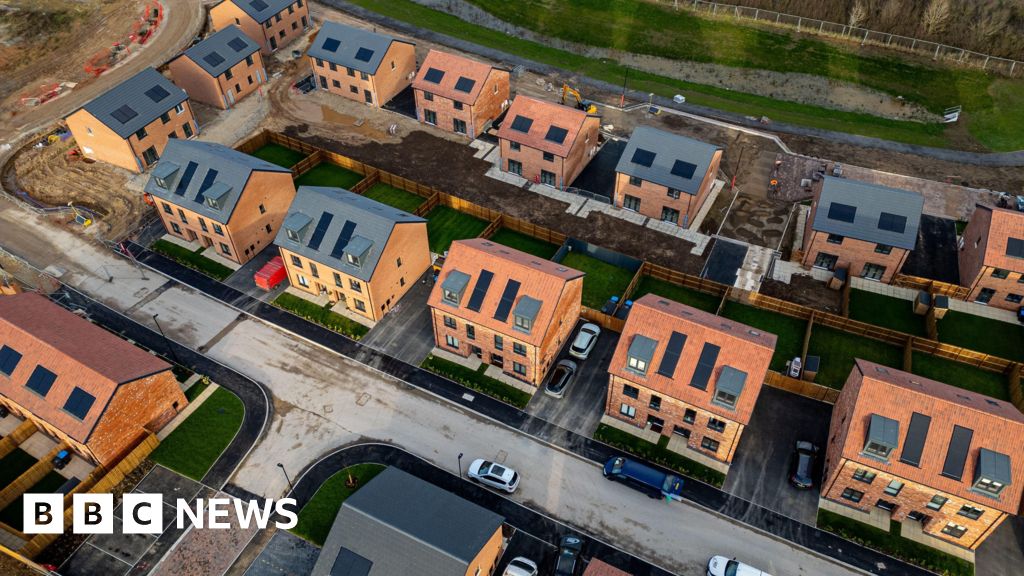
The government has narrowed the list of potential sites that could be developed as part of its scheme to deliver a wave of "new towns" in England.

The housing department has named seven areas that will be taken forward for further consultation, with the final locations to be confirmed later this year.

Another six sites - including a proposal in Cheshire that led to protests outside council meetings - have been deprioritised from the scheme.

Labour ministers have promised that building work on three sites will start before the next general election, which must take place by 2029 at the latest.

The seven to be progressed further are Tempsford; Leeds South Bank; Crews Hill and Chase Park; Manchester Victoria North; Thamesmead; Brabazon and West Innovation Arc as well as a site in Milton Keynes.

The scheme was first announced at the Labour party conference in 2023, when Sir Keir Starmer promised to build an unspecified number of new developments on the outskirts of big English cities if his party took power.

He pledged the programme would deliver the "next generation of new towns", in an echo of those developed by the Labour government after World War Two, which included Stevenage, Hemel Hempstead and Harlow.

In September, a special taskforce recommended 12 locations to be considered for the scheme after a year-long review.

The housing department has now said five of these areas - plus a proposal in South Barking that was also assessed by officials - will not be taken forward "at this stage".

It added that these areas remained "credible development opportunities" and could receive support from other government programmes.

The seven sites to be progressed further by officials range from standalone new developments to expansions of existing towns and regeneration schemes within big cities.

They include sites in the centre of Leeds and Manchester, Brabazon outside Bristol, and new developments in Greenwich and Enfield in London.

The government will also examine proposals for a new settlement in Tempsford, Bedfordshire and a "renewed town" in Milton Keynes, which was part of a further generation of post-war new towns designated by the government in the 1960s.

Locations deprioritised from the programme include plans for "standalone settlements" in Marlcombe, east Devon, and in the the rural village of Adlington in Cheshire - a scheme that had been opposed by the local Labour MP.

Also out of the running are proposed developments near Worcestershire Parkway train station and Heyford Park in Oxfordshire, a former airbase, as well as a plan to build thousands of new homes in Plymouth.

The government has a target to build 1.5 million new homes in England by the next election. Industry figures have questioned if this remains viable.

Ministers have pledged to set up delivery bodies to develop the new towns. They could make use of powers to compulsorily purchase land where "reasonable efforts" do not lead to an an agreement with landowners.

Sites will be subject to further environmental assessment, but ministers are aiming for each location to deliver between 10,000 and 40,000 homes.

Ministers have said they will contribute money towards the scheme from an existing affordable housing fund and a new investment agency set up to help encourage house building, but they have yet to specify a budget.

Housing Secretary Steve Reed has previously said funding would only be allocated "when we know exactly what we want to build and where".

The Financial Times, which first reported the deprioritising of some sites, said government funding for required transport and other infrastructure near the sites had been a sticking point with some private investors.

The government said names for the new developments had yet to be decided.

It follows a report in The Sun saying that proposed new names included Elizabethtown, after the late Queen, Pankhurst, named after the suffragette leader Emmeline Pankhurt, and Athelstan, considered the first king of England.

The council says the government confirmed its finances for the next year later than expected.

County council letters show it did not want a public consultation on a three-council option for LGR.

Councils say a lack of housing in London means they have to move people to north-east England.

Council tax bills will rise by 4.99%  in the county as the authority attempts to balance its books.

Estimates suggest more than a million homes in England are currently unoccupied.
Comments
You must be logged in to comment.