yahoo Press
Living in one of these 5 states could put you on a crash course with higher car insurance premiums
Images
1 / 4
2 / 4

3 / 4

4 / 4
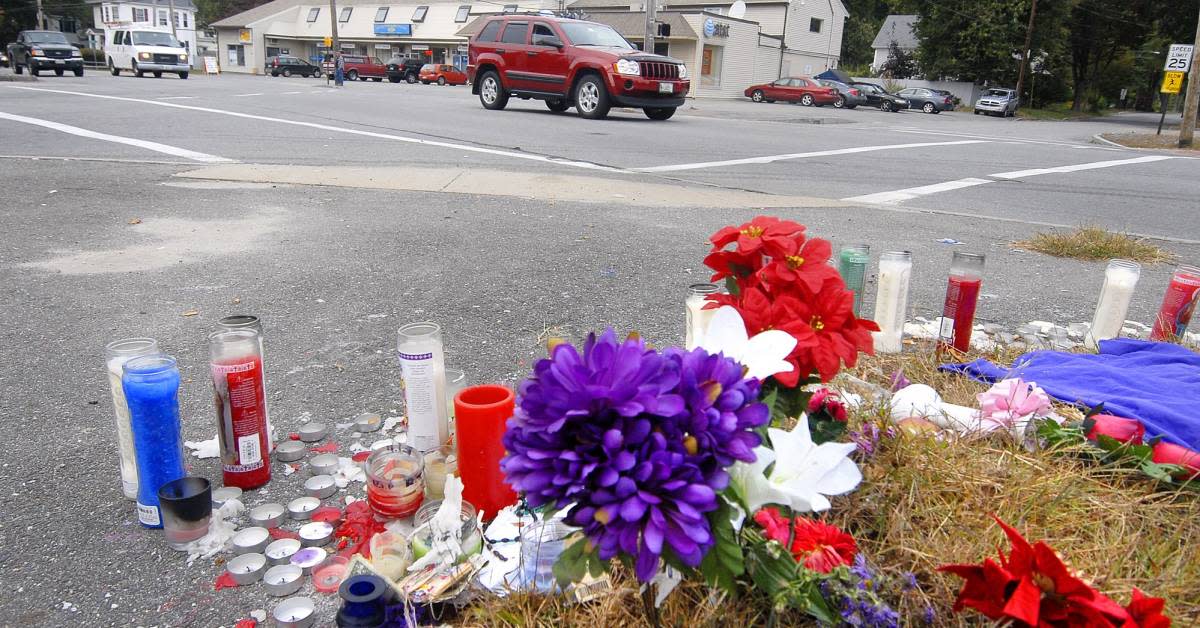
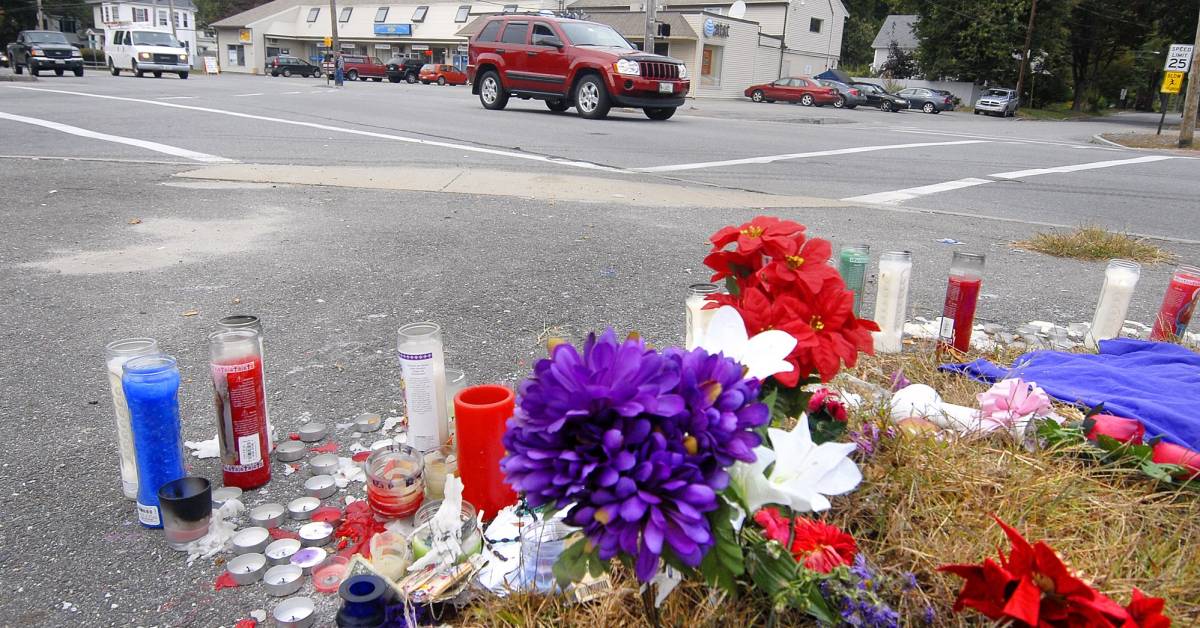
There’s some good news for drivers across America. According to the National Highway Traffic Safety Administration (NHTSA), traffic deaths dropped in the first half of 2025, falling more than 8% compared to the same period the previous year.

It’s the biggest mid-year drop in fatalities since 2008, and the lowest traffic death rate per mile driven in over a decade (1).

Thanks to Jeff Bezos, you can now become a landlord for as little as $100 — and no, you don't have to deal with tenants or fix freezers. Here's how

Dave Ramsey warns nearly 50% of Americans are making 1 big Social Security mistake — here’s what it is and the simple steps to fix it ASAP

Turning 50 with $0 saved for retirement? Most people don’t realize they’re actually just entering their prime earning decade. Here are 6 ways to catch up fast

But it’s not all smooth roads, since a handful of states still account for a disproportionate share of deadly crashes. And if you live in one of them, those risks can follow you straight to your car insurance bill.

Here’s a closer look at the five states with the most traffic deaths in 2025, and why it matters for your wallet.

California tops the list for total traffic deaths.

The biggest contributors are speeding, distracted driving and impaired driving, especially in urban communities like Los Angeles and the San Francisco Bay Area (2).

Even though California has shared in the nationwide decline in fatalities so far this year, its sheer volume of vehicles keeps it at the top of the list.

That risk shows up in insurance costs, since California drivers pay some of the highest premiums in the country, with average full-coverage policies costing on average $2,848 a year, according to data from Quadrant Information Services reported by Forbes (3).

Read More: 5 essential money moves to make once you’ve saved $50,000

Read More: Young millionaires are ditching stocks. Why older Americans should take note

Florida consistently ranks near the top for deadly crashes.

The state’s roads are typically packed with tourists, retirees and commuters, which means more congestion and higher chances for accidents. With aggressive driving, distracted drivers and one of the highest rates of uninsured motorists in the country, there’s a crash every 44 seconds in Florida according to the state’s DMV (4).

Fatal crash rates in Florida remain among the highest nationwide, even as national numbers improve.

For drivers, that can mean sticker shock at renewal time. Florida auto insurance premiums are among the most expensive in the U.S. at around $3,536 a year — boosted up by high claim volumes, medical costs and litigation tied to accidents (3).

Georgia lands in the top tier because of the dangerous mix of fast-moving highways and busy urban roads.

Outside major cities, long rural stretches contribute to deadly and high-speed crashes. Inside cities like Atlanta, pedestrians are more likely to be the ones impacted (5).

Georgia’s fatality count remains high despite safety campaigns and enforcement efforts.

Insurance costs in the state are around $2,410, not too far off from the national average of roughly $2,126, but accident trends along with severe weather and rising repair costs have kept upward pressure on premiums for many drivers (3).

Texas has some of the longest highways and fastest speed limits in the country, and those play a role in its traffic death totals (6). But one factor stands out more than most: a high number of crashes involving unlicensed drivers (7).

State data show that some fatal crashes in Texas involve drivers who haven’t been legally cleared to be behind the wheel. When that’s combined with speeding and rapid sprawl in cities like Houston and Dallas, the result is some of the nation’s deadliest streets.

Texas drivers typically pay slightly more than the national average for car insurance at around $2,226 (3).

North Carolina may not be as large as California or Texas, but it still lands among the states with the most traffic deaths.

Many fatal crashes happen on rural roads, where higher speeds and fewer safety features can turn mistakes into tragedies. Impaired and distracted driving are persistent issues across the state (8).

Right now, North Carolina drivers benefit from lower than average insurance, at around $1,412.

Even with traffic fatalities declining across the country, insurers don’t price policies based on national averages. They look at what’s happening where you live.

More crashes can typically mean:

More insurance claims

Higher medical and repair costs

Greater risk for insurers

While the national average cost of full-coverage auto insurance dipped in 2025 according to Insurify, drivers in some states are paying more each year (9).

America’s roads are getting safer overall, but depending on where you live, higher crash risks can mean higher insurance costs.

If you live in one of these states, it’s worth shopping around for insurance regularly, maintaining a clean driving record and staying alert behind the wheel. When accidents pile up, insurance costs usually follow, even when you’re doing everything right.

Robert Kiyosaki begs investors not to miss this ‘explosion’ — says this 1 asset will surge 400% in a year

Vanguard reveals what could be coming for U.S. stocks, and it’s raising alarm bells for retirees. Here’s why and how to protect yourself

This 20-year-old lotto winner refused $1M in cash and chose $1,000/week for life. Now she’s getting slammed for it. Which option would you pick?

Taxes are going to change for retirees under Trump’s ‘big beautiful bill’ — here are 4 reasons you can’t afford to waste time

Join 250,000+ readers and get Moneywise’s best stories and exclusive interviews first — clear insights curated and delivered weekly. Subscribe now.

We rely only on vetted sources and credible third-party reporting. For details, see our editorial ethics and guidelines.

National Highway Traffic Safety Administration (1); California Office of Traffic Safety (2); Forbes (3); Florida Department of Highway Safety and Motor Vehicles (4); Governor's Office of Highway Safety (5); Houstonia Magazie (6); Austin American-Statesman (7); North Carolina Division of Motor Vehicles (8); Insurify (9)

This article provides information only and should not be construed as advice. It is provided without warranty of any kind.
Comments
You must be logged in to comment.