aljazeera Press
‘I have fought for Aaron’: A Ugandan mother confronts disability and stigma
Images
1 / 18
2 / 18
3 / 18
4 / 18

5 / 18

6 / 18

7 / 18

8 / 18

9 / 18

10 / 18

11 / 18

12 / 18

13 / 18

14 / 18

15 / 18

16 / 18

17 / 18

18 / 18
Martha Apolot, 21, mother of one

Save

Share

Owalai, Uganda - Martha Apolot navigates a dusty path through fields of cassava and millet under the searing hot sun. She carries a hoe on one shoulder, the blade carefully balanced, and over the other, her eight-year-old son, Aaron.

Every day, the 21-year-old mother takes Aaron to the fields where she works.

“Aaron is so weak, so I have to carry him from the house and lay him somewhere so I can work,” Martha says quietly, holding Aaron on her lap as she sits on the bare earth inside their tiny, single-room hut in Owalai, a rural hamlet in eastern Uganda.

They return home when it’s time to feed Aaron or when he has soiled himself, not when the tilling is done.

Aaron has an undiagnosed disability. He cannot walk, talk, eat solid foods or hold up his head without support. The back of his head is balding from lying down and prone to sores. He needs constant care, but Martha has no one else to look after him while she works.

Martha was 13 when a man lured her from her schoolyard and raped her. She did not know the man and never saw him again, she says. Her memories of that day are traumatic, and she goes quiet, breathing deeply and looking skyward.

Her pregnancy created an immediate rift within her family.

“My dad did not want me to come home, but my mother pleaded with my father to [let me] stay,” she explains after a long pause.

The seventh of eight children, Martha ran away, spending months at friends’ homes. Eventually, her older brother Paul, with whom she is close, tracked her down and told her their parents had accepted the situation and she could return home.

Aaron’s birth was long and complicated. After 15 hours of labour, doctors at the hospital in the city of Soroti admitted the teenager for an emergency caesarean section

Martha remembers the love she felt when she first saw her baby. “I felt so good, receiving my child. He was so handsome,” she recalls.

But Aaron was placed on oxygen shortly after birth. When he was taken away, she thought he had died. As he spent the first week of his life on oxygen, doctors warned Martha of future complications.

When Martha returned home, her family banished her to a hut behind the main house and offered no support. Only her brother helped and brought her food for the first few months until she could work in the fields and earn money for herself. “It is Paul who is standing up to help me and Aaron,” she says. "Just Paul."

After six months, Martha knew that her baby, who was constantly unwell, had a disability. “I now knew it was a journey of being a strong mother,” she says with resolve.

Shunned by her family for having a baby out of wedlock, Martha also had to contend with the wider community's condemnation due to Aaron’s disability.

Many in Uganda consider disability to be a burden on society, or a “curse”. Families sometimes restrain or seclude a family member with a disability due to stigma or poverty and may also face ostracism. Children with disabilities are sometimes abandoned or killed.

Martha, who was just a child raising a baby, became overwhelmed by despair and resentment. When Aaron was sick, they’d wait the entire day to be seen because the hospital staff would ignore them. At the markets, people refused to serve her and would ask why she had brought “such a child” to a public place. She still experiences such reactions.

“I got pregnant when I was 13 years [old]. I gave birth around 14. I began to think about throwing [killing] him when I was around 15. I felt like every time I had a challenge with Aaron, I would think about it,” she says remorsefully, eyes downcast as she intertwined her strong fingers with her son’s slender, rigid ones.

For two years, Martha struggled with these violent thoughts until, around the age of 17, she began to attend therapy sessions for Aaron at Soroti's hospital. There, she met others with children with disabilities. They spoke kindly to her and offered encouragement. With renewed hope, Martha started to think of the initial love she felt for her son.

“I began to realise, ‘This is my child. I need to take care of my child. I need to stand up and be a champion for my child,'” she explains.

“I have realised Aaron is only a child and I have to love him.”

These days, Martha wakes at sunrise, dresses herself and then Aaron, and lights a small fire to boil water for tea. She pours tea mixed with a little sugar into her son’s mouth from a plastic mug, wiping the liquid from his chin.

Then she takes her son to work, laying him down carefully on the earth in the shade as she weeds neighbours’ fields or wades through swampland to pluck reeds to sell as thatching on the side of the road. Once back home, she bathes him in a plastic tub, supporting her shivering boy as she lathers soap and rinses him.

She earns enough to support her child although she is lucky to make 15,000 Ugandan shillings ($4) a week - barely enough to buy soap for Aaron and sugar to flavour his tea. Still, when she can, she saves for an emergency fund to cover the 45-minute boda-boda (motorbike taxi) ride to the hospital in Soroti, where she goes sometimes two or three times a month.

“I take him because of malaria, cold, infection or fever. Whenever Aaron is not doing fine,” she explains.

When he was nearly four, Aaron had a high temperature. Martha carried him 5km (3 miles) to the local health centre, where she was told her son, who had gone limp, could not be saved. So she hailed a boda-boda to Soroti's hospital, where doctors said her son was dying. He was hospitalised and treated. His fever broke.

“I have fought for Aaron. Even from the time I gave birth. But this time, I thought he had passed on," Martha says softly. "I have fought for the life of this child many, many times, … but I feel like I still have to fight for him."

The other families at the hospital, some with more difficult conditions than Aaron, give her strength. “There are brave people,” she says.

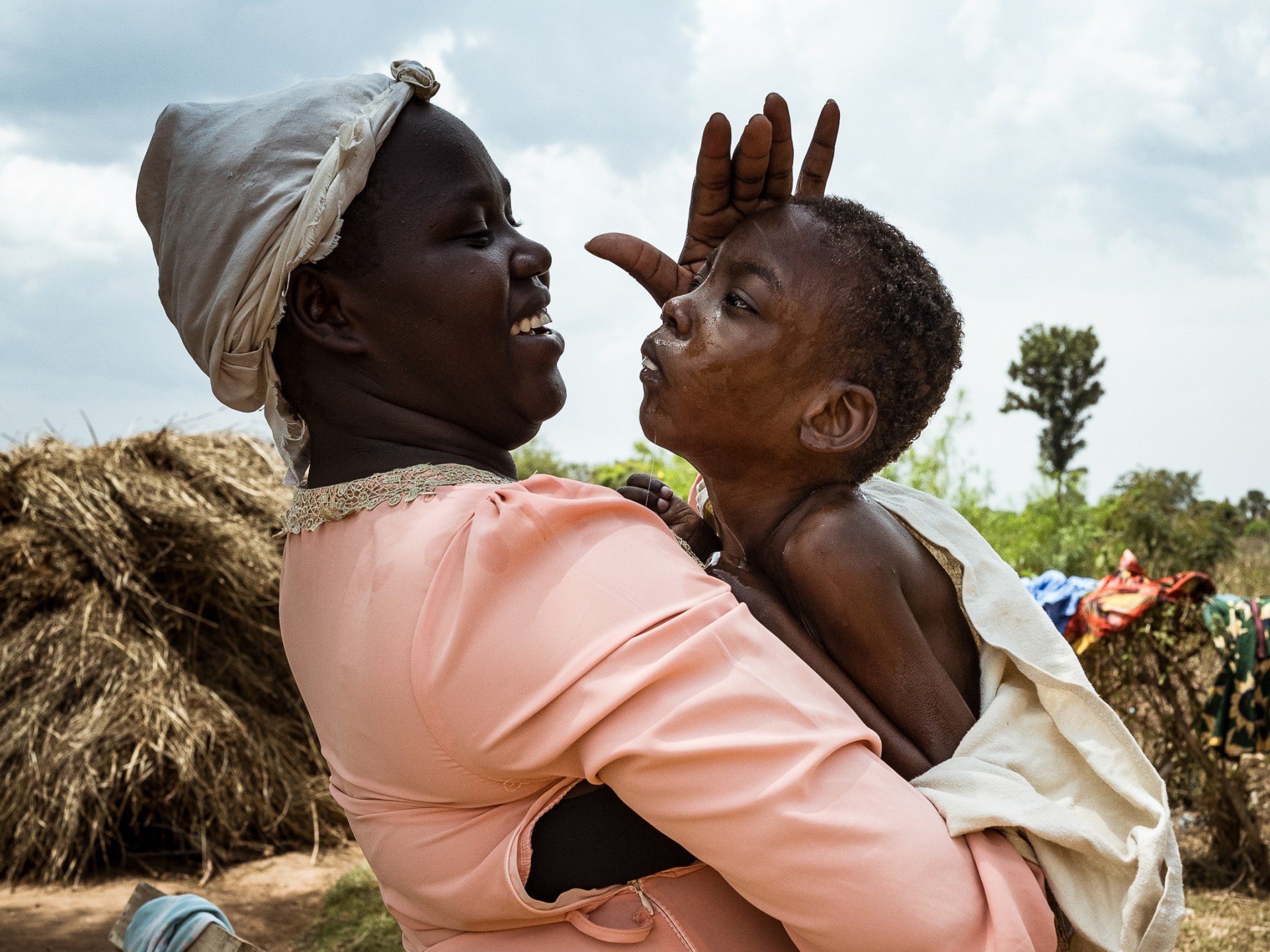
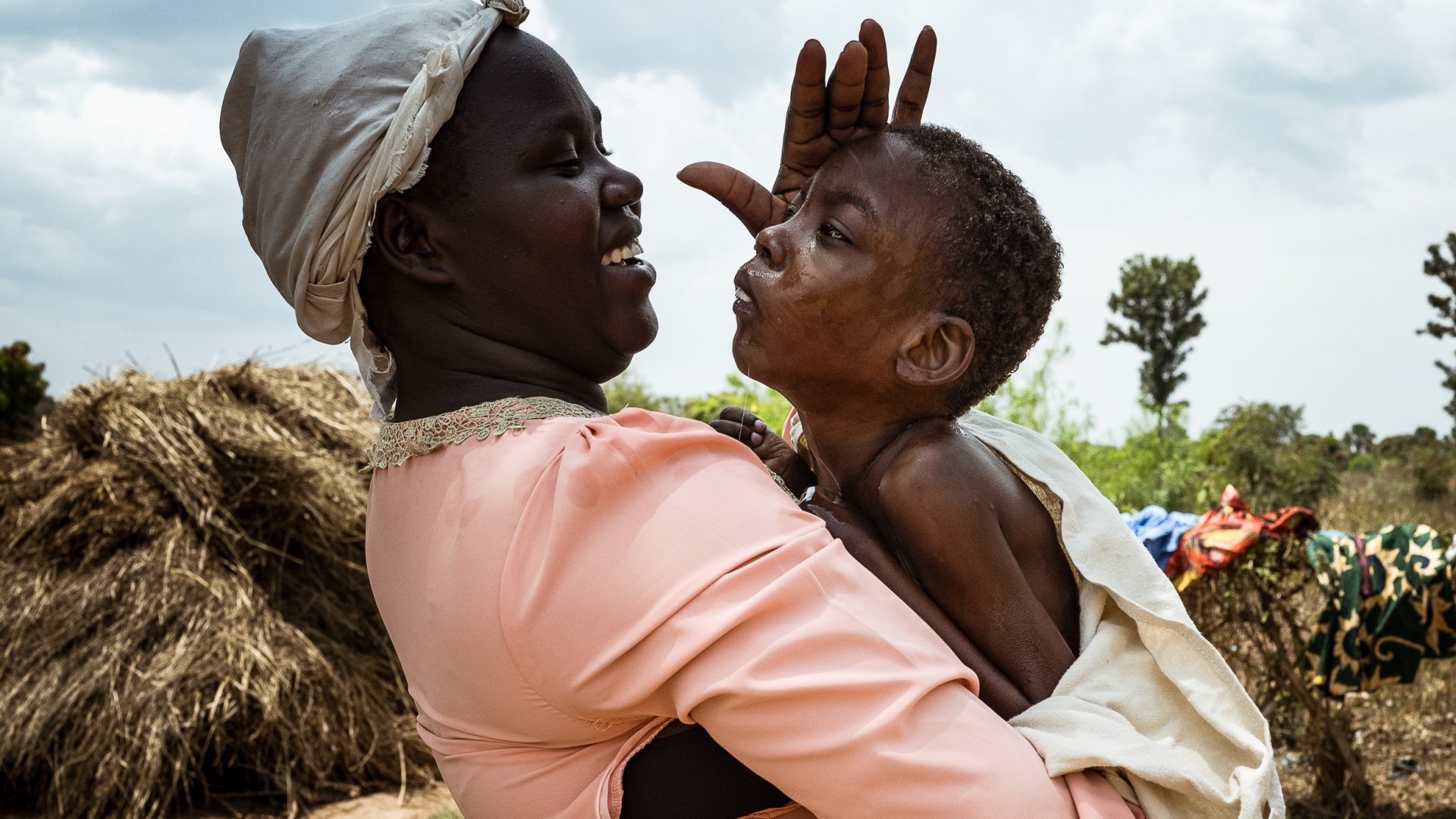
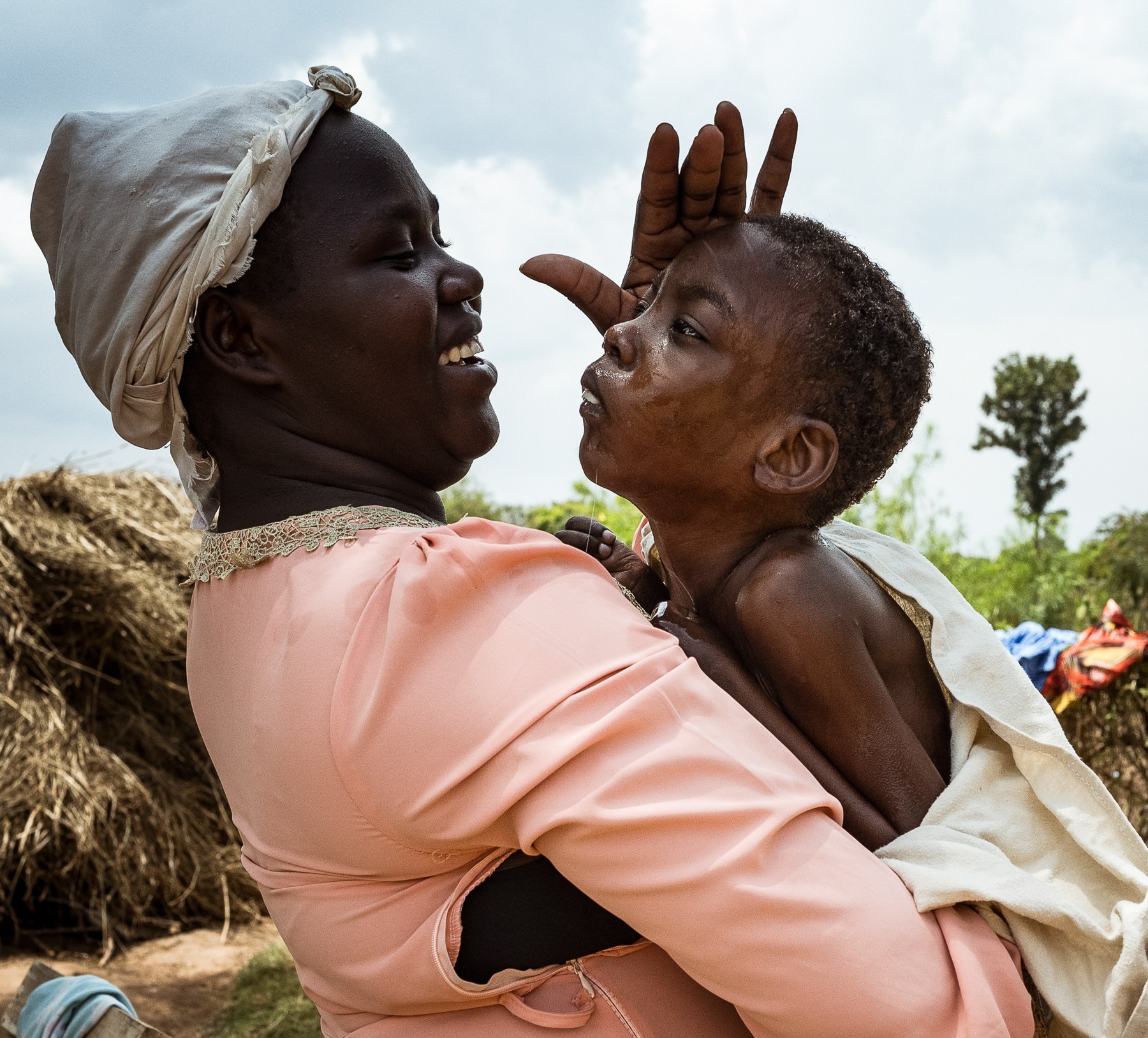
After bathing Aaron outside in the early afternoon, she dries his bony frame with a towel as her family’s chickens and goats wander over. She sits on a mat on a patch of grass outside their hut, wraps him in the towel and holds him, her face beaming, before she pulls a T-shirt over his head and dresses him in clean pants. They play peekaboo, Aaron giggling and his eyes lighting up as she reappears.

“Whenever I am playing with Aaron, I know that Aaron is enjoying it when he smiles back at me, … when he is laughing, when he wants to stretch his arms,” she says.

“This makes me happy because my child is happy. If Aaron’s happy, I am happy.”

This story is the first in a miniseries, Mothering on the Margins, exploring how five women around the world grapple with impossible circumstances to raise their children.
Comments
You must be logged in to comment.