buzzfeed Press
15 Dark Behind-The-Scenes Facts About Horror Movies That Are Scarier Than The Films Themselves
Images
1 / 19
2 / 19

3 / 19
4 / 19
5 / 19
6 / 19
7 / 19
8 / 19
9 / 19
10 / 19
11 / 19
12 / 19
13 / 19
14 / 19
15 / 19
16 / 19
17 / 19
18 / 19
19 / 19
If you need me, I'll be hiding under the covers forever.

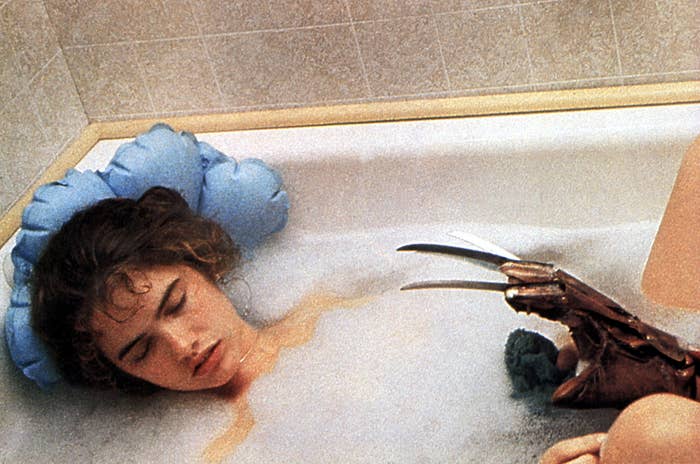
"I’d read an article in the LA Times about a family who had escaped the Killing Fields in Cambodia and managed to get to the US," writer-director Wes Craven said in an interview with Vulture. Suddenly, the young son was having very disturbing nightmares. He told his parents he was afraid that if he slept, the thing chasing him would get him, so he tried to stay awake for days at a time. When he finally fell asleep, his parents thought this crisis was over. Then they heard screams in the middle of the night. By the time they got to him, he was dead. He died in the middle of a nightmare. Here was a youngster having a vision of a horror that everyone older was denying. That became the central line of Nightmare on Elm Street."

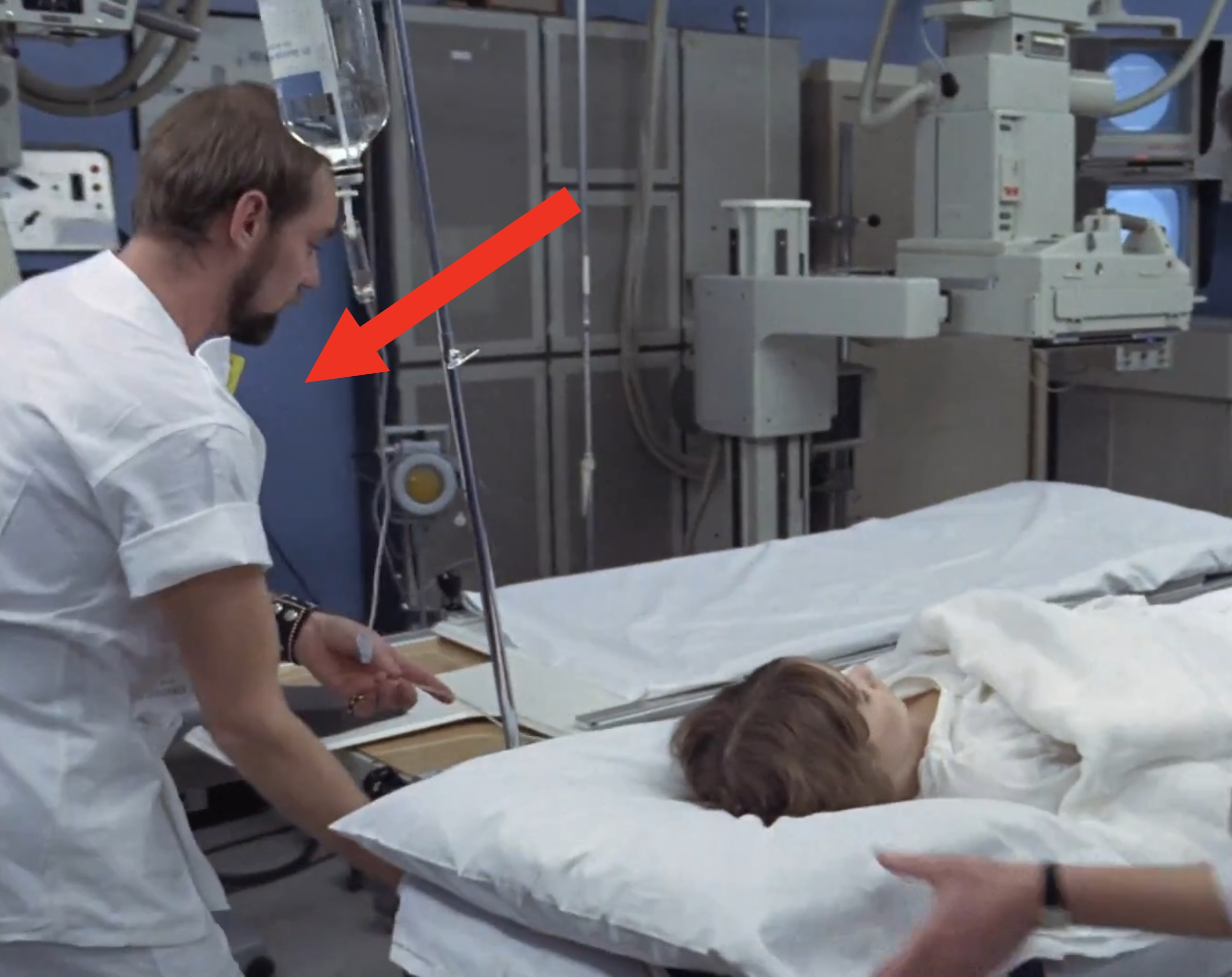
In 1979, the movie extra and real-life radiographer was convicted of the murder of Variety reporter Addison Verrill. He was also suspected of killing a number of other victims, but no additional charges were brought against him.

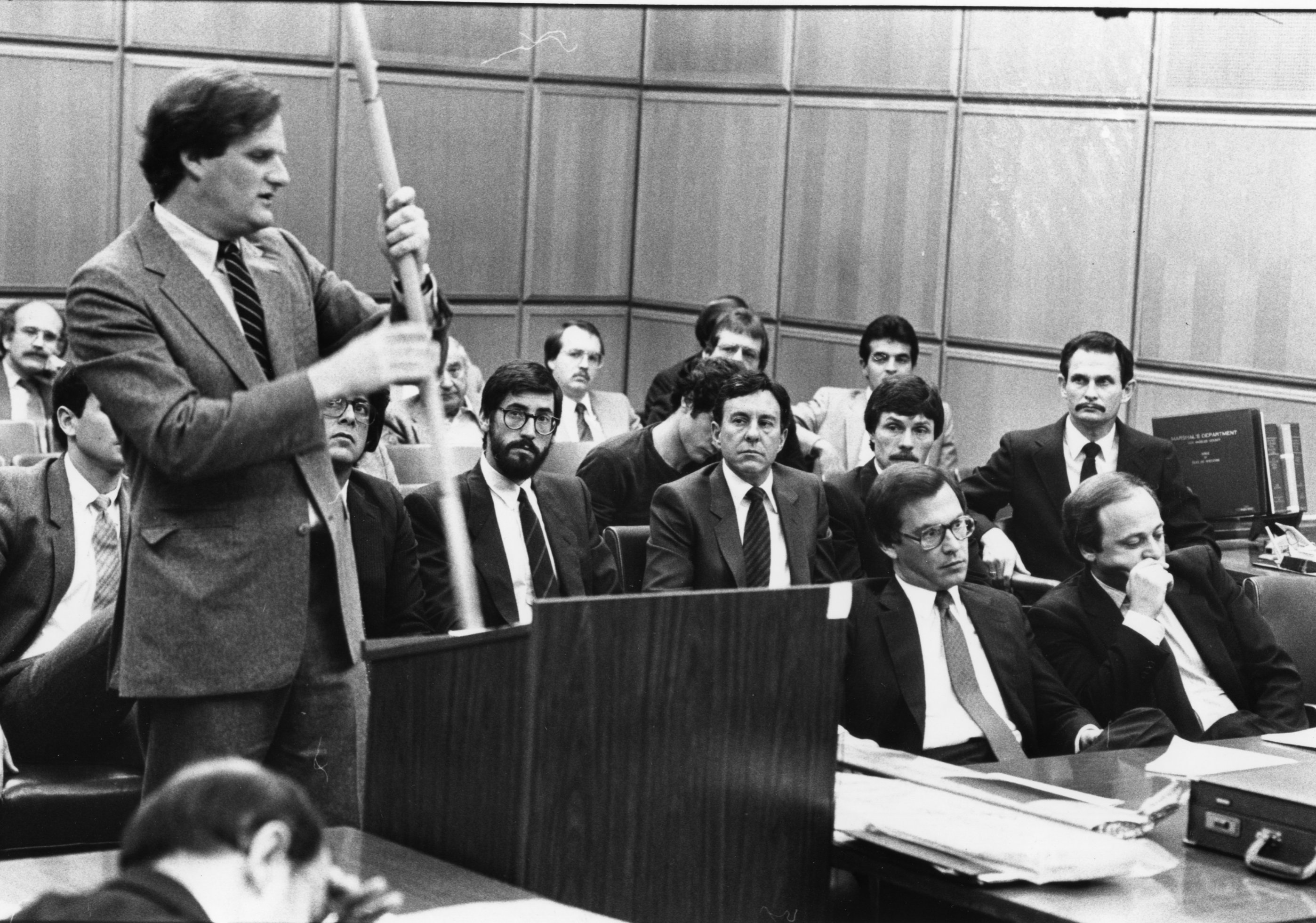
Following the incident, director John Landis, producer George Folsey Jr., and three other defendants were charged with involuntary manslaughter. They were ultimately acquitted of all charges.

"We had all of our props a couple days after we finished wrapping — they put everything in storage for if you’re gonna do reshoots or anything," Jefferey Dean Morgan told The Hollywood Reporter. “It burnt to the ground. It was investigated, and there were no signs of arson, no electrical fire.”

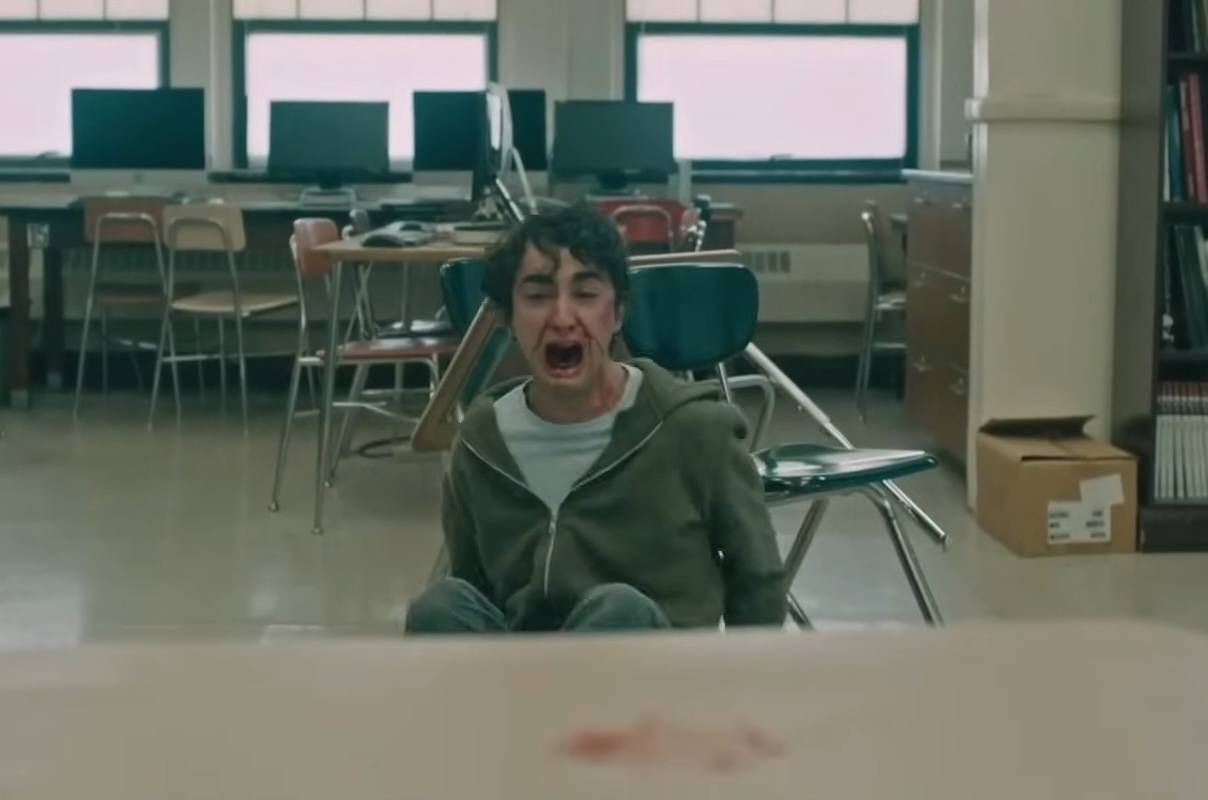
Wolff actually volunteered to break his own nose for real, explaining to TheWrap, "I said to Ari [Aster, director] when that scene was coming up, 'I will do it on a real desk, just tell me.' And he said, 'I love you and thank you, but that is definitely not allowed.'"

While Wolff settled for using a foam top desk, it still wasn't painless: "It had a foam top but it was hard on the bottom, and there were only two of them, and I had to nail it perfectly," he added. "I had to have the blood shoot out perfectly out of my nose and jump back and do that whole thing. I remember after, I was just panting, my voice is gone, blood is dripping down everywhere, and blood is gushing down my knee — real blood gushing down my knee, because I slammed it against a chair."

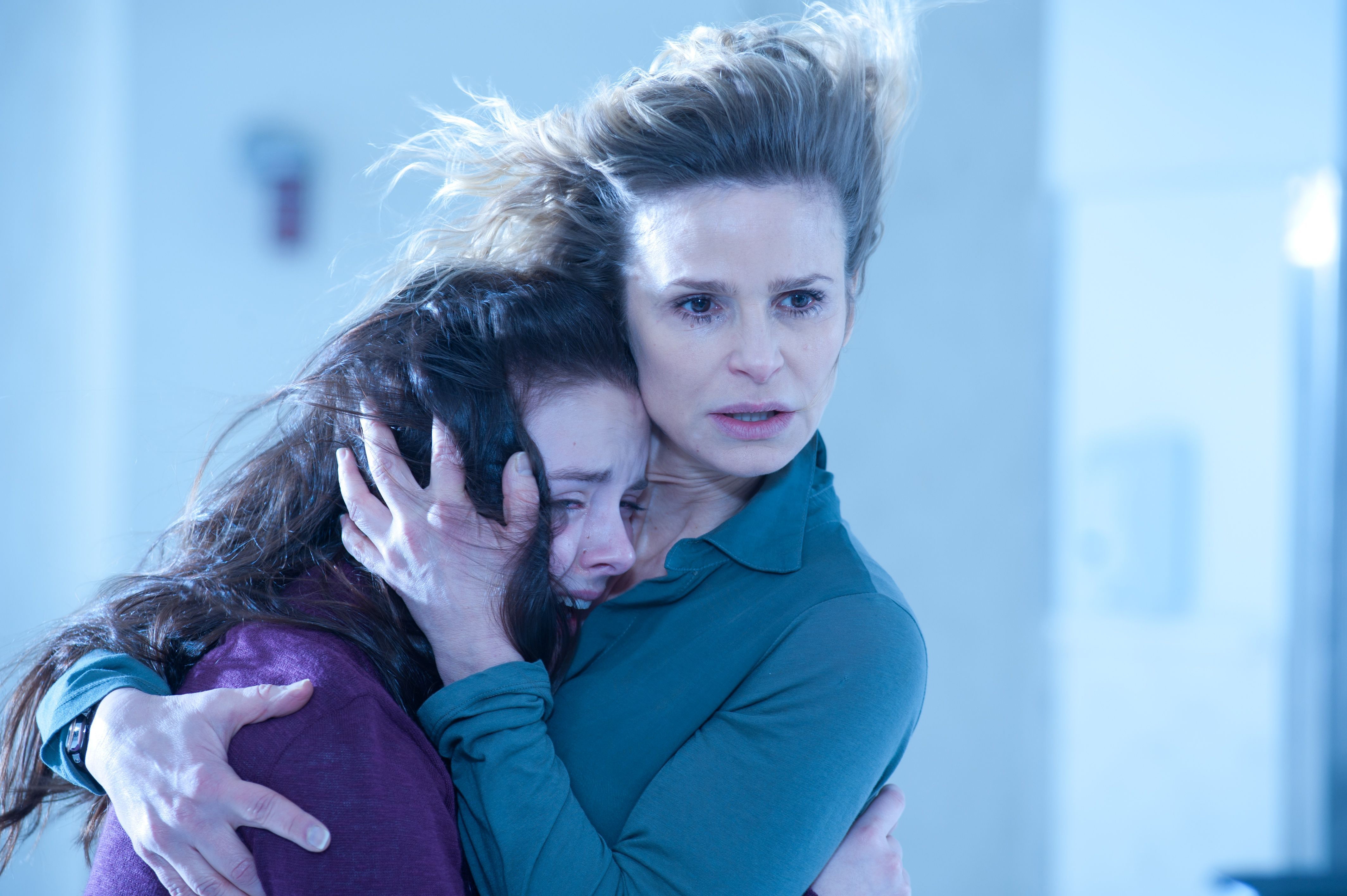
Grace also recalled unexplained power losses, shadowy figures, and a random bloody nose. But perhaps the creepiest story of all is that, according to the production crew, a piano bench on the set "moved overnight on several occasions, though no crew members were working, and the stage was locked."

"I found myself summoned to court, where they screened the film," director Ruggero Deodato said in an interview with Nanarland. "I was terrified, and my lawyers didn't know what to do. I thought to myself, 'Okay, I'm going to leave the courtroom in handcuffs!' At the end, the prosecutor stood up and pointed at me, shouting, 'You had people massacred for your film! ' So I had to call the actors and ask them to come forward to prove they were still alive."

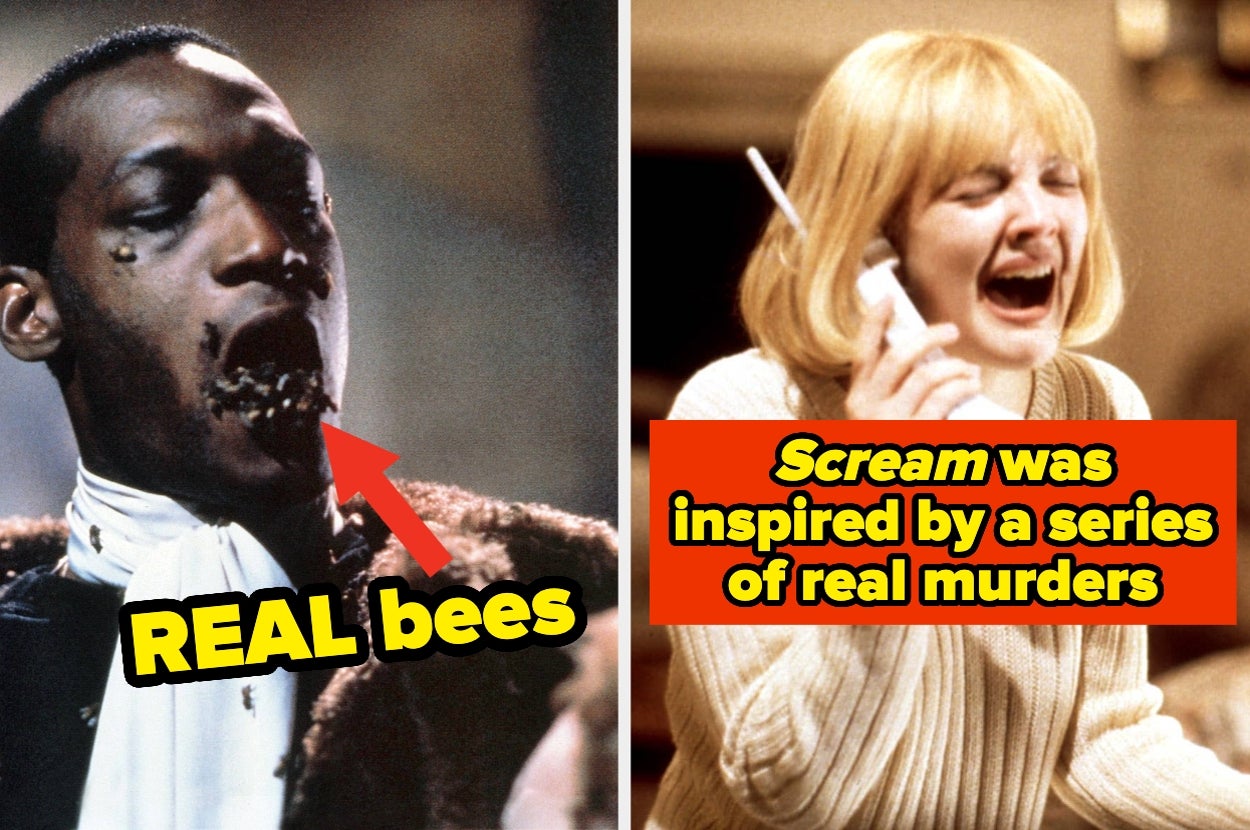
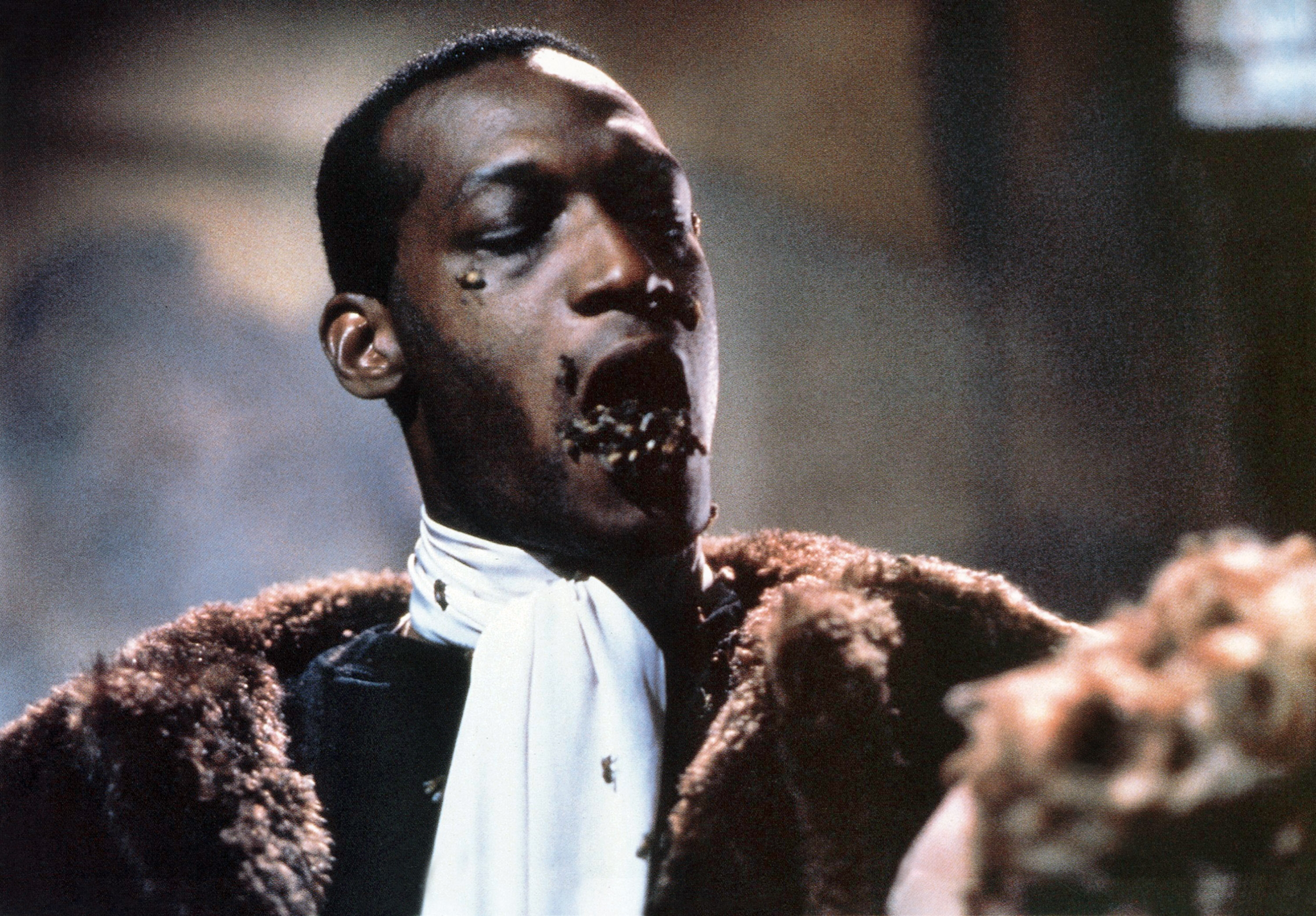
"I negotiated a bonus of $1,000 for every sting during the bee scene," Todd told The Guardian. "And I got stung 23 times. Everything that’s worth making has to involve some sort of pain."

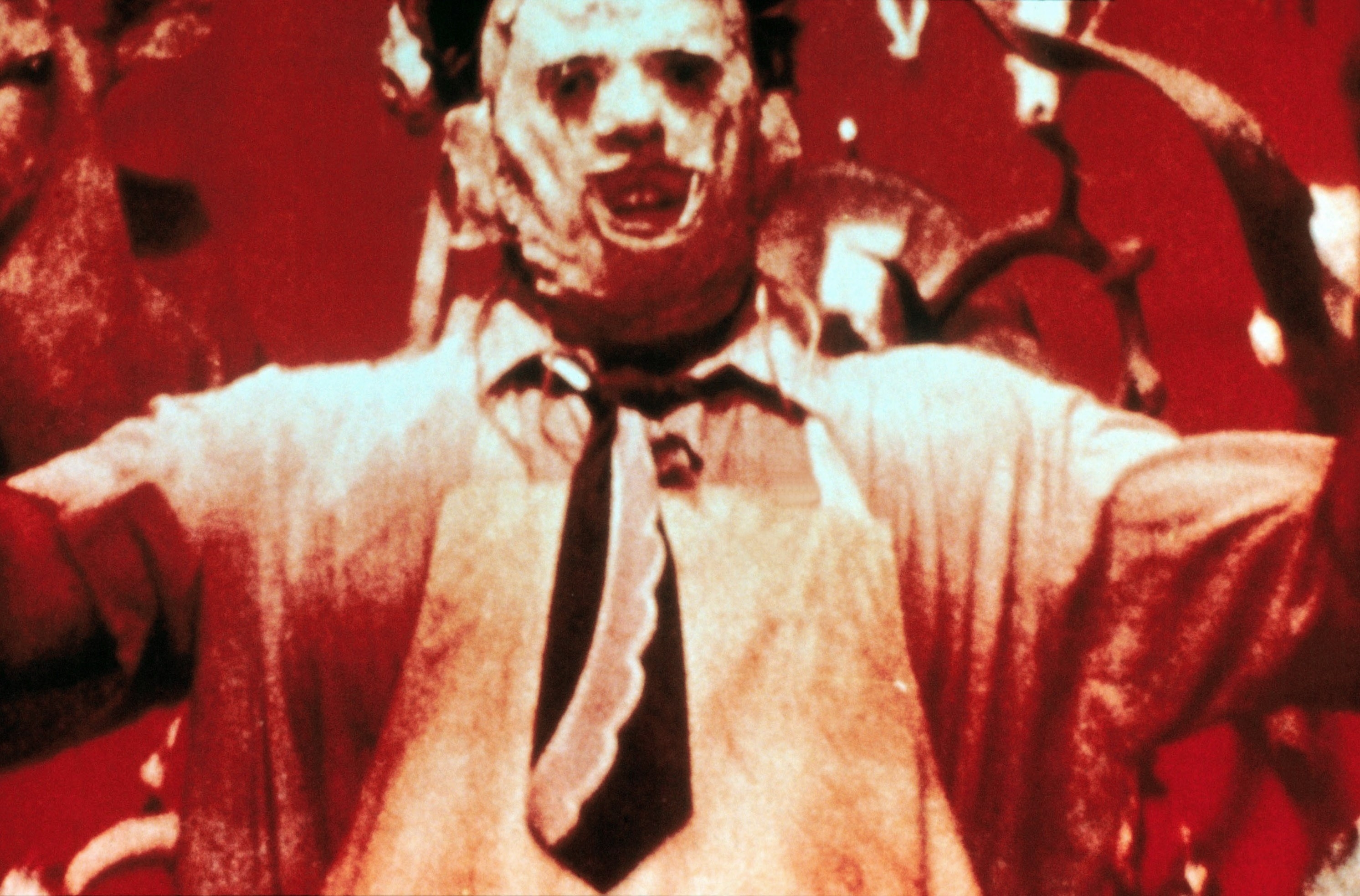
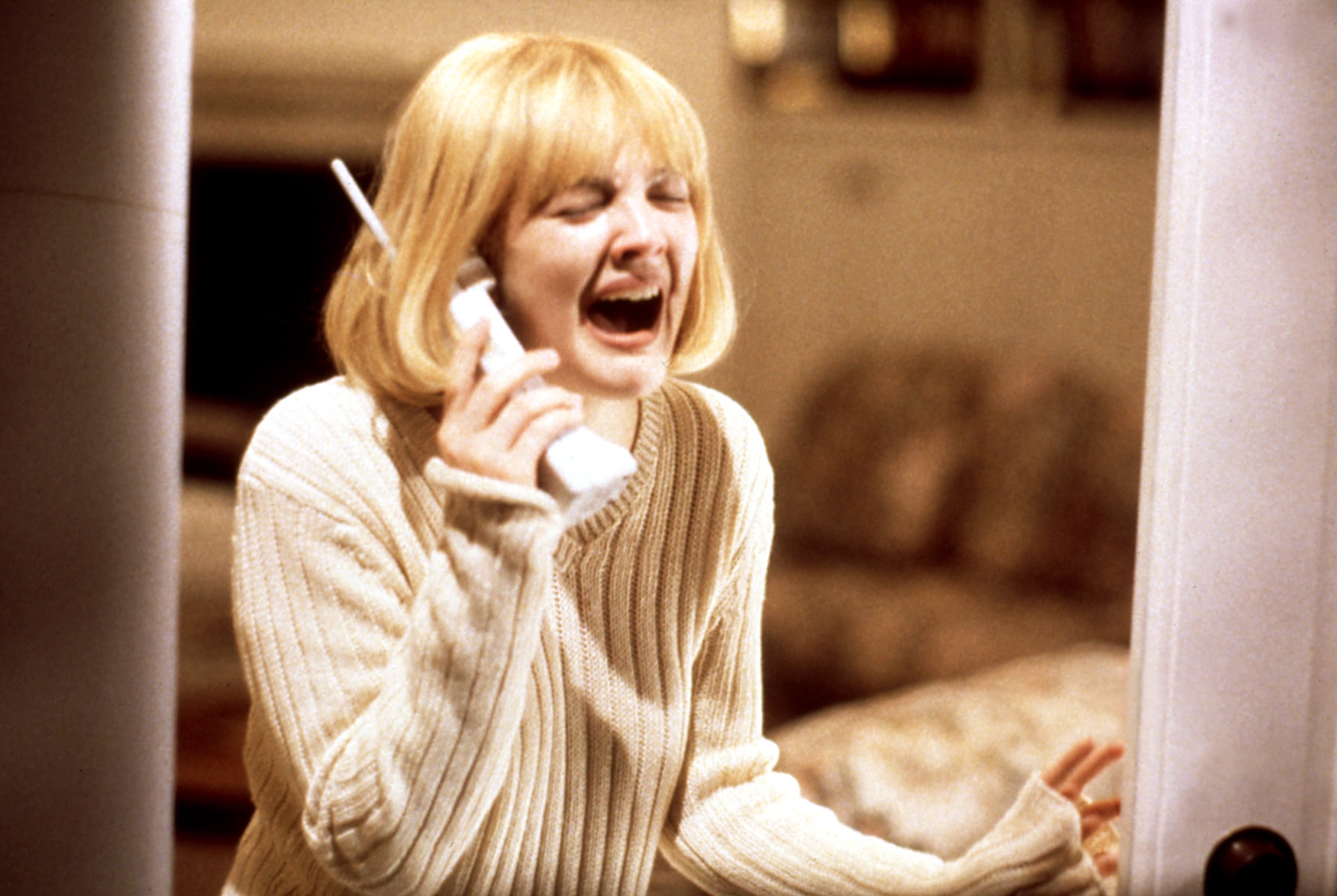
Danny Rolling — also known as The Gainesville Ripper — killed five college students in August 1990, sometimes mutilating or decapitating his victims. He was sentenced to deaths for the murders in 1994 and died by lethal injection in 2006.

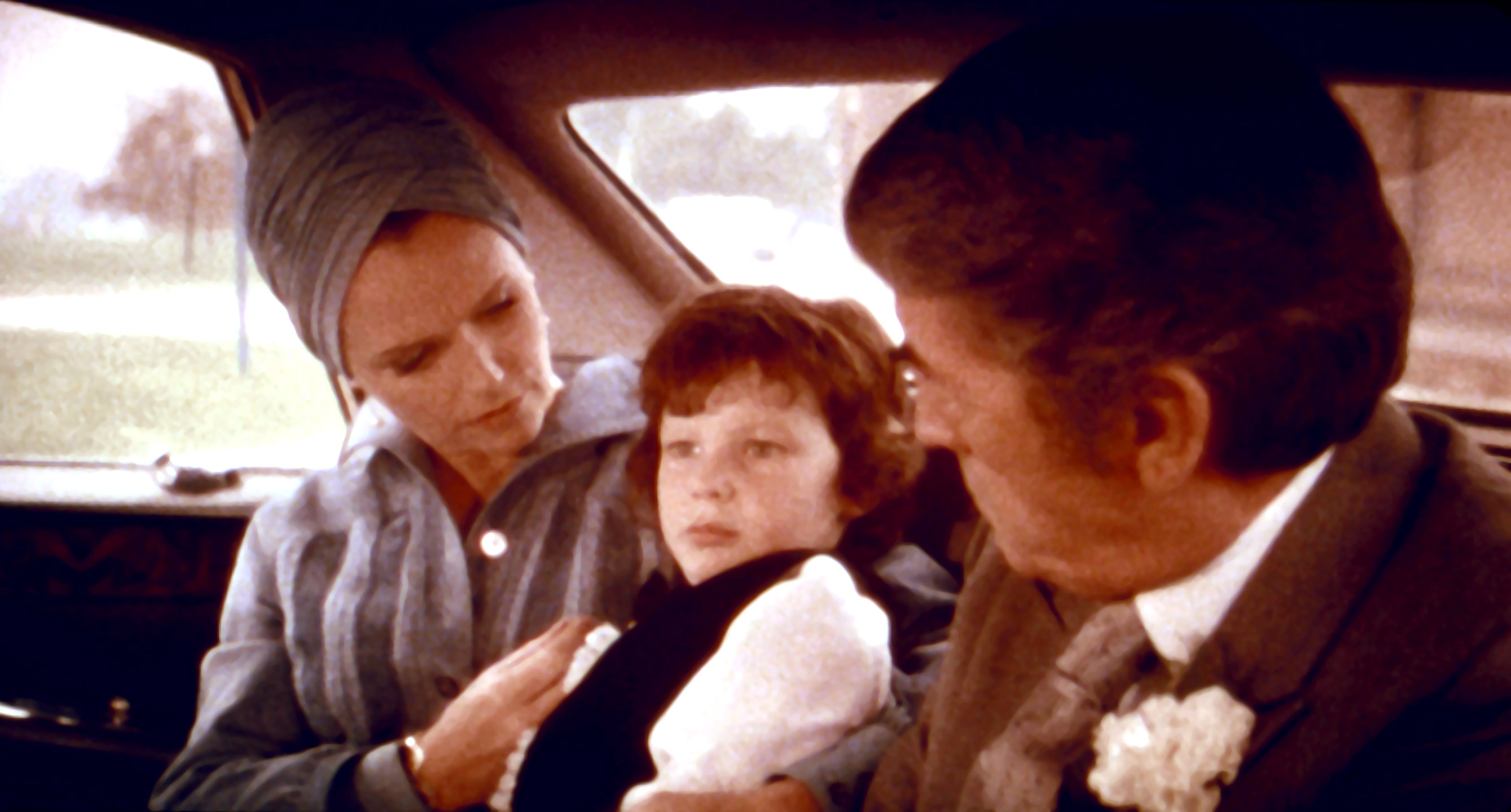
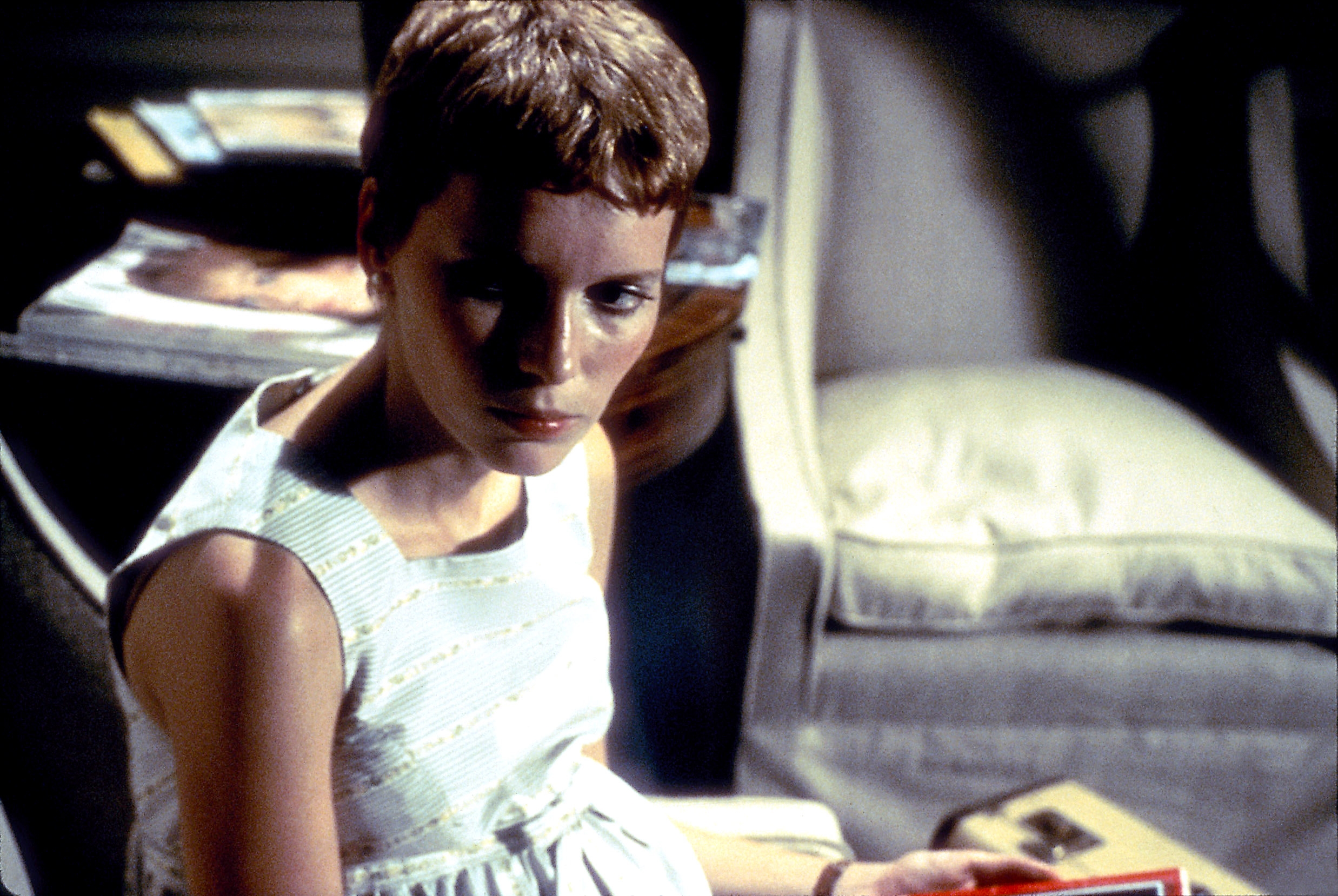
While at a party in December 1968, composer Krzysztof Komeda sustained serious injuries after a friend (allegedly) accidentally pushed or shoved him off a hill while roughhousing. He fell into a coma and died just four months later.

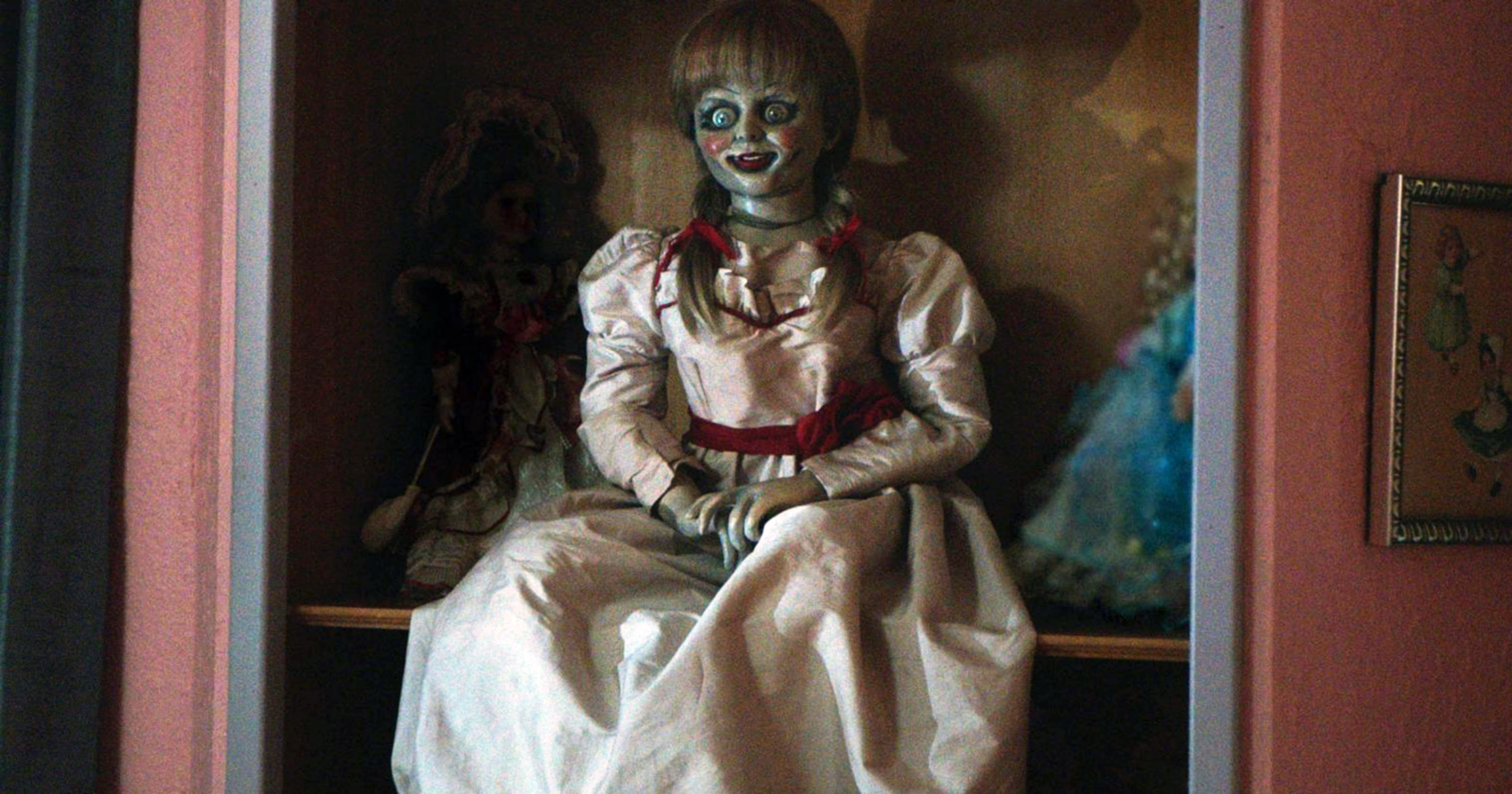
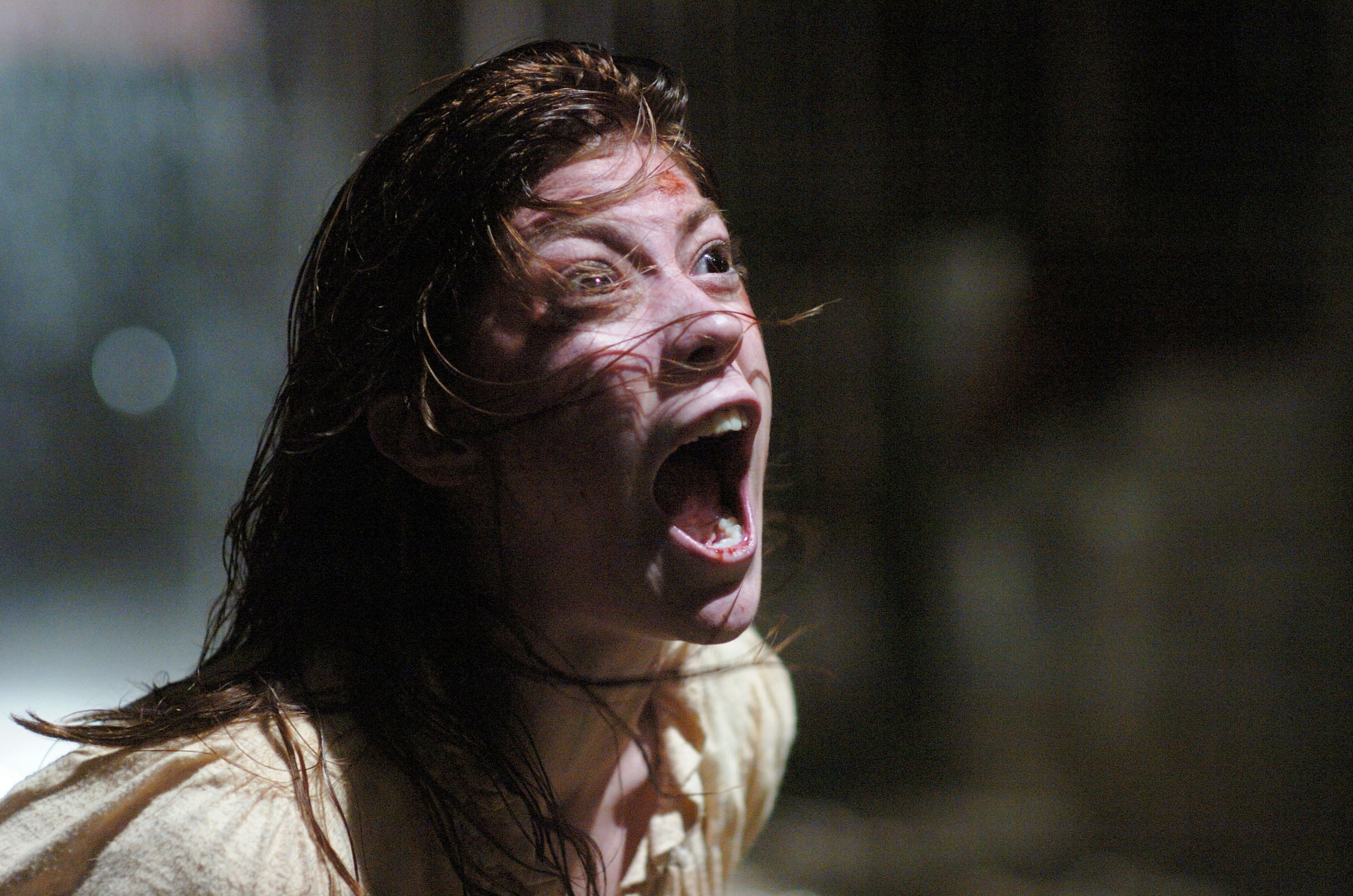
"Two or three times I was going to sleep, and my radio came on by itself," she said in an interview with Radio Free Entertainment. "And the only time it scared me was [when] it was really loud. It was Pearl Jam's 'Alive.'"

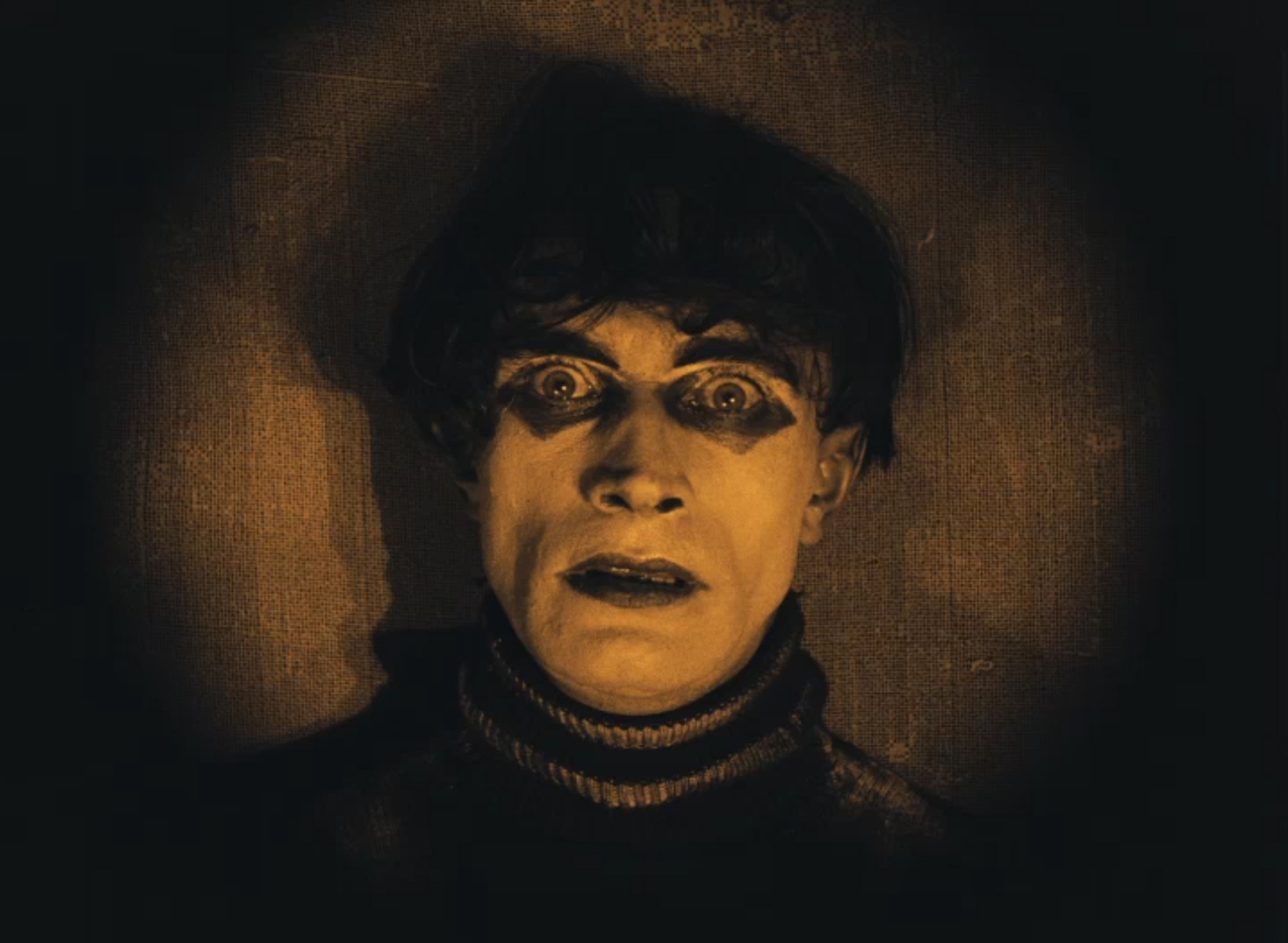
Janowitz believed he witnessed a murder one evening at the Hamburg town fair in 1973 — according to him, he noticed a young woman disappear into the bushes, then saw a man in the nearby shadows. The next day, he learned that a murder had taken place.

See: Poltergeist (1982), House on the Haunted Hill (1959), and Frankenstein (1931) for examples.
Comments
You must be logged in to comment.