yahoo Press
The Small Snake Responsible for More Human Deaths Than Almost Any Other
Images
1 / 11
2 / 11

3 / 11

4 / 11

5 / 11

6 / 11
7 / 11
8 / 11
9 / 11
10 / 11

11 / 11
The post The Small Snake Responsible for More Human Deaths Than Almost Any Other appeared first on A-Z Animals.

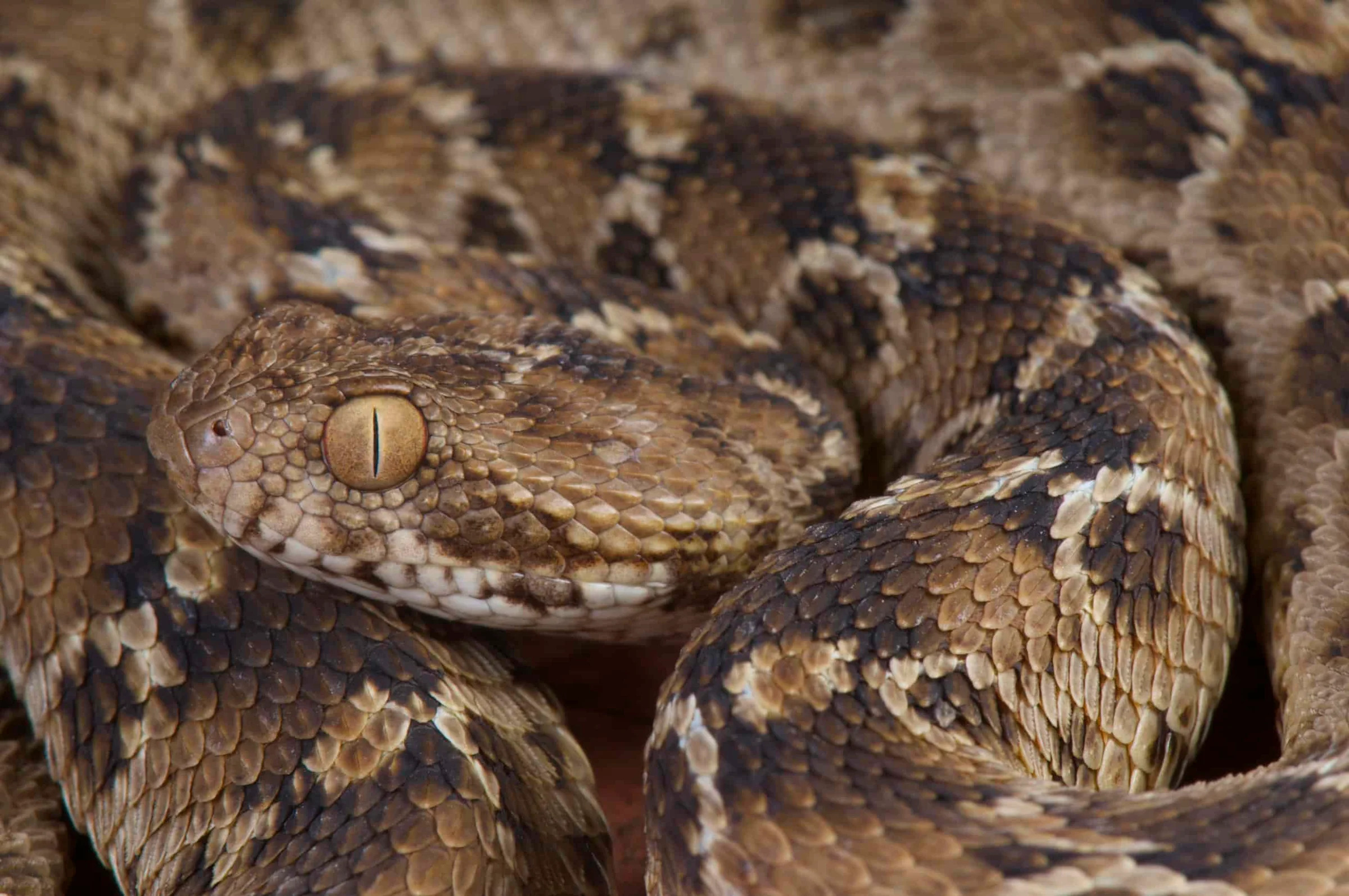
The saw-scaled viper is a small desert snake whose potent hemorrhagic venom disrupts blood clotting and can cause severe internal bleeding.

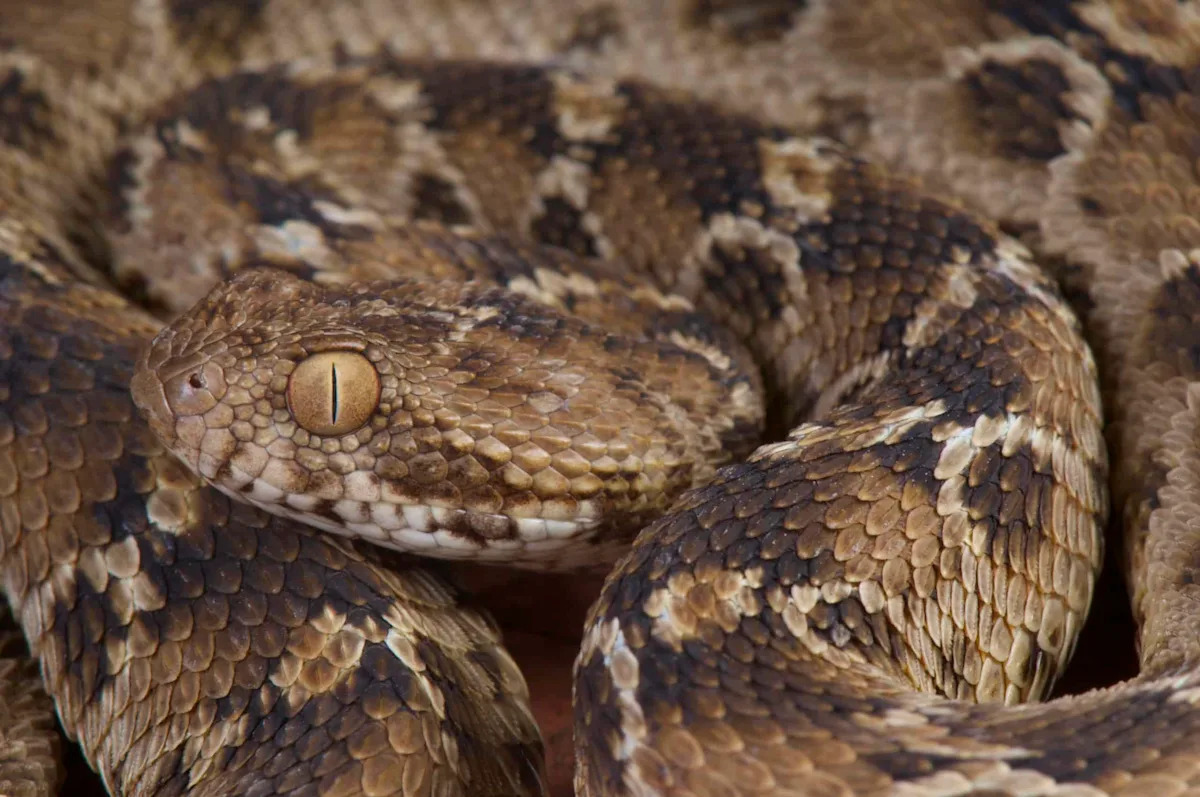
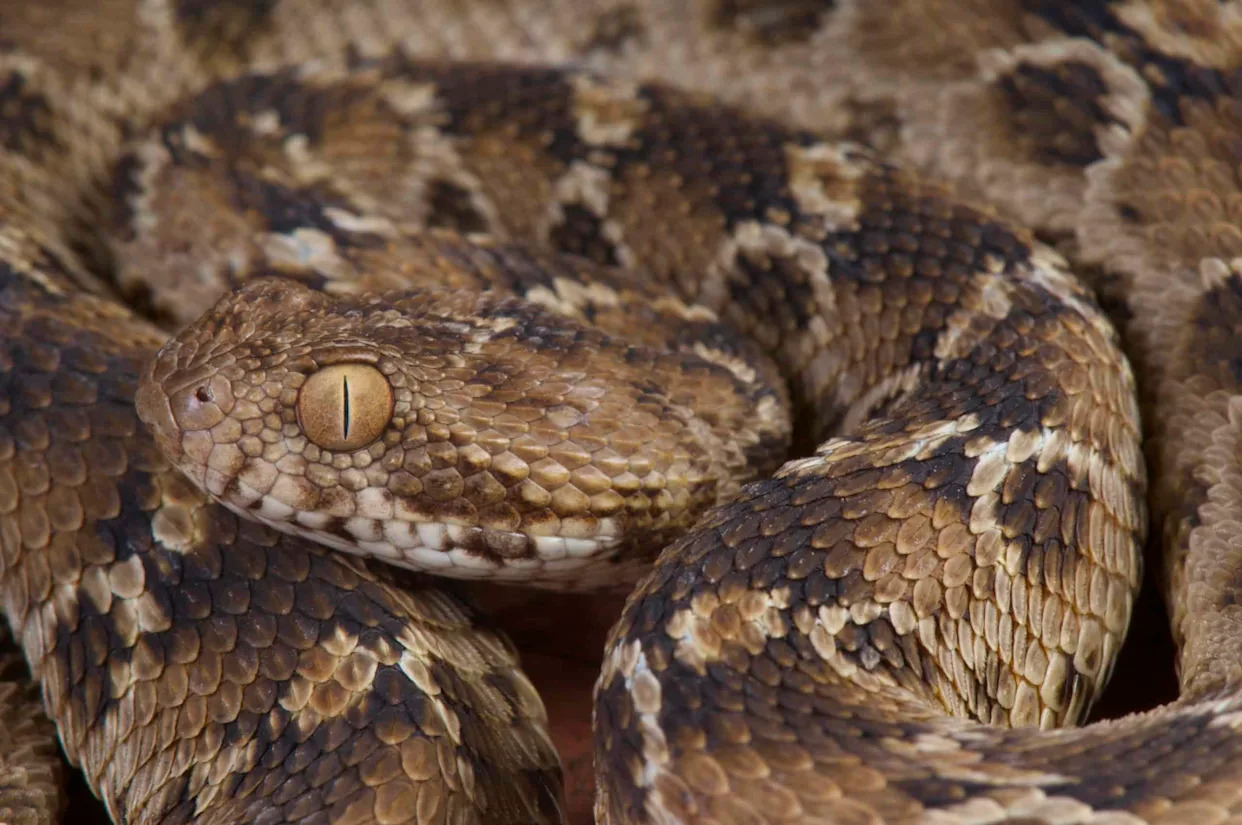
This species often forms a distinctive figure-8 coil, allowing it to strike quickly within a short but dangerous range.

Because it frequently lives near human settlements across Africa and Asia, the saw-scaled viper is responsible for more snakebite deaths than many larger species.

The names of certain snakes are enough to strike fear into the heart of any ophidiophobian. It’s extremely common to have a phobia of a reptile that could kill a full-grown human with a single bite. And while the likes of rattlesnakes, cobras, and cottonmouths are well-known, there’s one that makes each of these seem docile in comparison.

The saw-scaled viper (Echis carinatus) is one of the most venomous, aggressive, and deadliest snakes in the world. And as it turns out, it’s not its bite that endangers humans the most, but its feisty attitude.

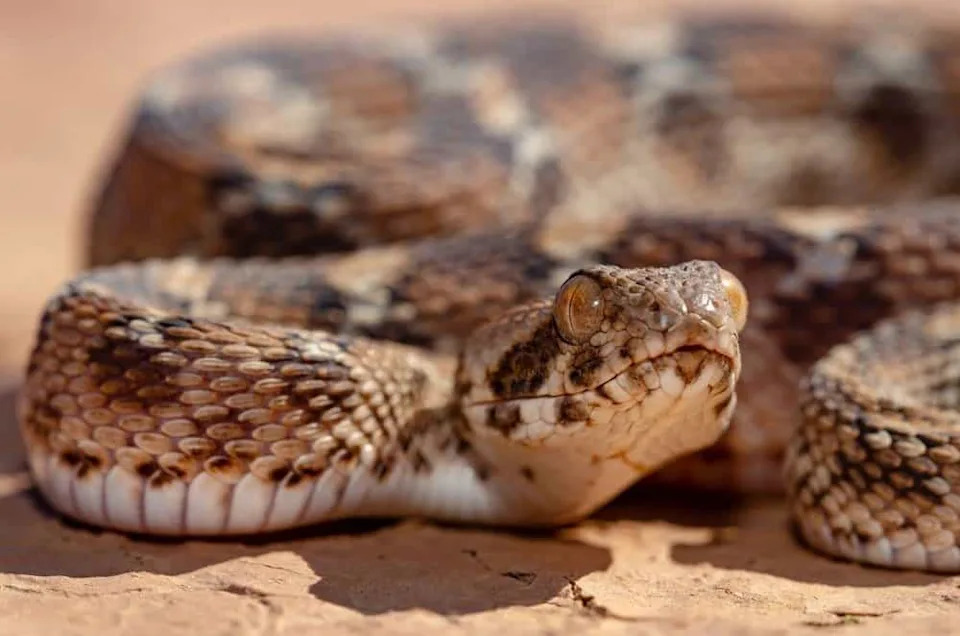
Saw-scaled vipers are desert lovers. They’re found in the arid climates of the Middle East, Africa, Pakistan, and parts of Sri Lanka. In these regions, the brown, tan, or red-colored scales of the viper help it to camouflage seamlessly against underbrush and dust-covered rocks. While this is a crucial survival skill, it’s often bad news for those living in these areas. Despite growing only up to 30 inches long at most, its reputation still precedes it.

The Roman saw-scaled viper is one of the most dangerous snakes in Africa and Asia.

©Luis Montero de Espinosa/Shutterstock.com

The saw-scaled viper tends to cohabitate with crowded locations, which means it’s often found in urban areas. In cities throughout Pakistan and Sri Lanka, this viper is an unfriendly neighbor. Even in more remote locations throughout the Middle East and Africa, the saw-scaled viper poses a significant threat to towns and villages in its territory. This makes it one of the deadliest snakes on the planet, simply because of its proximity to human habitation. And whereas the first instinct of many other highly venomous snakes is to escape, the saw-scaled viper chooses violence first.

Vipers are known for their swift attacks, but the saw-scaled viper takes this to another level. When a threat triggers fight-or-flight mode, this viper chooses to stand its ground and fight. Rather than hiding or slithering from an encounter, it remains out in the open, but camouflaged. This means it rarely escapes or has an exit route, instead facing threats head-on rather than running from them.

A shaky, “sizzling” sound is all its prey will hear before it strikes. And sometimes, even this isn’t enough of a warning. Very few seconds elapse between the moment the saw-scaled viper emits a sound and the moment it strikes. This sound comes from serrated scales that move in tandem with the snake, and the friction sounds similar to that of a rattlesnake tail. However, if this snake is already moving, then chances are, its prey is in big trouble.

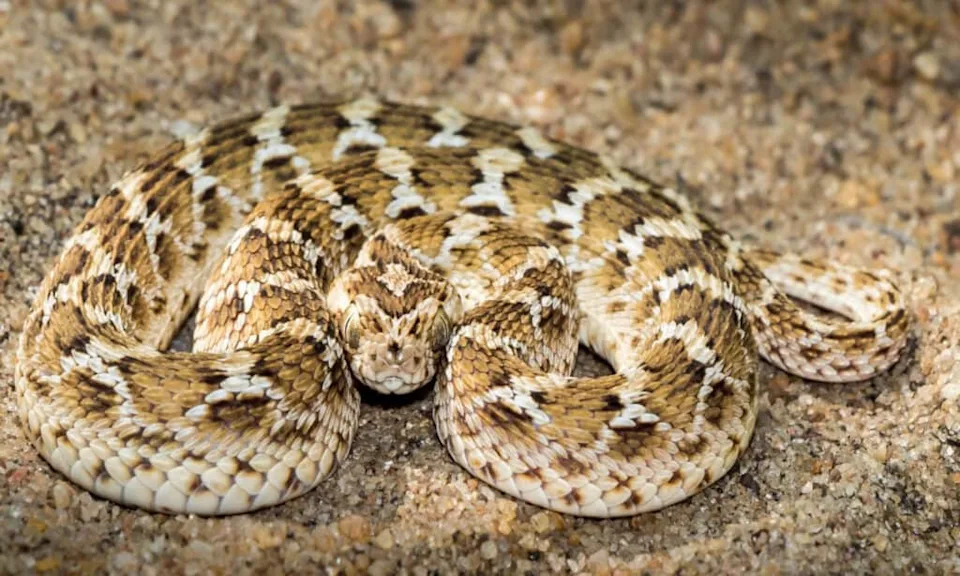
Saw-scaled vipers coil into a figure-8-shaped formation to protect themselves before readying to strike.

©Dushan Muthunayake/Shutterstock.com

The second sign of danger is coiling. Saw-scaled vipers coil into tight circles as their bodies undulate around them, creating a figure-8 or infinity shape. This tight formation protects the most vulnerable parts of the snake, while giving its head enough space to strike. Unfortunately, this also gives the viper an advantage in striking distance of up to one foot. Its speed is typical for that of snakes in the viper family, but its potent venom spells trouble for anyone bitten.

Its feisty nature is something to be wary of, as the saw-scaled snake is one of the most aggressive vipers in the world. However, the potency of its hemorrhagic venom accounts for its death count. While some snakes often strike without venom as a warning shot, the saw-scaled viper is known for inflicting damage–and toxicity–with its first. This venom is a volatile mixture of hemotoxin and cytotoxin that prevents the body from clotting. It causes mass-scale internal bleeding, necrotic tissue damage, and, in some cases, severe internal bleeding and vascular damage.

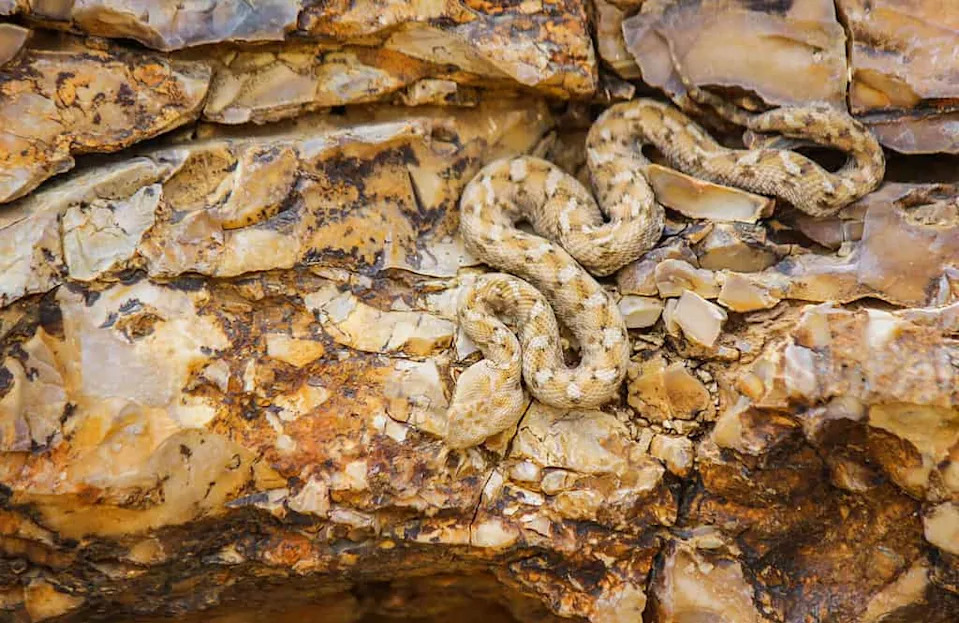
The pattern of the saw-scaled viper gives it almost perfect camouflage in desert surroundings.

©AbuMazna/Shutterstock.com

Saw-scaled vipers can inject up to 70mg of this venom in one bite, but 5mg is enough to prove fatal to a human. The venom takes effect as soon as it begins circulating, making it not only fatal but also fast-acting. It is believed to be responsible for more human deaths than any other snake species, making it one of the deadliest animals in the world. Prompt administration of antivenom is critical and offers the best chance of recovery, but it can still be effective even if given more than 24 hours after the bite in some cases.

The post The Small Snake Responsible for More Human Deaths Than Almost Any Other appeared first on A-Z Animals.
Comments
You must be logged in to comment.