yahoo Press
Equinor Restructures Trading and Midstream Units to Boost Value Creation
Images
1 / 4
2 / 4

3 / 4

4 / 4
Equinor will replace its Marketing, Midstream, and Processing unit with two distinct divisions—one focused on infrastructure and operations, and another dedicated to trading and market strategy.

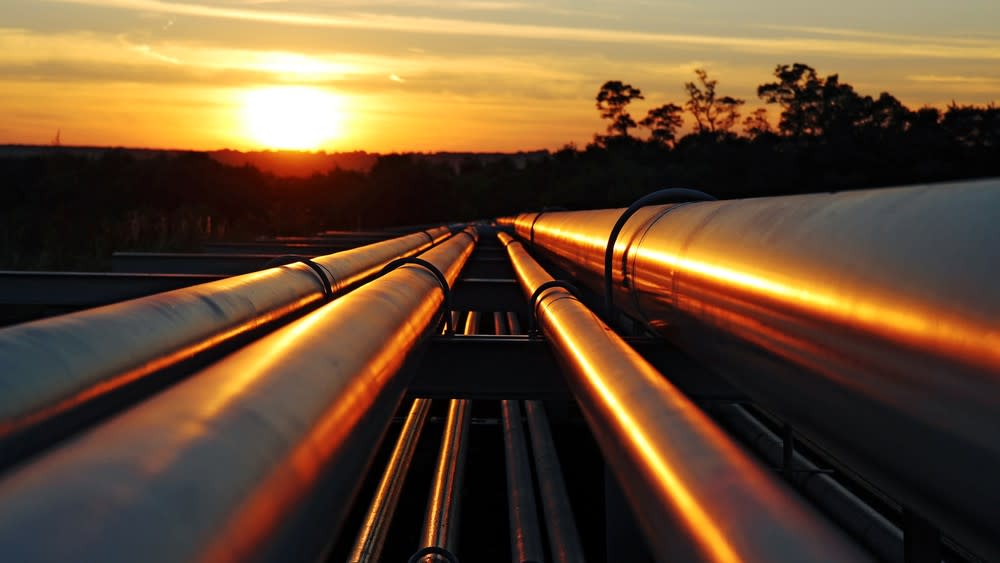
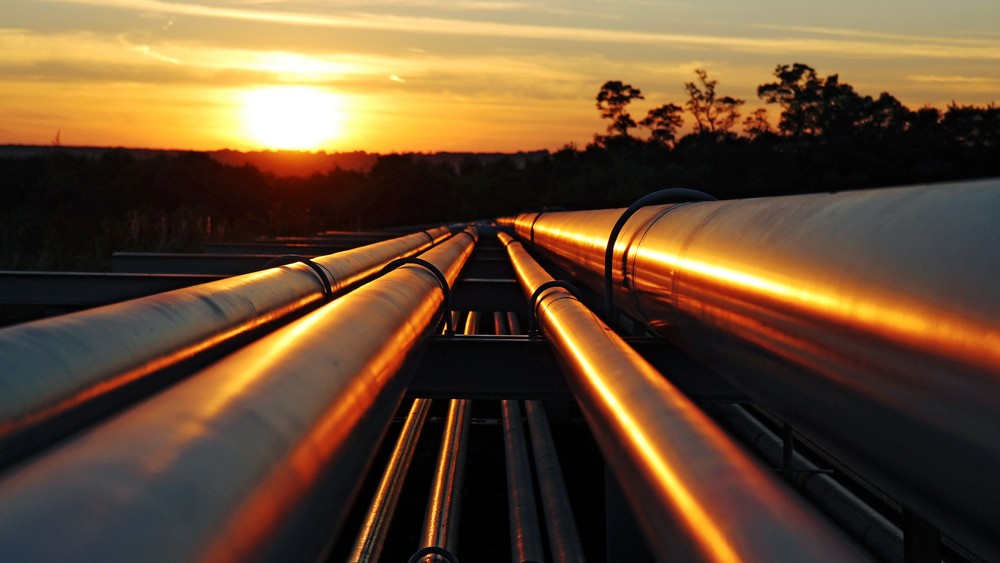
The first unit will oversee midstream, processing, and infrastructure assets, including refineries, pipelines, terminals, and storage facilities. Led by Geir Sørtvedt, this division is tasked with improving operational efficiency, reliability, and integration with upstream production, particularly on the Norwegian continental shelf.

The second unit, led by Irene Rummelhoff, will concentrate on trading and market-facing activities. Its mandate is to enhance value capture across commodities by leveraging data, digital tools, and market intelligence to inform strategy and portfolio decisions.

CEO Anders Opedal framed the move as a shift toward a more commercially driven model, emphasizing the growing importance of trading in linking production with customer demand and optimizing returns.

The reorganization is expected to be finalized by early 2027, with further adjustments to reporting structures under review.

The restructuring comes as Equinor reports strong 2025 results despite softer commodity prices. The company posted adjusted operating income of $27.6 billion and net income of $6.43 billion, supported by record production of 2.14 million barrels of oil equivalent per day.

Growth was driven by new projects including Johan Castberg in Norway and Bacalhau in Brazil, alongside continued strong performance from legacy assets such as Johan Sverdrup.

Equinor also maintained capital discipline, with $13.1 billion in organic capex and a return on capital employed of 14.5%.

The move reflects broader shifts across global energy markets, where volatility, geopolitical risk, and evolving demand patterns are increasing the value of integrated trading capabilities.

European energy majors in particular have been expanding trading operations to capitalize on arbitrage opportunities in gas, LNG, and power markets. Equinor’s decision aligns with this trend, positioning trading as a central driver of corporate strategy rather than a supporting function.

At the same time, separating infrastructure operations underscores the continued importance of stable, cash-generating midstream assets—especially in gas-heavy portfolios like Equinor’s.

Equinor’s restructuring also comes amid a recalibration of its energy transition strategy. The company acknowledged that renewable and low-carbon project development has slowed due to market conditions, prompting a sharper focus on profitability.

While offshore wind projects such as Dogger Bank and Empire Wind continue to advance, Equinor is prioritizing capital efficiency and returns across its portfolio.

The company reduced operational emissions by 34% from 2015 levels and continues to target a 50% reduction by 2030, though progress toward net-zero goals is being adjusted to reflect market realities.

Equinor is repositioning its organization to better monetize its production through enhanced trading capabilities while maintaining operational discipline across its infrastructure base, signaling a more market-driven approach in an increasingly complex energy landscape.

By Charles Kennedy for Oilprice.com

More Top Reads From Oilprice.com

Oil Prices Hit $112 as Iran Expands Strikes on Gulf Energy Sites

Oil Price Shock Forces India's Top Refiners to Suspend Fuel Credit

UAE Halts Shah Gas Field After Iranian Drone Attack

Oilprice Intelligence brings you the signals before they become front-page news. This is the same expert analysis read by veteran traders and political advisors. Get it free, twice a week, and you'll always know why the market is moving before everyone else.

You get the geopolitical intelligence, the hidden inventory data, and the market whispers that move billions - and we'll send you $389 in premium energy intelligence, on us, just for subscribing. Join 400,000+ readers today. Get access immediately by clicking here.
Comments
You must be logged in to comment.