buzzfeed Press
37 Totally Weird Items That Only These Internet Geniuses Seemed To Be Able To Identify
Images
1 / 20
2 / 20

3 / 20
4 / 20
5 / 20
6 / 20
7 / 20
8 / 20
9 / 20
10 / 20
11 / 20
12 / 20
13 / 20
14 / 20
15 / 20
16 / 20
17 / 20
18 / 20
19 / 20
20 / 20
I had honestly never considered how balloons were made, but it's SUPER cool.

As a Resident Writer here at BuzzFeed, I cover topics like politics, weird history, tech, trending viral stories, and other various corners of the internet.

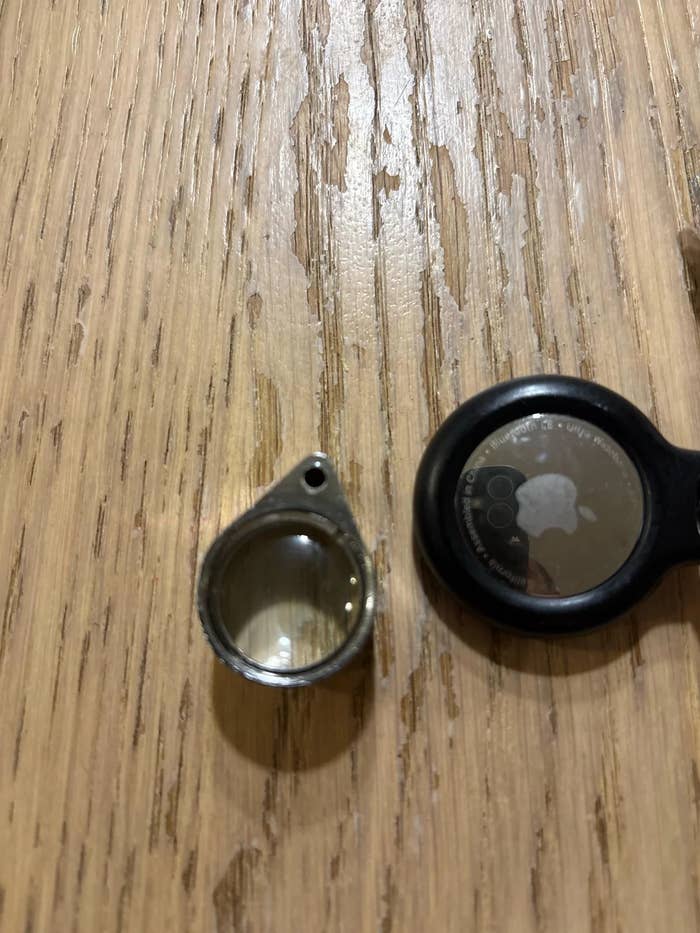
"That's a loupe, just a handheld magnifier. Seems to be missing the cover; it's a swivel bit that fits into that hole at the top of the teardrop."

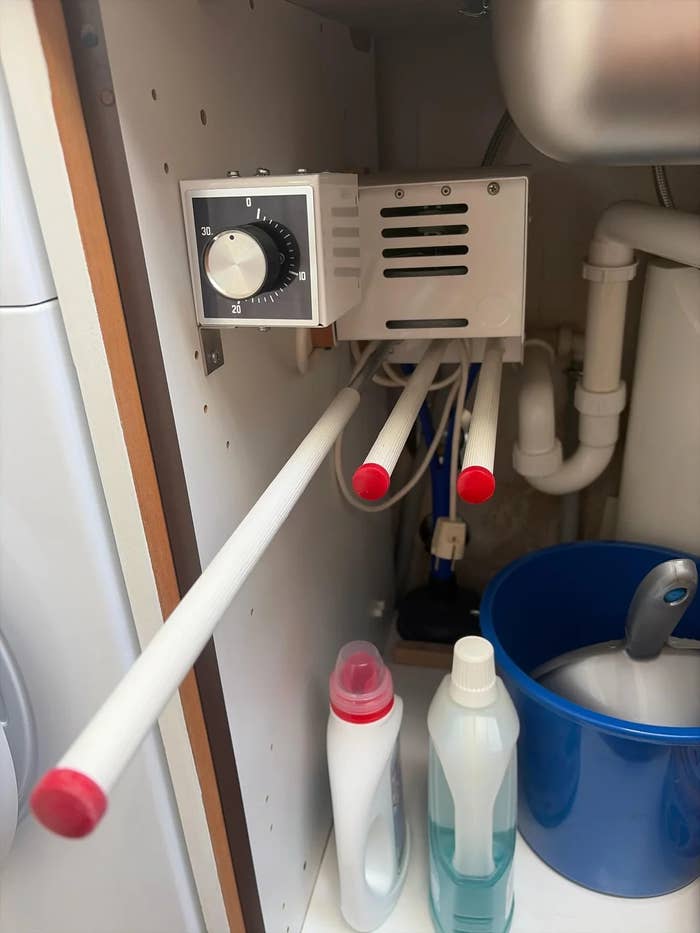
"Guessing there is a heater and a fan that blows hot air at the towels that are hanging on the rods. The rods are extendable because it makes hanging and removing the towels easier."

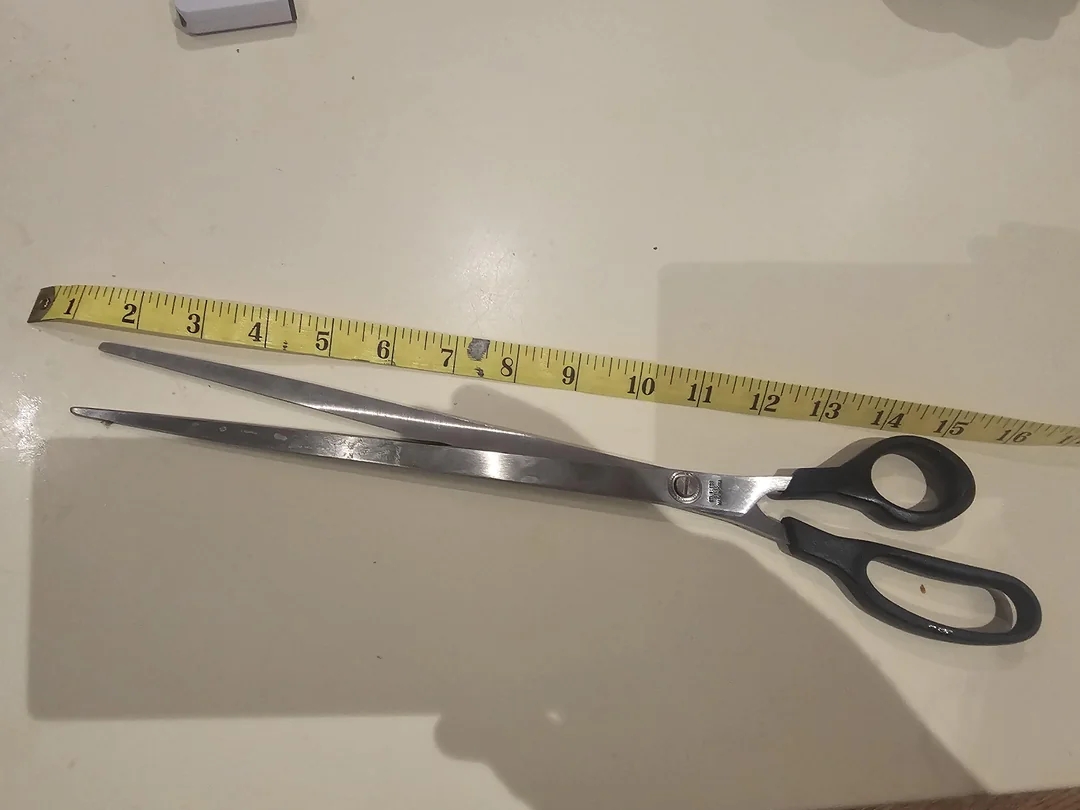
"Paper cutting scissors. Think wrapping paper, wallpaper, etc."

"Yes, I had a pair. That's exactly what it is."

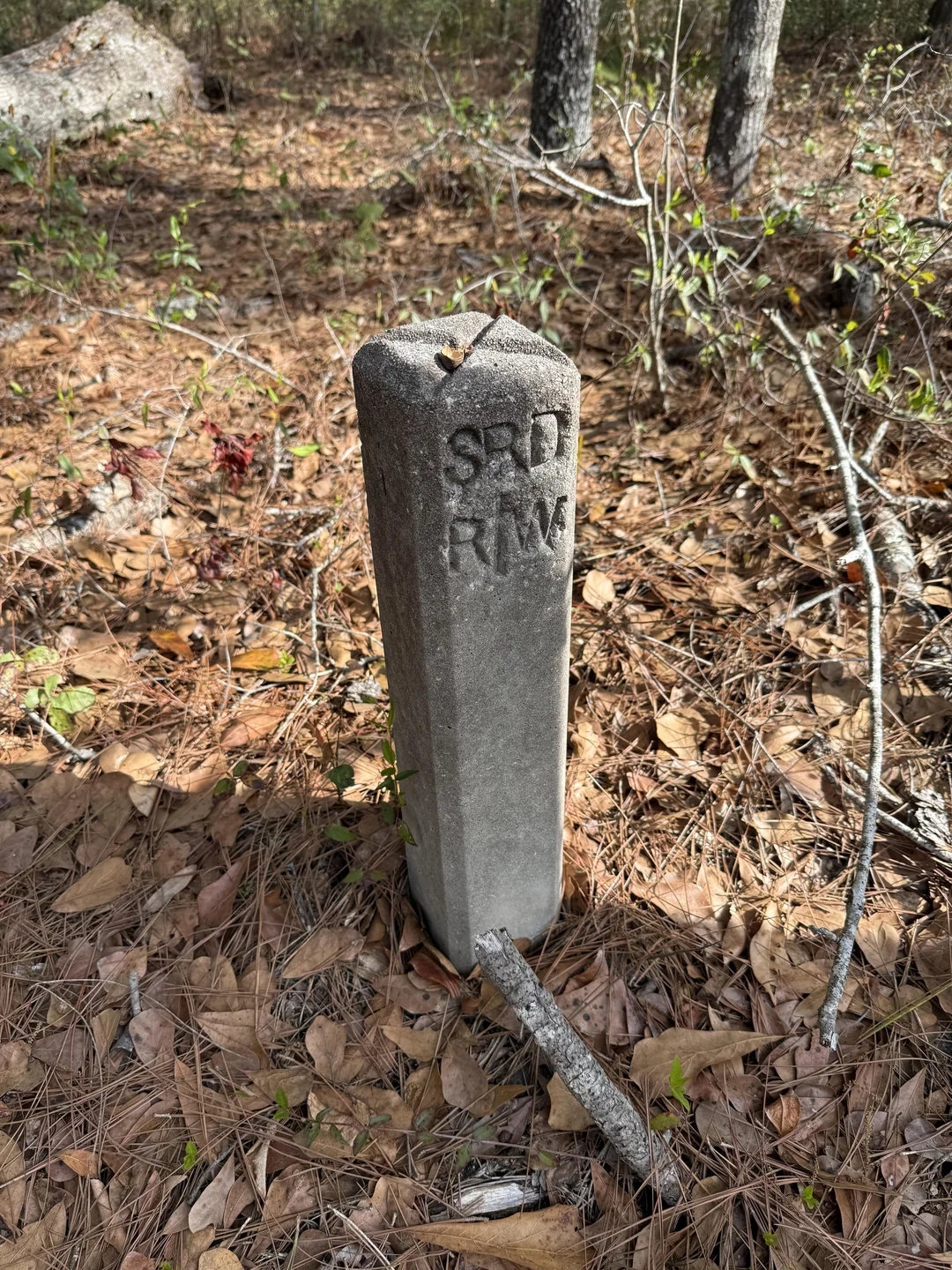
"Property line marker. SRD = state road department (old name for what is typically a department of transportation today), and R/W = Right of way. There are likely others of these along the path of an old road."

"Soviet-made manometer operating in the gravitational metric system. It's not kg/cm2, it's кгс/см2 - russian spelling of kgf/cm2, i.e., kilogram of force (see here), and the OTK on the back is the Russian equivalent of QC (Otdel Technicheskogo Kontrolya — the department of technical control)."

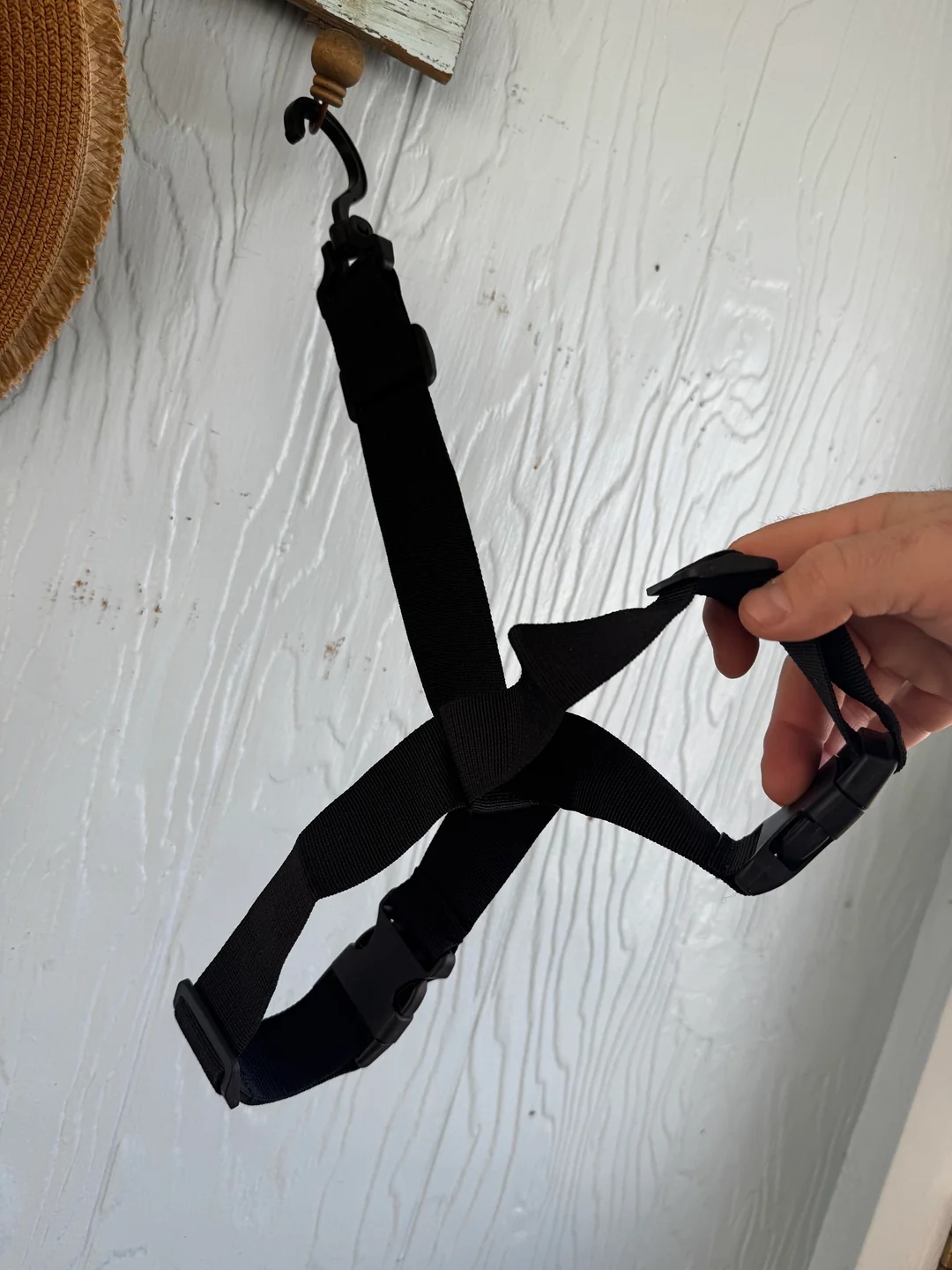
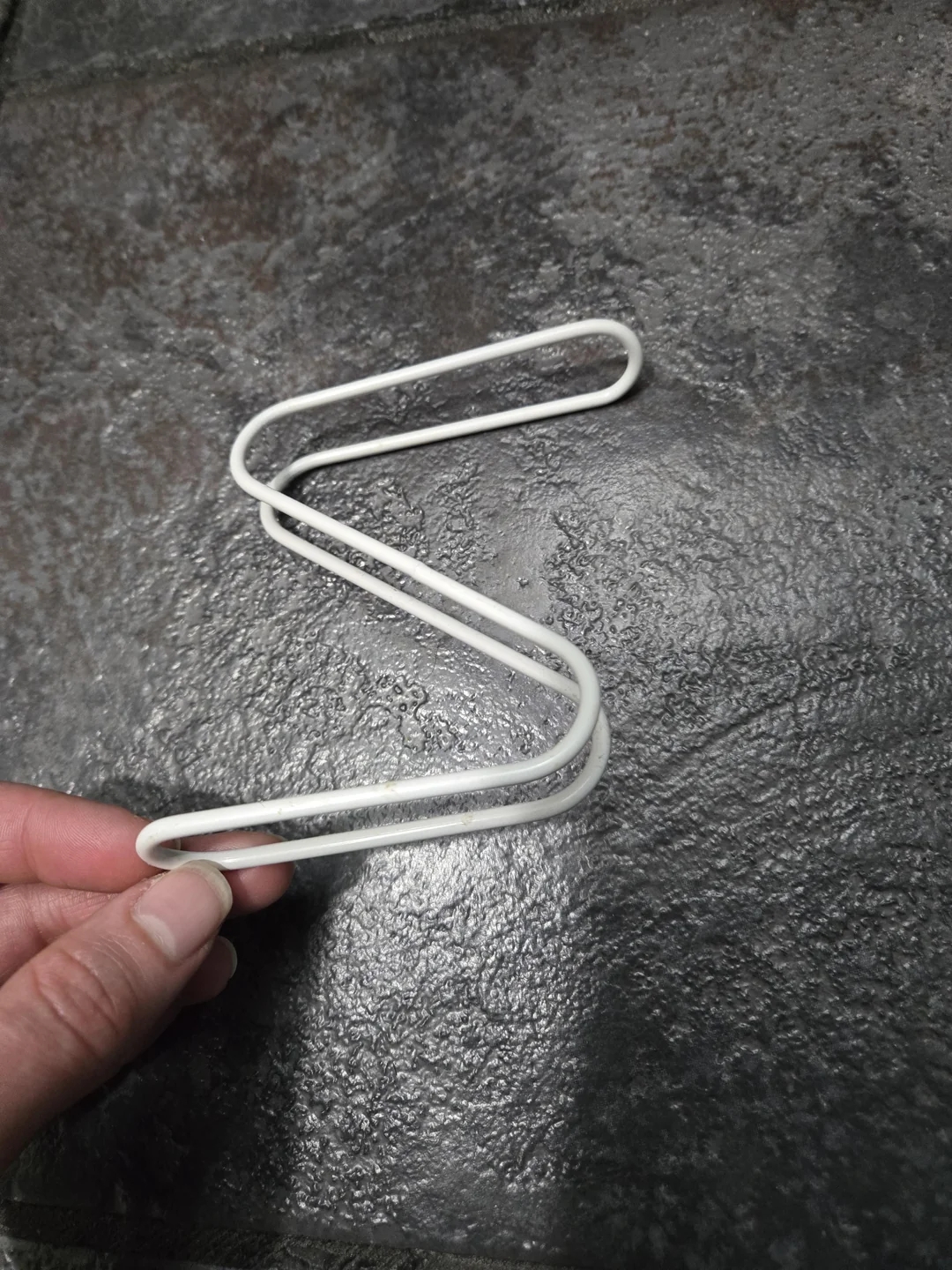
"It's for drying a pair of waders. The two loops go around the boots, and then you hang the waders upside down from the hook."

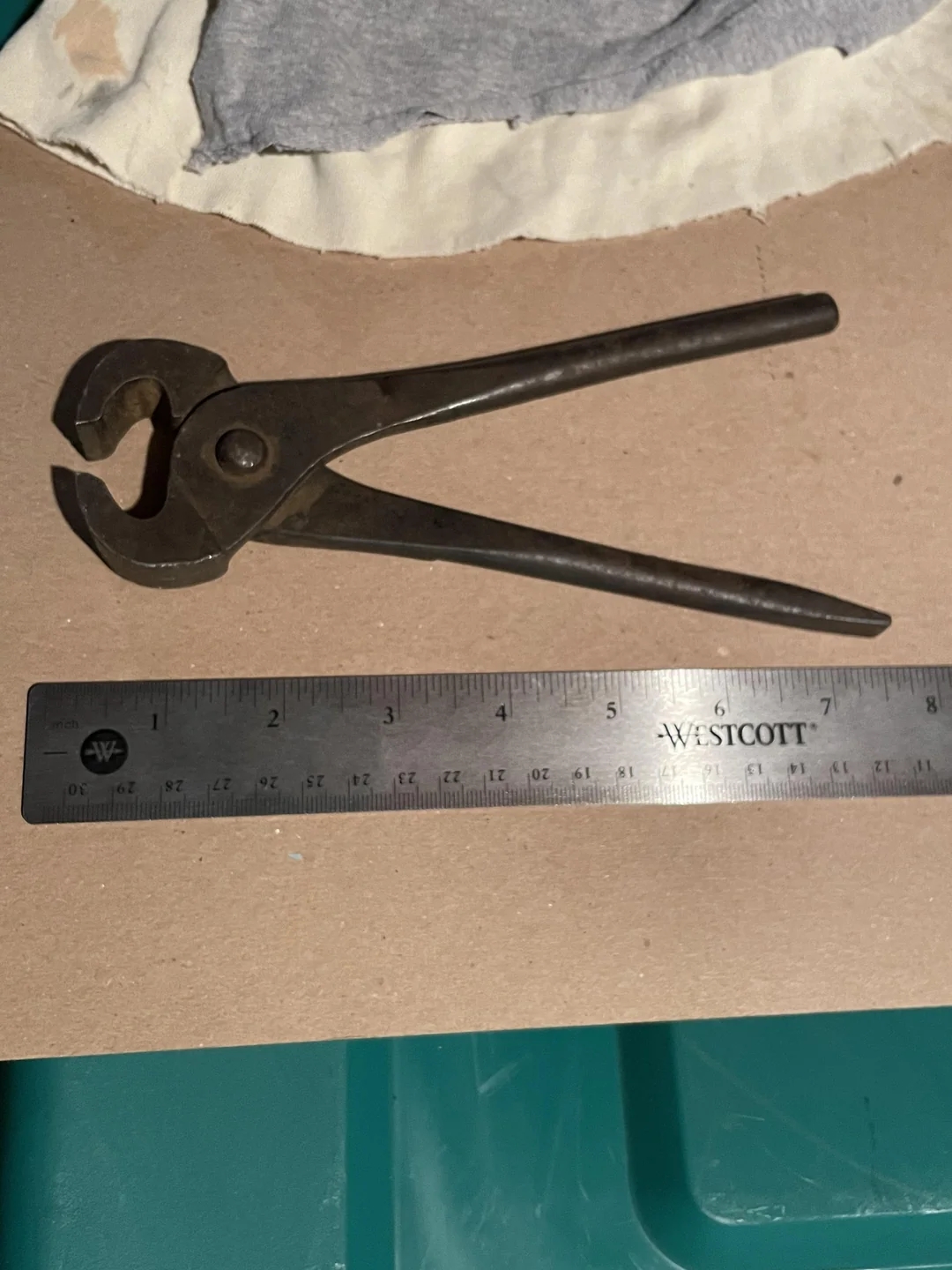
"That is for pulling the nails out of horseshoes."

"It's a farrier tool called horseshoe pliers, also sometimes called a hoof nipper or horseshoe puller, used when shoeing horses."

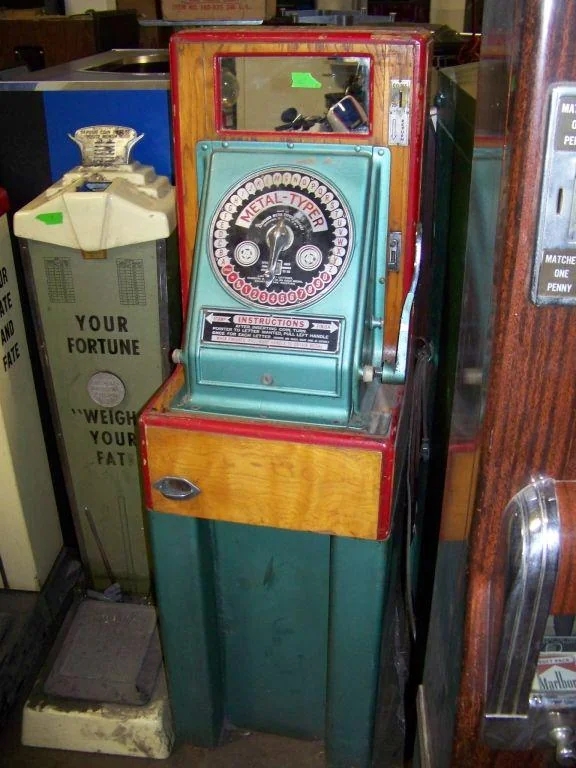
"You used to be able to get these out of vending machines. You could personalize them, and they came on a chain to wear for good luck. If I remember right, they were made out of aluminum. Our old Woolworth's had a vending machine where you could make them."

"My parents got these made while on a date to Disneyland early on in their relationship. They'd gotten separated (this was LONG before cell phones) and decided to just wander until they found each other again.

My dad found a machine on Main Street where you could customize these. He made one for my mom that said, "I luv u [petname]."

When he found my mother again, he presented her with his gift... and she gave him one back that had the exact same inscription! They both still have them like ten million years later!"

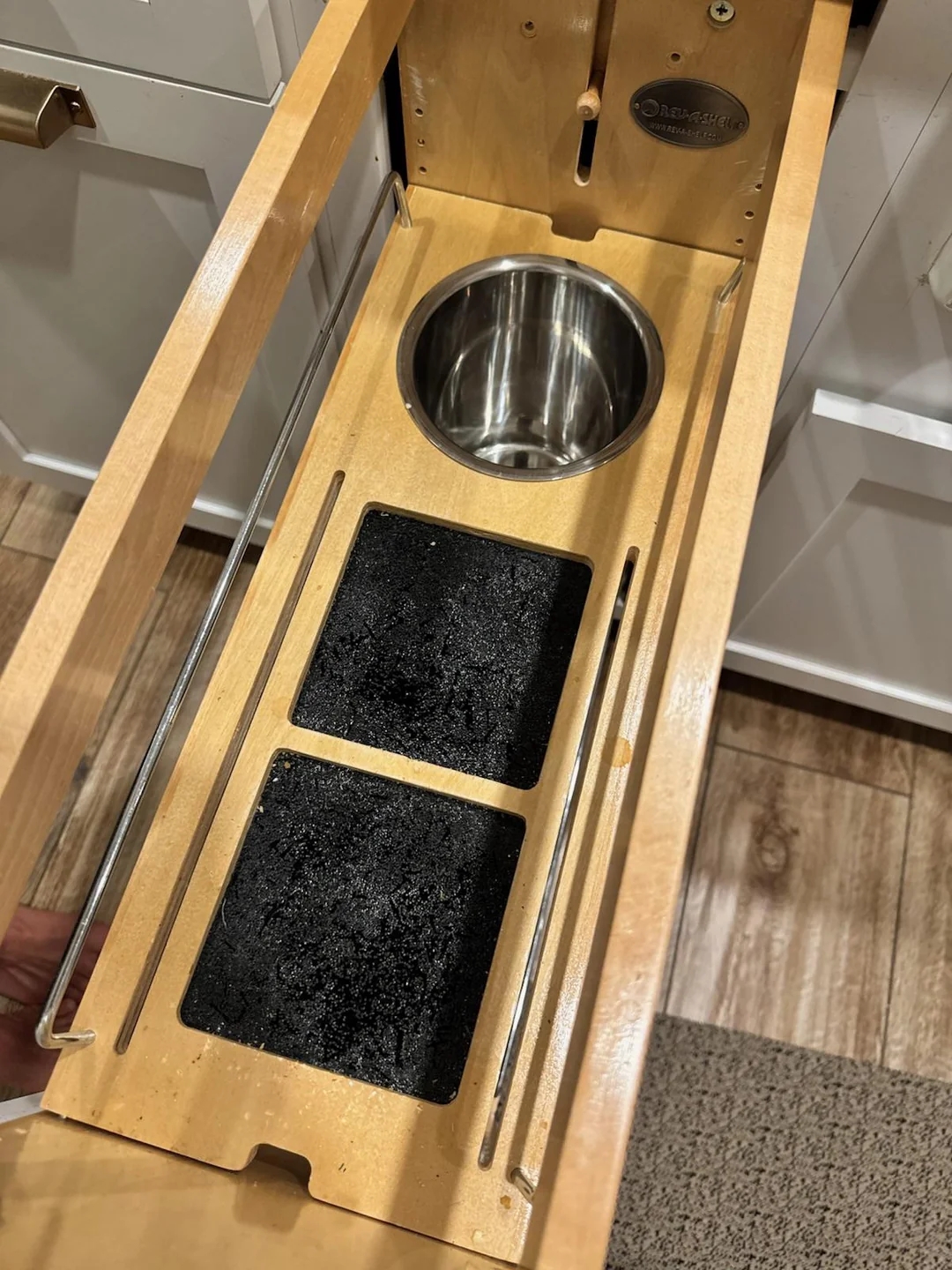
"The black vertically aligned plastic rods are a universal knife block. You can just stab all of your knives in there for storage. I don't know what the other thing is for, probably storing bulky cooking utensils like ladles, spatulas, and wooden spoons. The kind of stuff people keep in little containers on their counter sometimes."

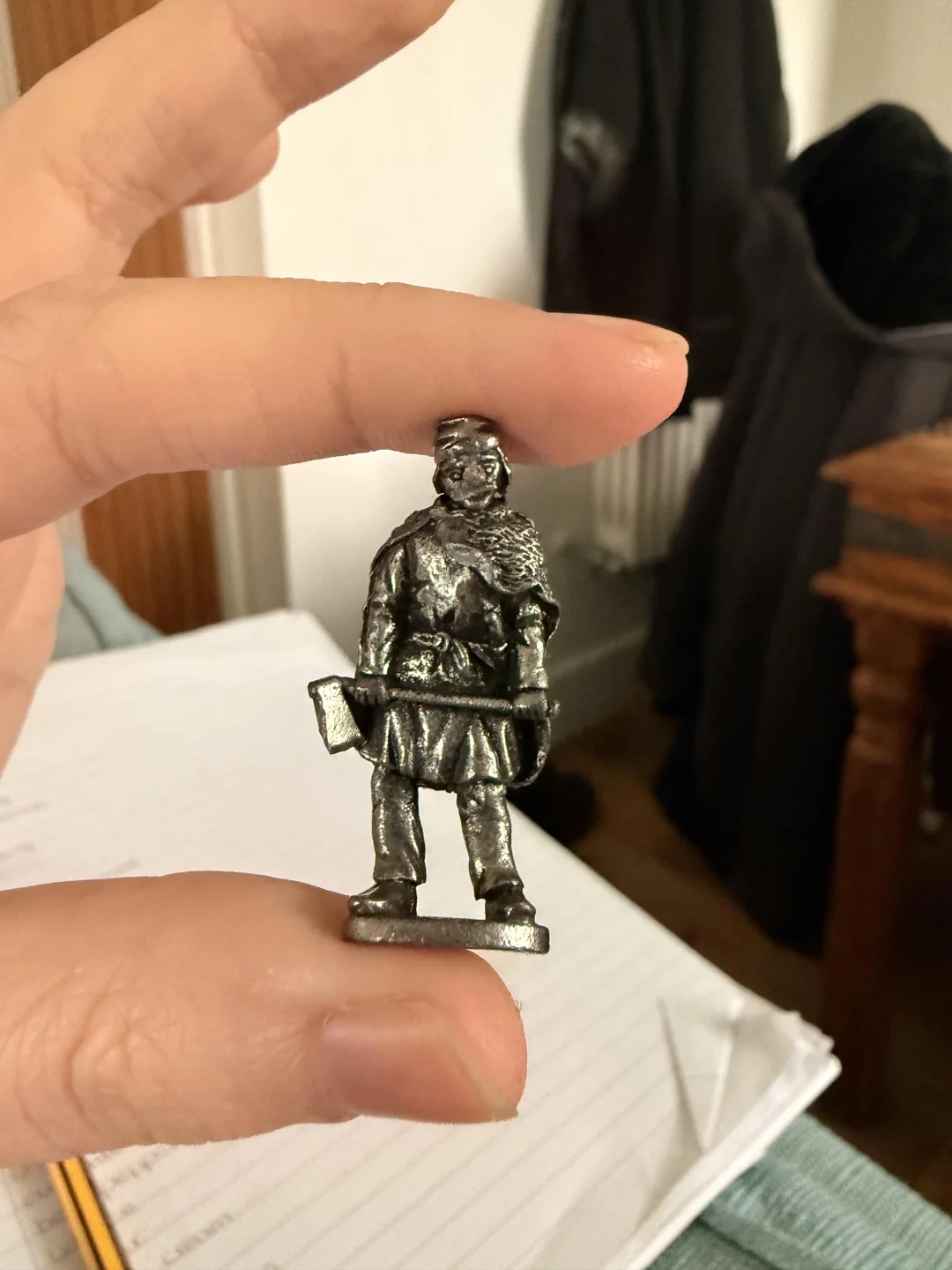
"Wow, I never thought I'd see this ever again! I had this exact same little miniature as a kid. My mum bought it for me from the Jorvik Viking Centre in York [UK] in the '90s, and it was part of a set."

"There was a part of Jórvík where you minted your own coin with a big hammer. An archaeologist called Bone Jones told me they had to start only minting them on one side to tell that they were from Jórvík.

So many kids had been losing them in the garden; parents would dig them up later and, believing they had found a real Viking coin, rush down to the local museum. This helped them ID that they were a modern-day souvenir."

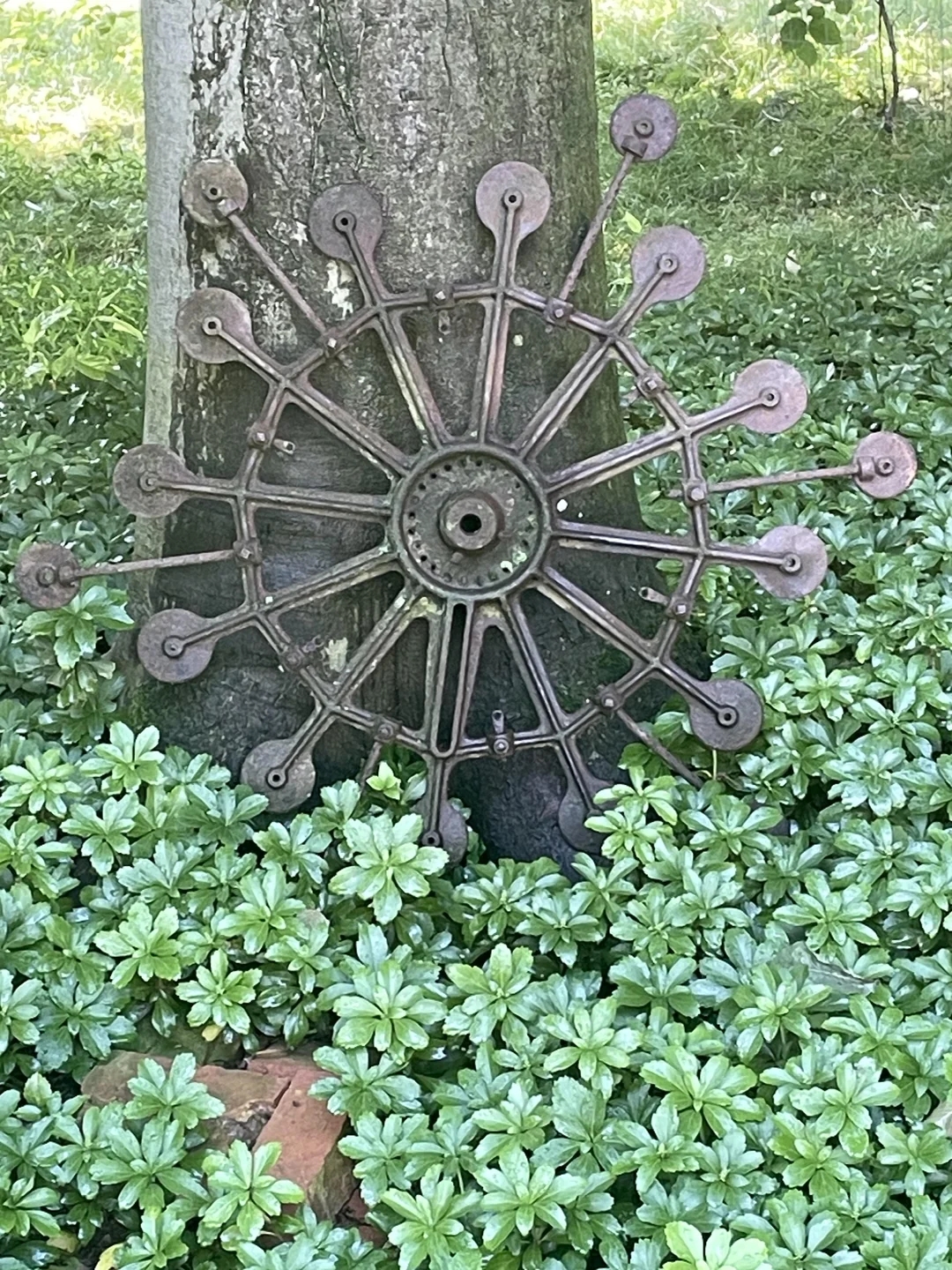
"That's an industrial dipping spider (aka balloon manifold) from a vintage latex dipping machine, probably early-to-mid 1900s.

These turn up fairly often as 'mysterious industrial relics' in places like Ohio and Pennsylvania, basically anywhere with old rubber/glass manufacturing history. They're heavy as hell (cast iron) and outlasted the factories they came from, so now they live their second lives as weird lawn art or creepy forest finds.

The arms are all different lengths on purpose, so the molds hanging off them could pack in tight without bumping into each other while spinning. The discs at the end of each spoke were mounting points for porcelain forms shaped like balloons, gloves, finger cots, whatever. The ring of small holes around the center is where it was bolted to a motorized shaft or flange.

How it worked: the whole contraption would rotate and dip into a vat of liquid latex. Spin, dip, coat, repeat. Very simple, very effective, very industrial revolution.

Congrats on finding a 100-year-old piece of balloon manufacturing equipment just chilling in the woods."

"It’s from this giant spiderweb Spirit Halloween sells. It hooks into the gutter, and you hang the web from it."

The original poster, TotalPomegranate8391 replied, "Solved! We have that web! It's put away with the rest of the decorations, but this little guy must've escaped!"

"Wow. Just, wow. It must have felt AMAZING to nail that. I'm a little weirded out by how happy this makes my soul."

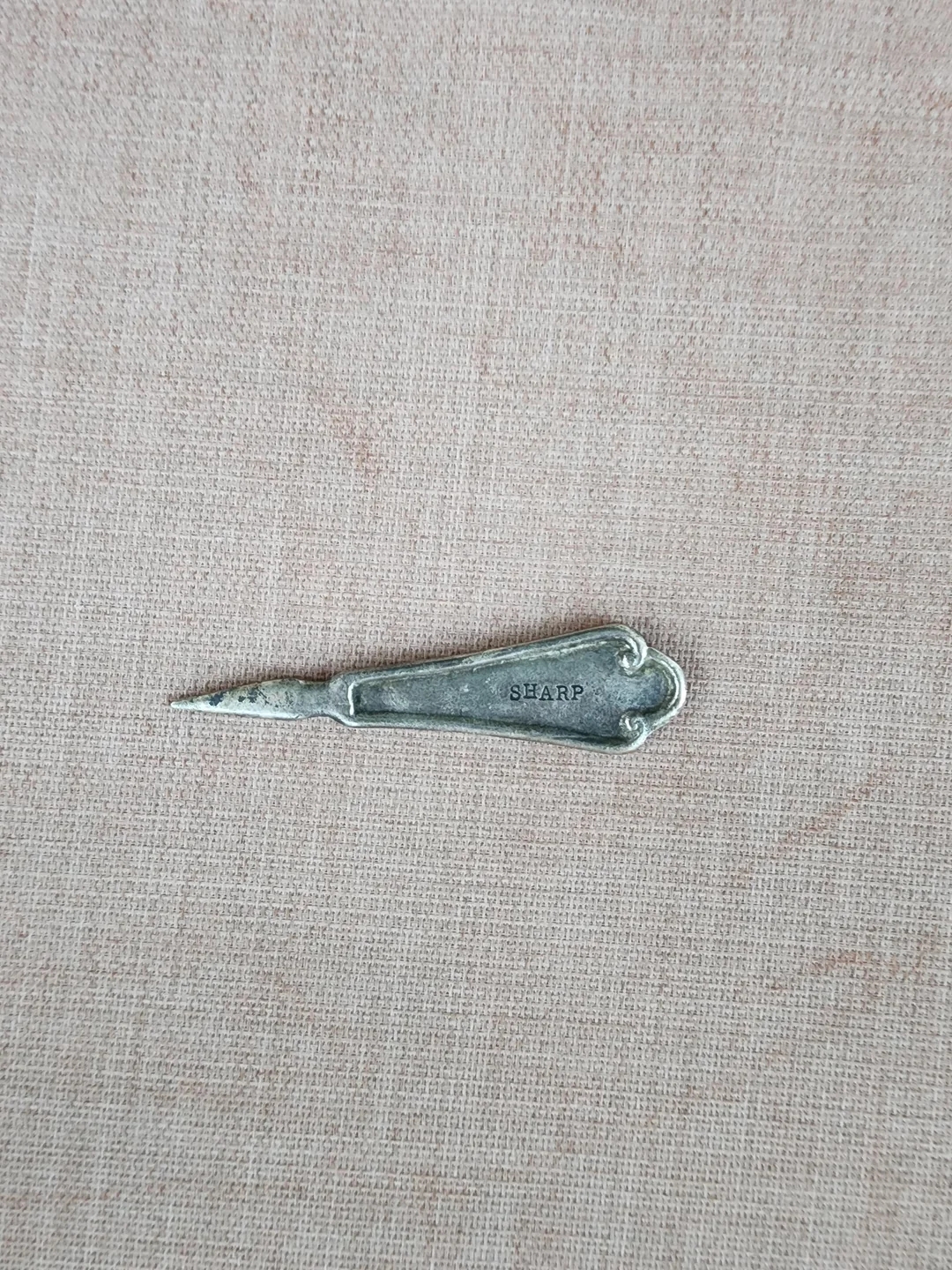
"It’s a cheese marker for a charcuterie board, probably made from old flatware."

"Agree, marked 'sharp' as opposed to 'mild.'"

"Perfume jar. I used to see this kind in hippie shops. Here's an example."

"This is the answer. It’s a natural solid perfume. I used to buy these as a teenager all the time. They always smelled nice and came in beautiful carved jars. It’s usually made with coconut oil or shea butter and natural oils for the scent. I had a cinnamon one that smelled lovely!"

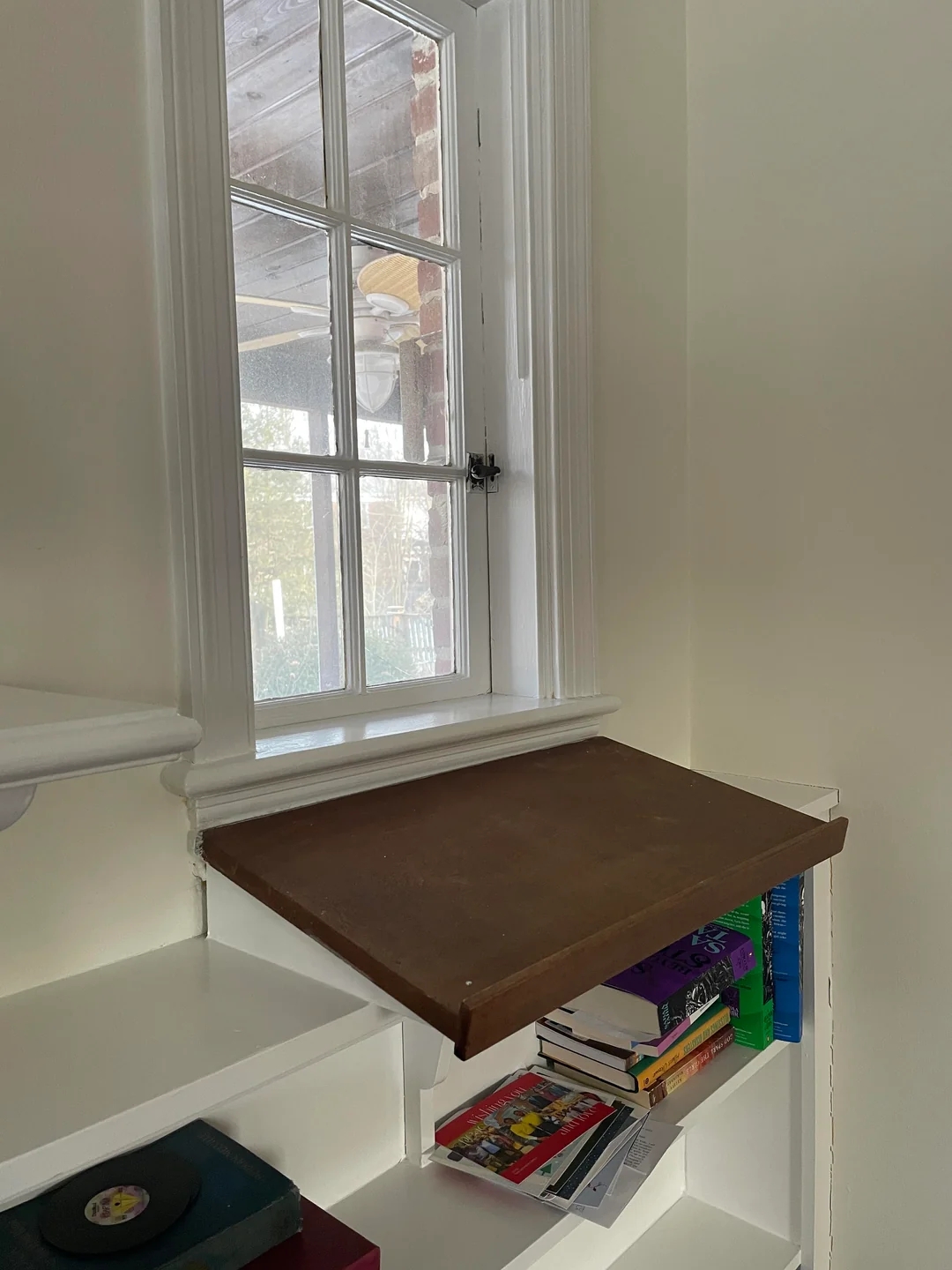
"My guess would be a place for a heavy, large book, a family Bible, or a dictionary."

"This is a book stand. It's for holding an open book that is frequently consulted. It either holds a dictionary or a Bible, depending on who lives there."

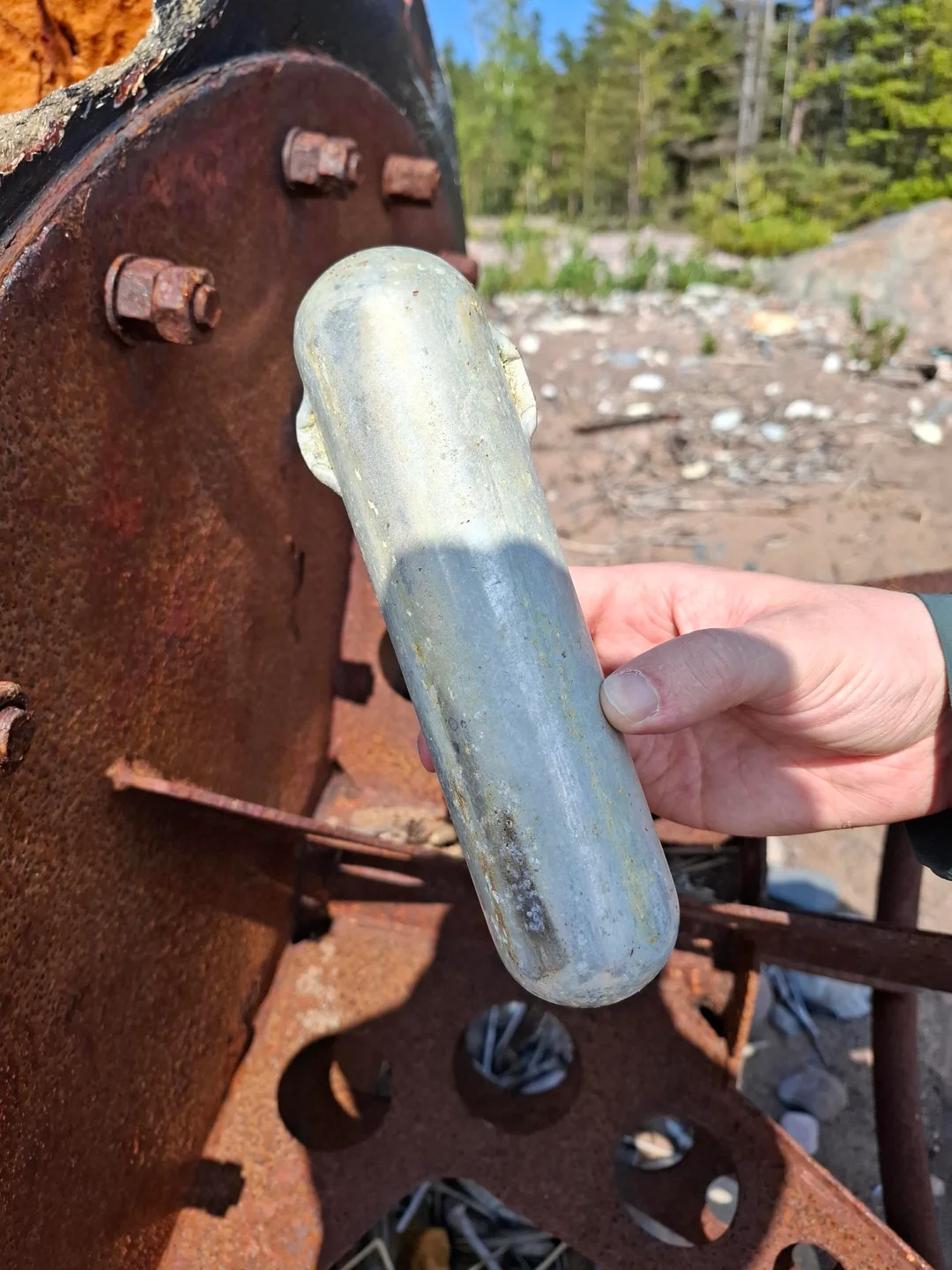
"Float for a level gauge, I think. The magnetic bit turns some indicators on the side of the gauge to make it easier to read. Similar to this."

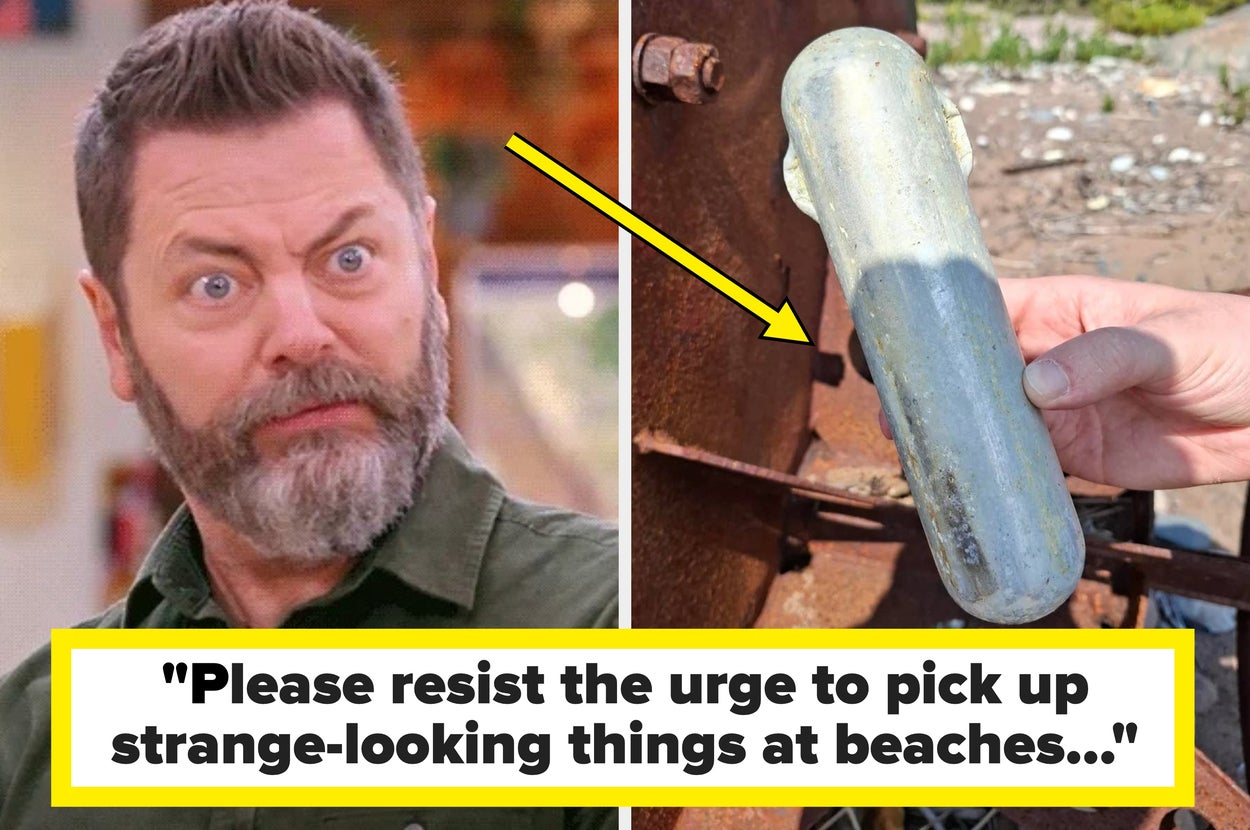
"If you're still at the Baltic Sea, please resist the urge to pick up strange-looking things (especially rocks) at beaches. After WWII, tons and tons of old ammunition were dumped in the Baltic Sea, especially by the German military, and old ammunition often washes up on Baltic Sea beaches. There are numerous cases of people getting hurt because the 'rock' they picked up and put in their pocket was white phosphorus that burst into flames as soon as it dried sufficiently. Doesn't help that white phosphorus looks a bit like amber. Here is an article detailing the problem. Be careful out there while enjoying your holiday!"

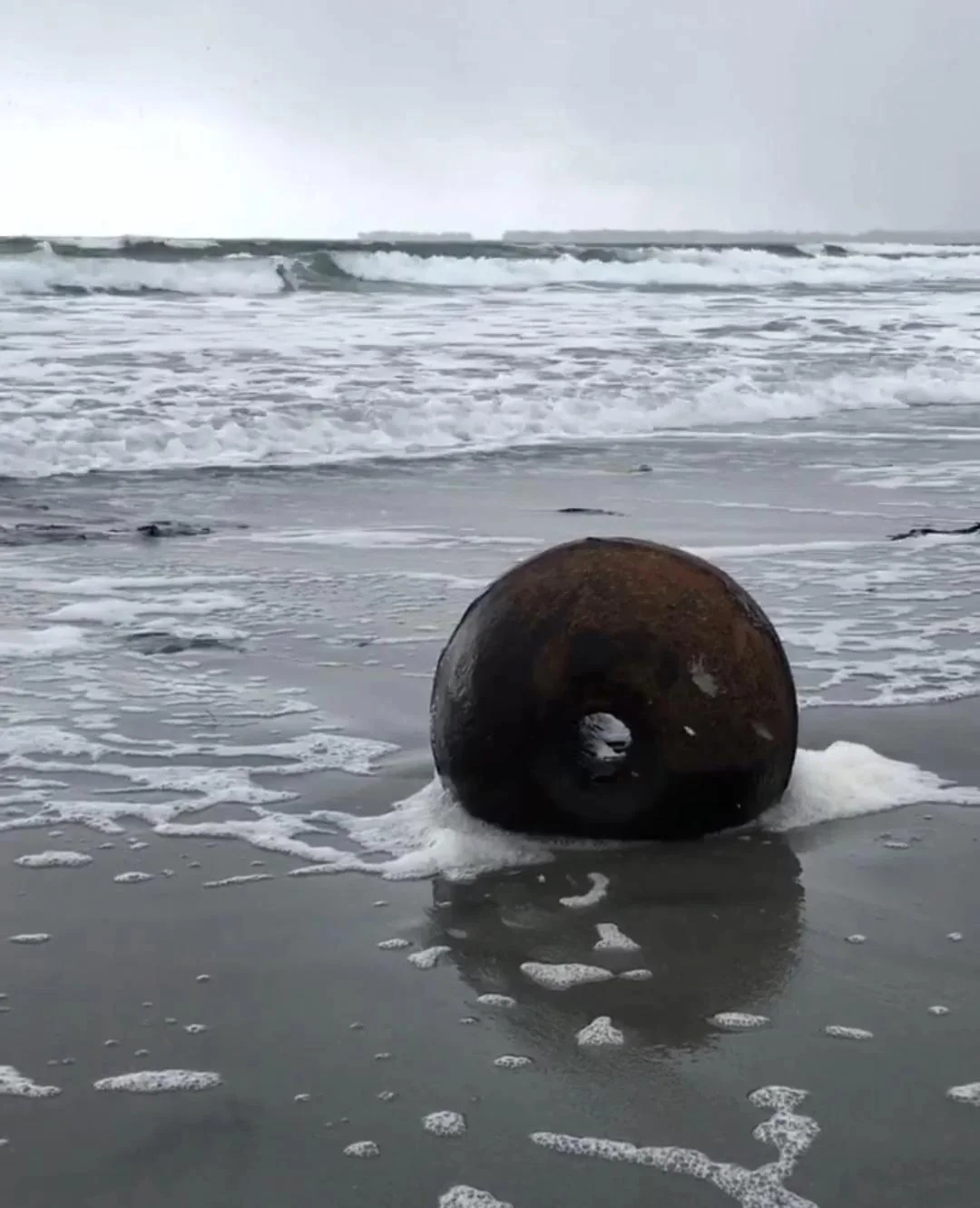
"It’s from the bottom of a trawling net, that part rolls along the ocean floor and helps the net stay open on the bottom."

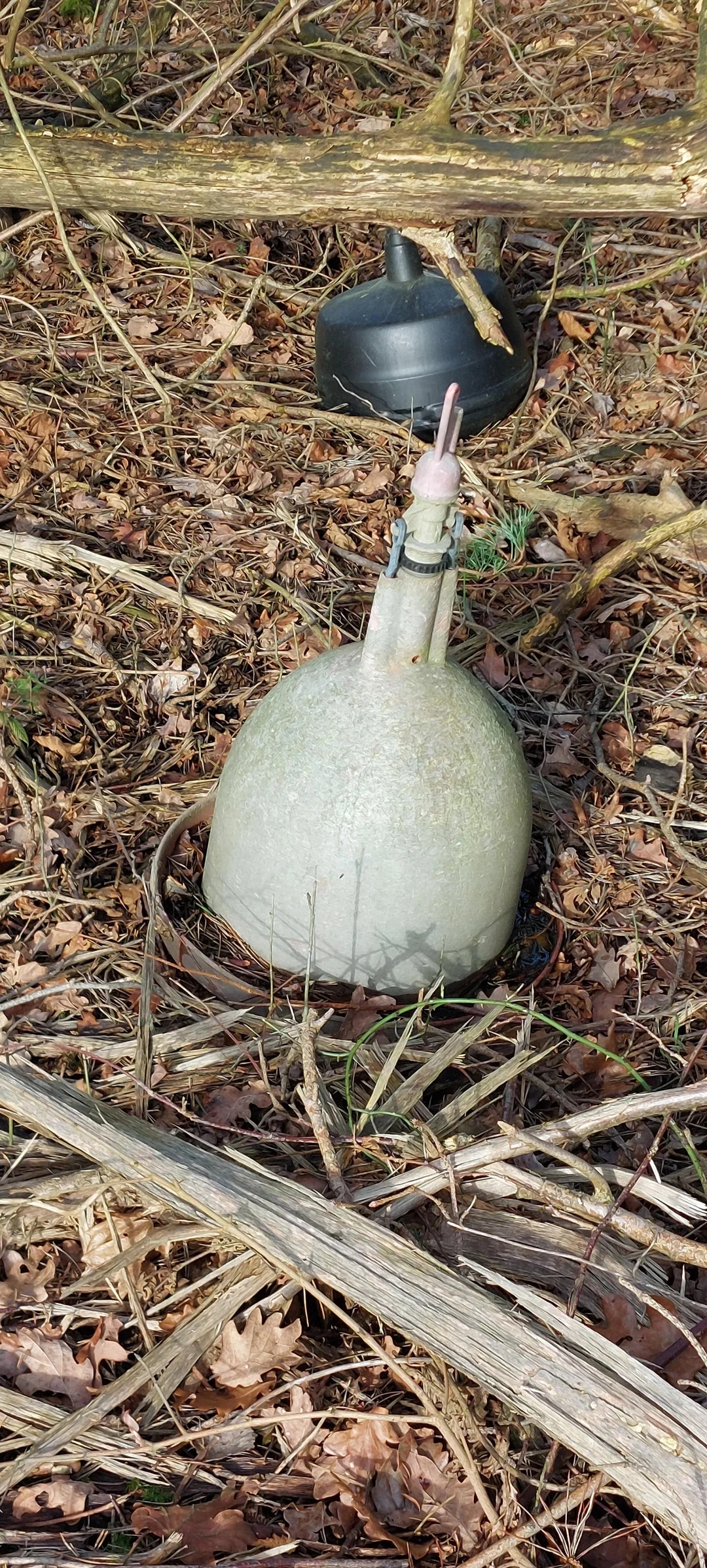
"Similar to this A-041 bell drinker. It's for chickens to drink from, and automatically tops up the water."

"EOD [Explosive Ordnance Disposal] tech here. Paused 'cause I first thought I saw a PROM-1 or other type of bounding frag mine. Glad to read it is just for hydrating cocks."

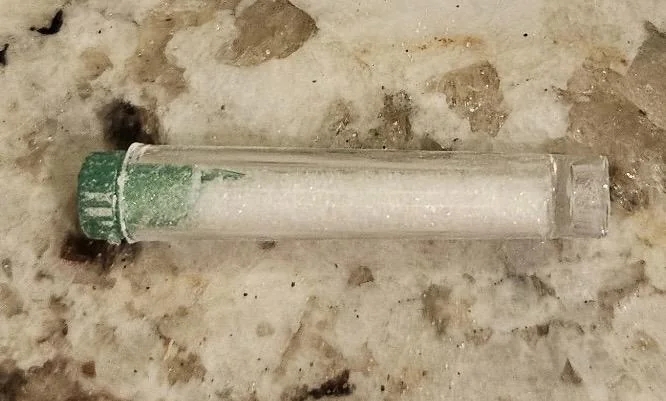
"It’s vanillin powder. You can buy it in Asian markets around me, and I’m sure other places also — I haven’t found it in our normal grocery store."

"That's vanilla powder or vanillin crystal. Pretty common around Asia. Artificially made, but a chemically pure main substance of vanilla flavor."

"Adding on, that Serratia marcescens is a gram-negative bacteria and should be taken seriously. Once it is established, this bacteria can be difficult to eradicate, and a bleach-based disinfectant is necessary. Don’t mess around with it, as S. marcescens is part of a trend towards increasing antibiotic resistance and a narrowing of treatment options."

"Those get nailed into logs for floating."

"It's a dog. Used these all the time when I was towing log rafts in the Puget Sound."

"You can find them by the dozens in the rivers. These are just the ones I’ve kept from magnet fishing the Willamette."

"Looks like an old peeler. My grandmother has two like that, but they have been sharpened so many times that the gap in the middle is wider."

"It's a peeler. It's supposed to flip out and be used as a knife or folded up as a double-sided peeler."

"I got it! It’s an antique, 1880ish black powder spout. The lines/cuts in the tube match the physical stopper to limit black powder flow through the spout. See a similar one here."

"A stand to hold two wash tubs for laundry and a center piece to hold the wash board for scrubbing."

"Vent cover for a camper furnace outlet to keep insects out."

"This is the answer. RV repair tech here."

"Yarn stitch holders. Here's an example."

"They’re for putting your stitches on hold. For example, if you’re knitting a jumper in the round and you need to take some stitches off your needles for each underarm, you’d put them on those large pins and close them so they’re held secure until you need them."

"Oooh, I know this one! Popcorn bowl. The unpopped kernels fall through the holes."

"Japanese tomb sculptures called "Haniwa." Historically placed on burial mounds during the Kofun period (approximately 300–552 CE)."

"Haniwa are generally much larger — these look like they’re maybe 1” tall? I imagine these were made as replicas or miniatures for tourists. ALSO, I am no nature scout, but I’m pretty sure taking things from nature is bad taste and bad luck."

"Concur that these are likely reproductions — to be specific, clay bells made in the shape of miniature haniwa heads. The holes at the top of each, plus the slit with a clay bead inside, would suggest this. Clay bells like this are really common as souvenirs in Japan, in my experience, and often are shaped like something that is locally famous."

"The wooden ones were made of Bamboo during WWII to save metal for the war effort. By the way, you are supposed to change the needle every time you play a record. The needle was supposedly softer than the record, ensuring the needle would be the wear item, not the grooves in the record."

"The green things are incense. The flower is an incense holder. You stick the end of stick incense into the center of the flower."

"This is an Aqara vibration sensor. People use them to detect when the washing machine has finished running. It connects over Zigbee to a smart home system."

"It’s storage for oranges, apples, and the like — one of the more stylish ones."

"Apparently, these are candle adapters."

"Pretty sure they're supposed to be dibblers for bulb planting, but I've mostly seen them used for garden border corner posts or planting string guide posts. You stick them in the ground with a string to make straight lines for your rows, digging plots, etc, and/or leave them at the corner of borders so when you yank an electrical extension cord, it doesn't damage your plants."

"I think you just nailed it. These are for planting bulbs."

"I think it's a kakebari (or 'third hand' in English). You would attach a thread to it through the hole, put a running stitch through your fabric, attach the kakebari thread, and the kakebari would hold your fabric taut for you. I suspect there is a slot in that area that you can use to hold the peg upright securely. It will be about the same depth as the damaged paint on the end of the peg."

"My House Built In 1938 Had 2 Of These": 31 "Bizarre" Objects That Had Everyone Completely Stumped Until The Internet Solved The Mystery

"This Has Been Bugging Me For Over 10 Years": 23 "Bizarre" Objects That Had Everyone Completely Confused Until The Internet Solved The Mystery

"Don't Breathe That Stuff In": Some People Are INCREDIBLY Lucky The Internet Identified These Random Objects They Found
Comments
You must be logged in to comment.