bbc Press
Why is MenB vaccine not given to teenagers in UK and should they be offered it?
Images
1 / 8

2 / 8
3 / 8
4 / 8

5 / 8

6 / 8
7 / 8
8 / 8
Five new cases of meningitis have been confirmed in Kent, bringing the total to nine, with 11 others suspected of having the disease, the UK Health Security Agency says.

A targeted vaccination campaign for students in the area is due to start on Wednesday.

It comes after two young people's deaths in Canterbury. A number of students are being treated in hospital with the illness.

Meningitis B, known as MenB, is the strain of bacteria behind the outbreak.

Babies have been offered a vaccine against MenB since 2015, but most of the UK's current generation of older teenagers and university students have not had it, as the jab was not available when they were born.

UK advisers decided against running a widespread catch-up campaign to vaccinate teenagers, but some parents have tried to buy the jab privately.  Who is right?

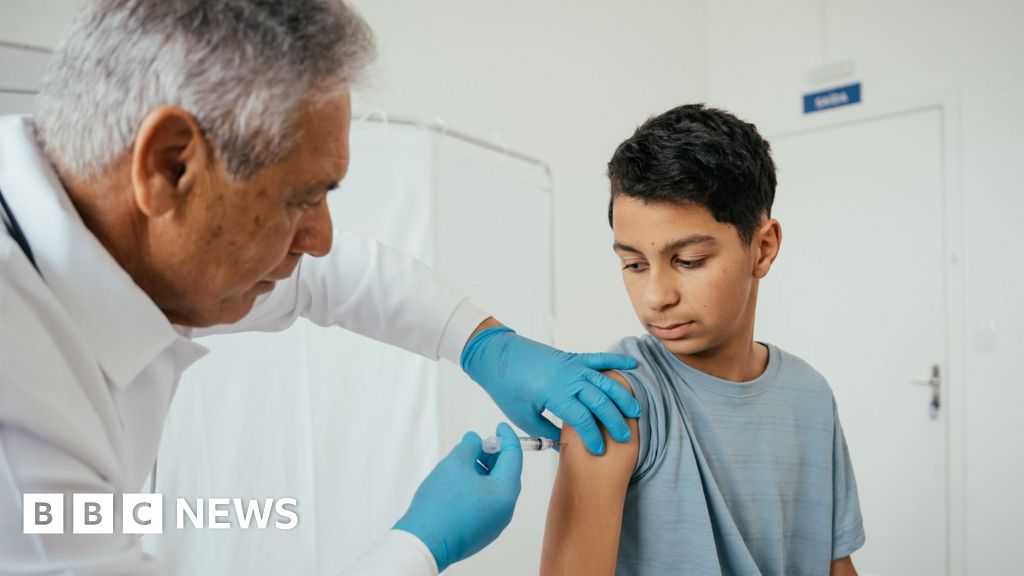
Teenagers are currently offered a separate meningitis vaccine - the MenACWY vaccine - which protects against some other strains, but not MenB.

Given the severity of the situation in Kent and as an extra precaution, vaccinations are being given to students living at Canterbury Campus Halls of Residence at the University of Kent. You will be contacted if you are part of this group.

Health authorities will expand this targeted vaccination programme if needed.

In general, vaccines are not the first line of defence in an outbreak of this kind - antibiotics are the priority for close contacts of those who are ill.

"The problem with vaccination is it doesn't protect you immediately and it takes some time after vaccination for the immune response to kick in," said vaccine expert Prof Andrew Pollard.

Generally, it takes a number of weeks to get the fullest protection from a vaccine and can require booster doses.

Antibiotics are the most effective way to stop the spread of the disease, and are currently being offered to thousands of close contacts of people who are ill.

The antibiotics can work to eradicate the bacteria in the throat, for example, and help prevent it spreading.

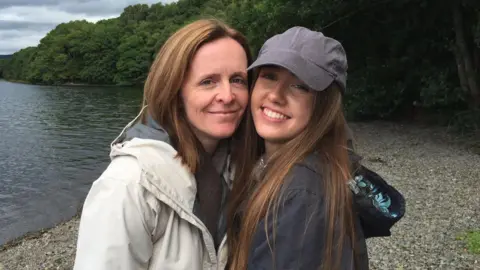
Helen and Lee Draper's daughter, Meg, died last October from meningitis B while at university.

They say they would have paid to have her vaccinated privately "in a heartbeat" and said it was devastating to hear more students were losing their lives to the illness.

Lee said parents needed to be made aware that the meningitis vaccination teenagers routinely get on the NHS doesn't cover them against all strains.

"That's where I think the communication's been really, really poor over the years," he added.

Helen said: "Megan had called us on the Friday night to say she was feeling a bit lethargic and she didn't really want to go out that evening.

"That rang alarm bells with us because Megan always wanted to socialise.

"She'd gone to bed, she'd woken up in the morning and she was nauseous and had a rash on her stomach.

"She'd contacted me and said I'm going to try and sleep it off. She woke up at 3 o'clock in the afternoon, the rash had spread, she felt worse, her arms and legs were aching and she just felt really unwell, so we advised her to contact 111 to seek medical help."

"We assumed that Megan had had a meningitis vaccination and to us, we sent her off to university thinking that.

"It was after we knew what strain she had, meningitis B, that she wasn't vaccinated against that and we had no idea that she didn't have protection against that."

Meningitis can affect anyone at any time.

The groups most at risk of becoming ill are babies and young children under five, followed by teenagers and young people aged 15 to 24. Babies are offered three doses in the first year of life.

Experts say the case for whether to routinely vaccinate teenagers against Men B is complicated.

It is estimated around one in four teenagers and young people carry meningitis-causing bacteria in the back of their throats.

Many don't get sick, but can spread it to others who may.

While the MenB vaccine is great at protecting infants, it does not work as well in young people.

And while it is called the meningitis B vaccine, it protects against the most common versions of the B strain - but not all.

Even if it is a good match for this current outbreak (which will only be confirmed when the results of very detailed tests are available), the MenB vaccine is not great at preventing that transmission of bacteria between people.

And while protection lasts for several years, it is not considered lifelong, experts say.

Taking all this information into consideration, advisers to the government - the Joint Committee on Vaccination and Immunisation (JCVI), had previously decided the MenB jab was not cost-effective for routine vaccines for teens.

Some with long-term conditions that affect their immunity are offered the jab.

The Health Secretary Wes Streeting has asked the JCVI to "re-examine eligibility for meningitis vaccines" for teenagers and young adults.

One reason why students are most at risk from meningitis is because they come into close contact with lots of people they have never met before when they go to university. They mix in large numbers at close quarters, while sharing kitchens and accommodation.

Older adults can still be affected by meningitis, particularly if they have weakened immune systems.

But the most at-risk groups are young people and babies.

It is possible, but rare, to get meningitis if you are vaccinated. Protection is considered very good in the first few years after vaccination.

Health Secretary  Wes Streeting said  "it's not a surprise" that people are choosing to buy the vaccine privately - but that it's "not necessary".

High street pharmacies offer a full course of two doses for around £220.

The charity Meningitis Now says MenB jabs should be available "at a fair price".

It has been calling for this vaccine to be offered more widely to protect teenagers and young people.

There are several other childhood vaccines that help prevent other types of meningitis.

The MenACWY vaccine offers protection against four types of bacteria that can cause meningitis - meningococcal groups A, C, W and Y - and is offered to teenagers aged 14 years old.

While a lot of students affected in the Kent area will be thinking back to the height of the Covid pandemic, this bacteria spreads in a different way to coronavirus.

The bacteria is most commonly found living in the throat, and most people who carry it will not become ill.

It is spread through close contact with secretions from the mouth or airway.

This usually requires close or lengthy contact between people, for example kissing, coughing and sneezing.

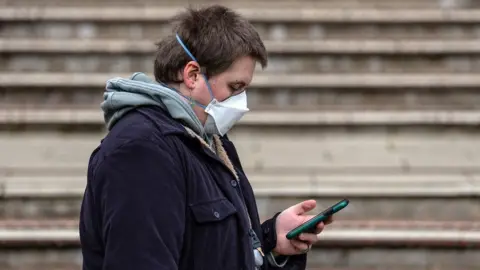
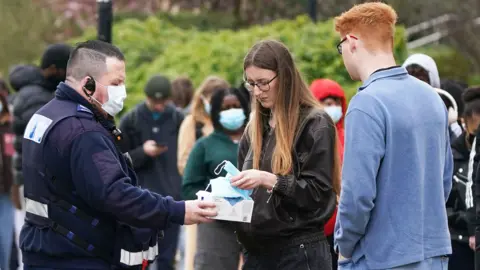
Masks are not being recommended.

Emily Alker was in Crete with friends celebrating A-level results when her symptoms started.

A 16-year-old school pupil is being treated after being diagnosed with a probable case of bacterial meningitis.

A university student describes returning home to Birmingham after a meningitis outbreak in Kent.

Two people have died following an "unpredecented" outbreak of meningitis in Kent.

Questions are being asked about whether the NHS and authorities should have raised the alarm sooner.
Comments
You must be logged in to comment.