yahoo Press
This Strange Bali Sea Creature Isn’t Swimming, It’s Hunting With a Giant Hood
Images
1 / 9
2 / 9

3 / 9

4 / 9

5 / 9

6 / 9
7 / 9
8 / 9

9 / 9
The post This Strange Bali Sea Creature Isn’t Swimming, It’s Hunting With a Giant Hood appeared first on A-Z Animals.

Click here to watch on YouTube

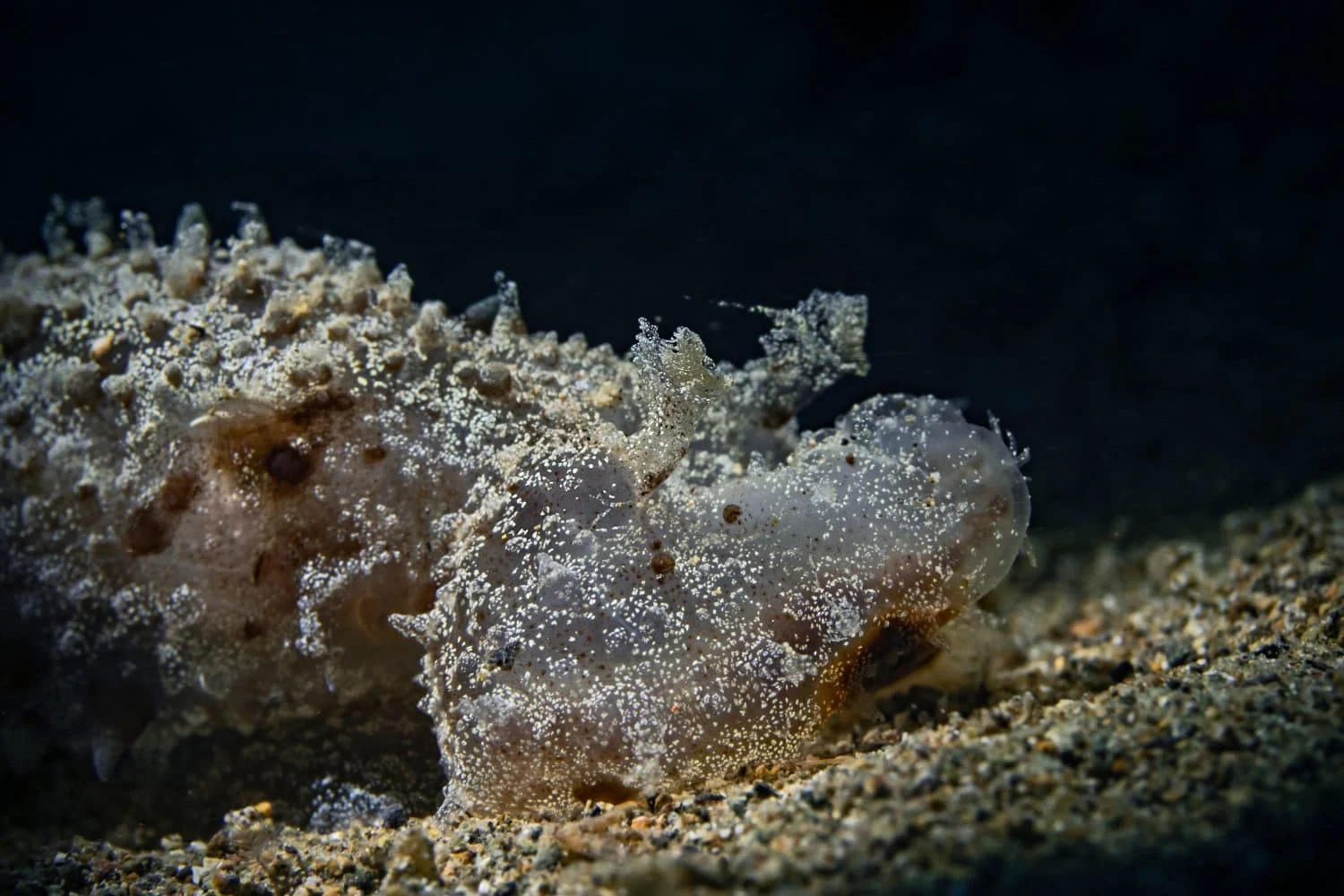
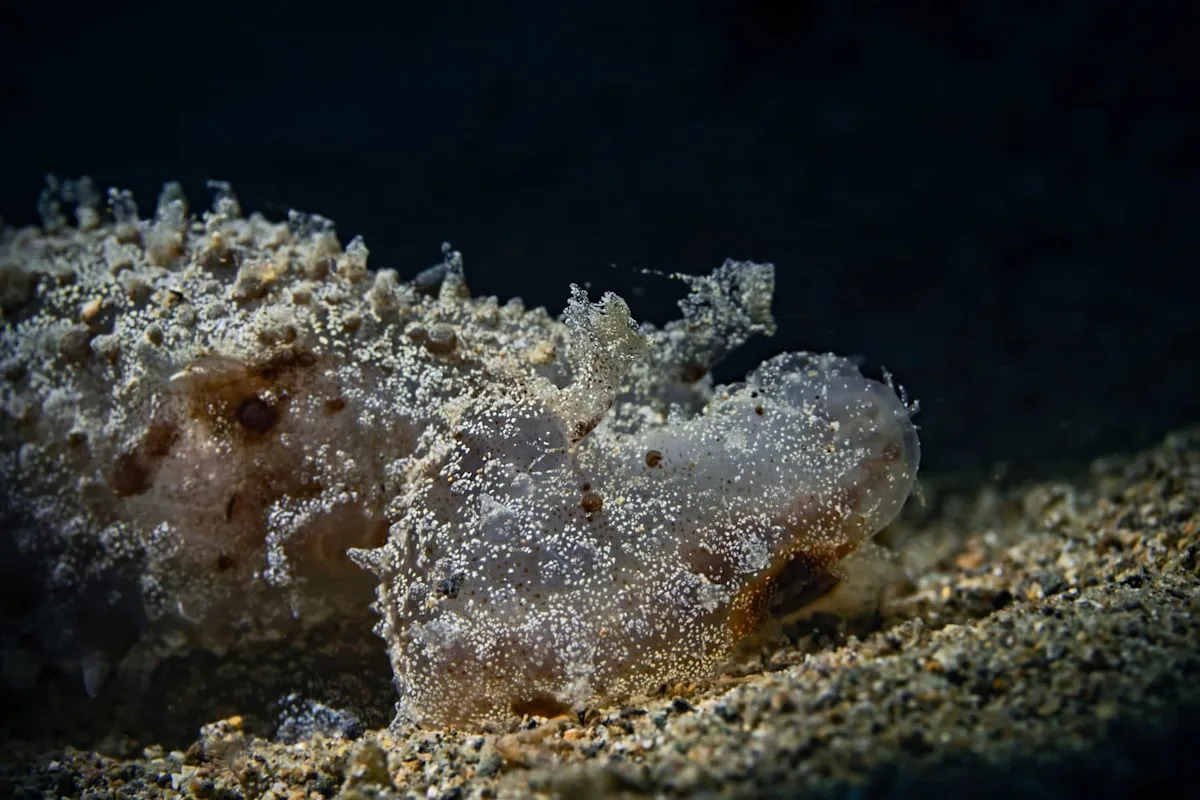
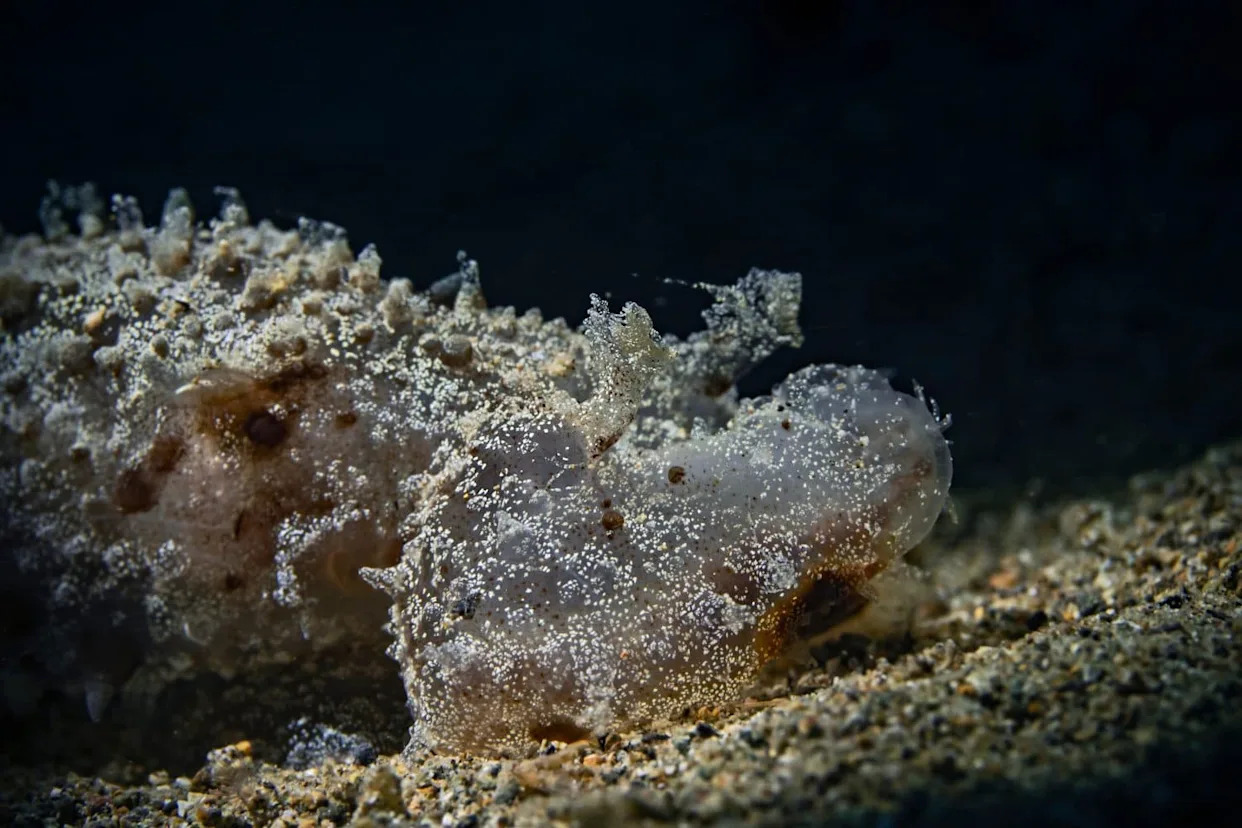
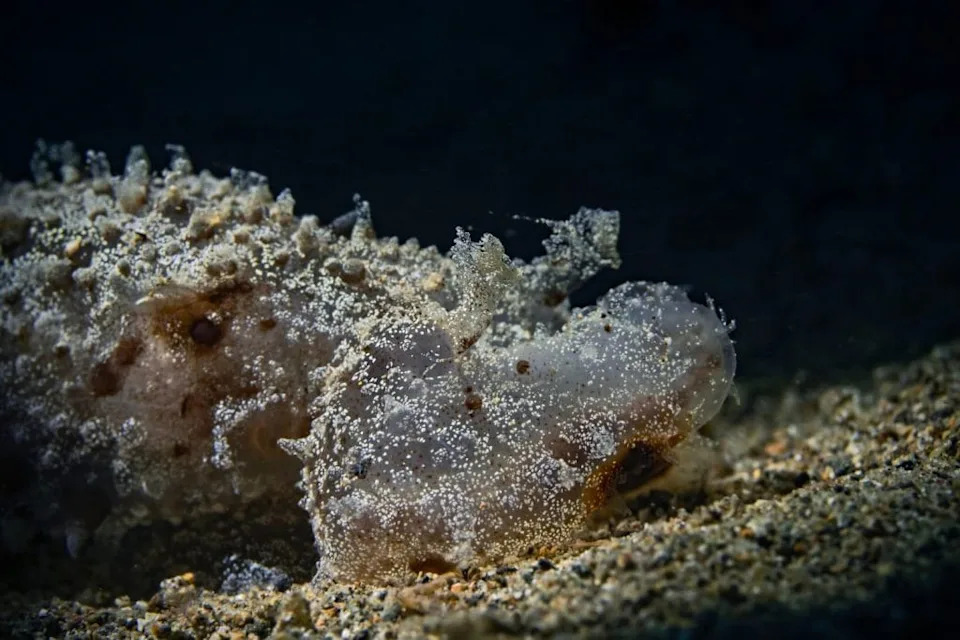
The animal in the video is a predatory sea slug called Melibe viridis, a type of nudibranch found in Indonesian waters.

To feed, it uses a large, expandable oral hood like a net to capture small crustaceans and other tiny prey.

This sea slug usually crawls along the seafloor, and its dramatic opening “head” movement is part of its feeding behavior.

The video above takes viewers beneath the waters off Bali, Indonesia, where a truly unusual marine animal glides across the seafloor. At first glance, it looks almost unreal — soft, translucent, and fringed with delicate body projections that make it seem more like drifting jelly than a living mollusk.

But this bizarre creature is very real. It is a sea slug known as Melibe viridis, a species of nudibranch, which is a shell-less marine gastropod famous for its unusual shape and feeding style. Divers and marine-life enthusiasts are often drawn to nudibranchs for their colors and strange forms, but Melibe viridis stands out even among them for the way it hunts.

The footage was filmed by Emeric Benhalassa near Bali and later shared by Ocean Vizion. The animal shown in the clip has been identified in coverage of the video as Melibe viridis, a predatory nudibranch known for using a large expandable hood at the front of its body to capture prey.

What makes this sea slug so fascinating is that the large, flexible structure at the front of its body is not just a mouth in the usual sense. It is an oral hood, sometimes described as a net or veil. As the slug moves along the ocean floor, it spreads this hood outward and uses it to detect and trap tiny animals. When sensitive structures along the edge of the hood make contact with prey, the hood can close rapidly and trap it.

Rather than feeding on plants, this species is carnivorous. It typically eats small crustaceans, including tiny shrimp-like animals and similar prey living on or just above the seafloor. That means the opening and closing motion visible in the video is best understood as a hunting behavior, not simple grazing.

It is also worth clearing up a common misconception: While nudibranchs are often called sea slugs, not all sea slugs are nudibranchs. In this case, though, the animal in the footage is both — a sea slug and, more specifically, a nudibranch.

While nudibranchs are often called sea slugs, not all sea slugs are nudibranchs.

©scubaluna/Shutterstock.com

The frilly appendages running along its body may look like “tentacle legs,” but they are not legs. They are part of the slug’s soft body structure and help give it its distinctive, almost feathery appearance. Most of the time, Melibe viridis crawls along the seafloor, though it can also move in other ways when disturbed. In this clip, the most striking movement is its feeding hood expanding and closing as it searches for prey.

For anyone who loves strange ocean animals, this footage is a reminder that some of the sea’s most astonishing hunters are not the largest or fastest. Sometimes they are soft-bodied, slow-moving, and almost ghostly, but they’re perfectly adapted to life on the ocean floor.

Click here to watch the video.

The post This Strange Bali Sea Creature Isn’t Swimming, It’s Hunting With a Giant Hood appeared first on A-Z Animals.
Comments
You must be logged in to comment.