yahoo Press
16 Animals That Can't Be Legally Removed From Your Yard
Images
1 / 20
2 / 20

3 / 20

4 / 20

5 / 20

6 / 20
7 / 20
8 / 20
9 / 20
10 / 20
11 / 20
12 / 20
13 / 20
14 / 20
15 / 20
16 / 20
17 / 20
18 / 20
19 / 20
20 / 20
Finding wild animals on your property usually brings excitement or concern. You might want to grab an animal control professional immediately to relocate an unexpected visitor. However, federal and state laws protect numerous wild species from harassment, relocation, or harm. These regulations exist to preserve native populations and keep ecosystems balanced across the country.

Understanding the legal protections surrounding local wildlife helps you avoid hefty fines and legal trouble. Many common backyard visitors enjoy strict legal defense under laws like the Endangered Species Act or the Migratory Bird Treaty Act. When certain animals decide to settle on your land, they gain specific rights to stay exactly where they are.

We will cover sixteen specific protected animals you might find living outside your home. We discuss the legal reasoning behind their protected status and outline what you need to do when they arrive. You will gain a clear understanding of federal and local wildlife guidelines for dealing with these protected creatures.

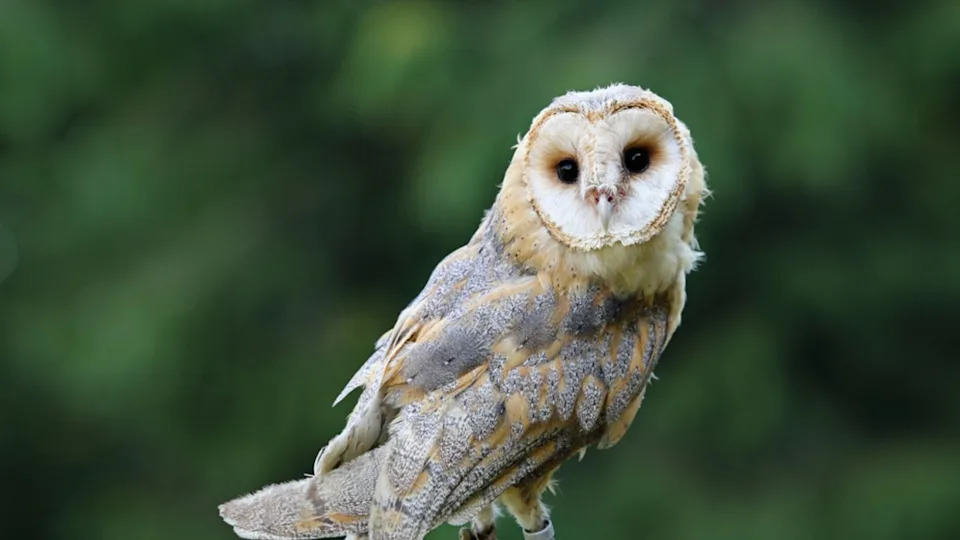
Barn owls provide natural pest control by hunting rodents near homes and agricultural properties. Federal laws heavily protect these nocturnal hunters because their populations have declined due to habitat loss and pesticide use. You cannot remove them or disturb their nesting sites without special permits from government wildlife agencies.

Having a barn owl family nearby actually benefits property owners immensely. A single family of barn owls can consume thousands of mice and rats during a single breeding season. Property owners should appreciate the free rodent management rather than attempting an illegal removal.

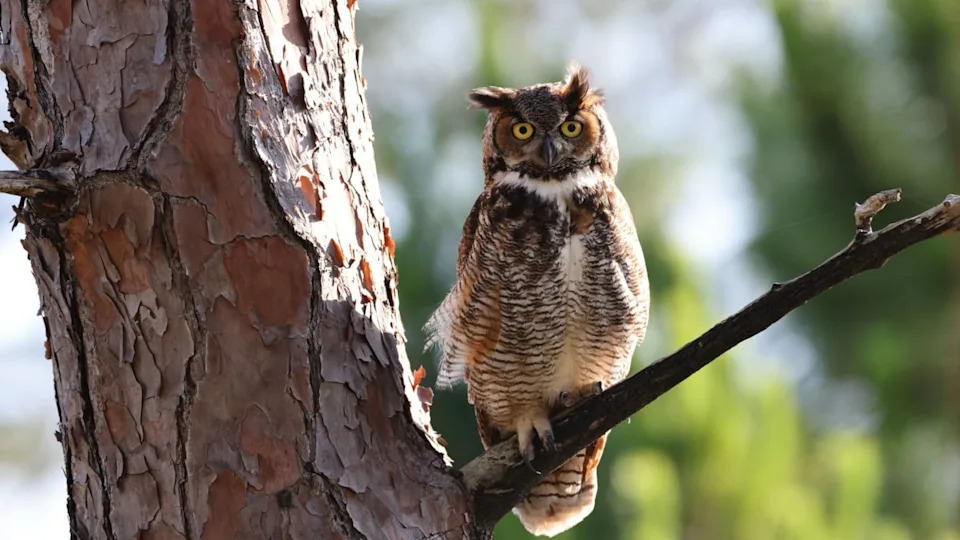
The Migratory Bird Treaty Act strictly protects great horned owls from trapping, killing, or nest disturbance. These large raptors adapt easily to suburban areas and often take over abandoned nests built by hawks or crows. Because they are apex predators, wildlife authorities enforce severe penalties for anyone caught interfering with their breeding activities.

These powerful birds play a crucial role in controlling local prey populations, including skunks and raccoons. If a great horned owl claims a tree in your yard, you must simply wait for the babies to mature and leave. The entire nesting process only takes a few months before the family naturally vacates the area.

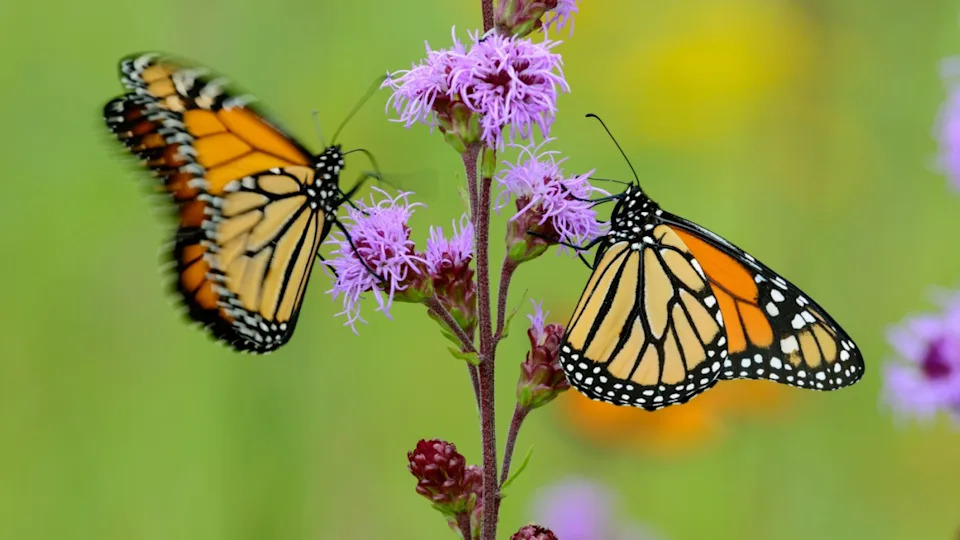
Monarch butterflies hold a special protected status in multiple regions due to severe population drops over the last two decades. Several states classify them as endangered species, making it illegal to capture the adults or destroy the caterpillars. Their reliance on native milkweed plants means property owners cannot indiscriminately spray pesticides near known breeding zones.

Protecting these iconic orange and black insects helps maintain healthy pollination cycles across North America. Watching monarch caterpillars transform into beautiful butterflies provides a fantastic educational experience for families. Leaving their native host plants alone guarantees these delicate creatures can complete their impressive annual migration safely.

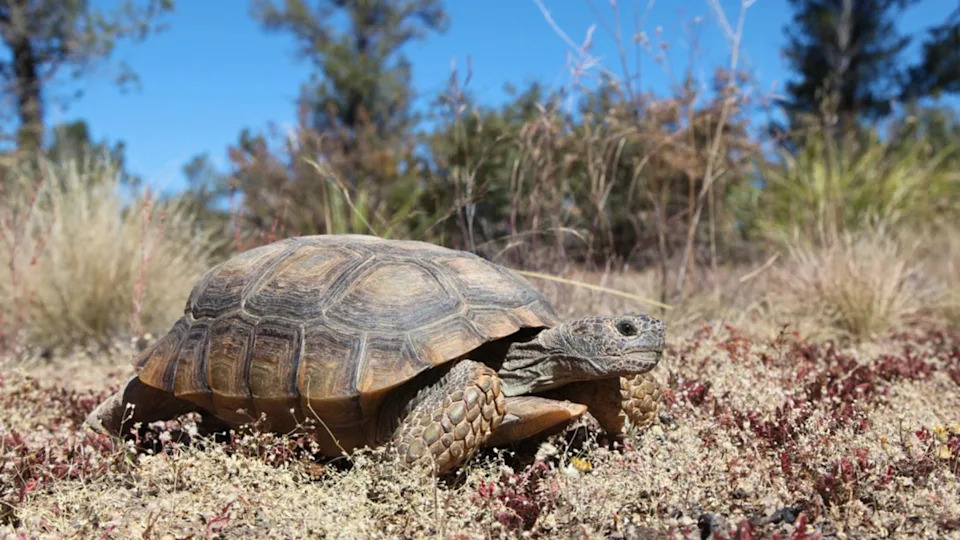
Desert tortoises fall under federal protection as a threatened species under the Endangered Species Act. It is illegal to touch, harass, or move a wild desert tortoise found wandering onto your property. Removing them from their native environment causes immense stress and exposes them to upper respiratory diseases.

If you live in the southwestern United States, a visiting tortoise requires absolute peace and quiet. You must halt any construction or landscaping projects nearby until the tortoise decides to walk away on its own. Local authorities monitor these situations closely and will prosecute individuals who interfere with the natural movements of this species.

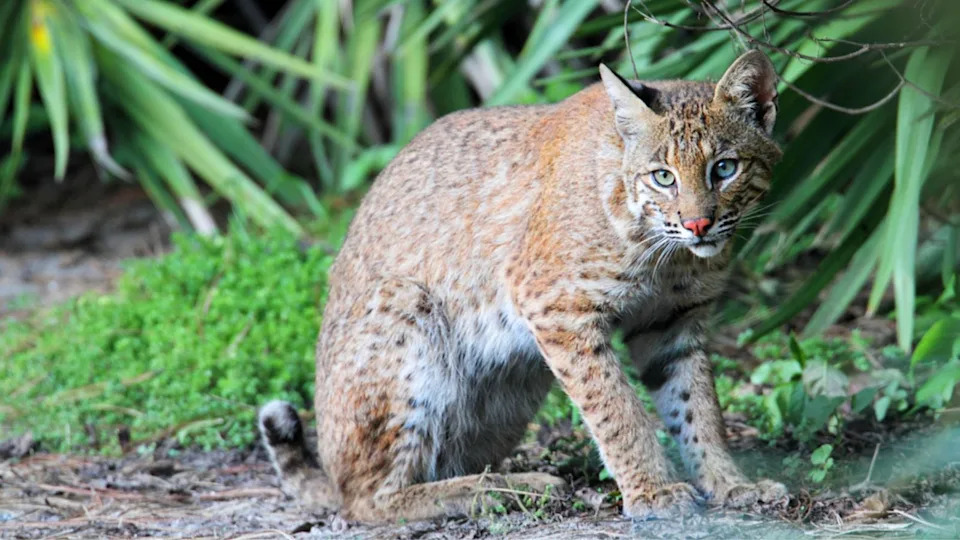
Many states heavily regulate the trapping and relocation of bobcats through strict hunting seasons and licensing requirements. These medium-sized wildcats usually avoid human contact entirely, but they occasionally hunt rabbits or rodents near residential neighborhoods. Moving a bobcat without authorization from a state game warden violates local wildlife conservation laws.

Bobcats rarely pose a threat to humans and actively avoid confrontation whenever possible. If you spot one passing through, keeping your pets indoors is the safest and most legally compliant response. They usually move along to different hunting grounds within a few hours without causing any property damage.

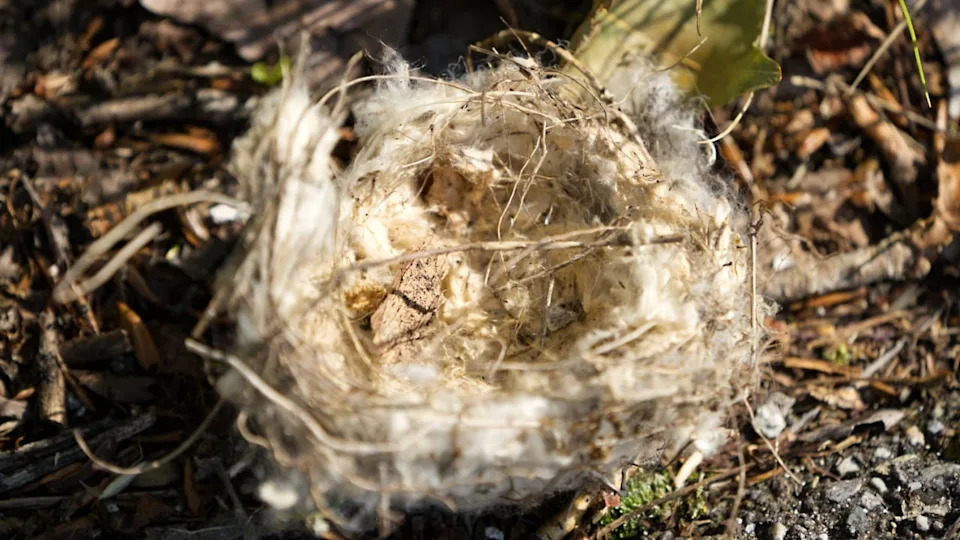
All hummingbirds receive total protection under federal migratory bird laws across the United States. You cannot legally touch, move, or destroy a hummingbird nest once the female begins building it. Even if the nest sits in an inconvenient location like a porch light or a hanging plant, the structure must remain untouched.

These tiny nests represent a significant energy investment from the mother hummingbird. Attempting to relocate the nest almost always results in the mother abandoning her eggs completely. You must wait until the babies fully fledge and leave the area before clearing away the leftover nesting materials.

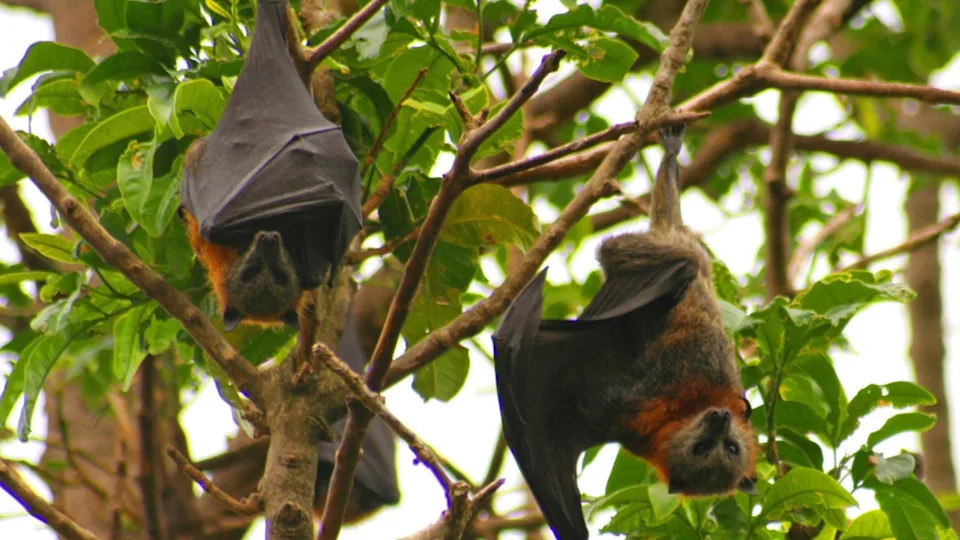
Several bat species suffer from white-nose syndrome, leading federal and state governments to place them on endangered species lists. During specific maternity seasons, usually from late spring through late summer, you cannot legally evict bats from buildings or trees. Excluding bats during this timeframe traps flightless babies inside, which is considered animal cruelty.

Bats serve as essential insect consumers, eating thousands of mosquitoes every single night. If you discover a colony on your property, you must contact wildlife professionals to schedule a legal exclusion after the maternity season ends. Following these guidelines protects both the delicate bat populations and the homeowner from severe legal consequences.

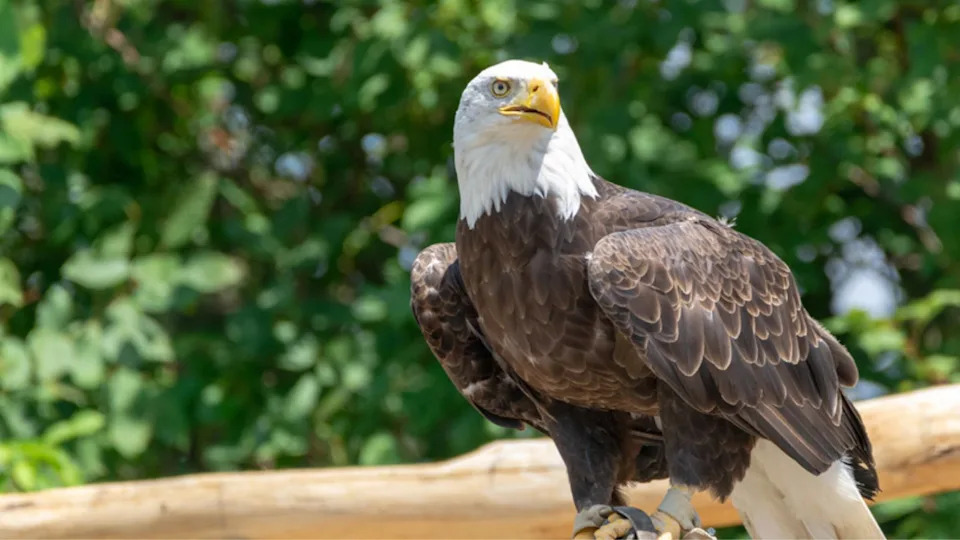
The Bald and Golden Eagle Protection Act provides unprecedented legal defense for America's national bird. This specific legislation strictly forbids anyone from pursuing, shooting, poisoning, or disturbing eagles or their nests. If a bald eagle decides to build a massive nest in your tallest tree, your yard essentially becomes a protected wildlife zone.

Having a bald eagle nearby requires substantial lifestyle adjustments for property owners. You cannot operate heavy machinery, fly drones, or hold loud gatherings near an active nesting tree. Federal agents actively investigate complaints of eagle harassment, making it crucial to give these magnificent raptors plenty of space.

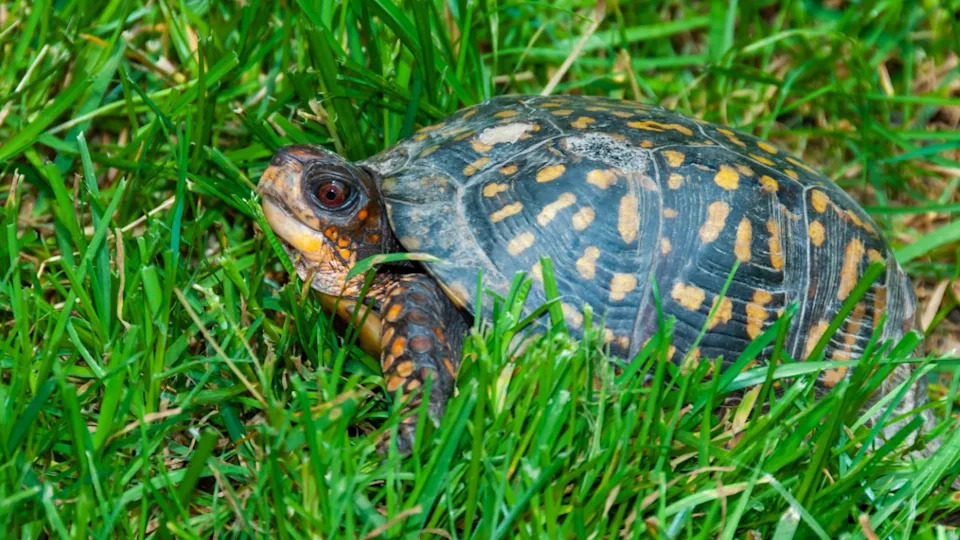
Many eastern states list the eastern box turtle as a species of special concern due to habitat fragmentation. Taking a wild box turtle from your yard to keep as a pet or relocating it to a park is a direct violation of conservation laws. These turtles possess a strong homing instinct and will wander aimlessly until they die if moved away from their home territory.

Wild box turtles live for decades within a very small geographic area. If you find one crossing your lawn, the best approach is to simply admire it from a distance. Creating a safe path for the turtle to continue its journey supports local biodiversity and keeps you entirely within the bounds of the law.

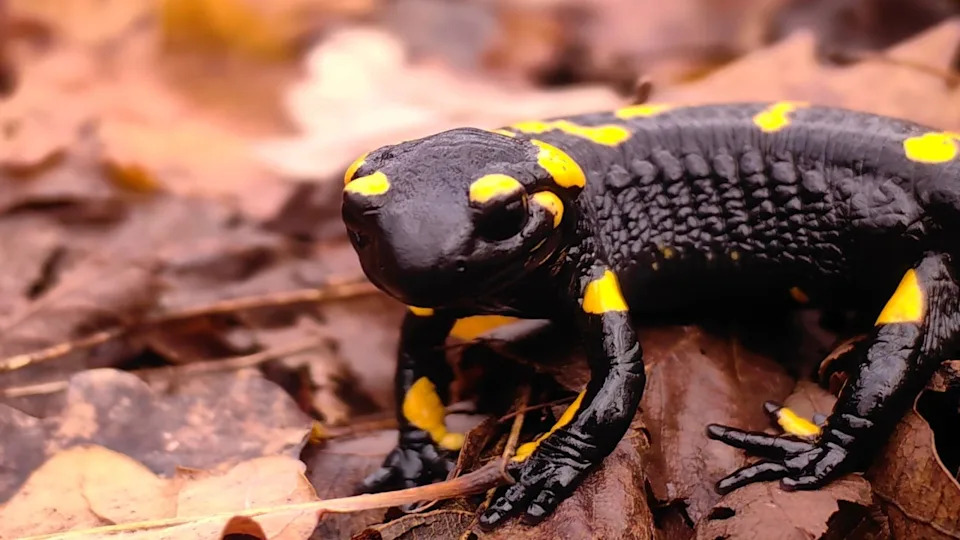
Spotted salamanders rely on temporary vernal pools to breed during the early spring months. Many local ordinances protect these specific wetland habitats and the amphibians that use them from any form of destruction. Filling in a natural temporary pond on your property might violate state environmental protection guidelines.

These secretive creatures spend most of the year hiding underground under rotting logs or leaf litter. They only emerge during warm spring rains to migrate toward their breeding pools. Leaving damp, wooded sections of your property undisturbed helps preserve their declining populations and respects local environmental regulations.

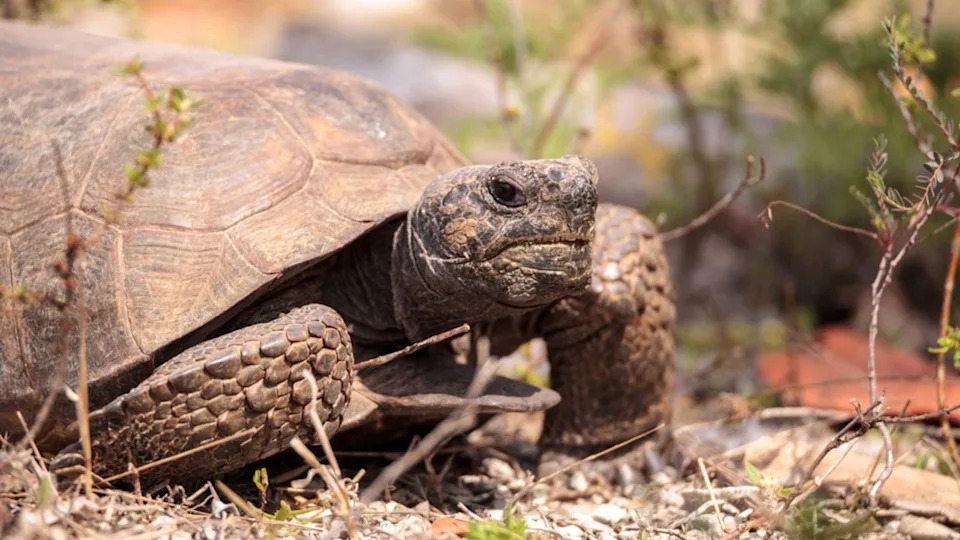
The gopher tortoise is a keystone species and receives strict state and federal protections in the southeastern states. You cannot legally fill in their burrows, force them out of their holes, or move them off your land. Their deep burrows provide essential shelter for hundreds of other wild species during extreme weather events.

Developing land with active gopher tortoise burrows requires expensive permits and professional relocation services. Homeowners must maintain a generous buffer zone around any burrow entrances found in the grass. Protecting these ancient reptiles maintains the structural integrity of the entire local ecosystem.

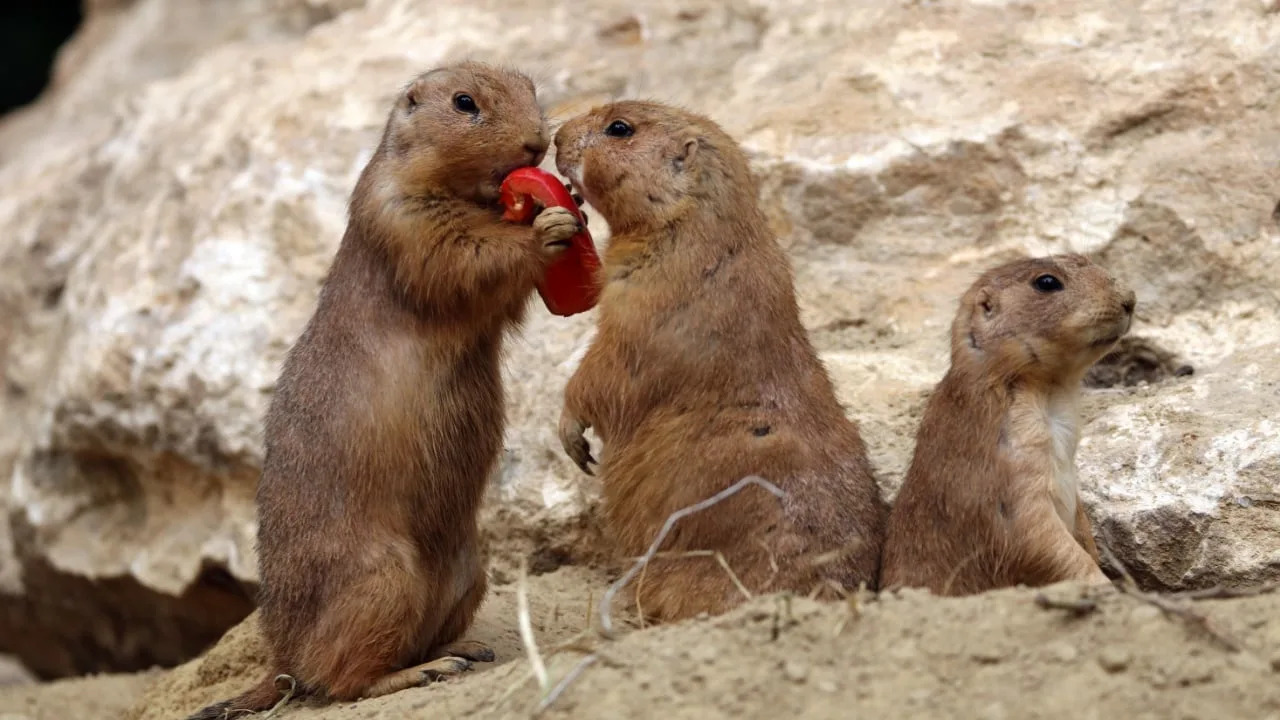
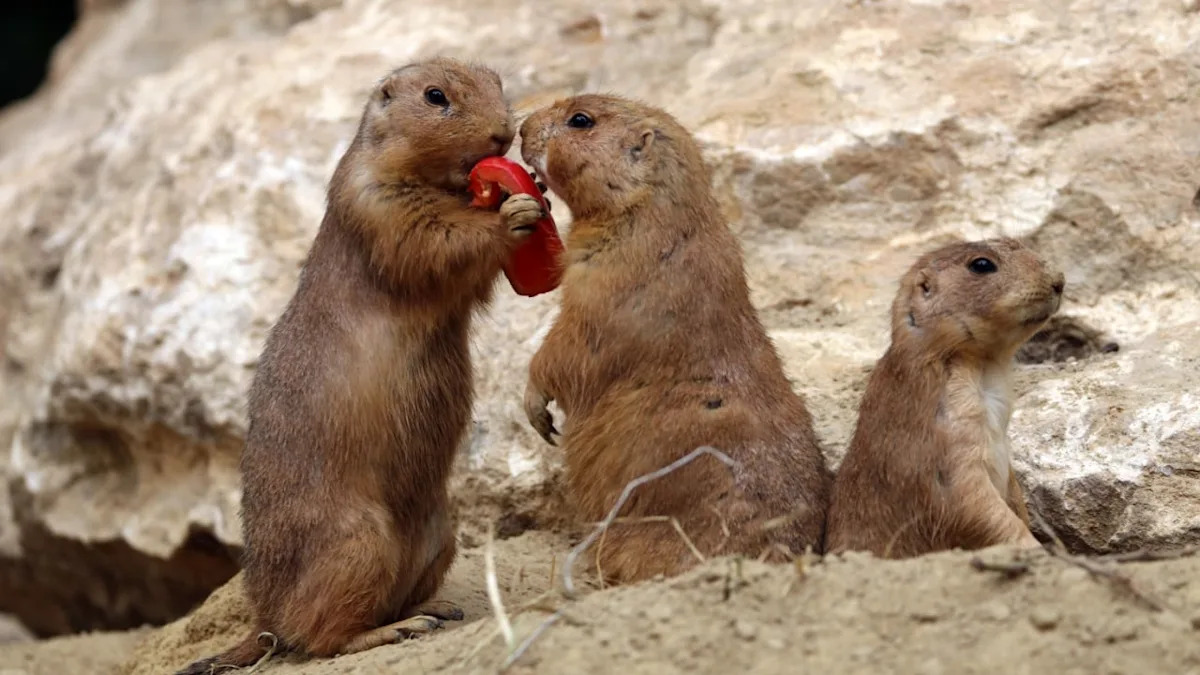
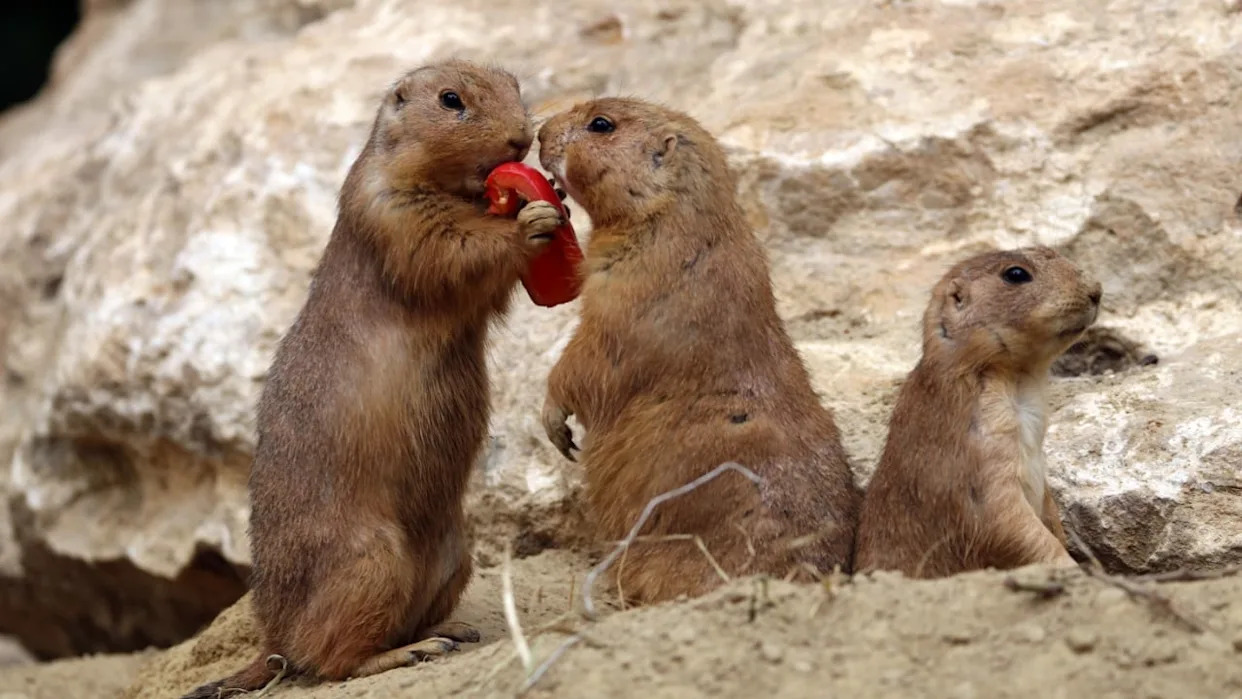
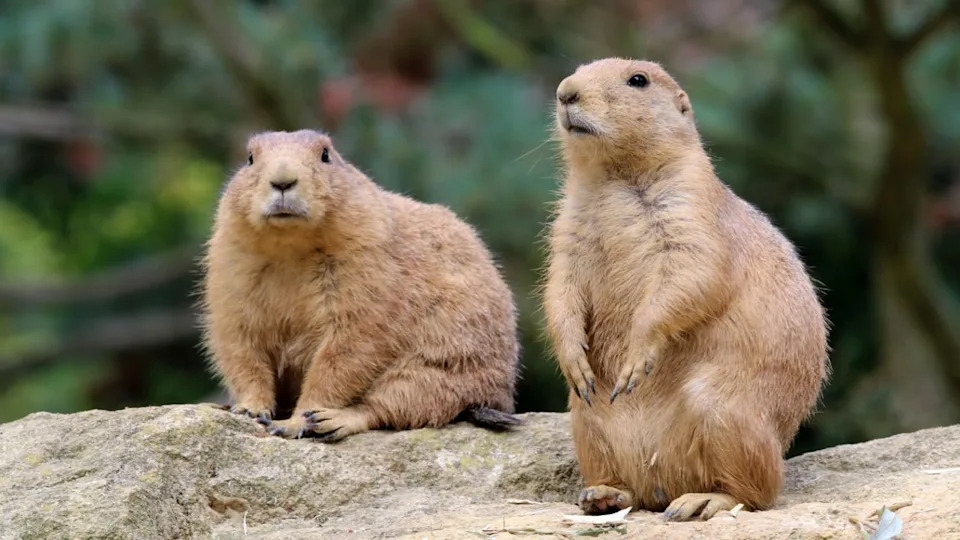
Depending on your exact location, specific species like the Utah prairie dog fall under the protection of the Endangered Species Act. While some regions consider them agricultural pests, other areas explicitly forbid poisoning or trapping them without federal oversight. You must identify the exact species living on your land before taking any action.

These highly social rodents live in complex underground colonies that support numerous other predators. Black-footed ferrets and burrowing owls depend entirely on prairie dog towns for survival. Consulting with local wildlife departments guarantees you follow the correct legal procedures for managing an active colony.

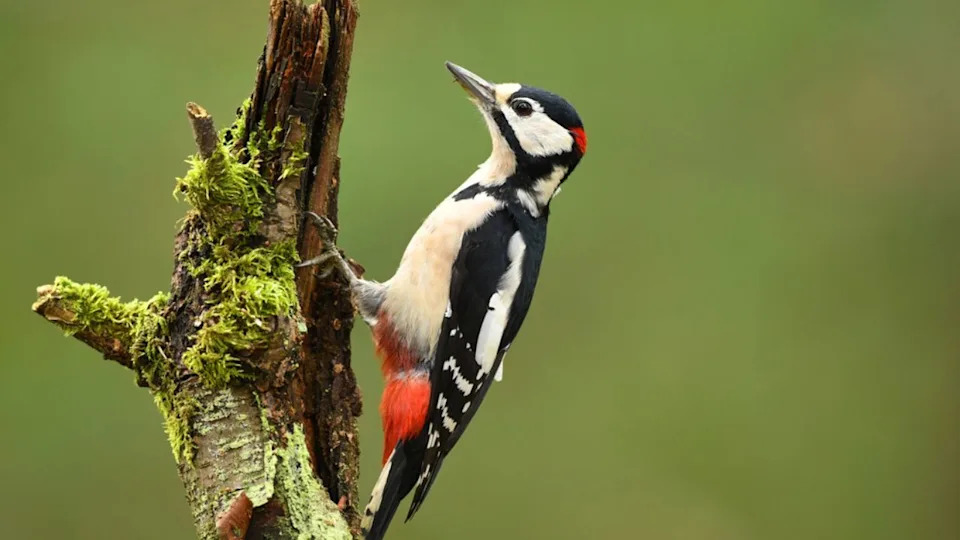
Woodpeckers belong to the large group of avian species safeguarded by the Migratory Bird Treaty Act. Even if a woodpecker is actively damaging your wooden siding, you cannot use lethal force to stop the behavior. Homeowners must use non-lethal deterrents like reflective tape or netting to encourage the bird to find a different drumming spot.

These birds usually drum on houses to establish territory, attract mates, or hunt for hidden insects. Addressing the underlying insect problem often naturally resolves the woodpecker issue without violating federal laws. Providing alternative natural food sources nearby can distract them from hammering on your home.

While not federally protected in the same way as endangered species, managed honey bees receive protection under various state agricultural laws. It is frequently illegal to apply pesticides directly to a known honey bee hive or a massive swarm resting in a tree. Local agricultural departments classify these insects as crucial livestock necessary for regional food production.

If a large swarm of honey bees lands in your yard, it is generally a temporary resting phase while they seek a permanent home. Rather than attempting a dangerous and illegal extermination, homeowners should contact local beekeeping associations. Professional beekeepers will gladly collect the swarm safely and relocate it to a healthy apiary.

The federal government protects almost every native bird species you see flying through your neighborhood. From tiny songbirds to massive waterfowl, it is unlawful to possess their feathers, disturb their active nests, or harm the adults. This blanket protection covers robins, blue jays, cardinals, and hundreds of other familiar backyard visitors.

This strict legislation exists because migrating birds cross international borders and require safe stopover points. Your yard might serve as a critical resting spot during an exhausting thousands-of-miles journey. Letting the birds rest and forage peacefully complies with federal law and supports global conservation efforts.

American alligators represent a massive conservation success story, but they remain strictly protected by state game commissions. You cannot feed, harass, or attempt to move an alligator that wanders into a backyard pond or swimming pool. Feeding them is especially illegal because it teaches these powerful predators to associate humans with food.

Only licensed nuisance wildlife trappers possess the legal authority to capture and remove an aggressive or misplaced alligator. If an alligator arrives on your lawn, you must maintain a safe distance and call the state wildlife hotline. The professionals will assess the situation and determine if the reptile requires legal relocation.

A wild animal appearing near your home requires careful observation and a clear understanding of legal boundaries. Attempting to manage wildlife independently often leads to accidental harm and potential criminal charges. State and federal conservation laws exist specifically to prevent untrained individuals from disrupting delicate ecological balances.

Always consult with local environmental agencies before modifying habitats or dealing with an unexpected creature. These professionals possess the exact knowledge required to handle protected species legally and safely. Following their guidance keeps your property compliant with the law and supports healthy native animal populations.

Read More:

15 Weirdest Animals People Have Had as Pets

Never Release Pets Into the Wild: 10 Exotic Pets That Are Now Invasive Species
Comments
You must be logged in to comment.