aljazeera Press
The US-Israeli strategy against Iran is working. Here is why
Images

1 / 7
2 / 7
3 / 7
4 / 7

5 / 7

6 / 7

7 / 7
Every aspect of Iran’s ability to project regional power is being successfully degraded.

Share

Save

Two weeks into Operation Epic Fury, the dominant narrative has settled into a comfortable groove: The United States and Israel stumbled into a war without a plan. Iran is retaliating across the region. Oil prices are surging, and the world is facing another Middle Eastern quagmire. US senators have called it a blunder. Cable news has tallied the crises. Commentators have warned of a long war.

The chorus is loud and, in some respects, understandable. War is ugly, and this one has imposed real costs on millions of people across the Middle East, including the city I live in.

But this narrative is wrong. Not because the costs are imaginary, but because the critics are measuring the wrong things. They are cataloguing the price of the campaign while ignoring the strategic ledger.

When you look at what has actually happened to Iran’s principal instruments of power – its ballistic missile arsenal, its nuclear infrastructure, its air defences, its navy and its proxy command architecture – the picture is not one of US failure. It is one of systematic, phased degradation of a threat that previous administrations allowed to grow for four decades.

I write this from Doha, where Iranian missiles have triggered alerts for residents to take shelter and Qatar Airways has started operating evacuation flights. I lived through four years of war in Baghdad.

I have worked for the US Department of State and advised defence and intelligence agencies in multiple countries. I have no interest in cheerleading for war.

But I have spent my academic career studying how states authorise the use of force through intelligence institutions, and what I see in the current campaign is a recognisable military operation proceeding through identifiable phases against an adversary whose capacity to project power is collapsing in real time.

Iranian ballistic missile launches have fallen by more than 90 percent from 350 on February 28 to roughly 25 by March 14, according to publicly available data. Drone launches tell the same story: from more than 800 on Day 1 to about 75 on Day 15.

The figures drawn from US and Iranian military statements differ in detail but converge on the trajectory. Hundreds of Iranian missile launchers have been rendered inoperable. According to some reports, 80 percent of Iran’s capacity to strike Israel has been eliminated.

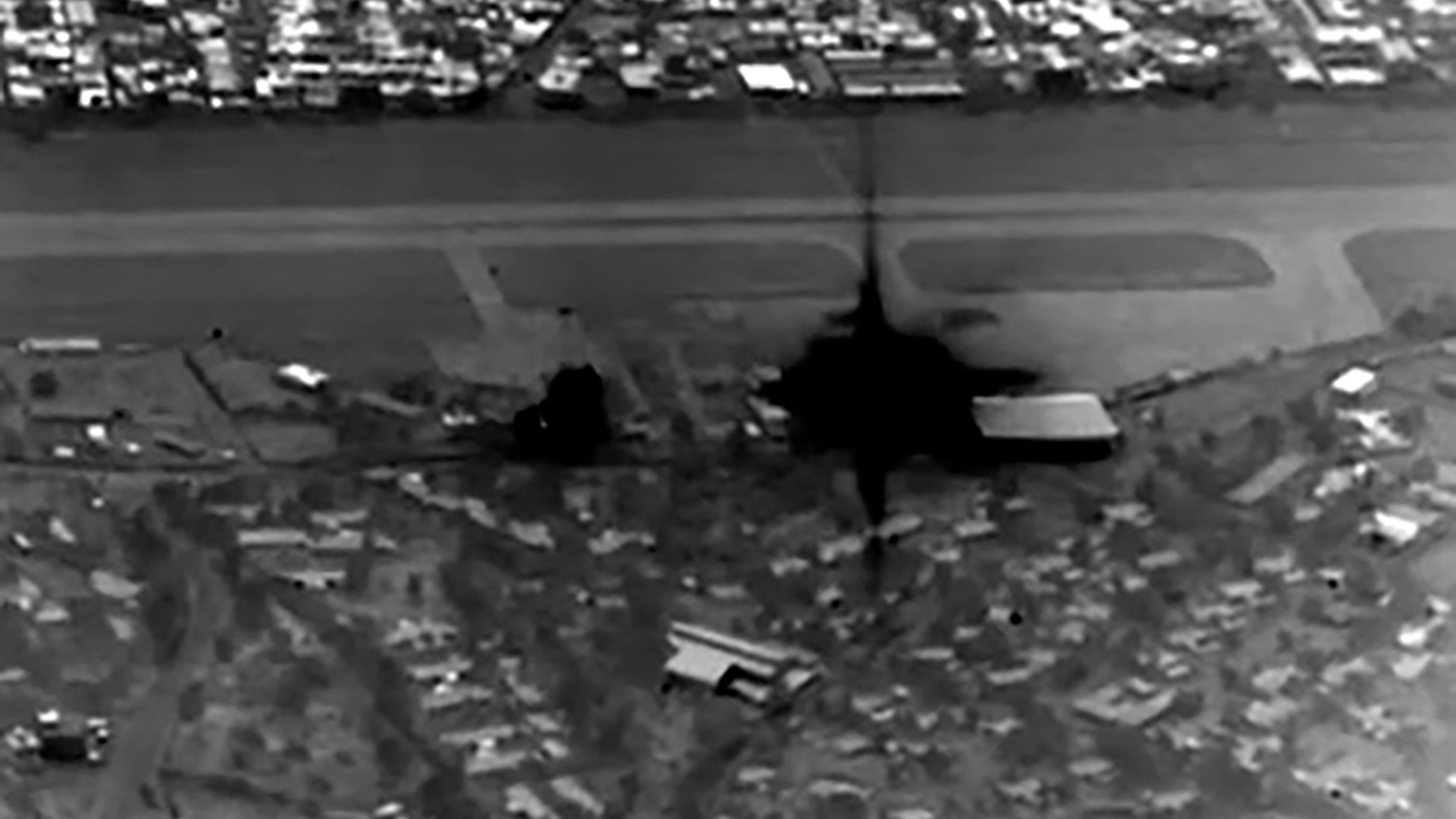
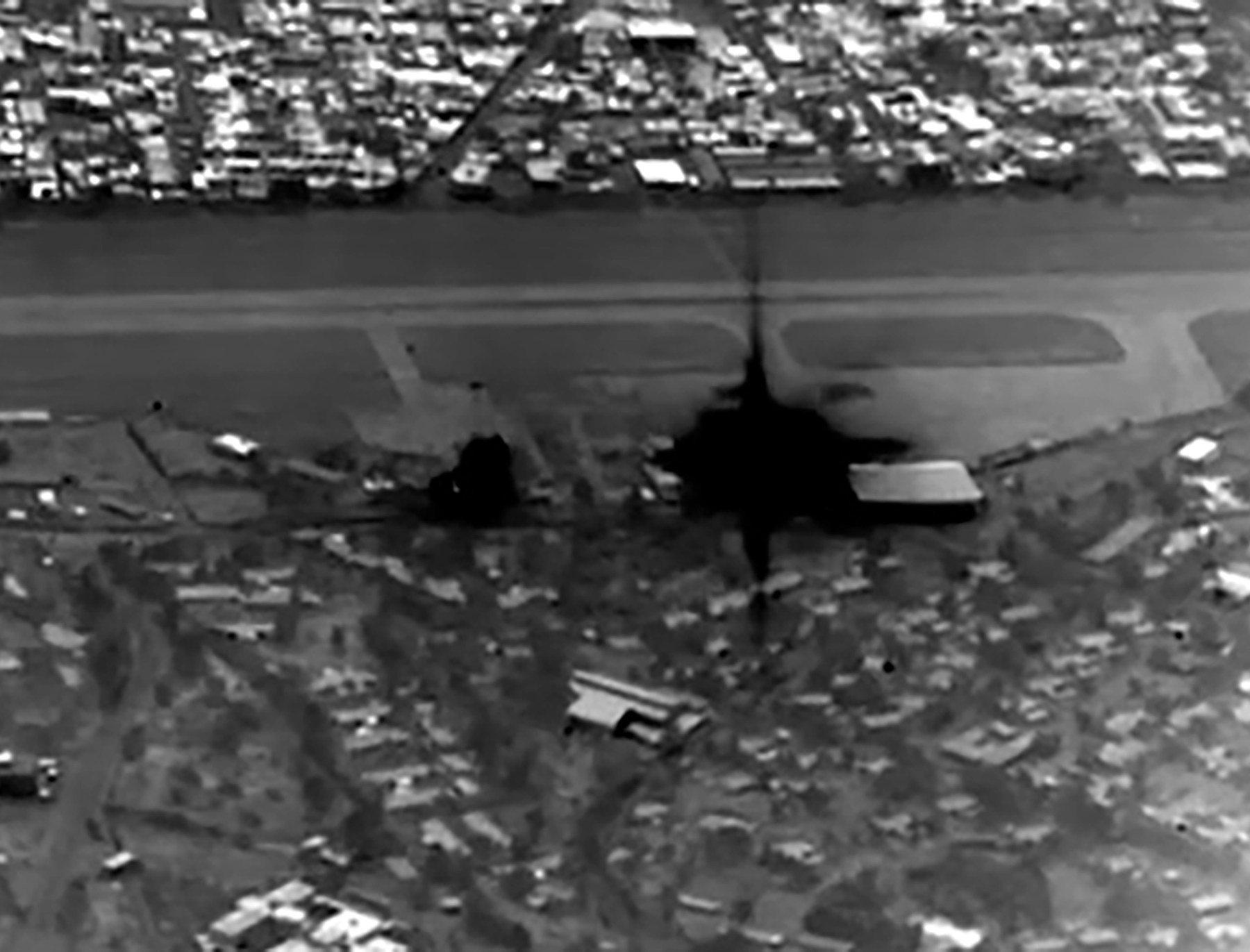
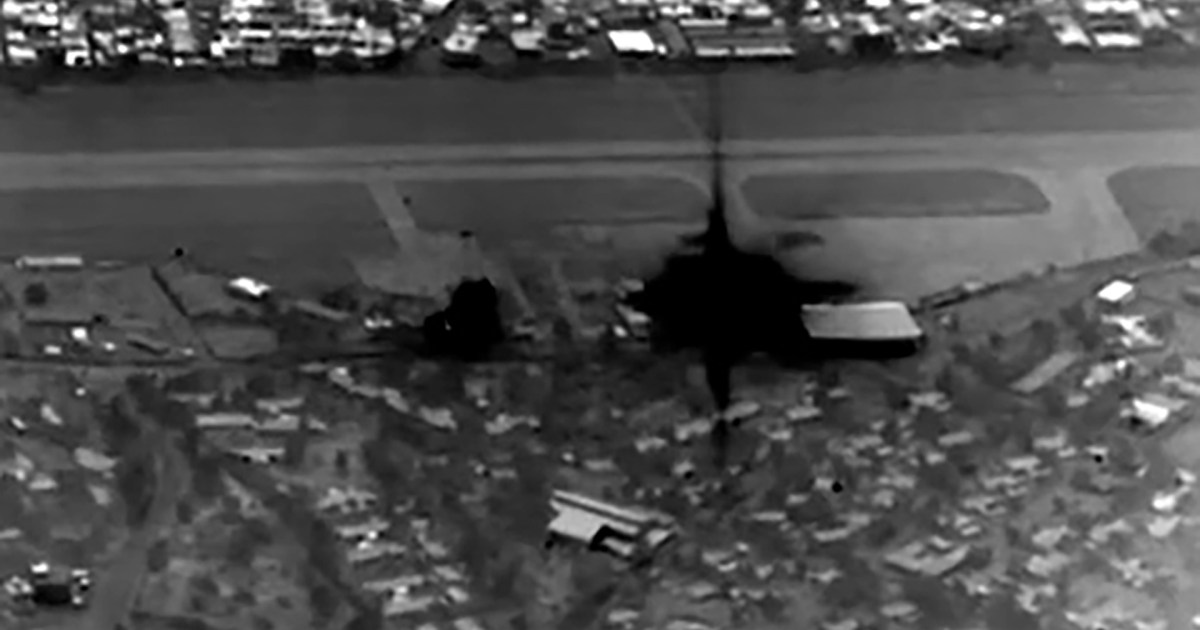
Iran’s naval assets, fast-attack craft, midget submarines and mine-laying capabilities are being liquidated. Its air defences have been suppressed to the point at which the US is now flying nonstealth B-1 bombers over Iranian airspace, a decision that signals near-total confidence in air dominance.

The campaign has moved through two distinct phases. The first suppressed Iran’s air defences, decapitated its command and control, and degraded its missile and drone launch infrastructure. By March 2, US Central Command announced local air superiority over western Iran and Tehran, achieved without the confirmed loss of a single American or Israeli combat aircraft.

The second phase, now under way, targets Iran’s defence industrial base: missile production facilities, dual-use research centres and the underground complexes where remaining stockpiles are stored. This is not aimless bombing. It is a methodical campaign to ensure that what has been destroyed cannot be rebuilt.

Iran now faces a strategic dilemma that tightens every day. If it fires its remaining missiles, it exposes launchers that are promptly destroyed. If it conserves them, it forfeits the ability to impose costs of the war. Missile and drone launch data suggest Iran is rationing its remaining capacity for politically timed salvoes rather than sustaining operational tempo.

This is a force managing decline, not projecting strength.

Much of the criticism of the US-Israeli campaign focuses on its costs while treating the status quo ante as if it were cost-free. It was not.

Iran entered 2026 with 440kg of uranium enriched to 60 percent purity – enough, if further enriched, for as many as 10 nuclear weapons. Before the June strikes, Tehran was less than two weeks away from enriching enough uranium for one nuclear bomb, according to US intelligence assessments. At that time, the International Atomic Energy Agency acknowledged that Iran’s accumulation of near-weapons-grade material had no clear civilian justification.

The current campaign has damaged further the Natanz nuclear facility. The one in Fordow remains inoperable. The defence industrial facilities that would be needed to reconstitute enrichment capacity are being systematically targeted.

Reasonable people can disagree about whether diplomatic alternatives were fully exhausted, the Omani-mediated negotiations in February showed real progress, and there are legitimate questions about whether Washington walked away too soon.

But the critics’ implicit alternative, continued restraint while Iran inched towards a nuclear weapon, is the policy that produced the crisis in the first place. Every year of strategic patience added centrifuges to the enrichment halls and kilogrammes to the stockpile.

The limits of military force against a nuclear programme are real, and as others have argued elsewhere, strikes can destroy facilities but cannot eliminate knowledge. The 440kg of enriched uranium remains unaccounted for.

A successor regime of any political colour will inherit a strategic environment in which the case for nuclear deterrence has been strengthened, not weakened. These are genuine long-term risks. But they are arguments for a comprehensive post-conflict diplomatic architecture, not arguments against the campaign itself.

The closure of the Strait of Hormuz is dominating the critical commentary. US Senator Chris Murphy has called it evidence that President Donald Trump misjudged Iran’s capacity to retaliate. CNN has described it as proof that the administration has lost control of the war’s escalation.

The economic pain is real: Oil prices have surged, a record 400 million barrels of oil will be released from global reserves, and Gulf states are facing drone and missile strikes on their energy infrastructure.

But this framing inverts the strategic logic. Closing the strait was always Iran’s most visible retaliatory card, and always a wasting asset. About 90 percent of Iran’s own oil exports pass through Kharg Island and then the strait.

China, Tehran’s largest remaining economic partner, cannot receive Iranian crude while the strait is shut. Every day the blockade continues, Iran severs its own economic lifeline and alienates the one major power that has consistently shielded it at the United Nations. The closure does not just hurt the global economy; it accelerates Iran’s isolation.

Meanwhile, the naval assets Iran needs to sustain the blockade – fast-attack boats, drones, mines, shore-based antiship missiles – are being degraded daily. Its naval bases at Bandar Abbas and Chahbahar have been severely damaged.

The question is not whether the strait reopens but when and whether Iran retains any naval capacity to contest it. Critics compare the challenge of escorting a hundred tankers daily to an impossible logistical burden. But you do not need to escort tankers through a strait if the adversary no longer has the means to threaten them. That is the operational trajectory.

The regional escalation – Hezbollah resuming attacks on Israel, Iraqi militias striking US bases, Houthis issuing threats in the Red Sea – is cited as the clearest evidence of US-Israeli strategic failure. The war is spreading, the critics say, just as it did in Iraq. This misreads the dynamics of Iran’s alliance network.

My research on how states authorise proxy violence identifies four layers of control: strategic legitimation, operational coordination, financial-logistical distribution and deniability calibration. The current campaign has disrupted all four simultaneously.

The assassination of Supreme Leader Ali Khamenei eliminated the apex of the authorisation pyramid. His son Mojtaba’s appointment as his successor, a dynastic transfer without precedent in the Islamic Republic, signals institutional fragility, not continuity. The Islamic Revolutionary Guard Corps (IRGC) command structure has been decapitated at multiple levels – the acting defence minister was among those killed.

When proxies launch retaliatory attacks across the region, this is not evidence of an expanding network; it is evidence of predelegated response authority, which is what a centralised command system activates when it anticipates its own destruction.

Predelegation is a sign of desperation, not strength. It means the centre can no longer coordinate. The attacks will continue, but they will become increasingly uncoordinated, strategically incoherent and politically costly for the host states where these groups operate.

Qatar and Bahrain are arresting IRGC operatives. Kuwait and Saudi Arabia are intercepting Iranian drones over their own territory. The regional environment that sustained Iran’s proxy architecture, including the grudging tolerance by Gulf states fearful of Iranian retaliation, is being replaced by active hostility.

Hezbollah is weaker than at any point since 2006, degraded by more than a year of Israeli operations before this campaign began. Iraqi militias retain the ability to launch attacks, but they are doing so into a region where they face increasing isolation.

The Houthis in Yemen possess independent capability but lack the command integration with Tehran that transforms militia activity into strategic effect. What the critics described as an expanding regional war is better understood as the death spasm of a proxy architecture whose authorising centre has been shattered.

The most politically potent criticism is that the administration has no endgame. Trump’s own rhetoric has not helped: the oscillation between “unconditional surrender” and hints at negotiation, between regime change and denial of regime change, feeds the impression of strategic incoherence. Only 33 percent of American respondents in a recent Reuters-Ipsos poll said the president had clearly explained the mission’s purpose.

But the endgame is visible in the operational phasing, even if the rhetoric obscures it. The objective is the permanent degradation of Iran’s ability to project power beyond its borders through missiles, nuclear latency and proxy networks.

Call it strategic disarmament. This is closer to the approach of the Allies to Germany’s industrial war-making capacity in 1944-1945 than to the US war on Iraq in 2003. The analogy is imperfect: Strategic disarmament without occupation requires a verification and enforcement architecture that no one has yet proposed, but the operational logic is the same.

No one is proposing to occupy Tehran. The question is what happens when the bombing stops, and here the critics raise a legitimate concern, which Murphy articulated concisely after a classified briefing: What prevents Iran from restarting production?

The answer requires a post-conflict framework that does not yet exist in public: a verification regime, a diplomatic settlement or a sustained enforcement posture. The administration owes the American public and its regional partners a clear account of what that framework would look like.

But the absence of a public diplomatic blueprint does not mean the military campaign is failing. It means the campaign is ahead of the diplomacy, a sequencing problem, not a strategic one. The military conditions for a durable settlement – Iranian missile capacity too degraded to rebuild quickly, nuclear infrastructure inaccessible, proxy networks fragmented – are being created right now.

None of this minimises the human costs. More than 1,400 civilians have been killed in Iran, a moral burden the US and Israel will carry. Oil price spikes are hurting every economy on Earth. At least 11 US service members have been killed. I live with these sirens every day, as does everyone across the Gulf. The costs are real, they are serious, and any accounting that ignores them is dishonest.

But the critics are making a different error: They are treating the costs of action as if the costs of inaction were zero. They were not. They were measured in the slow accretion of a threat that, left unchecked, would have produced exactly the crisis everyone claims to fear: a nuclear-armed Iran capable of closing the Strait of Hormuz at will, surrounded by proxy forces that could hold the entire region hostage indefinitely.

Seventeen days in, Iran’s supreme leader is dead, his successor is reportedly wounded and every principal instrument of Iranian power projection – missiles, nuclear infrastructure, air defences, the navy, proxy command networks – has been degraded beyond near-term recovery. The campaign’s execution has been imperfect, its public communication poor and its post-conflict planning incomplete. War is never clean. But the strategy – the actual strategy, measured in degraded capabilities rather than cable news cycles – is working.

The views expressed in this article are the author’s own and do not necessarily reflect Al Jazeera’s editorial stance.
Comments
You must be logged in to comment.