yahoo Press
24-year-old cancer survivor nearly dies after eating friend’s home-cooked dinner
Images
1 / 13
2 / 13

3 / 13

4 / 13

5 / 13

6 / 13
7 / 13
8 / 13
9 / 13
10 / 13

11 / 13

12 / 13

13 / 13
A dangerous dinner party left a young cancer survivor hospitalized with a rare, life-threatening illness.

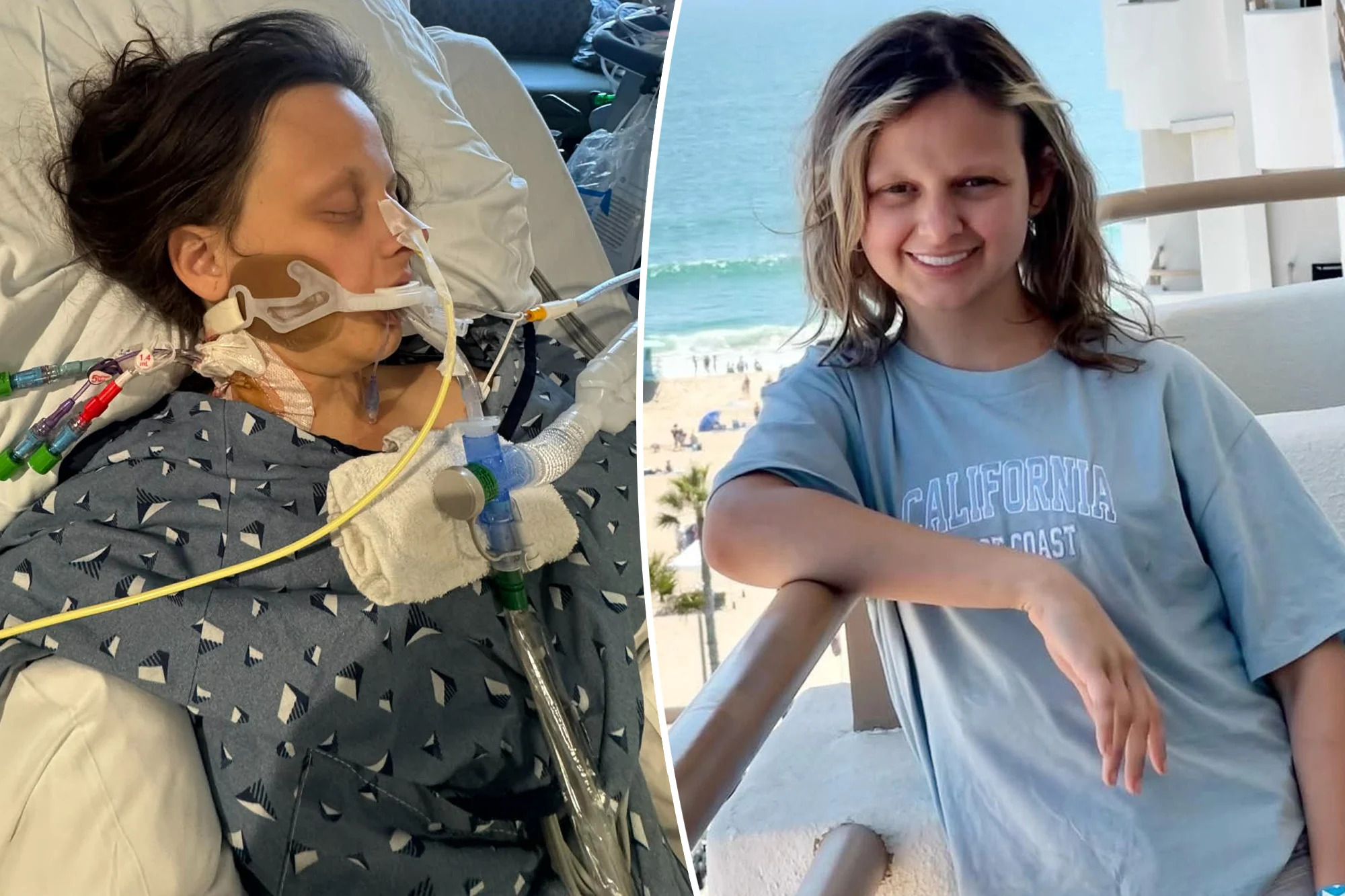
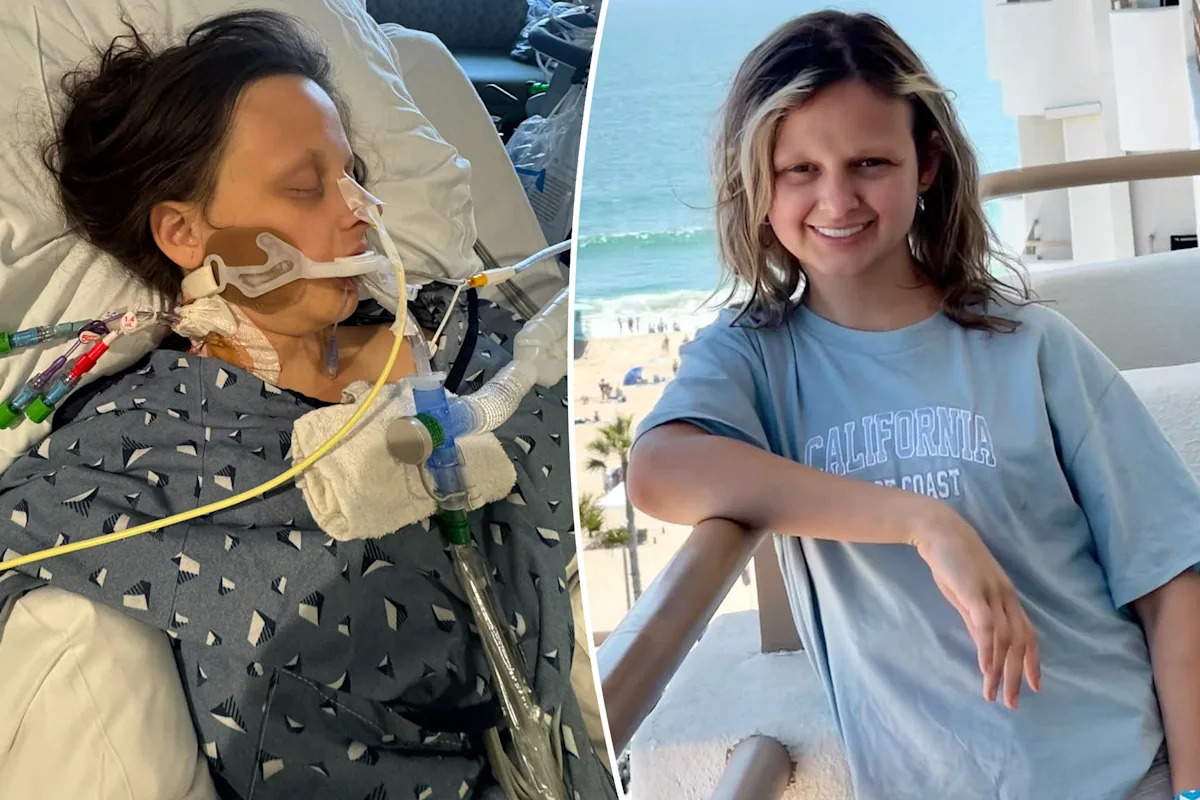
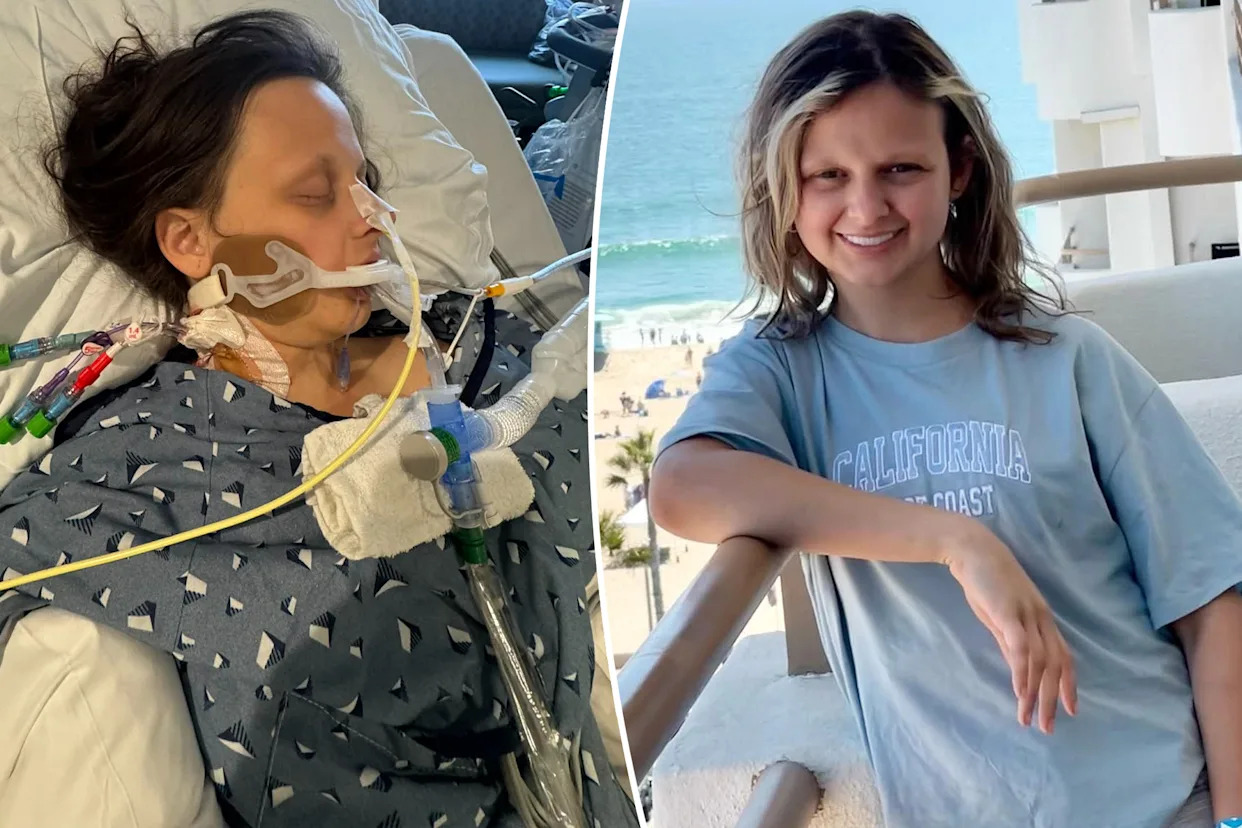
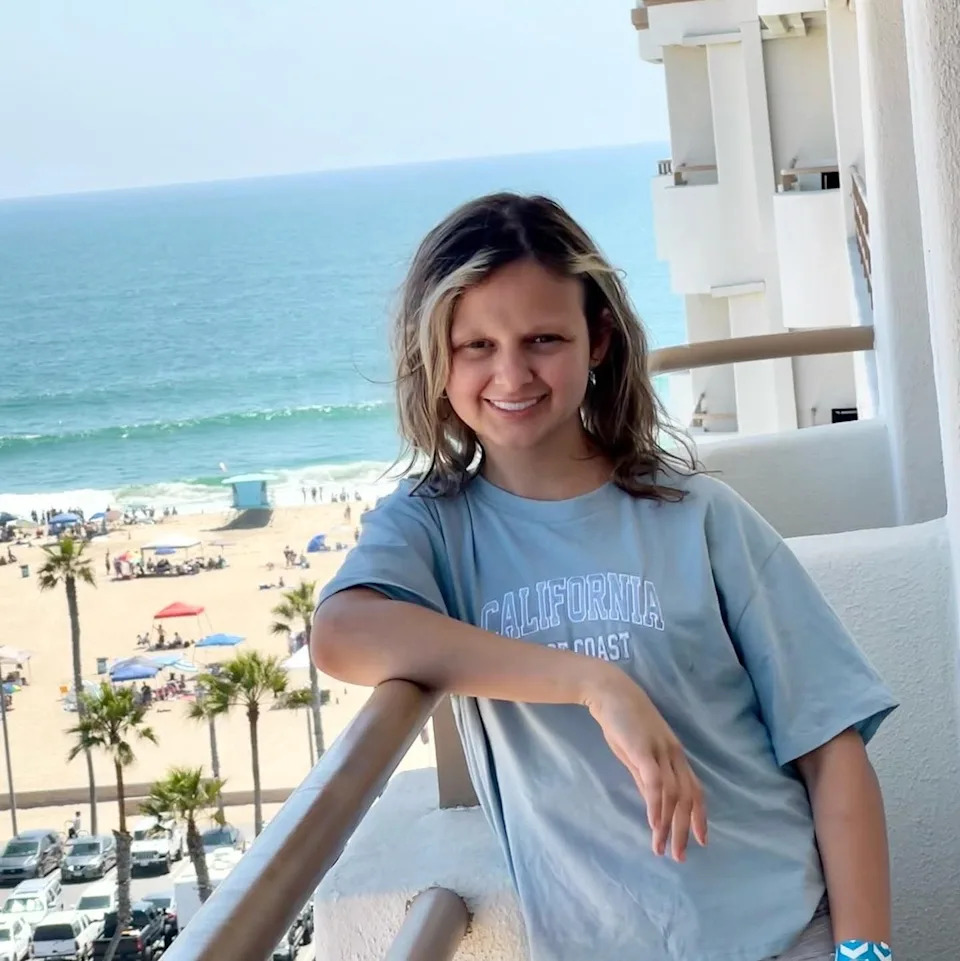
After sharing a meal with friends last month, 24-year-old Trinity Peterson-Mayes found herself unable to swallow, speak or move.

“Slowly, over the course of 24 hours, I went from not being able to chug water to not being able to drink any water at all,” Peterson-Mayes told Arizona outlet KPNX.

After violently choking on a sip of coffee, a distressed Peterson-Mayes sought emergency medical attention.

What dish was responsible for these dangerous symptoms? Fermented swordfish.

“It tasted horrible, I’m going to be so honest,” Peterson-Mayes said, “It’s supposed to be healthy, and I figured I might as well try, if it’s bad and I’ll just get a bad stomachache.”

Peterson-Mayes was eventually diagnosed with botulism, a rare but serious illness in which powerful bacteria-borne toxins attack the body’s nervous system, blocking communication between nerves and muscles and causing respiratory issues, muscle paralysis and even death if not diagnosed rapidly and treated with antitoxin.

Symptoms of botulism usually appear within 12 to 36 hours of exposure and can include dizziness, blurred or double vision, difficulty speaking, difficulty swallowing, difficulty breathing, muscle weakness, abdominal distension and constipation.

Incidence of botulism is low, but the mortality rate is high without prompt diagnosis and medical intervention.

Per the World Health Organization, botulism can be fatal in 5 to 10% of cases.

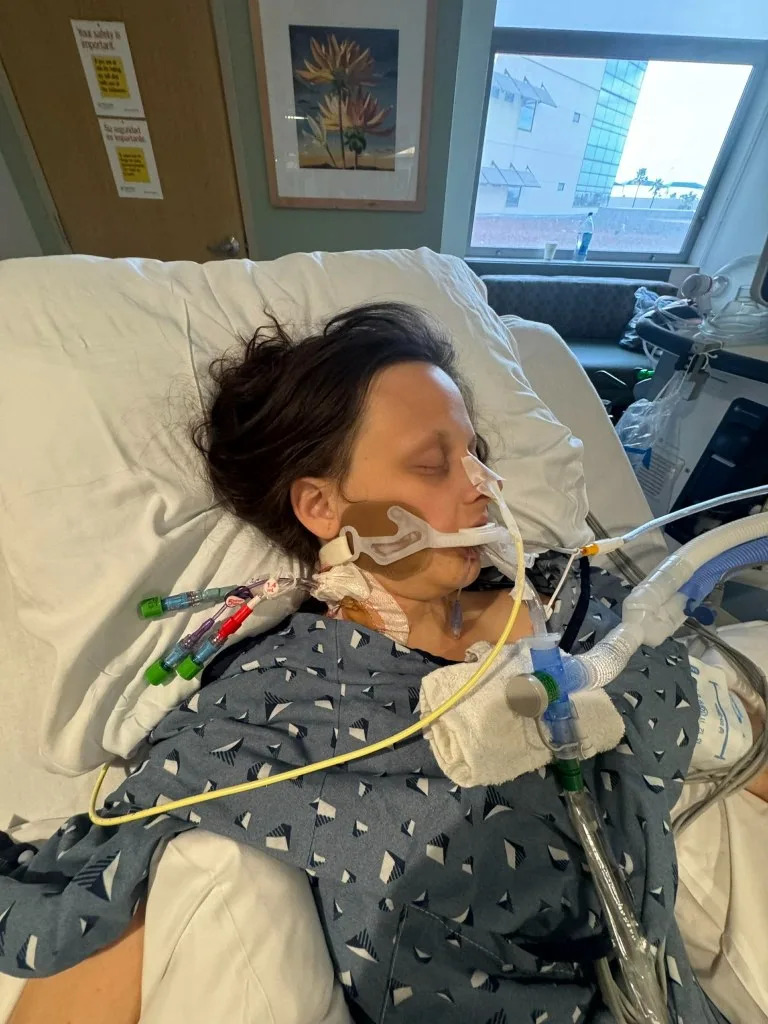
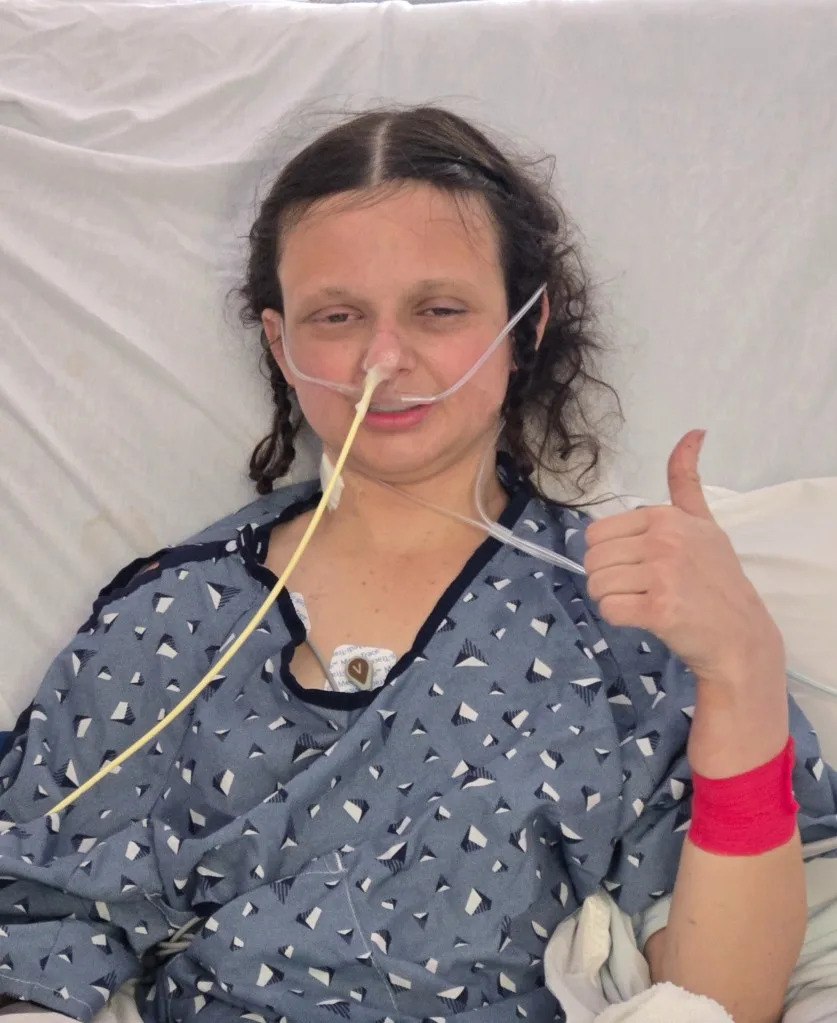
After being admitted to the hospital, Peterson-Mayes’ symptoms intensified. She was unable to swallow her own saliva and her facial muscles weakened.

Upon diagnosis, she was transferred to St. Joseph’s Medical Center and Barrow Neurological Institute for specialized neurological care in Phoenix. As the toxin spread, her condition deteriorated, and she was placed on a ventilator.

“I woke up, and I had three IVs,” she said. “I was intubated, I had a central line in my neck, and I couldn’t move at all. It was very scary. I wasn’t able to talk. I wasn’t able to walk.”

After being given a life-saving antitoxin, Peterson-Mayes is now in the slow process of recovery.

Because botulism blocks nerve function, the body must slowly rebuild nerve connections before muscles regain their strength.

Peterson-Mayes’ mother, Loren, has started a GoFundMe to cover medical bills and living expenses while her daughter recovers.

Of the five friends who joined Peterson-Mayes in eating the fetid fish dish, two were also diagnosed with botulism.

While her friends have been released from the hospital, Peterson-Mayes expects to be discharged in the coming week, but said it could take months before she feels normal again.

Understandably, given her most recent brush with death, she is skeptical of seafood.

“I am scared of sushi now, too,” she said.

As rare as it is deadly, there are roughly 24 cases of foodborne botulism per year in the United States. In fact, none of the neurologists who treated Peterson-Mayes had ever seen a case of botulism in person.

While the bacteria that cause botulism are quite common, they rarely cause illness when eaten, as the spores they produce require specific conditions to produce the lethal toxin.

Among these conditions are an environment with low or no oxygen, low acidity, low sugar, low salt, specific amounts of water and/or a temperature range.
Comments
You must be logged in to comment.