bbc Press
BBC comedy spotlights a romantic dilemma some disabled people face
Images
1 / 11

2 / 11
3 / 11
4 / 11
5 / 11
6 / 11
7 / 11
8 / 11

9 / 11
10 / 11
11 / 11
Kyla Harris, the co-creator and star of BBC comedy drama series We Might Regret This, has been with her partner for eight years.

But they won't move in together, because it means she could lose some of her means-tested funding.

"No-one should have to decide whether to choose love or to pay their bills," she says.

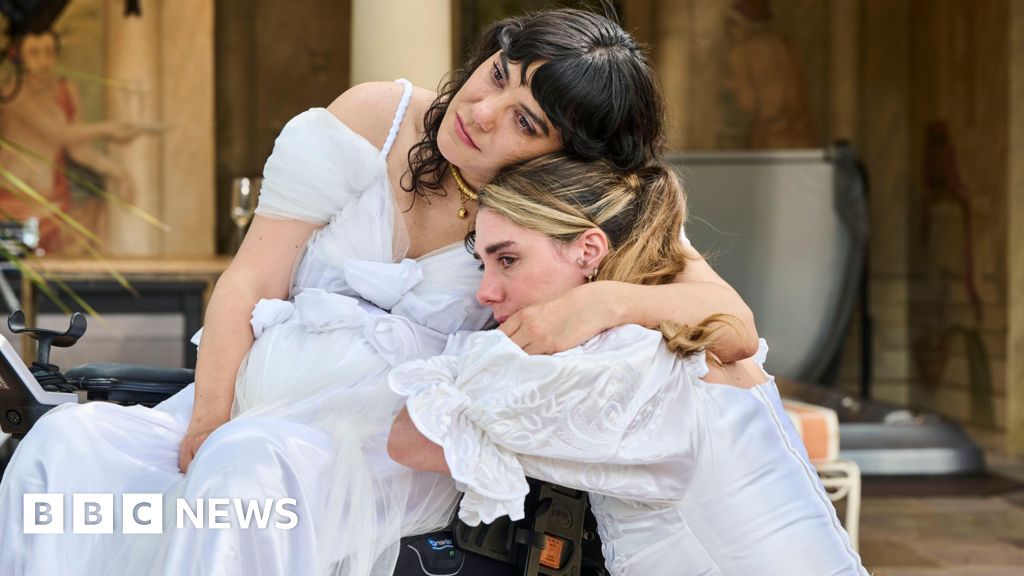
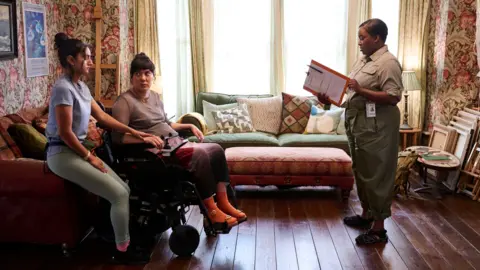
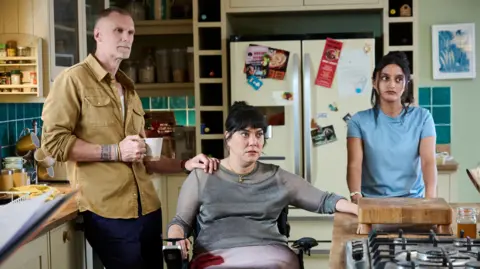
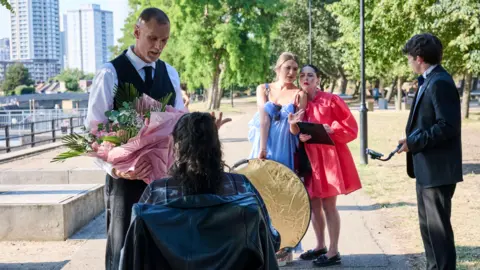
It's an issue she draws on in her series, co-created with Lee Getty, which follows Freya, an artist with tetraplegia - a partial or complete loss of sensory and motor function in all four limbs - her boyfriend, Abe and best friend, Jo.

The Guardian has described the series as "trailblazing" and Harris says she wants the show to delve into issues that have "really not been on screen before".

Anyone receiving means-tested benefits, for example universal credit, can have them reduced when moving in with a partner because you are treated as a household - meaning incomes, savings and circumstances are considered together.

Means-tested social care funding from the local authority may also be impacted by living with a partner, but these rules vary depending on your area.

The impact of benefit reductions can be greater on disabled people because of the additional daily living expenses they have.

According to a report from the charity Scope, for the year 2024-5, disabled households need on average an additional £1,095 a month to have the same standard of living as non-disabled households. Here, the standard of living refers to the ability to afford goods and services as well as carry out household tasks and manage finances.

The Department for Work and Pensions stressed the existence of several non-means-tested benefits for disabled people, including the personal independence payment (PIP), which supports "millions" each year.  There is also attendance allowance.

"Eligibility for means-tested benefits doesn't always become immediately restricted following a change of circumstances, but we encourage all claimants to report changes," a spokesperson added.

Harris believes the rules around funding mean things like getting married and moving in with a partner pose a dilemma for many disabled people.

These are not talked about much because "a lot of people also don't think that disabled people could be in relationships… or are entitled to sex and intimacy and love".

In Harris's view, the issue is "just not common knowledge and I think it needs to be", adding she hopes the series starts a conversation.

A spokesperson for Disability Rights UK said people feeling unable to live with their loved ones because it may affect their benefits status was "nothing short of cruel".

But Harris also thinks it's important to bring "light and levity" to the situations disabled people go through and she strives to do this in her show.

"There have been so many awful situations that I've been in that you can't help but laugh," she continues.

The series also delves into what it means for others to profit from disabled identity.

For example, Freya's wedding planning is turned into a problematic and cringeworthy social media campaign by her agents, the Olivias, played by Emma Sidi and Hanako Footman.

They shorten phrases like "inclusive representation" to "inclush-representash" and urge her to adopt the hashtag "wheely in love" to help it go viral.

The writer says it was "hilarious" to see the Olivias so unaware of how wrong their approach is, but also adds that "people make mistakes and that's okay".

Ultimately, Harris hopes people learn from the show. "I see disability as my biggest teacher and being disabled has taught me that irrespective of what people think and what I encounter, I am worthy of getting married.

"I am worthy of loving. I am worthy to be loved," she says. "And I want people to feel that about themselves."

Sources of support are available via the BBC Action Line.

You can watch We Might Regret This on BBC Two on Wednesday 18 March at 22:00 GMT or on iPlayer now.

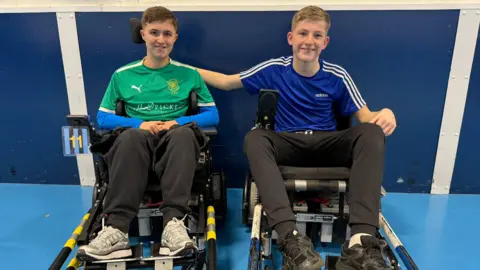
Teenager George Shippey and his mum help bring the sport to Witham.

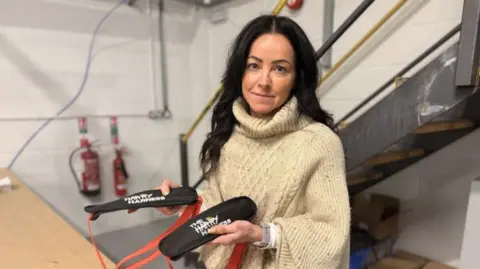
A mum who feared for her son's safety whenever she left the house has created a special safety device.

A police force hears from people with autism how its use of flashing blue lights can cause distress.

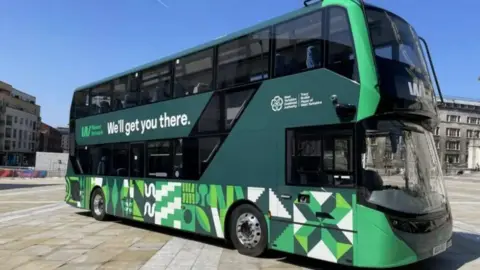
A trial will start in Wakefield from May, to test its impact ahead of the region-wide roll-out.

Wiltshire Council says it needs to consider replacing taxis and minibuses with bus passes.
Comments
You must be logged in to comment.