yahoo Press
Inside the Winter Operation to Wipe Out Invasive Wild Pigs
Images
1 / 13
2 / 13

3 / 13

4 / 13

5 / 13

6 / 13
7 / 13
8 / 13
9 / 13
10 / 13

11 / 13

12 / 13

13 / 13
The post Inside the Winter Operation to Wipe Out Invasive Wild Pigs appeared first on A-Z Animals.

Each year, the USDA and state wildlife officials in Tennessee and Kentucky conduct an intensive culling effort to eradicate feral swine from the Land Between the Lakes Federal Recreation Area.

This year, helicopters equipped with infrared technology are being added to the mix.

Feral swine populations across the U.S. cause more than $3.4 billion in damages annually.

Feral swine can also transmit disease to people, livestock, and pets.

Each winter, a targeted initiative to reduce the number of feral swine unfolds in the Land Between the Lakes National Recreation Area (LBL) in Tennessee. It’s a collaborative effort that includes wildlife experts from the U.S. Department of Agriculture’s Forest Service, the USDA’s Animal and Plant Health Inspection Service (APHIS), and wildlife officials in both Tennessee and neighboring Kentucky.

The program has already proven successful, with more than 1,400 feral swine—also called wild pigs—removed from the area in 2025. This was nearly double the number removed the previous year. However, the goal is not just to reduce feral swine numbers in the area, but to fully eradicate this non-native species. To help reach that goal, helicopters equipped with state-of-the-art infrared technology have been added to the operation this year.

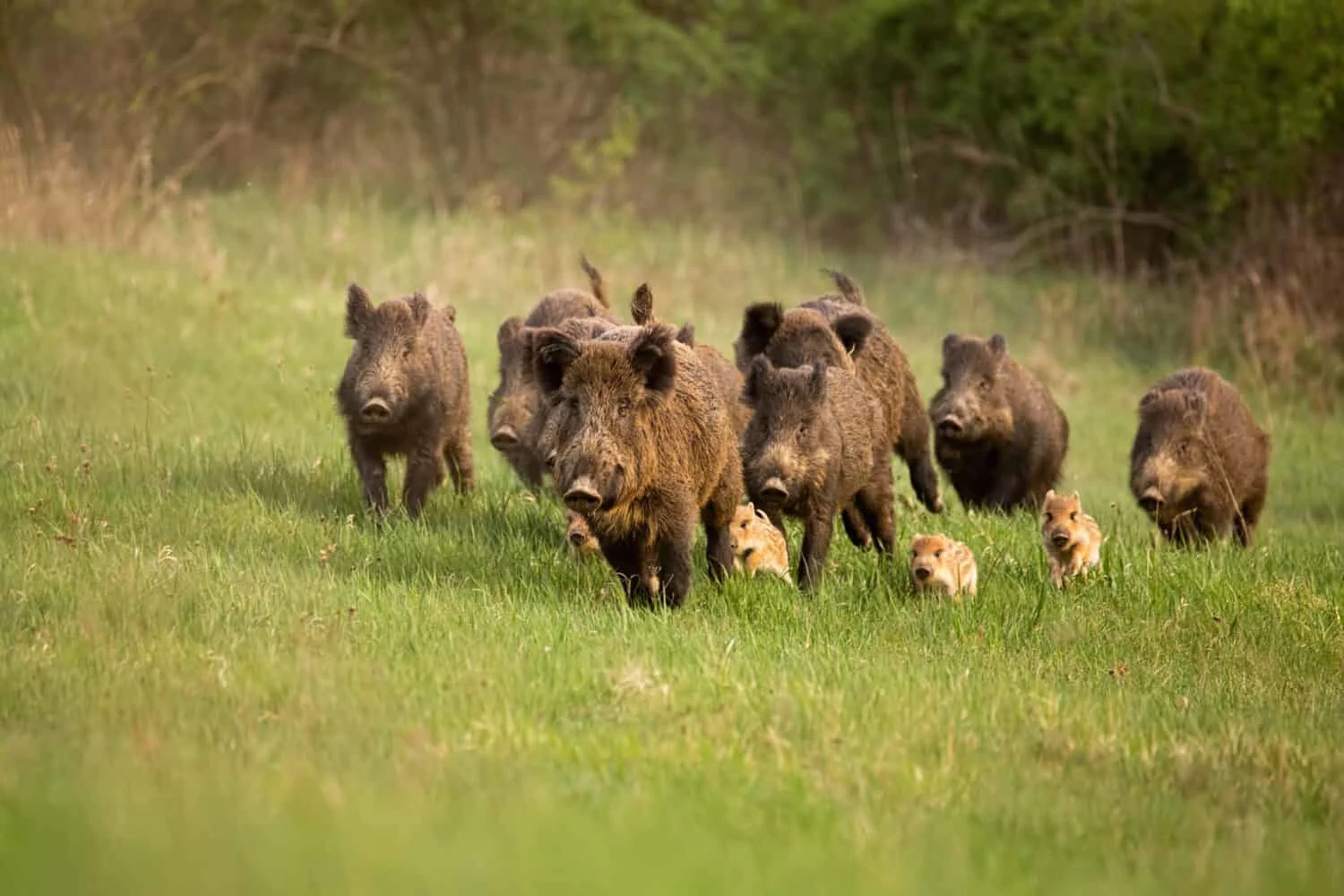
More than 1,400 feral swine were taken in the 2025 culling season.

©Erik Mandre/Shutterstock.com

The 2026 aerial culling season kicked off on January 12th. Read on to discover everything about this innovative attempt at invasive, non-native species control.

Removing the non-native feral swine species from the LBL–and other regions where wild pigs roam–is important for several reasons.

Ecological Impact

When non-native feral swine invade, they cause extensive ecological harm to an area. They destroy forests and fragile ecosystems, harm native wildlife and livestock populations by reducing the availability of food, reduce water quality, and adversely impact agricultural operations.

Economic Damage

According to one study, the economic damage in just three states–Arkansas, Louisiana, and Texas–is an estimated $1.5 billion each year. Another study estimates the total economic damage of wild pig invasions to top $3.4 billion annually, including not just environmental damages but also public health, agricultural, and property loss.

Cultural Preservation

Feral swine don’t stop at damaging the fragile ecosystems where they roam. They can also cause irreversible damage to cultural sites, including cemeteries.

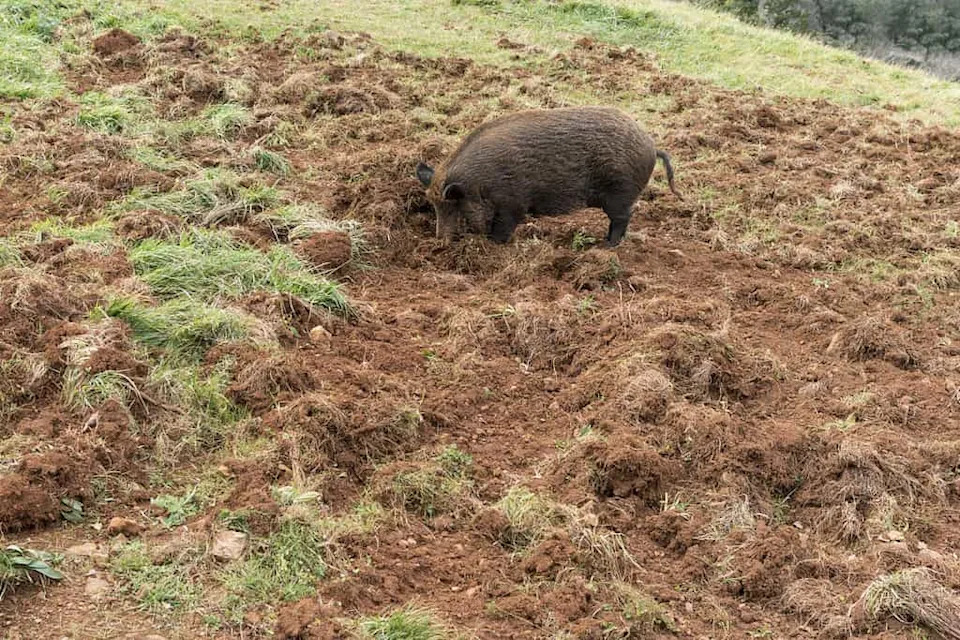
The USDA APHIS points out that the species can root up to three feet deep in search of food, especially in soft soil. They are attracted to cemeteries because the soil contains invertebrates that the pigs love to eat.

Feral swine can root up to three feet deep in search of food.

©ENRIQUE ALAEZ PEREZ/Shutterstock.com

The LBL contains hundreds of homes and family cemeteries belonging to people who lived on the land before it became federal property. The presence of feral swine threatens these landmarks, leading to the loss of precious artifacts and the destruction of cemeteries. There are documented cases elsewhere that showcase just how damaging the rooting problem can be.

Public Safety

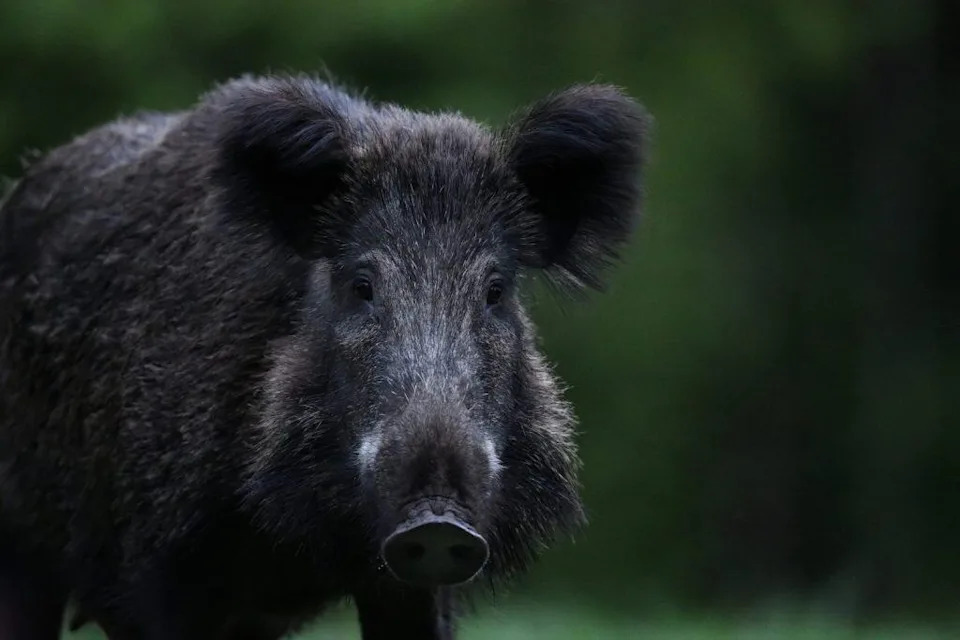
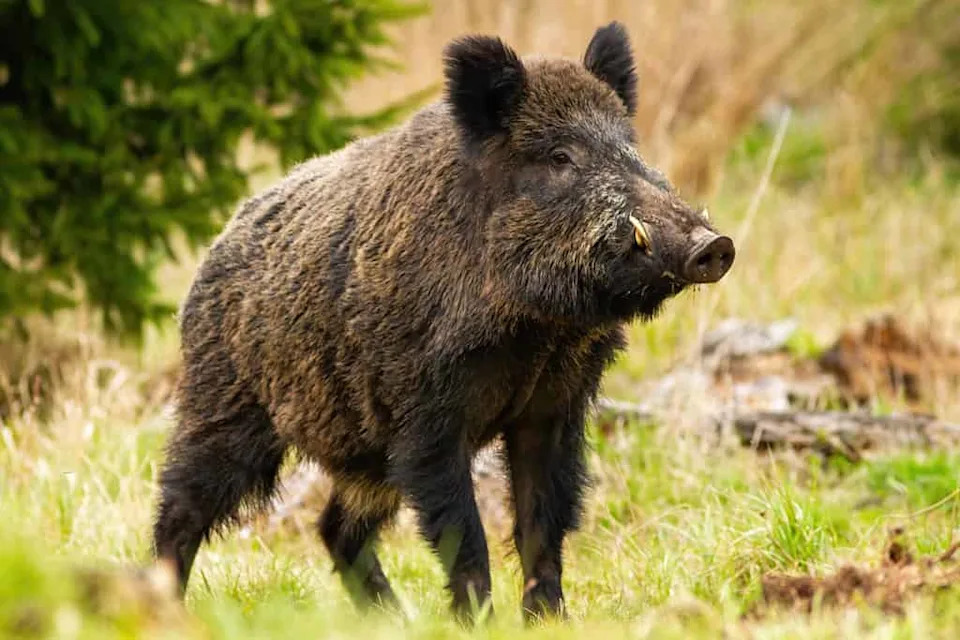
Feral swine generally avoid confrontations with people. However, when threatened, they can become aggressive. This poses a risk to hikers and other recreational users of the LBL. Wild pigs have sharp tusks that can cause serious injuries.

Feral swine also carry at least 30 viral and bacterial diseases, plus almost 40 types of parasites. These can be transmitted to humans, pets, and livestock.

The feral swine also pose a risk to motor vehicle drivers. The species is a primary source of vehicle-wildlife collisions in areas where there are large populations of feral swine.

The intensive culling operations occur between mid-January and the end of February each year, a time when foliage in the region is mostly gone. This gives the teams the best visibility of the wild pigs. The various agencies use a combination of on-the-ground bait trapping and aerial operations with infrared technology to locate and then euthanize feral swine in the LBL.

New this year, spotters in helicopters will use Forward Looking Infrared Radar (FLIR) to locate feral pigs. They then relay this information to ground teams, who go to the identified locations to trap and euthanize the animals. It is hoped that this aerial-ground combination strategy will increase the efficiency of the culling operation.

Anyone who spots a wild pig in the LBL can report the sighting using an online form.

©WildMedia/Shutterstock.com

The efforts to eradicate wild pig populations do not end when the helicopters land. After the intensive aerial culling operations are over, APHIS continues to trap animals throughout the year. In addition to regular patrols, the culling team is aided by sightings reported by visitors to the LBL. Anyone who spots a wild pig can use the Feral Hog Sighting Report Form found online.

Wildlife experts, the USDA, and APHIS agree that full eradication of the wild pig population in the LBL is necessary to best protect native species and the ecosystem present on the federal land. Feral hogs are not considered wildlife, but rather domestic invaders. They entered the ecosystem as domestic pigs that escaped or were released. Left to their own devices, they reproduced and evolved into the feral swine found in the LBL–and across the U.S.–today.

According to government officials, the ecological and economic damage they cause, along with the threat to humans, makes full eradication necessary. Culling is the most effective way to achieve this goal.

Research and management efforts have shown that hunting does not control feral hog numbers. Just the opposite. When hunting is permitted, it drives the wild pigs to become nocturnal and scatter to areas with less human disturbance where they can continue to reproduce. The number of pigs taken by hunters does not effectively offset the breeding population.

The post Inside the Winter Operation to Wipe Out Invasive Wild Pigs appeared first on A-Z Animals.
Comments
You must be logged in to comment.