yahoo Press
Engineers Are Building an 11-Mile Tunnel Under the Sea Using Giant 73,000-Ton Lego-Like Blocks
Images
1 / 13
2 / 13

3 / 13

4 / 13

5 / 13

6 / 13
7 / 13
8 / 13
9 / 13
10 / 13

11 / 13

12 / 13

13 / 13
The Fehmarnbelt Tunnel is one of those infrastructure projects that sounds almost futuristic the first time you hear about it. When it opens later this decade, drivers and train passengers will be able to travel directly beneath the Baltic Sea between Denmark and Germany through one of the longest immersed tunnels ever built.

For Americans used to major projects like the Chesapeake Bay Bridge–Tunnel or Boston’s Big Dig, the scale of this European megaproject puts it in a similar category: expensive, complicated, and potentially transformative for regional travel.

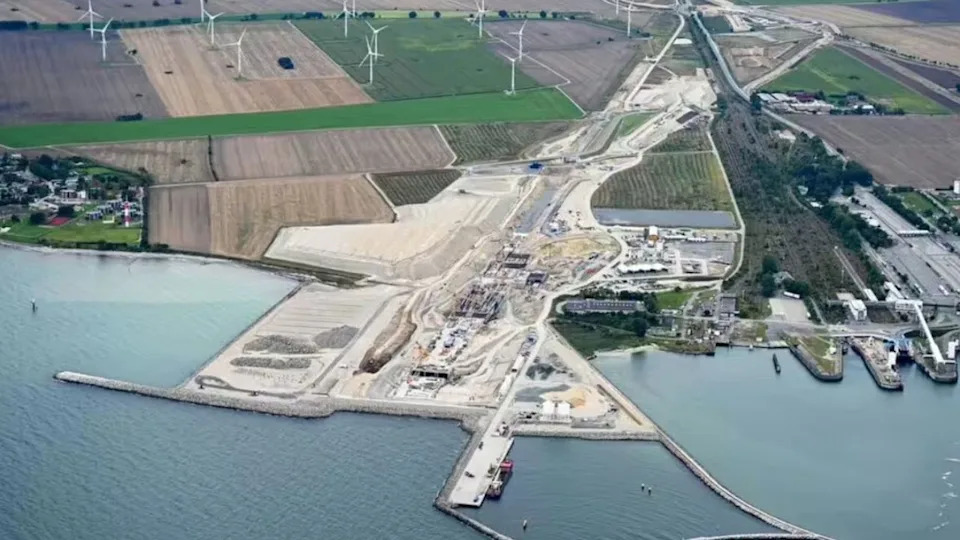
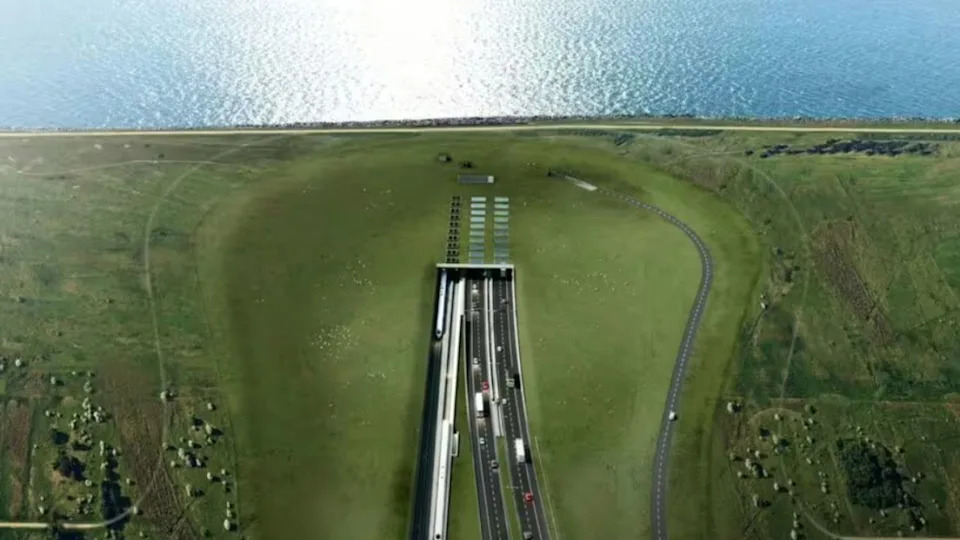
The fixed link across the Fehmarn Belt will be an immersed tunnel connecting the island of Lolland in Denmark with the island of Fehmarn in Germany. Once finished, the link will replace the current 45-minute ferry crossing with a direct highway and rail connection beneath the Baltic Sea.

The tunnel is expected to open in 2029 and will become one of the longest immersed tunnels in the world.

The Fehmarnbelt Tunnel project will stretch roughly 18 kilometers (about 11 miles) across the Baltic Sea between Denmark and Germany. When completed, it will carry a four-lane highway as well as a double-track electrified railway, allowing both cars and trains to travel between the two countries without relying on ferries.

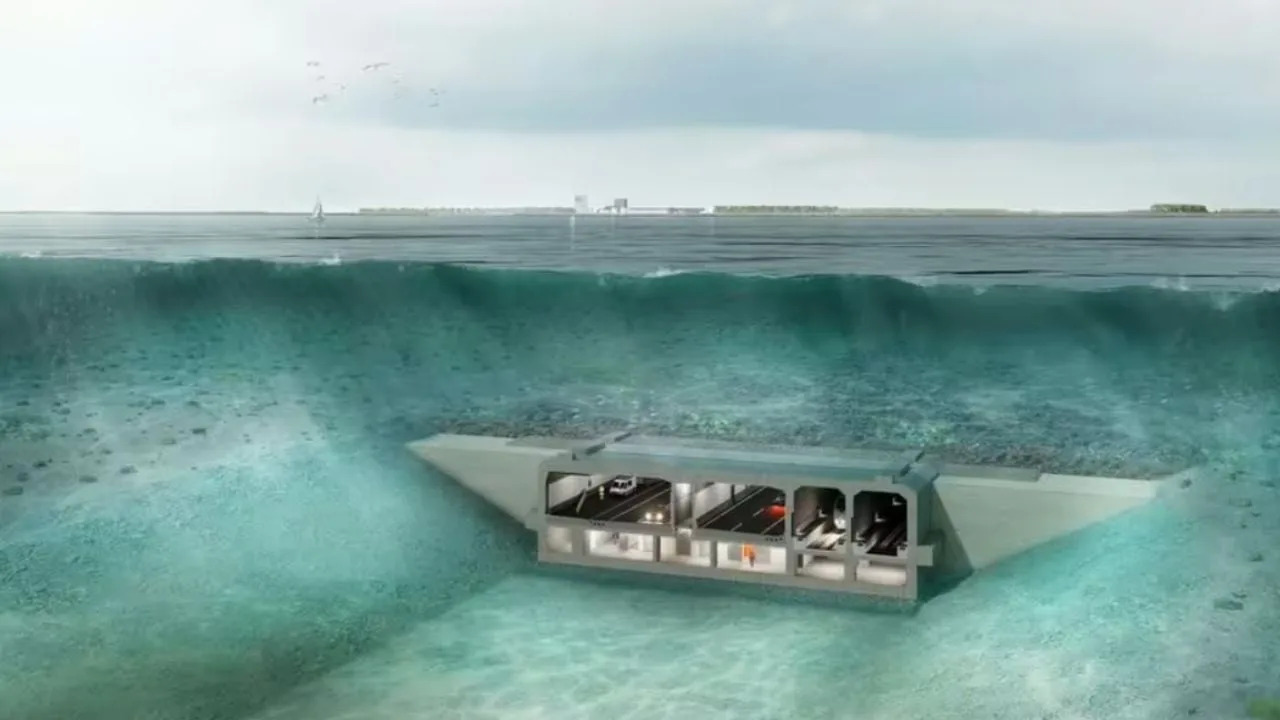
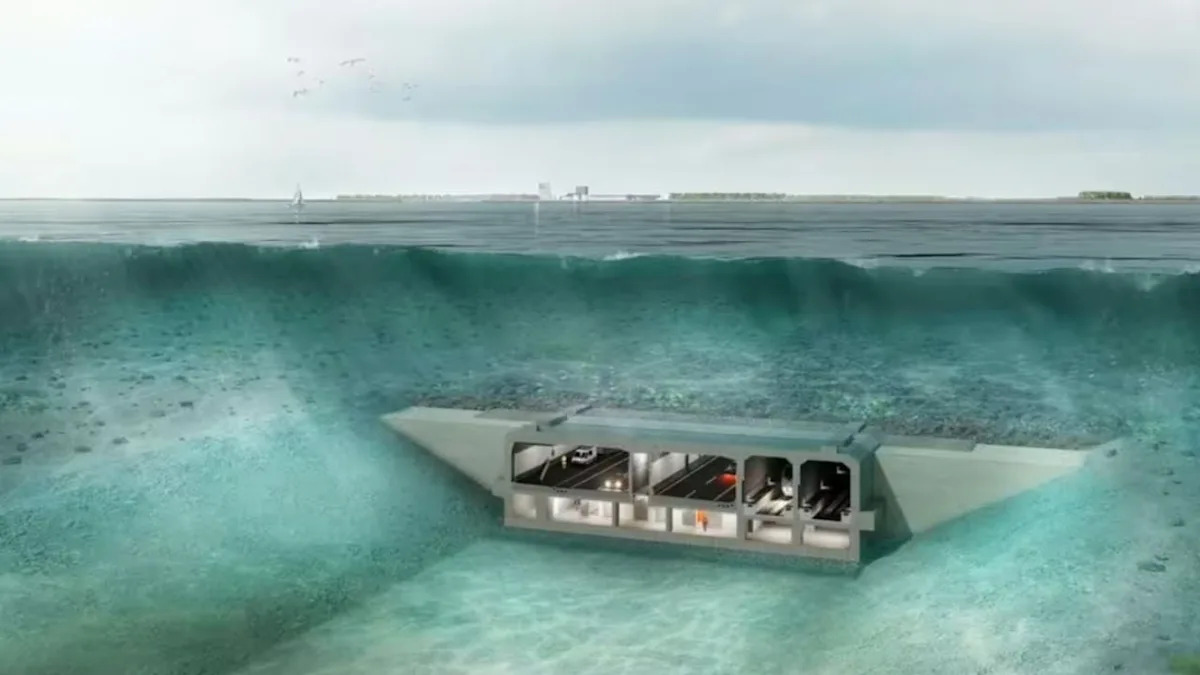
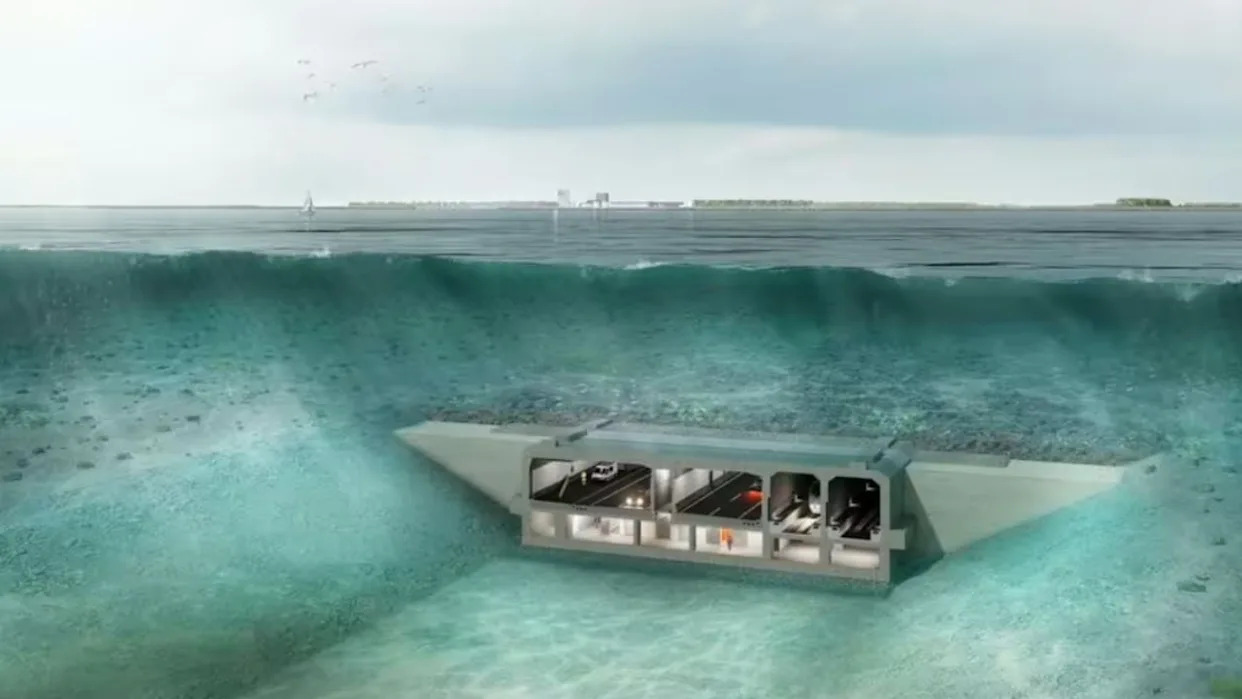
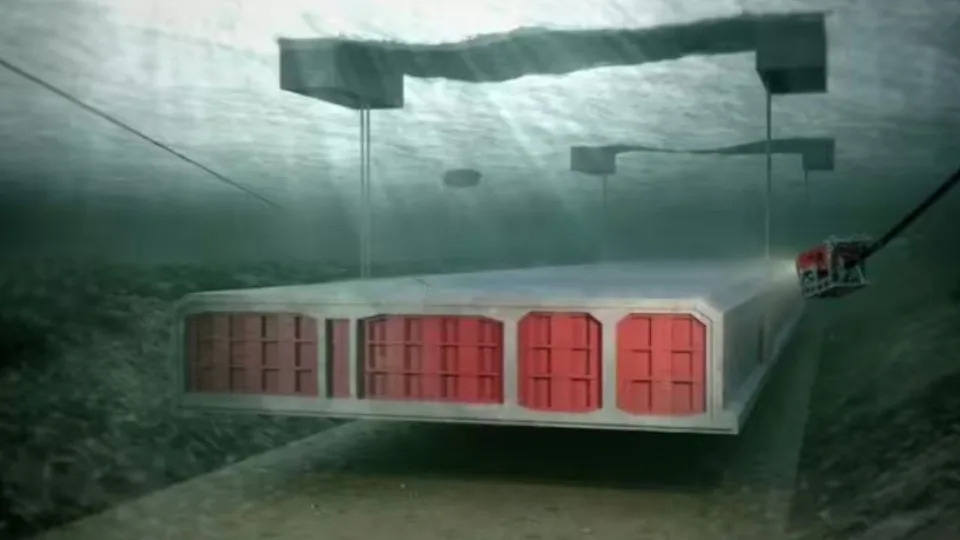
According to the project developer Femern A/S, the tunnel will be the longest immersed road and rail tunnel ever built. Unlike tunnels drilled deep through rock, this one will be assembled from massive prefabricated concrete sections that are placed into a trench on the seabed and connected underwater.

The total cost of the project is estimated at about €7.4 billion (roughly $8 billion). Much of the funding is being provided by Denmark, which will recover the investment through tolls once the tunnel opens. The European Union’s Connecting Europe Facility has also contributed more than €1 billion in funding because the route is considered a critical part of Europe’s transportation network linking Scandinavia with central Europe.

Travel times are expected to drop significantly once the tunnel opens. The ferry crossing between Rødbyhavn in Denmark and Puttgarden in Germany currently takes about 45 minutes. The tunnel will reduce the drive to about 10 minutes, while train trips between Copenhagen and Hamburg could drop by roughly two hours, according to project planners.

Because the Fehmarn Belt is a busy shipping corridor in the Baltic Sea, one of the major engineering priorities has been ensuring that the tunnel does not interfere with maritime traffic.

The tunnel will sit in a trench on the seabed and then be covered with layers of sand, gravel, and rock. This means ships passing overhead will not encounter any structural obstacles, unlike a bridge that would require large support pylons in the water.

Safety systems inside the tunnel are designed to match or exceed modern highway tunnel standards. According to project documentation from Femern, the roadway tubes will include continuous emergency lanes, surveillance systems, ventilation controls, and emergency exits connecting the road tunnels to a separate service corridor.

These safety features are similar to those used in other large European tunnels, such as the Øresund Tunnel, which forms part of the famous Øresund bridge-and-tunnel connection between Denmark and Sweden.

From an engineering perspective, the scale of the project is extraordinary. According to analysis from the Institution of Civil Engineers, the Fehmarnbelt Tunnel will be constructed using 89 massive prefabricated tunnel elements.

Each element is about 217 meters (712 feet) long and weighs up to 73,500 tons. After construction, watertight bulkheads seal the ends of the segment, allowing it to float. Tugboats then tow the element into position, where it is carefully lowered into a prepared trench on the seabed.

Once aligned, the segment is connected to the previous section, sealed, and buried under protective layers of seabed material. Engineers often describe the process as assembling giant Lego blocks underwater, though each piece weighs more than many naval ships.

When complete, the Fehmarnbelt Tunnel will become a critical link in the Scandinavian–Mediterranean transport corridor, connecting northern Europe with major cities and freight routes across the continent. Supporters say it will improve trade, cut travel times, and reduce congestion on ferry routes.

For drivers and train passengers traveling through northern Europe, it will also offer something that still feels a little surreal: the chance to cross an international border while driving through a tunnel beneath the Baltic Sea.

This article originally appeared on Autorepublika.com and has been republished with permission by Guessing Headlights. AI-assisted translation was used, followed by human editing and review.

This article originally appeared on Guessing Headlights: Engineers Are Building an 11-Mile Tunnel Under the Sea Using Giant 73,000-Ton Lego-Like Blocks
Comments
You must be logged in to comment.