yahoo Press
Fresh surge in gas prices as Qatar shuts down more production
Images
1 / 5
2 / 5

3 / 5

4 / 5
5 / 5
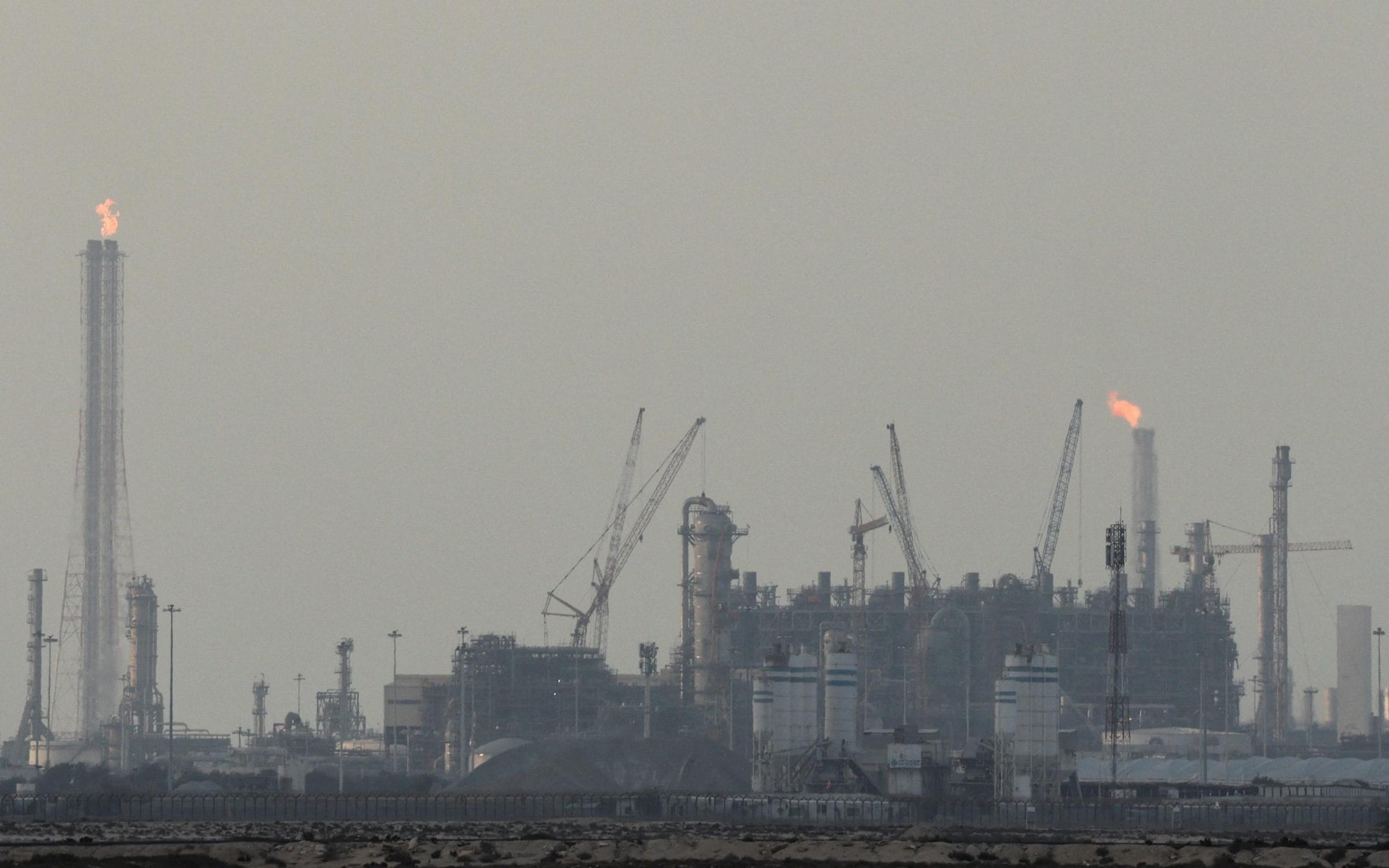
Gas prices surged on Tuesday after Qatar shut down more operations at the world’s largest export plant for liquefied natural gas (LNG), triggering a wider meltdown on world markets.

European gas rose almost 50pc to more than €65 (£56.6) per megawatt hour in early Tuesday trading, after QatarEnergy said it would stop production of aluminium and several chemicals at its Ras Laffan complex.

The price later eased to €55, but stock markets were seized with fear that a prolonged war could send companies’ energy costs spiralling.

Brent crude oil also climbed more than 6pc on Tuesday to more than $83 a barrel, and has soared more than 18pc since the conflict began on Saturday.

Britain’s FTSE 100 index plunged 3pc on Tuesday, with even steeper falls on the French and German bourses. In the US, the Dow Jones and S&P benchmarks both dropped 2pc soon after opening, as did the tech-heavy Nasdaq.

“Whereas yesterday’s declines were focused on businesses that faced the greatest impact, today’s is an indiscriminate risk-off move with all sectors in the red,” said Neil Veitch, of River Global Investors.

The yields on government bonds bounced, as investors priced in the chance that energy-fuelled inflation will kill the prospect of further interest-rate cuts. Even gold, the usual safe haven, was down 4.8pc.

QatarEnergy stopped production of LNG at the same facility after an Iranian drone attack on Monday. The facility is the source of about a fifth of the world’s exports. Britain imports about 2pc of its LNG from Qatar.

The price of gas has now spiralled more than 70pc since the US and Israel attacked Iran, rocking British and European stock markets on fears that higher costs will eat into profits.

Gas prices have risen at their fastest rate since Russia invaded Ukraine in 2022. The price had earlier peaked at the highest level since early 2023.

The current price is still well below the €300 peak at the height of the post-Ukraine supply crisis, but would be enough to spur a fresh bout of inflation.

As well as bringing production to a halt, conflict in the Middle East is also disrupting energy supply. A crucial shipping route for both oil and gas from the Gulf has been effectively shut since strikes on Iran began.

Iran has closed the Strait of Hormuz, a narrow maritime chokepoint between Iran and Oman, with an Iran Revolutionary Guard Corps commander threatening to “set ablaze” any tankers trying to pass through the narrow chokepoint.

Meanwhile, the world’s biggest insurance market listed four Gulf states as high-risk locations for war threats on Tuesday, in a shift that is set to push up costs for shipowners.

Lloyd’s of London’s influential joint war committee added Bahrain, Kuwait, Oman and Qatar to its “war, piracy, terrorism and related perils” list, following the outbreak of fighting over the weekend.

It means shipowners will be forced to buy specific war risk insurance policies when visiting ports in any of the Gulf states, leading to significantly higher costs.

The Gulf states now sit alongside countries including Libya, Somalia and Iraq as places considered high risk by the Lloyd’s of London market, which underwrites over £50bn worth of insurance deals each year.

The outbreak of fighting has already seen insurers cancel policies for ships entering waters including the Persian Gulf and the Strait of Hormuz.

Industry experts expect war risks premiums to surge by rates of between 50pc to 100pc over the coming days in light of Lloyd’s decision. It could increase insurance costs for a journey through the impacted areas by over £100,000.

Drones also hit a fuel tank in Oman on Tuesday, while a UAE oil storage facility was hit by falling debris from an intercepted drone.

Qatar’s new downstream production shutdown will affect urea, polymers, methanol and aluminium – likely to push up prices of metals and fertiliser on world markets.

Try full access to The Telegraph free today. Unlock their award-winning website and essential news app, plus useful tools and expert guides for your money, health and holidays.
Comments
You must be logged in to comment.